Ectoine
Ectoine is a cyclic amino acid derivative of formula C₆H₁₀N₂O₂ used as a cosmetic active for skin hydration, barrier protection, and stress defense.
The molecule, chemically known as (4S)-1,4,5,6-tetrahydro-2-methyl-4-pyrimidine carboxylic acid and registered under CAS number 96702-03-3, is produced industrially by fermentation of halophilic bacteria that accumulate it as an internal osmolyte.
We source bulk Ectoine from top China manufacturers for our partners. The manufacturer is in Shandong. A smaller requirement can ship in a combined container with other ingredients.
Please send the grade you need, the volume and your destination port, and we will come back with a solution and a price.
or call +86-21-6858 0751
- Packaging
- 25 kg kraft paper bag with PE inner liner
- ISO 9001
- HACCP
- Halal
- Kosher
Specifications
| Item | Specification |
|---|---|
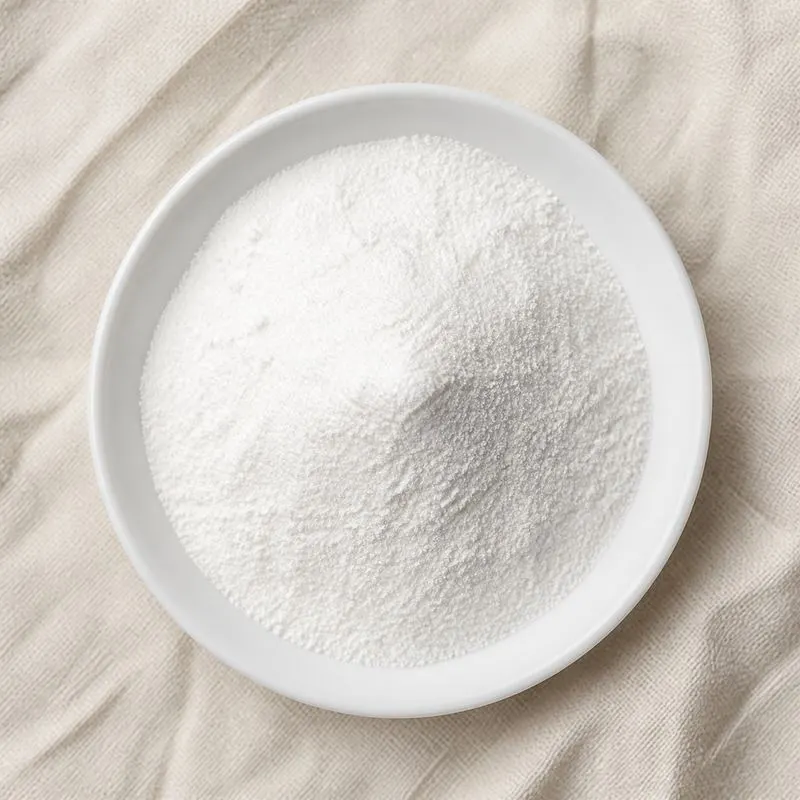
| Appearance | White crystalline powder |
| Identification (IR) | Conforms |
| Assay (HPLC, anhydrous basis) | ≥ 99.0% |
| Specific Rotation [α]D20 | -143° to -153° |
| Single Related Substance | ≤ 0.5% |
| Total Related Substances | ≤ 1.0% |
| Loss on Drying | ≤ 2.0% |
| Residue on Ignition | ≤ 0.2% |
| pH (1% aqueous solution) | 6.0 - 8.0 |
| Residual Solvent (Ethanol) | ≤ 0.5% |
| Heavy Metals (as Pb) | ≤ 10 mg/kg |
| Lead (Pb) | ≤ 3 mg/kg |
| Total Plate Count | ≤ 100 cfu/g |
| Yeast and Mould | ≤ 50 cfu/g |
| Pathogenic Bacteria | Negative |
Common Markets Grades
Ectoine comes in cosmetic and pharmaceutical grades.
Cosmetic grade is the dominant commercial form. It is a fine white crystalline powder with purity of 99 percent or higher, low residual solvent content, and microbiological quality suitable for personal care formulations.
Pharmaceutical grade meets tighter specifications on endotoxin content, particle size, and impurity profile. It is used in over the counter nasal sprays, eye drops, and inhalation products marketed for hydration and mucosal protection in several markets.
Custom premix solutions in glycerin or water exist for direct addition to emulsion bases.
Applications
- Anti aging skin care serums and creams
- Hydration intensive moisturizers for dry and sensitive skin
- Sun care products for after sun and pre sun barrier support
- Eye care formulations targeting fine lines and delicate skin
- Sensitive skin and barrier repair formulations
- Hair care products for scalp comfort and shine
- Lip care balms and treatments
- Over the counter nasal sprays for hydration of nasal mucosa
- Eye drops for dry eye relief in selected markets
- Pharmaceutical inhalation products for airway hydration
Brands Using Ectoine
Widely-distributed consumer products that list Ectoine on the ingredient label.
- Round LabBirch Moisturizing Intensive Cream ↗Listed in ingredient list: '...Sodium Hyaluronate Crosspolymer, Oleyl Alcohol, Ectoin.'Label verified 2026-05-25
- AHAVAAdvanced Deep Wrinkle Cream ↗Listed in ingredient list: '...Ectoin, Allantoin, Maris Aqua (Dead Sea Water)...'Label verified 2026-05-25
- The INKEY ListEctoin Hydro-Barrier Serum ↗Listed: 'Aqua (Water / Eau), Propanediol, Caprylic/Capric Triglyceride, Coconut Alkanes, Ectoin, Hydrolyzed Sodium Hyaluronate...' (2% Ectoin).Label verified 2026-05-25
- Peach & LilyRescue Party Barrier Restore Serum ↗Product page lists ectoin alongside 0.8% colloidal oatmeal and Korean botanicals to soothe irritation.Label verified 2026-05-25
- BYOMABarrier+ Treatment ↗Product page features 'Barrier Lipid Complex, Avocado Oil, Ectoin and Squalane' for dry, sensitive, irritated skin.Label verified 2026-05-25
Brand names, product names and logos are the property of their owners. They appear here as published evidence that the ingredient is used, taken from the brand's own label or website. Their appearance is not an endorsement, and it does not mean the brand buys from us or from any manufacturer listed on this site.
China Manufacturers of Ectoine
Top Ectoine manufacturers in China.

Company names and logos are the property of the manufacturers themselves. They are listed here because our own directory records them as producing this ingredient. A listing is not an endorsement by them, and we do not represent them or speak on their behalf.
How We Help Source Ectoine
Direct Factory Sourcing
We run the whole process: selecting the manufacturer from the top Chinese food ingredient producers, negotiating the price, verifying quality, and coordinating the logistics. You deal with us instead of with several factories at once.
Original Packaging and Documents from the Manufacturer
The manufacturer sends your Ectoine out of its own factory in the original packing, through to your destination port. The COA, COO, MSDS, TDS and any certifications reach you from the manufacturer as well.
Free Samples and Lead Time
We send 100 to 500 g free for your own laboratory to test and you cover only the courier, usually within 2 to 3 working days. ETD is usually within 7 to 15 days once the order is confirmed, and we check that date against the factory's own manufacturing schedule before we give it to you.
Combined Shipment
We can load Ectoine together with other ingredients such as Ceramide and Squalane into one 20' FCL. If your quantity is small, we can also ship LCL.
Regulatory Status
Ectoine is recognised as a cosmetic ingredient in major markets.
In the European Union it is listed in the cosmetic ingredient inventory under INCI name Ectoin and is permitted for cosmetic use without specific restriction.
The U.S. Food and Drug Administration does not regulate cosmetic ingredients through pre market approval but the substance is widely used in over the counter cosmetic preparations without specific restriction.
For pharmaceutical applications such as nasal sprays and eye drops, regulatory status varies by country. In several European markets ectoine containing nasal sprays and eye drops are marketed as medical devices under the relevant device regulations.
Manufacturing Process
Industrial Ectoine production relies on fermentation of the halophilic bacterium Halomonas elongata or selected mutants.
The organism naturally produces and accumulates ectoine inside its cells as a defense against the osmotic stress of growth in highly saline media. The classic production process uses this biology through a strategy known as bacterial milking.
The cells are first grown to high density in a medium with elevated salt concentration. They are then transferred briefly into a low salinity medium. The sudden osmotic shock causes the cells to release ectoine into the external medium through specific transporters, after which they can be returned to the saline medium to resume production.
The harvested medium is clarified, concentrated, and the ectoine is purified by chromatography and crystallisation to give the final high purity active.