Menthone
Menthone is a cyclic monoterpene ketone that contributes a sharp, fresh, minty character with herbal and slightly woody undertones to flavour and fragrance compositions.
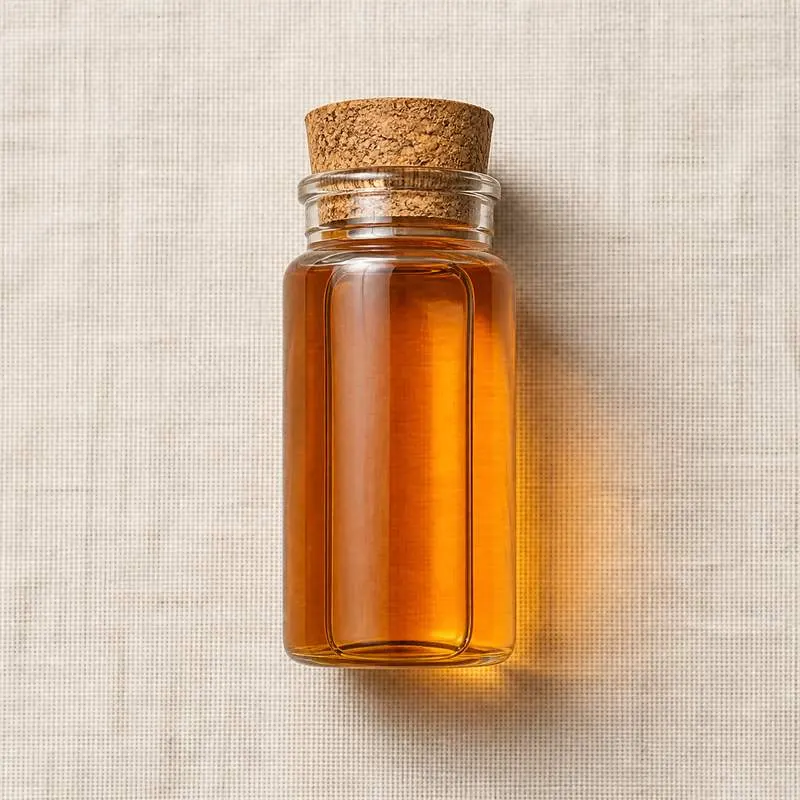
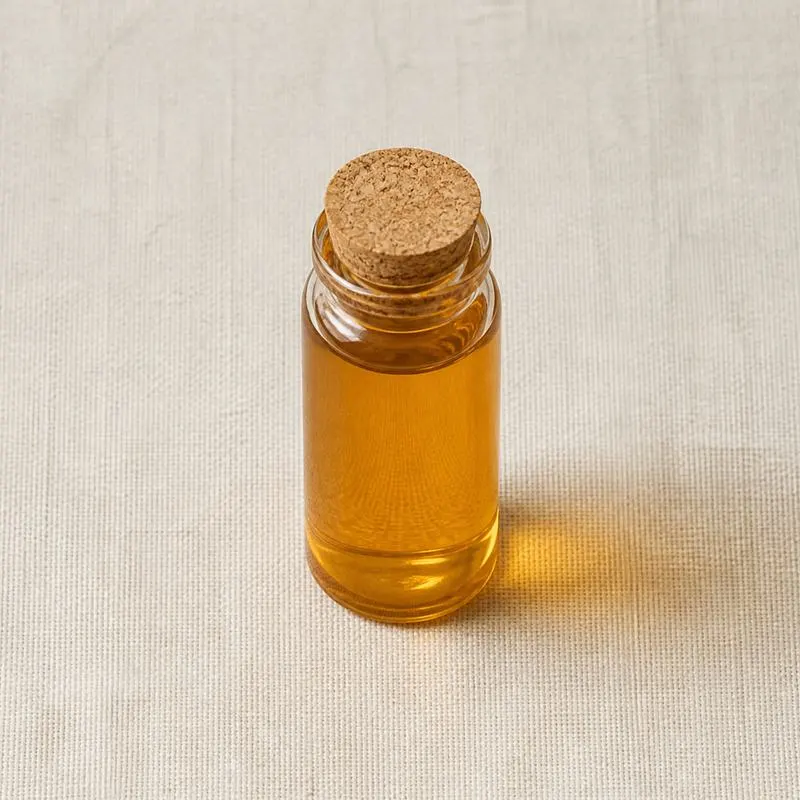
The commercially relevant form is L-menthone ((-)-menthone, (2S,5R)-2-isopropyl-5-methylcyclohexanone), formula C₁₀H₁₈O (molar mass 154.25 g/mol), sold as a colourless to pale yellow mobile liquid with a minty herbal odour. It is the direct ketone counterpart of menthol and a natural constituent of peppermint, cornmint, geranium, and pennyroyal essential oils.
We source bulk Menthone from top China manufacturers for our partners. The manufacturer is in Anhui. A smaller requirement can ship in a combined container with other ingredients.
Please send the grade you need, the volume and your destination port, and we will come back with a solution and a price.
or call +86-21-6858 0751
- Packaging
- 25 kg galvanised drum, nitrogen blanketed
- ISO 9001
- HACCP
- Halal
- Kosher
Specifications
Grades / Types Available: Food Grade, Pharmaceutical Grade
| Item | Specification |
|---|---|
| Appearance | Colourless liquid |
| Assay | ≥ 90% (menthone + isomenthone) |
| Specific Gravity (20°C) | 0.891-0.897 |
| Refractive Index | 1.450-1.453 |
| Heavy Metals (as Pb) | ≤ 10 mg/kg |
| Purity (Food Grade) | ≥ 95% |
| Moisture/Loss on Drying | ≤ 0.5% |
| pH | 5.0 - 7.0 |
| Lead | ≤ 2 ppm |
| Arsenic | ≤ 1 ppm |
| Total Plate Count | ≤ 1000 cfu/g |
| Yeast & Mold | ≤ 100 cfu/g |
Common Markets Grades
Menthone is produced predominantly as a liquid flavour and fragrance material at minimum 90 to 95 percent assay.
The standard food grade is L-menthone at minimum 95 percent total menthone content (the balance is isomenthone, the diastereomer, which shares similar sensory character). Optical rotation typically falls between -22 and -29 degrees depending on the isomer ratio.
High-purity grades at minimum 99 percent exist from selective synthesis or from carefully fractionated cornmint oil for the most demanding flavour applications. Isomenthone-enriched grades are also offered separately for fragrance compounders who want the slightly woodier, less sharp character of the cis isomer.
Material is shipped in steel drums, intermediate bulk containers, or smaller glass bottles for laboratory and pilot use. Storage under nitrogen with refrigeration is recommended to limit autoxidation and colour drift.
Applications
- Peppermint and spearmint flavour compounds as a top-note sharpener
- Chewing gum flavour systems for cooling support and breath impact
- Toothpaste, mouthwash, and oral care for fresh sharp mint character
- Confectionery: mint candies, herbal lozenges, and cough drops
- Beverage flavours: peppermint tea, herbal infusions, and digestive liqueurs
- Fine fragrance for fresh, herbal, and fougere accords
- Soap, shampoo, and shower gel for fresh mint and herbal positioning
- Aromatherapy blends for cooling and invigorating profiles
- Topical analgesic and balm formulations alongside menthol
- Functional beverage and supplement flavour systems for digestive and respiratory products
- Aroma chemical raw material for further synthesis of menthol and related cyclic terpenes
China Manufacturers of Menthone
Top Menthone manufacturers in China.

Company names and logos are the property of the manufacturers themselves. They are listed here because our own directory records them as producing this ingredient. A listing is not an endorsement by them, and we do not represent them or speak on their behalf.
How We Help Source Menthone
Direct Factory Sourcing
We run the whole process: selecting the manufacturer from the top Chinese food ingredient producers, negotiating the price, verifying quality, and coordinating the logistics. You deal with us instead of with several factories at once.
Original Packaging and Documents from the Manufacturer
The manufacturer sends your Menthone out of its own factory in the original packing, through to your destination port. The COA, COO, MSDS, TDS and any certifications reach you from the manufacturer as well.
Free Samples and Lead Time
We send 100 to 500 g free for your own laboratory to test and you cover only the courier, usually within 2 to 3 working days. ETD is usually within 7 to 15 days once the order is confirmed, and we check that date against the factory's own manufacturing schedule before we give it to you.
Combined Shipment
We can load Menthone together with other ingredients such as Capsicum Oleoresin, Ethyl Maltol and White Pepper into one 20' FCL. If your quantity is small, we can also ship LCL.
Regulatory Status
Menthone is approved for use as a flavouring substance in the major regulated markets.
In the European Union it is listed in the Union flavouring list under FL number 07.060 and is permitted in food at quantum satis subject to good manufacturing practice.
The U.S. Food and Drug Administration recognises menthone as Generally Recognized as Safe under 21 CFR 172.515. FEMA assigns it GRAS number 2667.
JECFA has evaluated menthone and concluded that current intake presents no safety concern at typical food use levels.
The substance is not classified as hazardous under standard transport regulations. Kosher and Halal certification is routinely available. As with many terpenes, oxidised material can develop allergenic potential, and storage under inert atmosphere with antioxidants is recommended for long shelf life.
Manufacturing Process
Menthone is produced commercially by both natural isolation and chemical oxidation routes.
The natural route fractionally distills cornmint or peppermint essential oil to recover the menthone-isomenthone fraction, which is then enriched by repeated distillation or by selective crystallisation of co-occurring menthol. The recovered menthone is either sold as a standalone material or used as feedstock for further synthesis to menthol via stereoselective hydrogenation.
The synthetic route oxidises L-menthol with copper, chromium, or modern transition-metal catalysts to give L-menthone with retention of configuration at the chiral centres. This route is operated in conjunction with menthol manufacturing plants to balance menthol and menthone supply against demand.
A third route synthesises menthone via asymmetric hydrogenation of pulegone or via cyclization of citronellal-derived intermediates. These pathways share infrastructure with the Takasago and Symrise menthol synthesis plants and produce menthone as either a primary product or an intermediate.