Beef Flavour
Beef flavour is a compounded savoury flavouring formulated to deliver roast, boiled or grilled beef character in a finished food. Most industrial grades are thermal process flavourings, built by heating a reaction mixture rather than by blending aroma chemicals alone, so that the aroma is generated in the vessel by the same chemistry that occurs when meat is cooked.
The reaction combines a source of amino acids, usually hydrolysed vegetable protein, yeast extract or hydrolysed animal protein, with a reducing sugar such as xylose or glucose, and with sulphur-bearing precursors, chiefly cysteine and thiamine. Maillard condensation and Strecker degradation between these produce the heterocyclic compounds that taste of meat, including 2-methyl-3-furanthiol, bis-2-methyl-3-furyl disulphide, methional and a range of pyrazines that supply the roasted note.
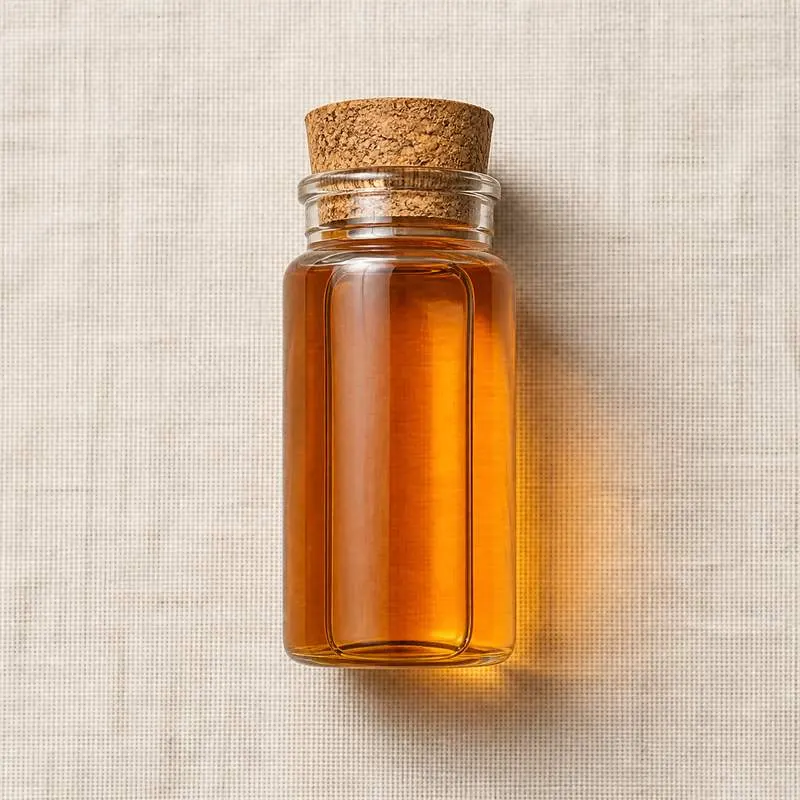
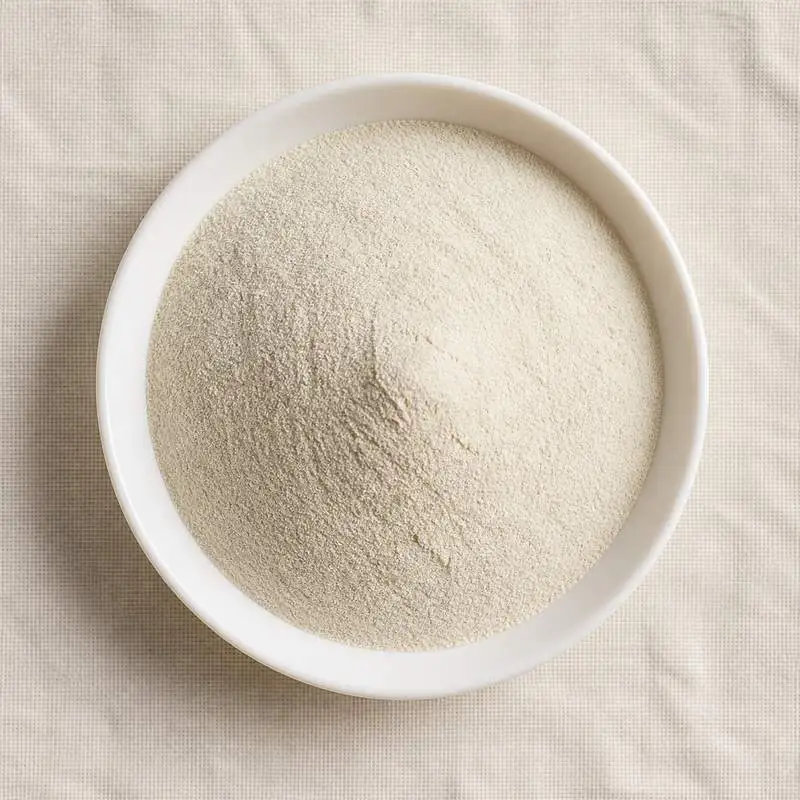
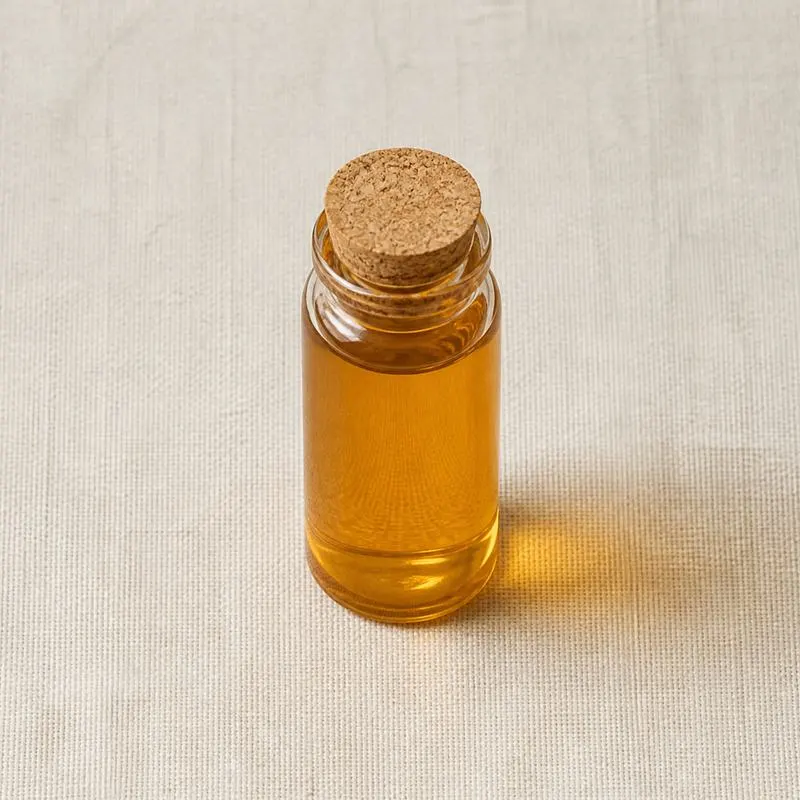
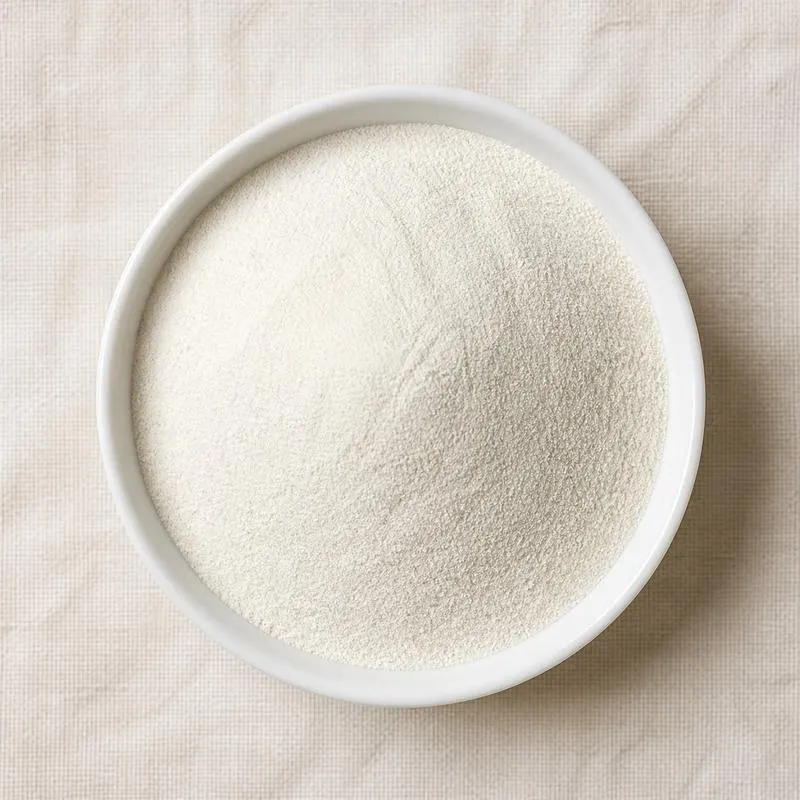
The product comes as a viscous brown paste, a liquid in an oil or glycol carrier, or a free-flowing spray-dried powder. Paste and powder grades carry the reaction body and the depth, while a topping liquid flavour is often added on top of them to restore the volatile top notes lost during drying.
We source bulk Beef Flavour from top China manufacturers for our partners, working with several of them. The manufacturers are mostly in Hebei, Guangdong and Shandong. A smaller requirement can ship in a combined container with other ingredients.
Please send the grade you need, the volume and your destination port, and we will come back with a solution and a price.
or call +86-21-6858 0751
- Function
- Flavours and Aromas
Specifications
| Item | Specification |
|---|---|
| Appearance | Brown viscous paste or free-flowing light brown powder |
| Odour and Flavour | Characteristic cooked beef, matching retained reference |
| Moisture, powder grade | Not more than 5.0 percent |
| Sodium Chloride | 25.0 to 45.0 percent depending on grade |
| Total Nitrogen | Not less than 2.0 percent |
| pH, 10 percent solution | 5.0 to 6.5 |
| Solubility | Disperses fully in water at 60 °C |
| 3-MCPD | Within the applicable regulatory limit for the destination market |
| Lead | Not more than 2 mg/kg |
| Arsenic | Not more than 1 mg/kg |
| Total Plate Count | Not more than 10,000 cfu/g |
| Yeast and Mould | Not more than 100 cfu/g |
| E. coli | Absent in 1 g |
| Salmonella | Absent in 25 g |
Common Markets Grades
Grades separate first by physical form. Reaction pastes carry the highest concentration and the fullest mouthfeel and are dosed into wet systems. Spray-dried powders are easier to handle in dry seasoning blends and disperse on hydration. Oil-soluble liquid grades are cut with refined vegetable oil for seasoning oil sachets and for frying applications.
They separate second by profile, since roast beef, boiled beef, beef broth, grilled and braised profiles are formulated differently and are not interchangeable. A third axis is the protein source, which determines the market a product can serve. Grades built on hydrolysed vegetable protein and yeast extract are suitable for vegetarian and halal supply and for plant-based analogues, while grades that include beef extract or rendered beef fat carry genuine meat and are certified accordingly. Kosher, halal and non-genetically-modified declarations are made at the raw material level, and clean label versions replace hydrolysed protein with fermented or enzymatically digested substrates.
Applications
- Instant noodle soup bases and seasoning sachets, where the paste supplies body and the liquid flavour the top note
- Bouillon cubes, stock powders and granulated seasoning
- Retorted and frozen ready meals, where the reaction body survives thermal processing
- Savoury snack seasoning applied through an oil slurry or dry blend during tumbling
- Gravy, demi-glace and sauce bases for foodservice
- Processed and reformed meat products, restoring flavour lost through curing, tumbling and cooking
- Plant-based burgers and mince, both to add meat character and to mask legume protein off-notes
- Hotpot and barbecue dipping sauces
- Canned and pouched pet food, as a palatant coating or in-mix flavour
- Fillings for dumplings, buns and pastries
Brands Using Beef Flavour
Widely-distributed consumer products that list Beef Flavour on the ingredient label.
- Roland FoodsBeef Flavor Ramen ↗Instant ramen block whose soup base lists artificial beef flavour after salt and sugar, with no beef in the ingredient statement.Label verified 2026-08-31
- Roland FoodsBeef Flavor Noodles Cup ↗Cup noodle version listing artificial beef flavour in the soup base alongside hydrolysed soy protein and dehydrated vegetables.Label verified 2026-08-31
Brand names, product names and logos are the property of their owners. They appear here as published evidence that the ingredient is used, taken from the brand's own label or website. Their appearance is not an endorsement, and it does not mean the brand buys from us or from any manufacturer listed on this site.
China Manufacturers of Beef Flavour
Top Beef Flavour manufacturers in China.
- Guangdong Yadao Biotechnology Co., Ltd.3 ingredients in the directory
- Hebei Longtai Food Science And Technology Co., Ltd.8 ingredients in the directory
 Shandong GeRui Food Ingredients Co., Ltd.6 ingredients in the directory
- Shijiazhuang City Flavour Food Ingredients Co., Ltd.10 ingredients in the directory
- Tianjin Xiqing Lebang Biotechnology Co., Ltd.1 ingredient in the directory
Company names and logos are the property of the manufacturers themselves. They are listed here because our own directory records them as producing this ingredient. A listing is not an endorsement by them, and we do not represent them or speak on their behalf.
Regulatory Status
In the United States the individual flavouring substances used in these products are covered by the FEMA GRAS programme, and the hydrolysed proteins, yeast extracts and meat extracts that form the reaction substrate are food ingredients rather than additives. Labelling follows 21 CFR 101.22, which determines whether the declaration may read natural flavour or must read artificial flavour, and hydrolysed protein must be named by its source in the ingredient list.
In the European Union thermal process flavourings are a defined category under Regulation (EC) No 1334/2008, which sets the production conditions they must be made under, including limits on reaction temperature and time and a restricted list of permitted starting materials. It also specifies maximum levels for certain substances that can arise during heating. Products made within those conditions do not require individual authorisation and carry no E number. Where acid-hydrolysed vegetable protein is used, chloropropanol formation is the principal contaminant concern, and manufacturers control 3-MCPD and its esters through alkaline treatment of the hydrolysate and monitor them on release. Codex addresses the class through its general guidelines for the use of flavourings.
Manufacturing Process
Manufacture begins with the preparation of the reaction substrate. Vegetable protein, most often defatted soy or wheat gluten, is hydrolysed by acid or by protease enzymes to release free amino acids, or a yeast extract is used in its place. The hydrolysate is neutralised, clarified and standardised for amino nitrogen, then charged into a jacketed reactor with reducing sugars, cysteine hydrochloride, thiamine, fat and any meat extract called for by the formula.
The mixture is adjusted to a mildly acid pH and heated under agitation, typically in the range of 95 to 120 degrees Celsius for between thirty minutes and two hours, during which the colour darkens and the meat aroma develops. The batch is cooled quickly to stop the reaction at the intended point, then blended with salt, carriers and topping flavours. Paste grades are filled directly. Powder grades are diluted, homogenised with maltodextrin or modified starch and spray dried in a tower, then agglomerated where a free-flowing granule is wanted. Each batch is released against a retained reference on sensory panel and gas chromatography.