Myrcia
Myrcia, traded as myrcia oil or bay oil, is the essential oil steam distilled from the leaves of the West Indian bay tree, Pimenta racemosa, a myrtle family tree of the Caribbean. The trade name survives from the older botanical name Myrcia acris and should not be confused with the culinary bay laurel, Laurus nobilis, which yields a quite different oil.
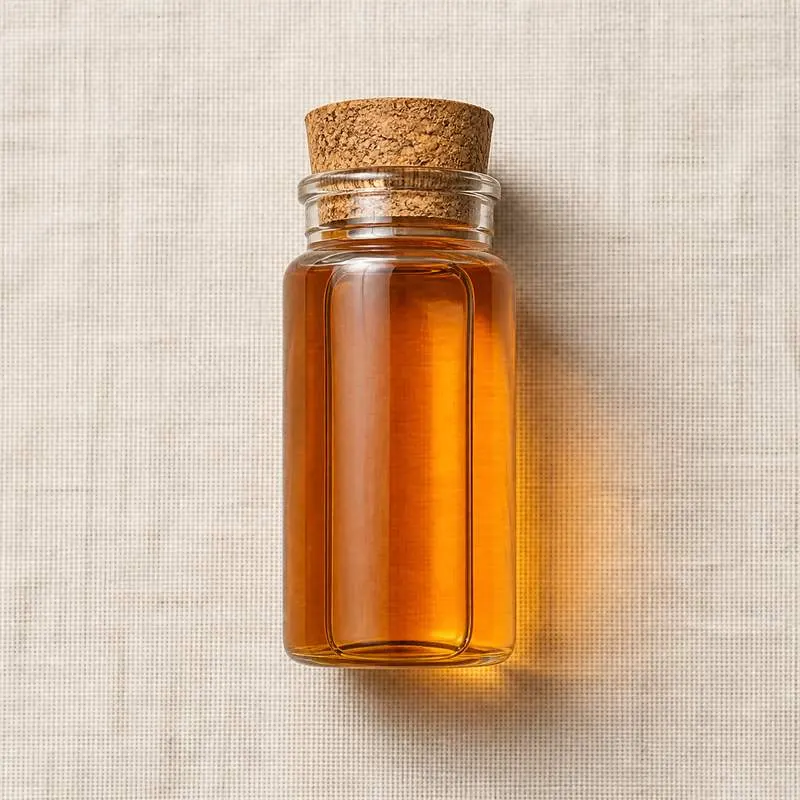
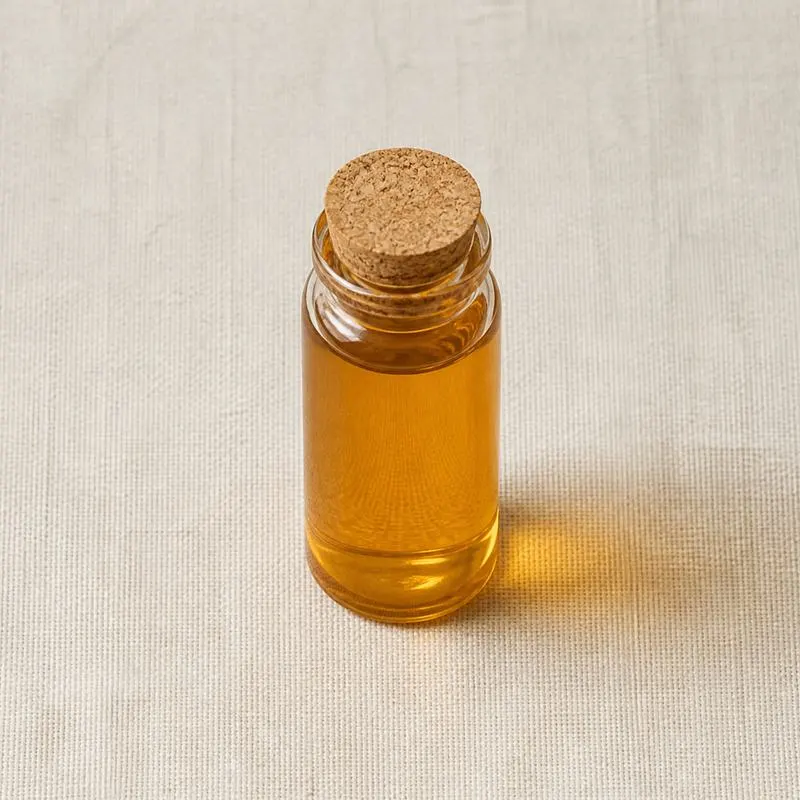
The oil is a yellow to dark brown mobile liquid with a warm, sweet spicy and slightly medicinal odour. Its composition is dominated by phenols, chiefly eugenol together with chavicol and their methyl ethers, which typically account for around half the oil, supported by the monoterpene hydrocarbons myrcene and limonene that give the fresh top note. The phenolic fraction is what makes the oil darken on storage and on contact with iron.
Myrcia oil is soluble in ethanol and in fats and oils and practically insoluble in water. It is used at very low dose in food because of its strength, and rather more freely in fragrance, where it is the defining note of bay rum. The oil oxidises and turns resinous once opened, so it is filled and stored under nitrogen in lined or glass containers.
We source bulk Myrcia from top China manufacturers for our partners. The manufacturer is in Shandong. A smaller requirement can ship in a combined container with other ingredients.
Please send the grade you need, the volume and your destination port, and we will come back with a solution and a price.
or call +86-21-6858 0751
- Function
- Flavours and Aromas
Specifications
| Item | Specification |
|---|---|
| Appearance | Clear mobile liquid, free from sediment |
| Colour | Yellow to dark brown |
| Odour | Warm sweet spicy, clove like, true to reference sample |
| Total phenols as eugenol | 45.0 to 60.0 percent |
| Relative density at 25 degrees Celsius | 0.950 to 1.000 |
| Refractive index at 20 degrees Celsius | 1.5050 to 1.5200 |
| Optical rotation at 20 degrees Celsius | minus 3 to plus 2 degrees |
| Solubility in 70 percent ethanol | Clear solution in 2 volumes |
| Moisture | 0.2 percent maximum |
| Non volatile residue | 1.0 percent maximum |
| Heavy metals as lead | 10 mg/kg maximum |
| Lead | 1.0 mg/kg maximum |
| Arsenic | 1.0 mg/kg maximum |
Common Markets Grades
The main commercial distinction is between the crude distilled oil and rectified or redistilled grades. Crude oil carries the full phenolic load and the darkest colour and is bought where fragrance strength matters more than appearance. Rectified oil is vacuum fractionated to lift colour, remove resinous tails and narrow the batch to batch variation, and is the grade normally used in flavour work and in clear alcoholic fragrance bases.
Terpeneless and sesquiterpeneless grades, produced by fractional distillation or by solvent partition, concentrate the eugenol rich fraction and give better solubility in dilute alcohol. Eugenol content is the figure most contracts are written against, typically declared as a range rather than a single value. Food grade and fragrance grade material differ mainly in the heavy metal and residue testing applied rather than in the distillation route.
Applications
- Bay rum toiletries, aftershaves and colognes, where the oil is the defining character note
- Soap and detergent perfumery, since the phenolic body survives alkaline conditions well
- Spice and clove type fragrance accords, used as a rounder alternative to clove leaf oil
- Meat seasoning and marinade flavours, at very low dose for a warm spicy background
- Sauces and condiments in the Caribbean and Latin American style, particularly jerk and pepper sauces
- Alcoholic bitters and spiced liqueurs, contributing a clove like depth
- Baked goods and confectionery spice blends, where eugenol carries the spice signal
- Oral care and medicated preparations, for the numbing clove like character of the phenolic fraction
- Candles and home fragrance, in spice and woody accords
China Manufacturers of Myrcia
Top Myrcia manufacturers in China.
Company names and logos are the property of the manufacturers themselves. They are listed here because our own directory records them as producing this ingredient. A listing is not an endorsement by them, and we do not represent them or speak on their behalf.
Regulatory Status
In the United States 21 CFR 182.20 lists bay oil from Pimenta racemosa among the essential oils, oleoresins and natural extractives generally recognised as safe for their intended use in food, where it appears under the name bay, myrcia oil. It also holds FEMA GRAS status as a flavouring substance. The industry self regulatory standards of the International Fragrance Association govern fragrance use, rather than food law.
In the European Union the oil is a flavouring preparation of plant origin under Regulation (EC) No 1334/2008 and therefore carries no E number, but that regulation sets maximum levels for certain naturally occurring substances, and methyl eugenol present in phenolic oils of this type falls within that control, so users work to a calculated contribution in the finished food. Eugenol is a declarable fragrance allergen under the cosmetic products regulation, which affects labelling of toiletries built on this oil. The Joint FAO and WHO Expert Committee on Food Additives has evaluated eugenol and the related phenolic flavouring substances.
Manufacturing Process
Leaves are cut from mature bay trees, allowed to wilt briefly to reduce moisture, and charged to batch steam stills. Live steam is passed through the packed bed, the mixed oil and water vapours are condensed, and the oil is separated in a Florentine receiver, where the phenol rich oil sinks because its density is close to or above that of water. Yield is typically well under two percent on fresh leaf and depends heavily on leaf age and season.
The crude oil is dried over a desiccant or by settling, then vacuum rectified in a packed column. The first fractions remove the light monoterpenes and any water, the heart cut carries the eugenol and chavicol that define the oil, and the resinous tails are discarded. Fractions are recombined to hit the declared phenol range, polish filtered, and blended against a retained reference by a trained assessor before being filled under nitrogen into lacquer lined steel drums or glass.