Bone Grain Fine
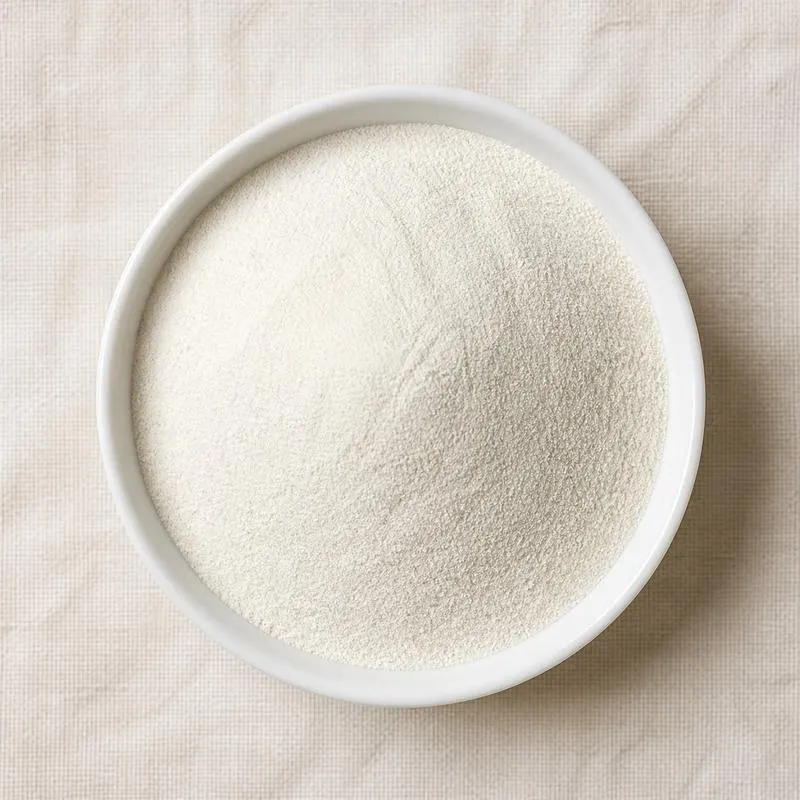
Bone grain fine is a food grade bone granulate, produced by cleaning, degreasing and milling livestock or poultry bone into a fine free flowing particle. It is not a compounded flavour but a raw material of the savoury flavour trade, valued for the collagen, marrow residue and mineral matter that a bone particle carries into an extraction vessel.
Functionally the fine grade exists to increase surface area. Whole and coarsely crushed bone extracts slowly because the collagen sits inside a mineral matrix, so reducing the particle to a fine grain shortens the pressure cook needed to hydrolyse that collagen into soluble gelatine and raises the yield of soluble solids per tonne of bone. Where the granulate is used directly rather than extracted, it serves as a calcium phosphate rich solid with residual protein.
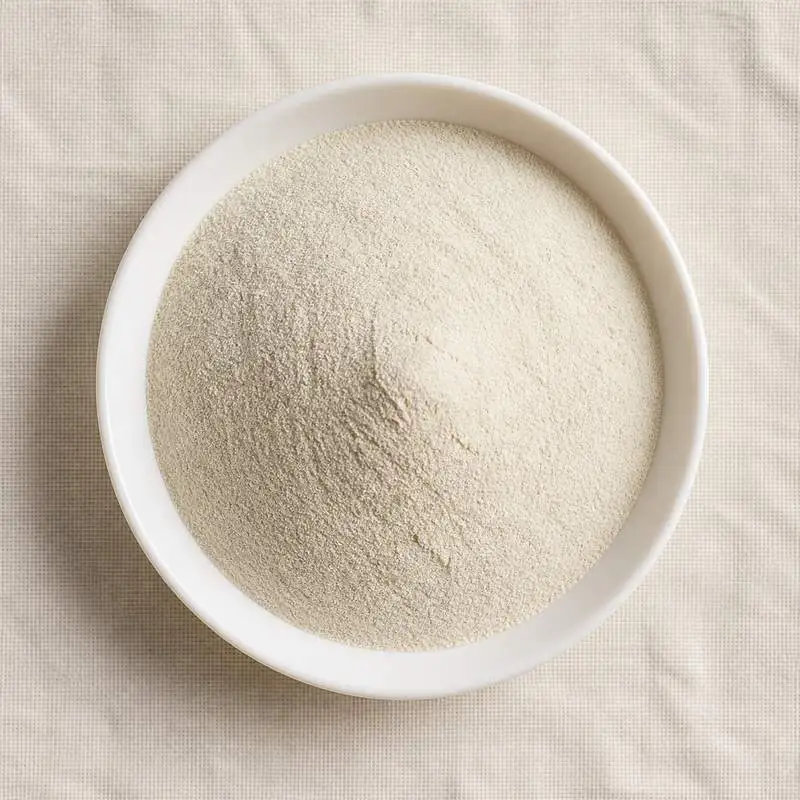
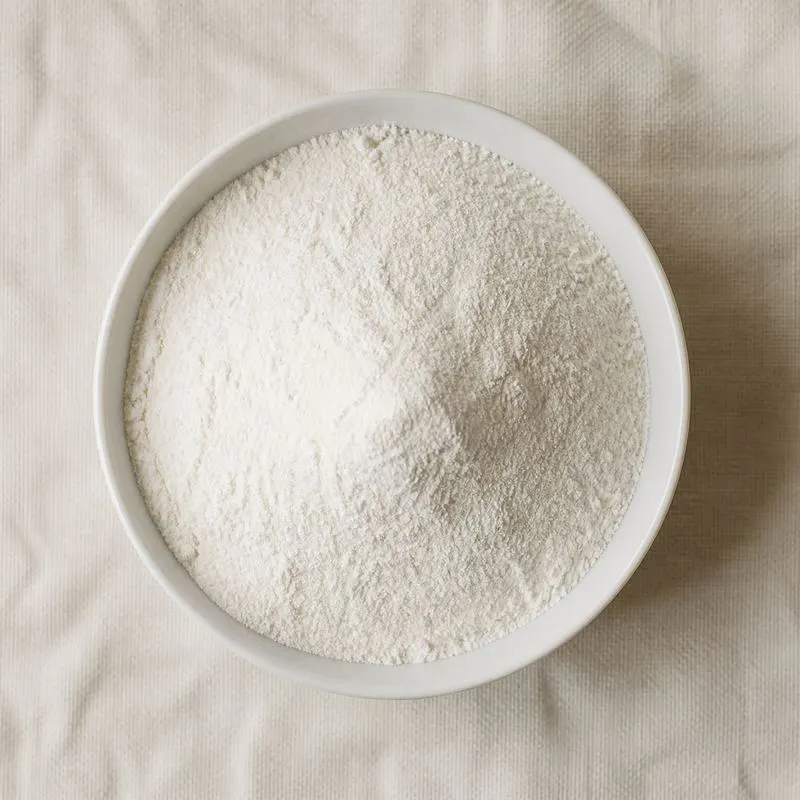
It trades dry, as a pale cream to light brown granular powder with a faint cooked bone odour. The material is not soluble; it disperses in water and settles, and the soluble fraction is only released under heat and pressure. Residual fat decides storage life, since bone fat oxidises, so lower fat grades hold their odour longer at ambient temperature.
We source bulk Bone Grain Fine from top China manufacturers for our partners. The manufacturer is in Hebei. A smaller requirement can ship in a combined container with other ingredients.
Please send the grade you need, the volume and your destination port, and we will come back with a solution and a price.
or call +86-21-6858 0751
- Function
- Flavours and Aromas
Specifications
| Item | Specification |
|---|---|
| Appearance | Cream to light brown free flowing granular powder |
| Odour | Faint characteristic cooked bone, free from rancid or putrid notes |
| Particle size | 95 percent minimum through 40 mesh |
| Moisture | 8.0 percent maximum |
| Crude protein, dry basis | 18 percent minimum |
| Residual fat | 3.0 percent maximum, defatted grade 1.0 percent maximum |
| Ash | 60 to 75 percent |
| Calcium | 22 percent minimum |
| Phosphorus | 10 percent minimum |
| Heavy metals as lead | 10 mg per kg maximum |
| Lead | 2 mg per kg maximum |
| Arsenic | 1 mg per kg maximum |
| Total plate count | 50000 cfu per gram maximum |
| Salmonella | Absent in 25 grams |
Common Markets Grades
Grading runs first on species, with pork, beef, chicken and duck bone traded separately because each carries a different fat level and a different downstream flavour, and then on particle size. Coarse grain runs at a few millimetres, medium grain around one millimetre, and the fine grade is milled and sieved to pass 40 to 80 mesh depending on the extraction plant it feeds. Residual fat is the second axis: standard degreased grain sits in the low single figures of fat, while fully defatted grades are solvent or hot water extracted down below one percent for use where oxidation on storage matters.
Food grade and feed grade lines are kept apart in trade. Food grade is produced from inspected abattoir bone under food hygiene control and is sterilised before milling, while feed grade tolerates a broader bone origin and a higher fat and moisture level. Bovine grades are further split by whether the bone origin is certified free of skull and vertebral column material, which determines the markets a lot can enter.
Applications
- Bone broth and bone extract plants, as the charge to the pressure extraction vessel where the fine particle shortens the cook
- Savoury reaction flavour manufacture, supplying collagen derived peptides and amino acids as reactants alongside sugars
- Gelatine production, where clean degreased bone grain is the feedstock for acid or alkaline conditioning
- Bone soup concentrates and pastes made by direct cooking of the granulate without a separate extract step
- Pet food and palatant production, both as an extraction feedstock and as a mineral bearing solid in the recipe
- Calcium supplement and bone powder manufacture, after further milling and sterilisation
- Feed compounding, as a source of calcium and phosphorus in poultry and swine rations
- Fertiliser and technical bone meal outlets for lots that fail food grade microbiological limits
China Manufacturers of Bone Grain Fine
Top Bone Grain Fine manufacturers in China.
Company names and logos are the property of the manufacturers themselves. They are listed here because our own directory records them as producing this ingredient. A listing is not an endorsement by them, and we do not represent them or speak on their behalf.
Regulatory Status
Bone grain is a product of animal origin rather than a food additive, so it carries no E number and no additive listing. In the United States its production is inspected under the Food Safety and Inspection Service framework where the bone comes from meat and poultry slaughter, and material sold as an edible ingredient must be handled on edible product lines and identified by species on the label. Bone derived material entering the food chain as a calcium source is subject to the general food ingredient safety requirements rather than a dedicated regulation.
In the European Union the material sits under the hygiene rules for products of animal origin when it is destined for food, and under the animal by-products framework when it is not, with the two routes kept physically separate at the plant. Bovine bone is additionally constrained by specified risk material controls, which exclude skull and vertebral column material from many markets and are the main reason pork and poultry bone dominate internationally traded grades. Codex addresses the material through hygiene codes for meat rather than a commodity standard, and veterinary certification and animal disease controls determine which origins may ship to which destination.
Manufacturing Process
Fresh or frozen bone from abattoir cutting lines is inspected, sorted by species and washed to remove adhering soft tissue and blood. It is then broken in a bone crusher and passed through a cooker or a hot water wash that releases the bulk of the marrow fat and the loose meat residue, after which a centrifuge or press separates the fat and the aqueous phase from the solid bone. This degreasing step decides the final fat specification and is repeated or extended for defatted grades.
The degreased bone is sterilised under steam pressure, then dried in a rotary or fluid bed drier to a low moisture, since damp bone mills poorly and supports mould growth. Drying is followed by hammer milling and sieving, with oversize returned to the mill until the target mesh distribution is reached. Metal detection or magnetic separation is applied before packing, because bone milling recovers occasional metal fragments from the cutting line. Finished granulate is cooled, tested for moisture, fat, ash, calcium and microbiology, and packed in multiwall paper or lined bulk bags.