Bone Broth
Bone broth as an industrial ingredient is a savoury base produced by extracting cleaned livestock or poultry bone in water under heat and pressure, then concentrating the resulting liquor. It is a natural flavour material rather than a compounded one, and its taste comes from the gelatine, free amino acids, small peptides, nucleotides and rendered fat released from bone, marrow and adhering connective tissue.
Functionally it supplies body and mouthfeel more than top note aroma. The gelatine gives viscosity and a coating sensation, the glutamate and nucleotide fraction contributes umami, and the fat carries species character, which is why pork, chicken and beef bone broths behave differently in the same recipe. It is used as the foundation of a soup or sauce seasoning, with top note flavours layered on top of it.
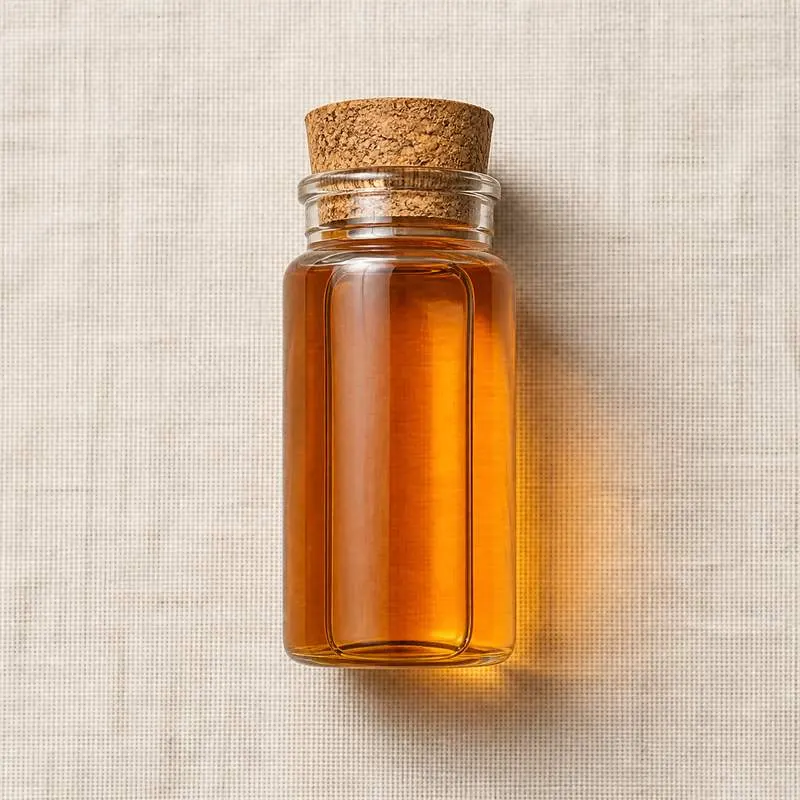
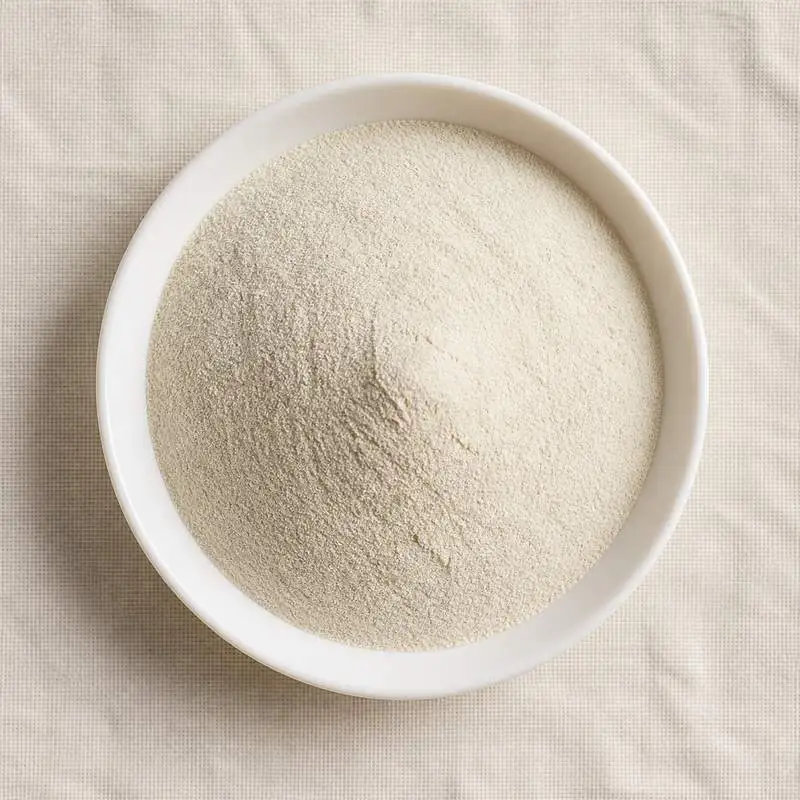
Commercial forms range from a clarified liquid concentrate at around thirty to forty percent solids, through a thick paste at sixty to eighty percent solids, to a spray dried powder carried on maltodextrin. Liquid and paste grades gel on cooling and are warmed before dosing. Powder grades disperse in hot water and are preferred for dry seasoning blends and instant noodle sachets.
We source bulk Bone Broth from top China manufacturers for our partners. The manufacturer is in Shandong. A smaller requirement can ship in a combined container with other ingredients.
Please send the grade you need, the volume and your destination port, and we will come back with a solution and a price.
or call +86-21-6858 0751

- Function
- Flavours and Aromas
Specifications
| Item | Specification |
|---|---|
| Appearance | Light to dark brown liquid or paste, gelling on cooling, or free flowing powder |
| Odour and taste | Characteristic cooked bone broth of the declared species |
| Total solids, paste grade | 60 to 80 percent |
| Moisture, powder grade | 5.0 percent maximum |
| Protein as nitrogen times 6.25, dry basis | 40 percent minimum |
| Fat | To declared value, typically 2 to 20 percent according to grade |
| Salt as sodium chloride | To declared value, unsalted grades below 1 percent |
| pH, 10 percent solution | 5.5 to 7.0 |
| Ash | 15 percent maximum on dry basis |
| Heavy metals as lead | 10 mg per kg maximum |
| Lead | 1 mg per kg maximum |
| Arsenic | 0.5 mg per kg maximum |
| Total plate count | 10000 cfu per gram maximum |
| Yeast and mould | 100 cfu per gram maximum |
| E. coli | Absent in 1 gram |
| Salmonella | Absent in 25 grams |
Common Markets Grades
Bone broth is graded first by species, with pork, chicken, beef and duck as the main lines, and then by solids content and form. Liquid concentrates are sold on a Brix or total solids basis, pastes on solids and salt content, and powders on moisture, salt and carrier ratio. Fat content is a separate specification: defatted grades are used where a clear soup or a low fat claim is required, while full fat and marrow enriched grades are chosen where the rendered fat is the point of the ingredient.
Salted and unsalted versions both trade, since salt is used as a preservative in paste grades but complicates the salt budget of a finished seasoning. Clean label grades declare simply bone and water with no added hydrolysed protein or reaction flavour, while enhanced grades are boosted with yeast extract, hydrolysed vegetable protein or a Maillard reaction step and are labelled as natural flavour rather than as broth. Kosher and halal certified lines exist for chicken and beef, and organic grades are produced where the bone supply is traceable to certified livestock.
Applications
- Instant noodle soup sachets, where powdered broth supplies the body that salt and monosodium glutamate alone cannot give
- Retail and foodservice soup bases, as the foundation layer beneath vegetable and spice notes
- Ramen and hot pot soup concentrates, where full fat pork or chicken grades deliver the characteristic emulsified richness
- Gravies and sauces, where gelatine from the broth provides cling and gloss without added starch
- Ready meals and retort dishes, contributing a cooked long simmer character that survives sterilisation
- Savoury snack seasonings, using powder grades in the topical dust applied after frying
- Meat marinades and injection brines, where broth solids improve yield and juiciness
- Bouillon cubes and granules, blended with salt, fat and flavour enhancers
- Pet food palatants and coatings, a significant outlet for the fattier and lower clarity grades
- Nutritional and collagen beverages sold on the protein content of the gelatine fraction
Brands Using Bone Broth
Widely-distributed consumer products that list Bone Broth on the ingredient label.
- Kettle & Fire100% Grass-Fed Beef Bone Broth 16.9 oz ↗The carton is a ready to drink beef bone broth simmered from grass-fed beef bones with vegetables, herbs and apple cider vinegar.Label verified 2026-08-31
- Kettle & FireChicken Bone Broth 16.9 oz ↗The ingredient list opens with organic chicken bone broth made from water and chicken bones, giving 19 g of protein per carton.Label verified 2026-08-31
Brand names, product names and logos are the property of their owners. They appear here as published evidence that the ingredient is used, taken from the brand's own label or website. Their appearance is not an endorsement, and it does not mean the brand buys from us or from any manufacturer listed on this site.
China Manufacturers of Bone Broth
Top Bone Broth manufacturers in China.
Company names and logos are the property of the manufacturers themselves. They are listed here because our own directory records them as producing this ingredient. A listing is not an endorsement by them, and we do not represent them or speak on their behalf.
Regulatory Status
Bone broth is treated as a food ingredient rather than a food additive in the major jurisdictions, so it has no additive number and no dedicated additive regulation. In the United States it is a meat or poultry derived ingredient and production falls under the inspection framework of the Food Safety and Inspection Service of the Department of Agriculture, with labelling required to identify the species. Where the material is sold as a flavouring rather than as an ingredient, the natural flavour definition in 21 CFR 101.22 governs the label term.
In the European Union bone broth is an animal derived product, so establishments must be approved under the hygiene regulations for products of animal origin and consignments must travel with the corresponding health certification. It carries no E number. Codex addresses the material through its general standards on hygiene for meat products rather than through a commodity standard for broth. The dominant regulatory constraints in practice are veterinary rather than compositional: animal disease controls determine which countries a given bone origin may be shipped from, and specified risk material rules restrict the use of bovine skull and vertebral column bone in many markets, which is why chicken and pork bone dominate the internationally traded grades.
Manufacturing Process
Production starts with fresh or frozen bone from an abattoir, which is inspected, washed and size reduced in a bone crusher so that marrow cavities are opened and the extraction surface is increased. The crushed bone is charged to a pressure extractor with water and cooked, typically at temperatures above the boiling point under a few bar of pressure, for several hours. Heat and pressure hydrolyse the collagen of bone and connective tissue into soluble gelatine and release marrow fat and soluble nitrogen compounds. Some plants run a supplementary enzymatic step with a protease after the pressure cook to raise the yield of free amino acids and small peptides, which deepens the savoury taste.
The hot slurry is discharged and separated. Coarse bone residue is screened out, then a decanter centrifuge and a disc separator split the liquor into a fat phase, an aqueous broth phase and a fine sludge. The fat is recovered as an edible bone fat in its own right or added back to the broth to a target level. The clarified aqueous phase is concentrated in a multiple effect or falling film evaporator under vacuum, which is done at reduced temperature to limit further browning and loss of aroma. The concentrate is either pasteurised and filled hot as a liquid or paste, or blended with a carrier, homogenised and spray dried into powder. Finished lots are cooled, checked for solids, salt, fat and microbiology, and packed in lined pails, drums or multiwall bags.