Chicken Oil
Chicken oil, also traded as chicken fat or schmaltz in some markets, is the rendered fat of poultry, recovered from skin, abdominal fat pads and trimmings during chicken processing. It is a natural flavour carrier as much as a cooking fat, since much of what distinguishes chicken aroma from other meat aromas lies in the aldehydes and other carbonyls generated when poultry lipid is heated.
Chemically it is a triglyceride mixture with a high proportion of oleic and linoleic acid and a moderate level of palmitic and stearic acid, giving a fat that is liquid or semi solid at ambient temperature and fully liquid above about thirty degrees. The linoleic fraction is what generates the characteristic chicken note on heating, and it is also what makes the fat prone to oxidation, so antioxidant protection and low temperature storage decide its shelf life.
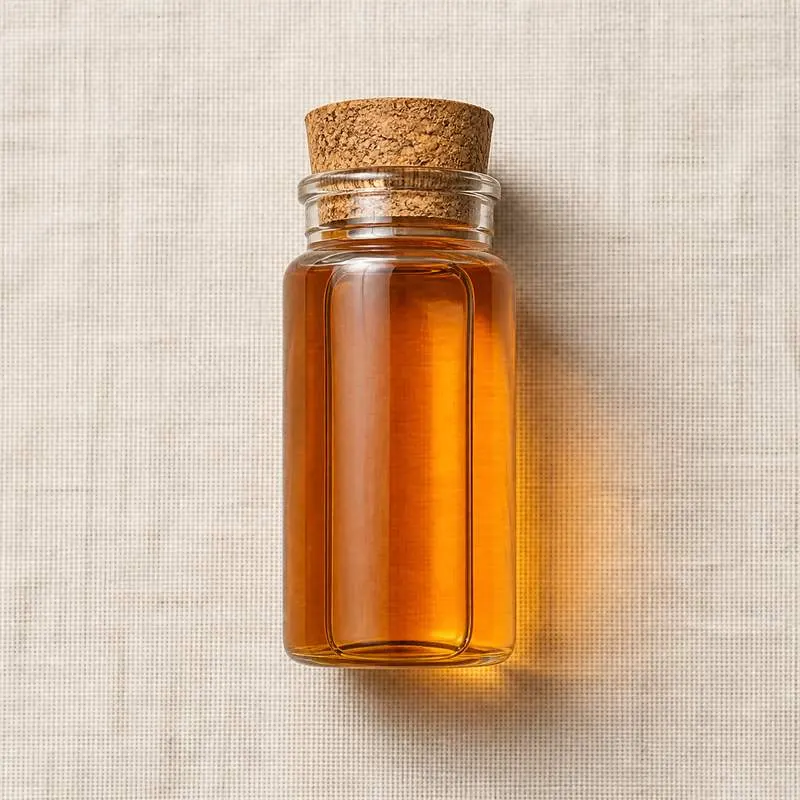
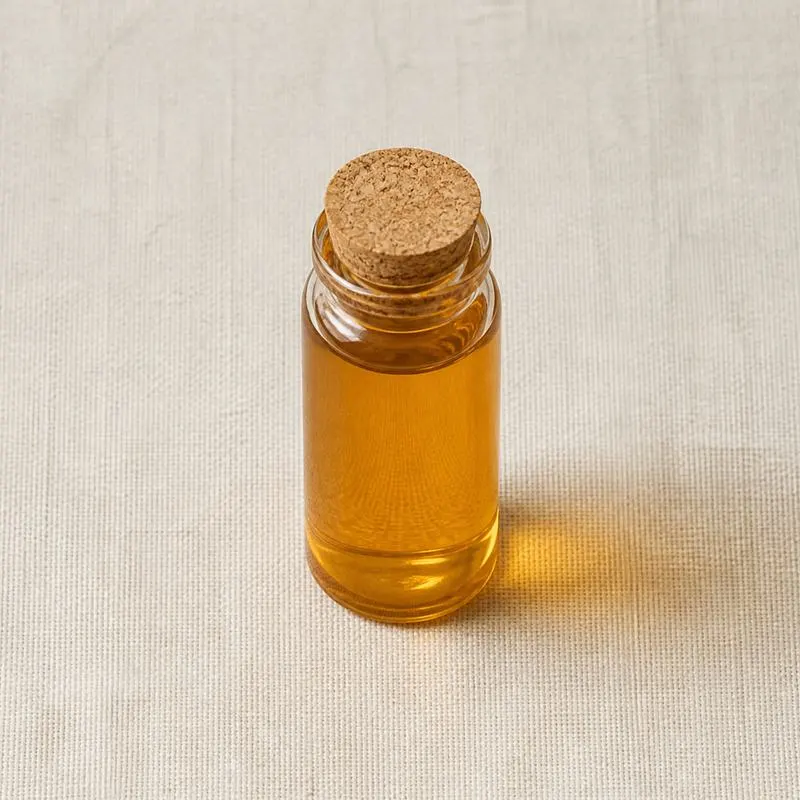
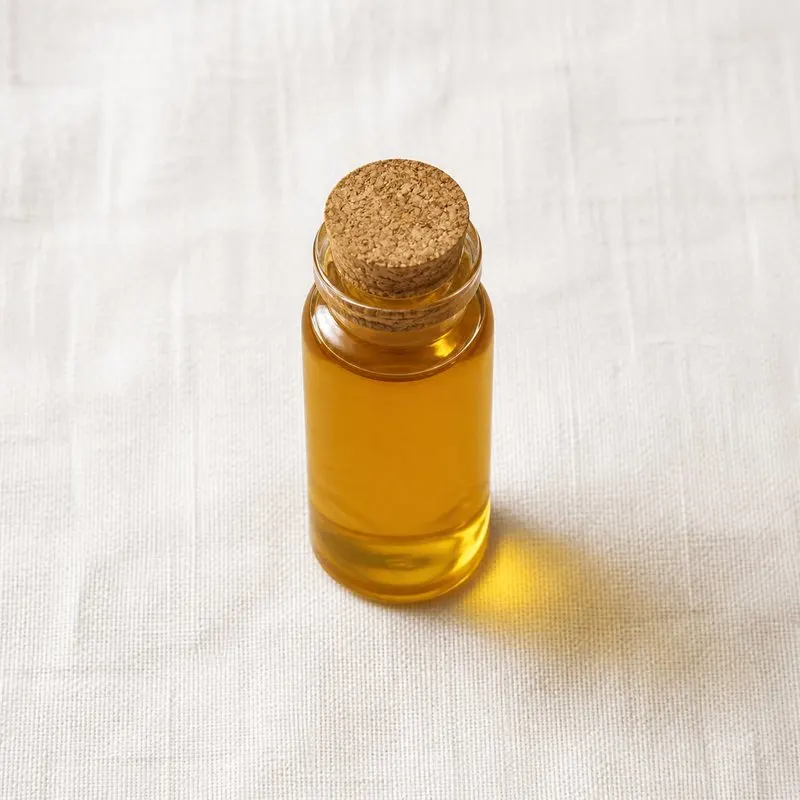
It is a clear golden yellow oil when warm, clouding and partly solidifying on cooling, with a mild cooked poultry odour. It is insoluble in water and miscible with other fats and oils, and it is dosed either as the fat phase of a formulation or as the carrier for a compounded chicken flavour. Free fatty acid level and peroxide value are the two figures that describe its condition, and both rise during storage if the oil is left exposed to air.
We source bulk Chicken Oil from top China manufacturers for our partners. The manufacturer is in Shandong. A smaller requirement can ship in a combined container with other ingredients.
Please send the grade you need, the volume and your destination port, and we will come back with a solution and a price.
or call +86-21-6858 0751
- Function
- Flavours and Aromas
Specifications
| Item | Specification |
|---|---|
| Appearance | Clear golden yellow oil at 40 degrees Celsius, semi solid at ambient temperature |
| Odour and taste | Characteristic cooked poultry, free from rancid or foreign notes |
| Free fatty acid as oleic acid | 1.0 percent maximum |
| Peroxide value | 2.0 milliequivalent oxygen per kg maximum |
| Moisture and volatile matter | 0.2 percent maximum |
| Insoluble impurities | 0.05 percent maximum |
| Colour | Within agreed Lovibond range |
| Iodine value | 70 to 90 |
| Saponification value | 190 to 205 |
| Unsaponifiable matter | 1.0 percent maximum |
| Titre | Within agreed range for the grade |
| Lead | 0.1 mg per kg maximum |
| Arsenic | 0.1 mg per kg maximum |
| Salmonella | Absent in 25 grams |
Common Markets Grades
Grades separate edible from feed material first, since the same rendering plants produce both and the difference lies in the origin of the raw fat and in whether it was handled on an edible line. Within edible grades, refined oil that has been neutralised, bleached and deodorised is bland and pale and is used where the fat is required for function rather than flavour, while unrefined or lightly filtered rendered oil retains the poultry aroma and is bought precisely for it.
The second axis is flavour intensity, with plain rendered oil at one end and infused or reaction enhanced oils at the other, the latter produced by heating the fat with aromatics such as onion, ginger or spring onion, or with a Maillard reaction system, so that it carries a fried chicken character. Antioxidant treated grades carry tocopherols, rosemary extract or a permitted synthetic antioxidant, and are specified where the oil is held for extended periods. Halal certified oil is produced from birds slaughtered under certification, and low free fatty acid grades are specified where the oil goes into a long shelf life product.
Applications
- Instant noodle sachets, as the oil phase that carries the chicken character of the seasoning
- Soup bases and bouillon manufacture, supplying both mouthfeel and species aroma
- Chicken flavour production, as the lipid reactant that gives a Maillard reaction its poultry direction
- Ramen and hot pot broth concentrates, where the emulsified fat gives the characteristic richness
- Sauces and gravies, contributing gloss and cling as well as flavour
- Processed poultry products, added back to restore fat lost during deboning and cooking
- Bakery and savoury pastry, used in place of vegetable shortening where a poultry note is wanted
- Coating and frying oils in foodservice, blended with vegetable oil
- Pet food manufacture, as a palatant sprayed onto extruded kibble, which is the largest single outlet
- Feed compounding, as an energy dense fat source
China Manufacturers of Chicken Oil
Top Chicken Oil manufacturers in China.
Company names and logos are the property of the manufacturers themselves. They are listed here because our own directory records them as producing this ingredient. A listing is not an endorsement by them, and we do not represent them or speak on their behalf.
Regulatory Status
In the United States chicken fat produced for food is a poultry product, so rendering must take place in an establishment operating under the inspection framework of the Food Safety and Inspection Service, and the label must identify the species. It is not a food additive and has no additive listing. Antioxidants added to the fat must be permitted for that use and declared, with the common synthetic antioxidants subject to limits expressed as a proportion of the fat content. Feed grade poultry fat is regulated separately and may not enter the food chain.
In the European Union rendered animal fat for human consumption falls under the hygiene rules for products of animal origin, with approval required for the rendering establishment and health certification for consignments, and rendering parameters specified for the raw material category. It carries no E number. Antioxidants added to the fat must be permitted for the food category and declared by function and E number. Material not intended for food is governed instead by the animal by products framework, and the two streams must be kept separate. Codex addresses the product through its standard for named animal fats, which covers rendered poultry fat and sets identity and quality criteria, alongside its general standards on contaminants and hygiene.
Manufacturing Process
Fat bearing raw material, mainly skin, abdominal fat and trimmings from poultry cutting lines, is collected on the edible line and reduced in size in a grinder so that the fat cells rupture readily. Rendering follows, either by wet rendering, in which the material is heated with steam or water in a continuous cooker at moderate temperature, or by low temperature dry rendering in a jacketed cooker. Wet rendering at lower temperature gives a paler, milder oil, while higher temperature rendering gives a darker oil with more cooked character.
The cooked slurry is separated in a decanter centrifuge into fat, an aqueous stick water phase and a protein solid, and the fat is polished in a disc separator to remove residual moisture and fine solids. The crude oil is then filtered and, where a bland grade is required, refined through neutralisation with alkali, bleaching over activated earth and deodorisation by steam stripping under vacuum. Antioxidant is dosed into the finished oil, which is cooled and filled under nitrogen into drums, intermediate bulk containers or road tankers. Lots are released against free fatty acid, peroxide value, moisture and impurities, colour, and sensory assessment. Protein solids from the separation go to poultry meal.