Rosemary Extract
Rosemary Extract is a phenolic-rich preparation obtained from the leaves of Rosmarinus officinalis, a woody Mediterranean shrub of the mint family.
The extract is valued in food, beverage, and supplement formulation for two distinct functional roles: a powerful natural antioxidant that protects fats and oils from oxidation, and an active ingredient in dietary supplements for cognitive and circulatory support.
Its activity comes mainly from two classes of constituents. Carnosic acid and carnosol are lipophilic phenolic diterpenes that scavenge peroxyl radicals in oils. Rosmarinic acid is a water-soluble caffeic acid ester that contributes additional radical-quenching capacity in aqueous systems.
We source bulk Rosemary Extract from top China manufacturers for our partners, working with several of them. The manufacturers are mostly in Guangdong, Hebei and Henan. For this ingredient the minimum order is 200 kg, and a smaller requirement can ship in a combined container with other ingredients.
Please send the grade you need, the volume and your destination port, and we will come back with a solution and a price.
or call +86-21-6858 0751
- Minimum order
- 200 kg
- Packaging
- 25 kg fibre drum with double PE liner
- ISO 9001
- HACCP
- Halal
- Kosher
Specifications
| Item | Specification |
|---|---|
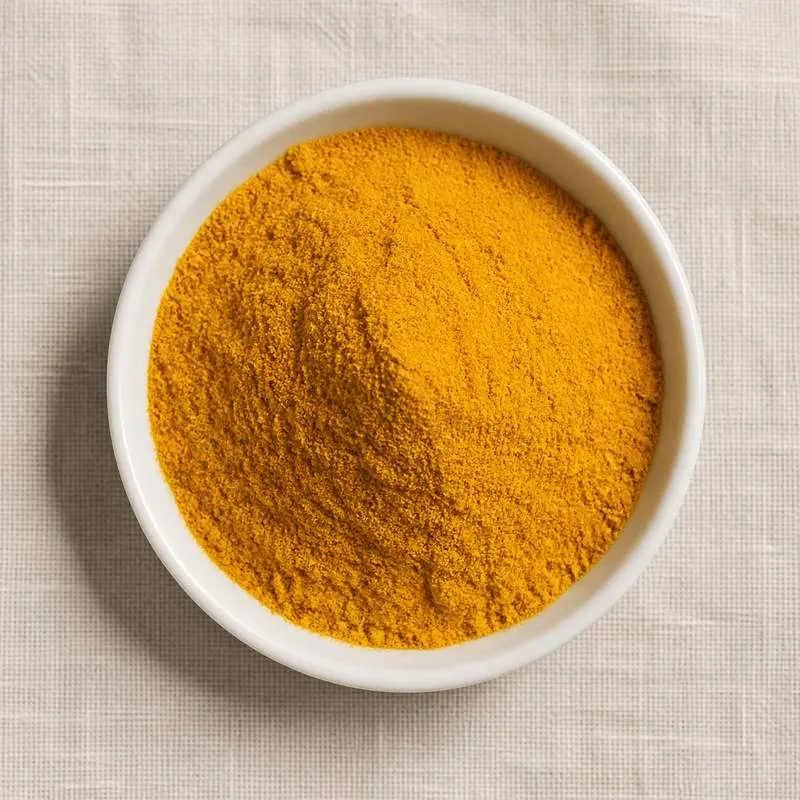
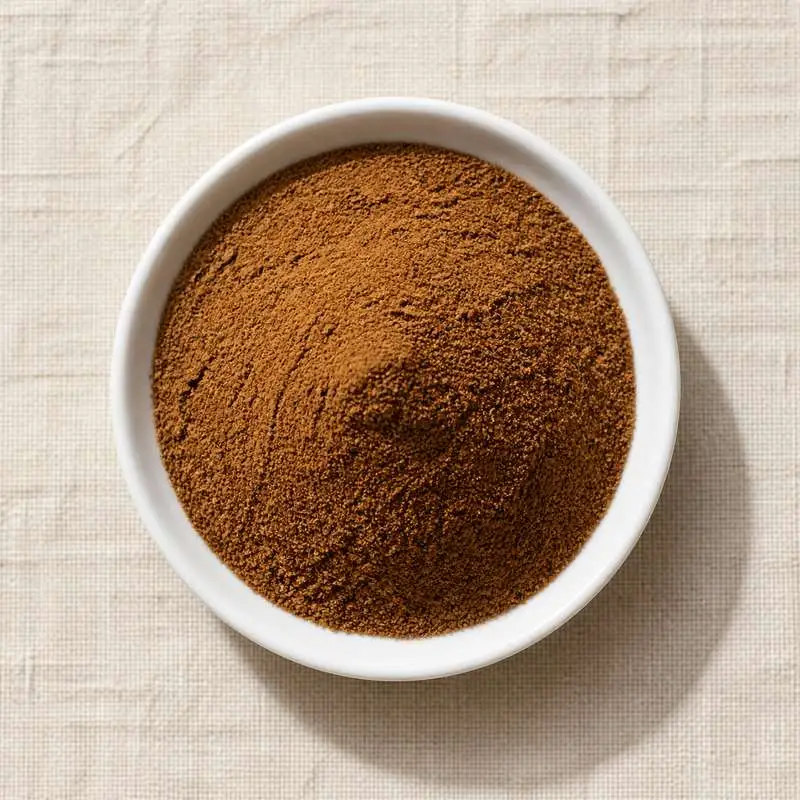
| Appearance | Light yellow to greenish-brown free-flowing powder; oil-soluble grades pale green to amber |
| Botanical Source | Rosmarinus officinalis L. leaf |
| Carnosic Acid (HPLC) | ≥ 4.0%, standardised 4 to 25% by grade |
| Total Phenolic Diterpenes (carnosic acid plus carnosol, HPLC) | ≥ 5.0%, oil-soluble grades at 5% and 10% |
| Rosmarinic Acid (HPLC) | ≥ 5.0%, water-soluble grades 5 to 20% |
| Carrier | Maltodextrin or modified starch for powders; sunflower oil or medium-chain triglyceride for oil-soluble grades |
| Extraction Solvent | Ethanol or acetone, removed to specification |
| Loss on Drying | ≤ 5.0% |
| Total Ash | ≤ 5.0% |
| Particle Size | 100% through 80 mesh |
| Residual Solvent (Acetone) | ≤ 500 mg/kg |
| Heavy Metals (as Pb) | ≤ 2 mg/kg |
| Total Plate Count | ≤ 1,000 cfu/g |
| Yeast and Mould | ≤ 100 cfu/g |
| Salmonella | Negative/25g |
Common Markets Grades
Rosemary Extract is graded by carnosic acid content and by carrier system.
Oil-soluble grades standardised to 5 percent or 10 percent total carnosic acid plus carnosol are the standard formats for frying oils, fish oil, and meat fats. They are typically dispersed in sunflower oil or medium-chain triglyceride.
Powder grades carried on maltodextrin or modified starch deliver 4 to 25 percent carnosic acid and are designed for dry seasoning blends, snack coatings, and bakery premixes.
Water-soluble grades standardised to 5 to 20 percent rosmarinic acid are produced for clear beverage applications, sauces, and supplement liquids. These grades are often deodorised to remove the camphoraceous note of rosemary leaf.
Supplement-grade powders typically declare both carnosic acid (10 to 25 percent) and rosmarinic acid (5 to 10 percent) and may be packed in dark amber glass to limit photodegradation during storage.
Applications
- Vegetable oils, frying oils, and shortenings where it slows the onset of rancidity
- Fish oil and omega-3 concentrates, both bulk and encapsulated, to protect long-chain polyunsaturated fatty acids
- Cured meats, sausages, pâtés, and fresh ground beef as a natural alternative to BHA and BHT
- Poultry marinades and processed chicken products to extend refrigerated shelf life
- Salad dressings, mayonnaise, and emulsified sauces for oxidative stability
- Snack foods including potato chips, nuts, and fried savory items
- Bakery shortenings, biscuit dough, and laminated pastry fats
- Pet food kibble and treats as an oxidation inhibitor for animal fat coatings
- Dietary supplements positioned for memory, focus, and cardiovascular support
- Herbal liquid tinctures and functional beverage shots
- Cosmetic emulsions, lip balms, and natural skincare for both preservation and active claims
- Essential oil blends and aromatherapy carriers where it stabilises the lipid base
Brands Using Rosemary Extract
Widely-distributed consumer products that list Rosemary Extract on the ingredient label.
- ApplegateApplegate Naturals Oven Roasted Turkey Breast Deli Meat ↗Applegate Naturals deli turkey breast products list rosemary extract on the ingredient panel as a natural antioxidant/preservative, keeping the meat clean-label without synthetic preservatives.Label verified 2026-05-24
- ApplegateOrganic Herb Turkey Breast Deli Meat ↗Applegate's Organic Herb Turkey Breast also lists rosemary extract on the ingredient panel, used as a natural antioxidant to protect flavour and shelf life in this organic deli meat.Label verified 2026-05-24
- Annie's HomegrownOrganic Honey Graham Crackers ↗Annie's Homegrown Organic Honey Graham Crackers list 'Organic Rosemary Extract (to protect flavour)' on the ingredient panel, used as a natural antioxidant in lieu of synthetic preservatives.Label verified 2026-05-24
- TysonTyson Plant Based Nuggets ↗Tyson Plant Based Nuggets list rosemary extract on the ingredient panel, included as a natural antioxidant (carnosic acid-rich Rosmarinus officinalis extract) to retard lipid oxidation.Label verified 2026-05-24
- McDonald'sChicken McNuggets ↗McDonald's Chicken McNuggets ingredient panel includes 'extractives of rosemary' as a natural antioxidant added to the seasoning/oil, the classic large-scale food-service use of rosemary extract for oxidation control.Label verified 2026-05-24
- Amy's KitchenAmy's organic frozen entrees (rosemary-extract preserved) ↗Amy's Kitchen avoids synthetic preservatives in its organic frozen meals and uses natural alternatives including rosemary extract (alongside vinegar, salt and celery juice) to protect against oxidation.Label verified 2026-05-24
Brand names, product names and logos are the property of their owners. They appear here as published evidence that the ingredient is used, taken from the brand's own label or website. Their appearance is not an endorsement, and it does not mean the brand buys from us or from any manufacturer listed on this site.
China Manufacturers of Rosemary Extract
Top Rosemary Extract manufacturers in China.
 Chenguang Biotech Group Co., Ltd.12 ingredients in the directory
 Guangzhou Honsea Sunshine Biotech Co., Ltd.20 ingredients in the directory
- Henan Jianyuan Rosemary Products Co., Ltd.7 ingredients in the directory
 Hunan Health-Guard Bio-tech Inc.9 ingredients in the directory
- L&P Food Ingredient Co., Ltd.9 ingredients in the directory
Company names and logos are the property of the manufacturers themselves. They are listed here because our own directory records them as producing this ingredient. A listing is not an endorsement by them, and we do not represent them or speak on their behalf.
How We Help Source Rosemary Extract
Direct Factory Sourcing
We run the whole process: selecting the manufacturer from the top Chinese food ingredient producers, negotiating the price, verifying quality, and coordinating the logistics. You deal with us instead of with several factories at once.
Original Packaging and Documents from the Manufacturer
The manufacturer sends your Rosemary Extract out of its own factory in the original packing, through to your destination port. The COA, COO, MSDS, TDS and any certifications reach you from the manufacturer as well.
Free Samples and Lead Time
We send 100 to 500 g free for your own laboratory to test and you cover only the courier, usually within 2 to 3 working days. ETD is usually within 7 to 15 days once the order is confirmed, and we check that date against the factory's own manufacturing schedule before we give it to you.
Combined Shipment
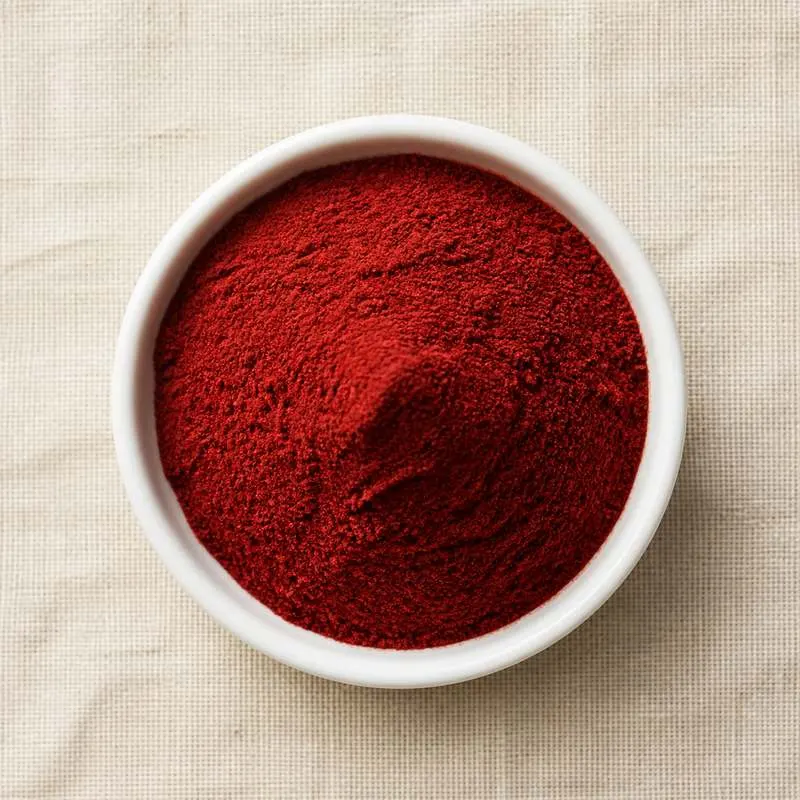
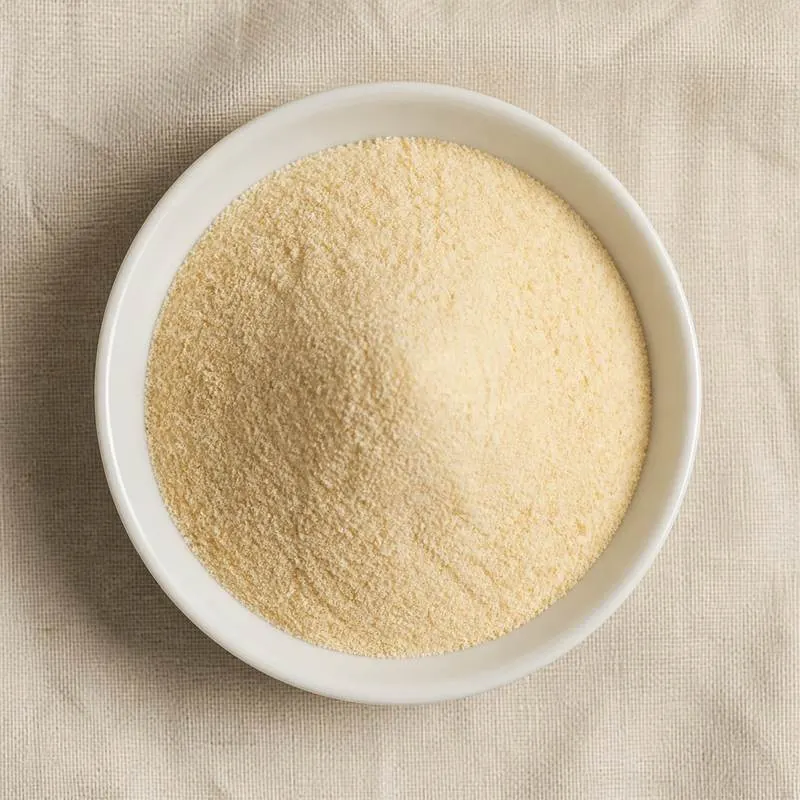
We can load Rosemary Extract together with other ingredients such as Astaxanthin, Dehydrated Garlic and Lutein into one 20' FCL. If your quantity is small, we can also ship LCL.
Regulatory Status
Rosemary Extract carries the European food additive number E392 and is authorised as an antioxidant under Commission Regulation (EU) No 1129/2011. The EFSA evaluation of 2008 set the basis for its current use in vegetable oils, animal fats, fish products, meat preparations, and seasonings.
In the United States the substance holds GRAS status for use as a natural antioxidant. Several supplier-specific GRAS notifications have been filed with the FDA without objection.
JECFA has reviewed rosemary extract and concluded it is acceptable as an antioxidant without numerical limits, given its long history of dietary use.
The Council of Europe lists rosemary leaf as a permitted source of flavouring, and the substance qualifies for clean-label and organic positioning when the extraction solvent and carrier match the relevant certification body's requirements.
Manufacturing Process
Production begins with dried rosemary leaf, sourced mainly from Morocco, Tunisia, Spain, and parts of southern China.
The leaf is milled and then solvent extracted. Acetone and ethanol are the most common food-grade solvents. Supercritical carbon dioxide is used by a smaller set of producers and yields a crude extract free of residual solvent and with a cleaner sensory profile.
The crude extract is then deodorised and decolorised through a sequence of activated carbon treatment, molecular distillation, or selective liquid-liquid partitioning. These steps remove chlorophyll, volatile essential oils, and bitter notes while concentrating the diterpene phenolics.
The purified extract is then standardised by blending with a carrier matched to the target application. Oil-soluble standardisation uses sunflower or MCT oil. Water-soluble standardisation uses propylene glycol, glycerol, or spray-dried maltodextrin.
Final material is assayed by HPLC against carnosic acid, carnosol, and rosmarinic acid reference standards.