Fresh Rattan Pepper Oleoresin
Fresh Rattan Pepper Oleoresin is a concentrated extract of the fresh green fruit of Zanthoxylum armatum, the tree known in Chinese cooking as teng jiao or rattan pepper, a close relative of the red Sichuan pepper Zanthoxylum bungeanum. The extract carries two separate active fractions. The volatile oil, dominated by linalool with limonene, sabinene and beta myrcene, gives the bright citrus and pine aroma that distinguishes rattan pepper from the woodier red type. The non volatile alkylamide fraction, principally hydroxy alpha sanshool and hydroxy beta sanshool, produces the tingling numbing sensation known as ma, which is a trigeminal effect rather than a taste.
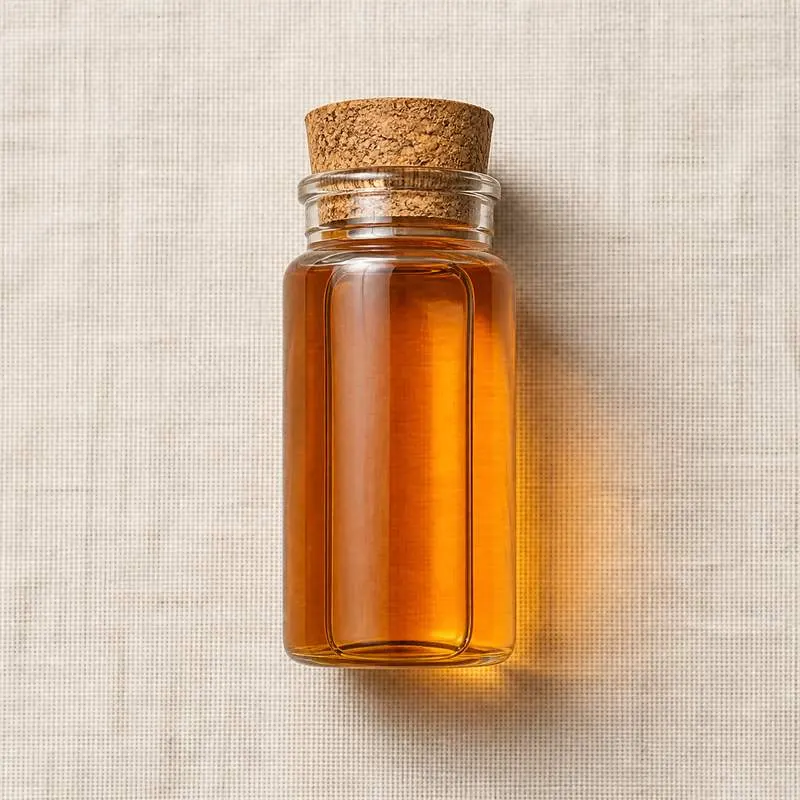
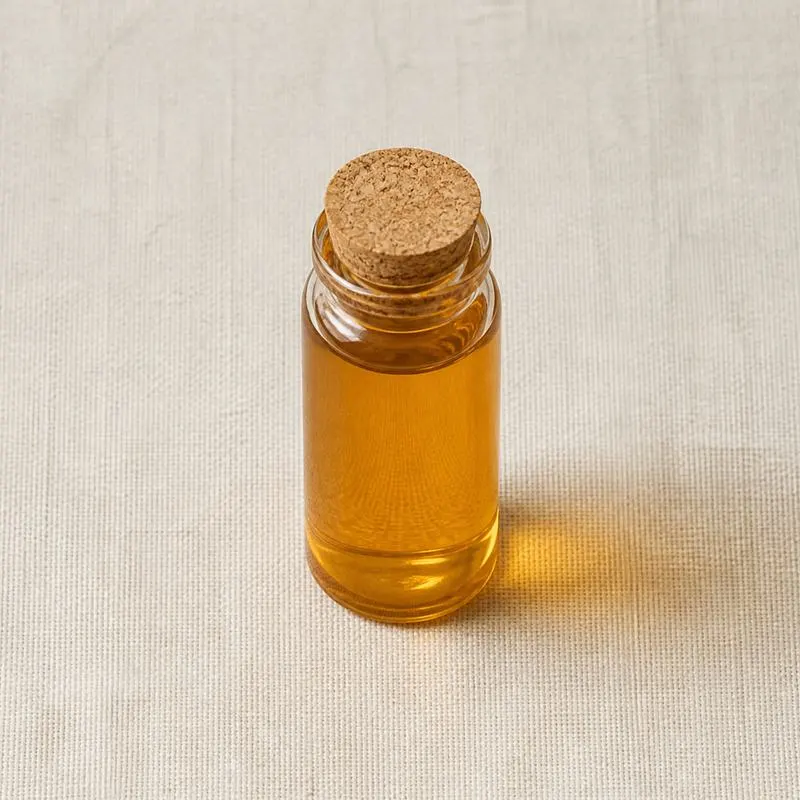
It is a clear to slightly hazy green yellow oily liquid, oil soluble and only marginally dispersible in water without an emulsifier. Both active fractions are unstable in different ways. The linalool rich volatile fraction is lost on open heating, while the sanshools degrade under prolonged heat, light and oxygen, losing tingling potency. Material is therefore packed in light shielded containers under nitrogen and stored cool.
We source bulk Fresh Rattan Pepper Oleoresin from top China manufacturers for our partners. The manufacturer is in Hebei. A smaller requirement can ship in a combined container with other ingredients.
Please send the grade you need, the volume and your destination port, and we will come back with a solution and a price.
or call +86-21-6858 0751
- Function
- Flavours and Aromas
Specifications
| Item | Specification |
|---|---|
| Appearance | Clear to slightly hazy green yellow oily liquid |
| Odour | Characteristic fresh rattan pepper, citrus and pine |
| Volatile Oil Content | Not less than 20.0 percent |
| Linalool in Volatile Fraction | Not less than 50.0 percent |
| Total Sanshool Alkylamides | Not less than 3.0 percent |
| Relative Density at 25 degrees Celsius | 0.870 to 0.940 |
| Refractive Index at 20 degrees Celsius | 1.470 to 1.500 |
| Moisture | Not more than 1.0 percent |
| Residual Solvent | Not more than 25 mg per kg |
| Lead | Not more than 2.0 mg per kg |
| Arsenic | Not more than 1.0 mg per kg |
| Total Plate Count | Not more than 1000 cfu per gram |
| Yeast and Mould | Not more than 50 cfu per gram |
| Salmonella | Absent in 25 g |
Common Markets Grades
Grades are defined by the two actives independently. Volatile oil content, and within that the linalool percentage, sets the aroma strength and is the figure quoted for grades intended to give fresh green pepper character. Total sanshool or total alkylamide content, sometimes quoted as a tingling intensity index against a reference sample, sets the numbing strength and is the figure quoted for grades intended to deliver mouthfeel.
Beyond that, buyers distinguish carbon dioxide extracted grades, which retain the fresh top note and carry no solvent residue, from solvent extracted grades, which are cheaper and heavier in the alkylamide fraction, and from grades that are simply the essential oil recovered by steam distillation and therefore contain aroma but almost no tingling activity. Diluted forms standardised in refined vegetable oil are stocked at fixed strengths for direct dosing, and spray dried and emulsified versions are available where a water dispersible product is needed.
Applications
- Hot pot bases, where it supplies the numbing ma component alongside chilli heat
- Rattan pepper flavoured chicken and fish dishes in the chilled ready meal category
- Seasoning oils for cold noodle and dressing applications, where no cooking step will strip the aroma
- Instant noodle oil sachets, added after the oil has cooled to preserve the volatile fraction
- Snack seasoning for extruded corn snacks and nuts in numbing spicy variants
- Marinades and braising liquors for pot stewed poultry and offal
- Sausage and processed meat in Sichuan style variants, where the tingling note carries through the fat phase
- Prepared sauces and stir fry pastes, dosed at the end of the cook
- Condiment oils sold to catering as a standardised replacement for infusing fresh peppercorn
- Beverage and confectionery applications where a controlled tingling mouthfeel is the effect wanted
China Manufacturers of Fresh Rattan Pepper Oleoresin
Top Fresh Rattan Pepper Oleoresin manufacturers in China.
Company names and logos are the property of the manufacturers themselves. They are listed here because our own directory records them as producing this ingredient. A listing is not an endorsement by them, and we do not represent them or speak on their behalf.
Regulatory Status
In the United States Zanthoxylum species are used as spices, and 21 CFR 182.20 lists their essential oils, oleoresins and natural extractives among the substances generally recognised as safe for flavouring use. A preparation of this type is declared as a spice extractive or as natural flavour under 21 CFR 101.22 depending on how it is used. Where carbon dioxide is the extraction medium there is no solvent residue to declare; where a hydrocarbon or alcohol solvent is used, residual solvent limits under the applicable food additive rules apply.
In the European Union the material is a flavouring preparation within the meaning of Regulation (EC) No 1334/2008, obtained from a food source by a physical process, and may be labelled as a natural flavouring where it meets the conditions in that regulation. A separate directive governs the extraction solvents used in the production of foodstuffs. Codex has adopted general guidelines for the use of flavourings, and the Sichuan pepper alkylamides have been considered within the wider JECFA work on flavouring substances. Contaminant limits for pesticide residues in spices apply to the raw fruit in both jurisdictions.
Manufacturing Process
Fresh green fruit is harvested at the immature stage, when the sanshool content is highest and the pericarp has not yet split, and is chilled or frozen quickly because the volatile fraction and the alkylamides both fall away as the fruit dries. The fruit is cleaned to remove leaf, stem and thorn, then either used fresh or gently dried under low temperature to a moisture level that permits milling without heat damage.
Extraction follows one of two routes. Supercritical carbon dioxide extraction runs the milled material against carbon dioxide at controlled pressure and temperature, with the pressure dropped across a separator to precipitate the extract and the carbon dioxide recycled, which recovers both the aroma and the alkylamide fraction without solvent residue. Solvent extraction instead percolates ethanol or a food grade hydrocarbon through the milled fruit, and the miscella is stripped of solvent in a falling film evaporator under vacuum. In either case the crude oleoresin is filtered, standardised on volatile oil and sanshool content by blending with refined vegetable oil against a reference sample, and filled under nitrogen into light shielded containers.