Gamma-Decalactone
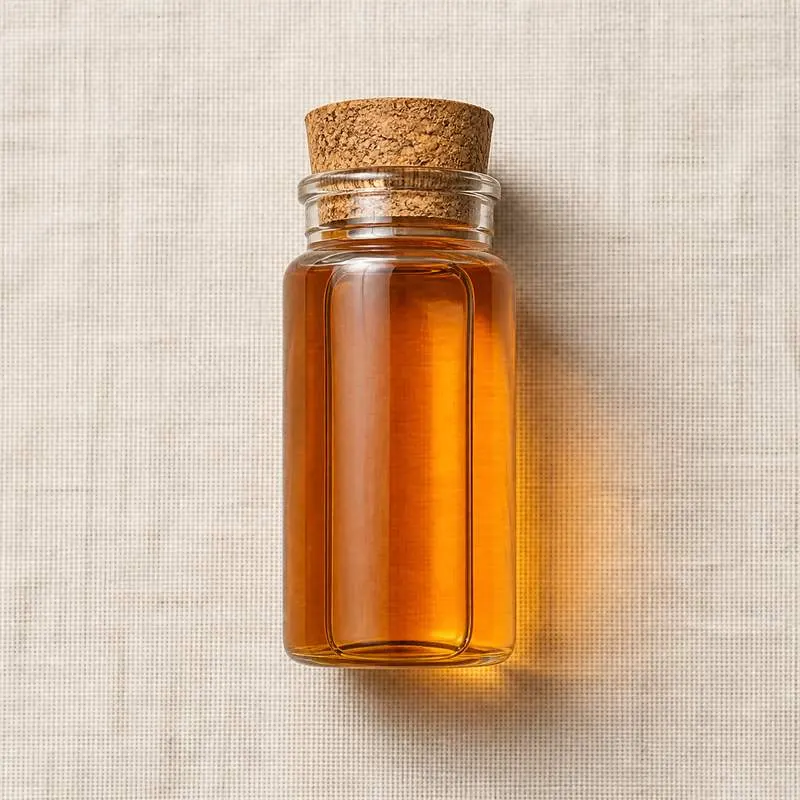
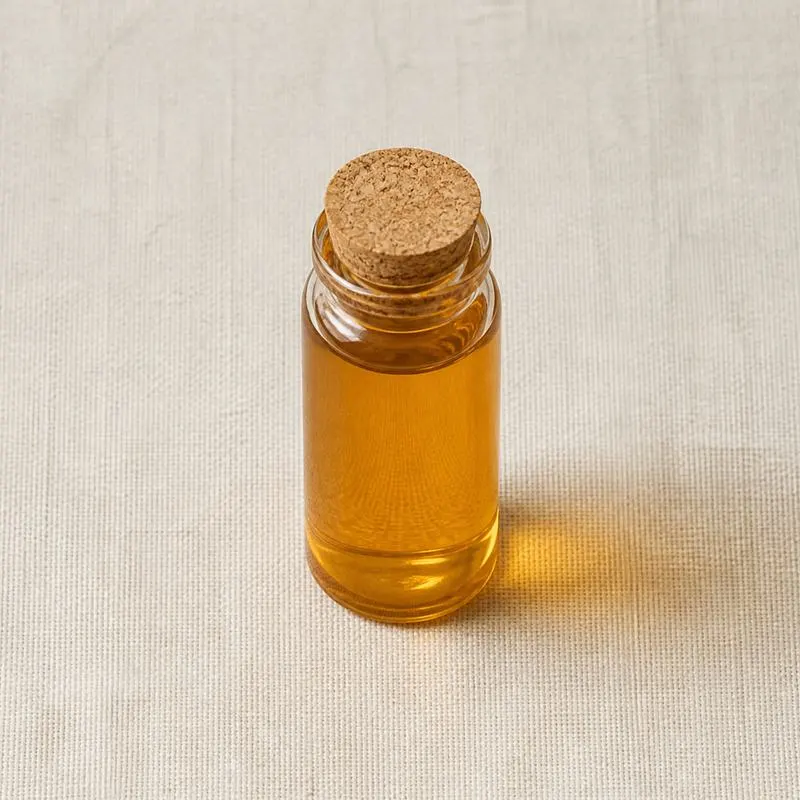
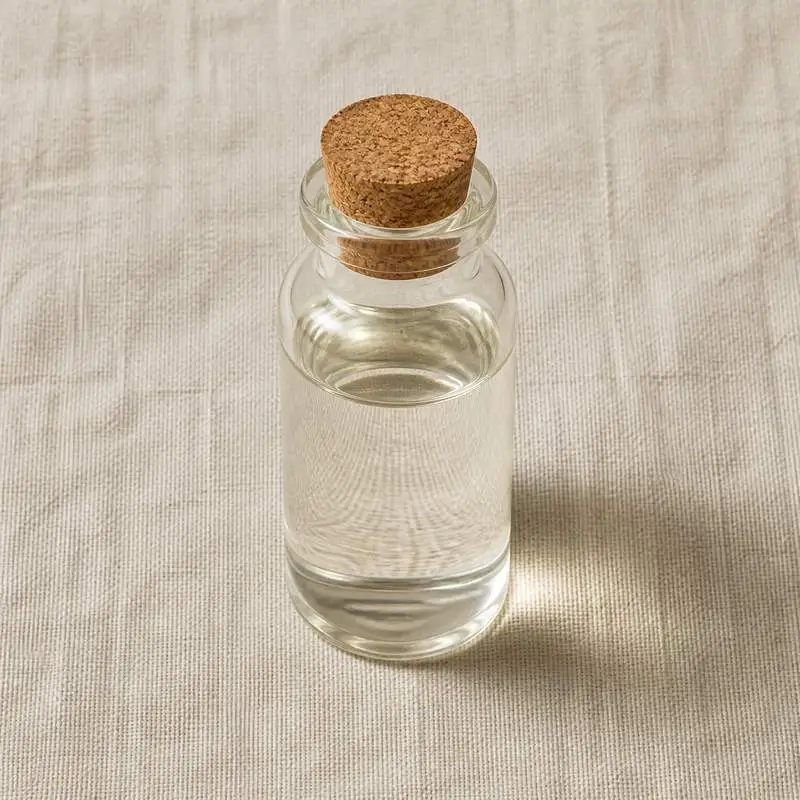
Gamma-Decalactone is a colourless to pale yellow oily liquid with a rich, creamy, fruity aroma dominated by ripe peach and apricot, with secondary notes of coconut and dairy fat.
The compound has the molecular formula C₁₀H₁₈O₂ and CAS number 706-14-9. It is a five-membered lactone formed by intramolecular esterification of 4-hydroxydecanoic acid, and it ranks as one of the most important peach and stone-fruit character ingredients in the flavour industry.
We source bulk Gamma-Decalactone from top China manufacturers for our partners. The manufacturers are in Beijing and Jiangsu. A smaller requirement can ship in a combined container with other ingredients.
Please send the grade you need, the volume and your destination port, and we will come back with a solution and a price.
or call +86-21-6858 0751
- Packaging
- 250 kg plastic drum or 1,000 kg IBC tote
- ISO 9001
- HACCP
- Halal
- Kosher
Specifications
| Item | Specification |
|---|---|
| Appearance | Colourless to pale yellow oily liquid |
| Odour | Rich creamy peach and apricot, with coconut and dairy nuance |
| Identification | Conforms to FCC; infrared and GC-MS spectra consistent with the reference |
| Assay (GC-FID) | ≥ 98.0% |
| Specific Gravity (20 °C) | 0.948 - 0.960 |
| Refractive Index (20 °C) | 1.449 - 1.454 |
| Optical Rotation (20 °C) | -1° to +1° (racemic synthetic grade) |
| Acid Value | ≤ 1.0 mg KOH/g |
| Colour (Pt-Co, APHA) | ≤ 30 |
| Water (Karl Fischer) | ≤ 0.5% |
| Solubility in Ethanol (20 °C) | Soluble in 1 volume of 95% ethanol, clear |
| Solubility in Water | Practically insoluble |
| Heavy Metals (as Pb) | ≤ 10 mg/kg |
| Arsenic | ≤ 1 mg/kg |
| Shelf Life | 24 months in original sealed container |
Common Markets Grades
Gamma-Decalactone trades in three principal qualities.
The nature-identical synthetic grade carries a minimum assay of 98 percent and meets the Food Chemicals Codex monograph. Specifications include acid value, refractive index, optical rotation (where the racemic mix is produced), and colour in APHA units.
The natural grade, produced by fermentation, runs at a minimum 97 percent assay and carries a natural label under U.S. and EU flavour regulations. This grade is dominantly the (R)-enantiomer, which matches the form found in nature and has a cleaner peach character.
A premium aroma-extract grade is produced for high-end perfumery applications at 99 percent assay with very tight colour and optical-rotation specifications.
Applications
- Peach flavour systems as the primary character impact lactone
- Apricot, nectarine, and other stone-fruit accords
- Mango, papaya, and tropical fruit compositions for a creamy fruit base
- Strawberry and red-berry flavours as a ripe, jammy modifier
- Coconut and cream accords as a fatty rounding note
- Dairy flavours including butter, cream, milk, and cheese reconstructions
- Bakery applications for fruit fillings, pastry creams, and custards
- Ice cream, sorbet, and frozen dessert flavour systems
- Yogurt and cultured dairy fruit flavours
- Beverage applications including peach-tea, peach-soda, and stone-fruit nectars
- Fine fragrance and personal care for fruity, creamy, and skin-musk accords
- Cosmetic formulations including body lotion, perfume, and shampoo
China Manufacturers of Gamma-Decalactone
Top Gamma-Decalactone manufacturers in China.
 Beijing Zoteq Co., Ltd.10 ingredients in the directory
 Wanxiang Technology Group Co., Ltd.7 ingredients in the directory
Company names and logos are the property of the manufacturers themselves. They are listed here because our own directory records them as producing this ingredient. A listing is not an endorsement by them, and we do not represent them or speak on their behalf.
How We Help Source Gamma-Decalactone
Direct Factory Sourcing
We run the whole process: selecting the manufacturer from the top Chinese food ingredient producers, negotiating the price, verifying quality, and coordinating the logistics. You deal with us instead of with several factories at once.
Original Packaging and Documents from the Manufacturer
The manufacturer sends your Gamma-Decalactone out of its own factory in the original packing, through to your destination port. The COA, COO, MSDS, TDS and any certifications reach you from the manufacturer as well.
Free Samples and Lead Time
We send 100 to 500 g free for your own laboratory to test and you cover only the courier, usually within 2 to 3 working days. ETD is usually within 7 to 15 days once the order is confirmed, and we check that date against the factory's own manufacturing schedule before we give it to you.
Combined Shipment
We can load Gamma-Decalactone together with other ingredients such as Capsicum Oleoresin, Ethyl Maltol and White Pepper into one 20' FCL. If your quantity is small, we can also ship LCL.
Regulatory Status
Gamma-Decalactone is approved as a flavouring substance worldwide.
FEMA has assigned GRAS number 2360 for use as a flavour in food. The U.S. Food and Drug Administration permits both synthetic and natural forms, with the natural form recognised under 21 CFR 101.22 and the synthetic form under 21 CFR 172.515.
The European Food Safety Authority evaluated the molecule as part of flavouring group FGE.10 and concluded that no safety concern arises at current dietary exposure levels. It carries FL number 10.011 in the Union list of flavourings.
JECFA reviewed the lactone group and raised no objection at typical use levels. The Council of Europe lists the substance under number 226.
Japan and Korea permit the substance under their respective flavour regulations. Reference standards are stocked by the principal analytical suppliers.
Manufacturing Process
Two industrial routes account for nearly all global supply.
The synthetic route starts from 1-decene or from 2-decenoic acid. Hydration or hydrocarboxylation gives 4-hydroxydecanoic acid, which cyclizes spontaneously under mild acid catalysis to the gamma-lactone on distillation. This route yields the racemic mixture.
The dominant modern route is microbial fermentation. The yeast Yarrowia lipolytica and certain Sporidiobolus strains carry out beta-oxidation of ricinoleic acid, derived from castor oil, to produce 4-hydroxydecanoic acid as a key intermediate. The acid lactonizes to gamma-decalactone, which is recovered by solvent extraction or steam distillation.
The fermentation route produces almost exclusively the (R)-enantiomer, which matches the natural occurrence in peach. The product qualifies as natural under U.S. 21 CFR 101.22 and EU Regulation 1334/2008.
Major producers include IFF, Robertet, BASF, Symrise, and several Chinese fermentation specialists. The natural fermentation grade has grown into the volume leader as natural-flavour demand has expanded.