Aged Hot Pot Flavored Oily Flavoring Essence
Aged hot pot flavoured oily flavouring essence is an oil based compound flavouring that reproduces the aroma of a long simmered Chongqing style hot pot base. It belongs to the Chinese seasoning trade rather than to the international flavour catalogue, and it exists because the character of a traditional base comes from beef tallow that has been fried with chili, Sichuan pepper, fermented bean paste and a spice blend and then held. That process is too slow and too variable to run inside a food factory.
The profile it carries has three layers. Fried chili and Sichuan pepper give the pungent and numbing top, the spice blend of star anise, cassia, fennel, bay and cardamom gives the warm middle, and rendered beef tallow together with fermented bean and reaction flavour components gives the heavy savoury base that the word aged refers to. The numbing sensation depends on the sanshools of the Sichuan pepper, which are not volatile and only transfer into a fat carrier, so the product has to be oil based rather than aqueous.
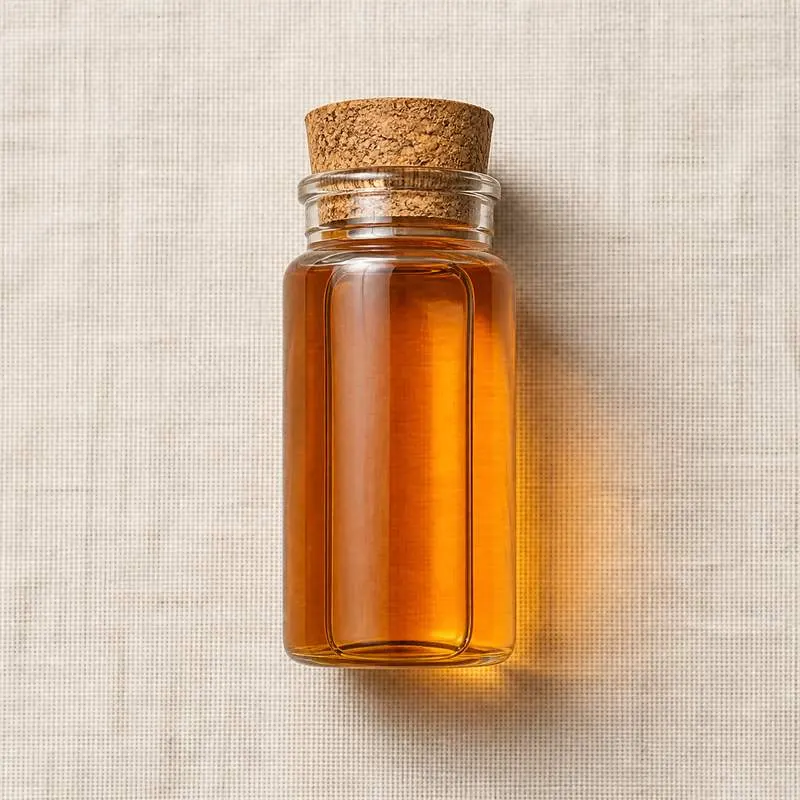
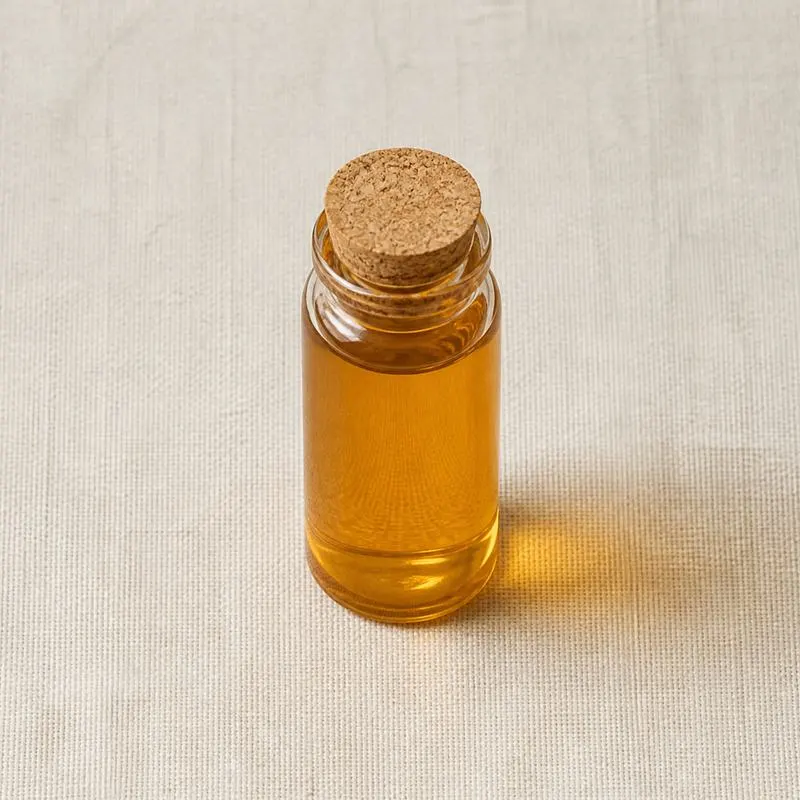
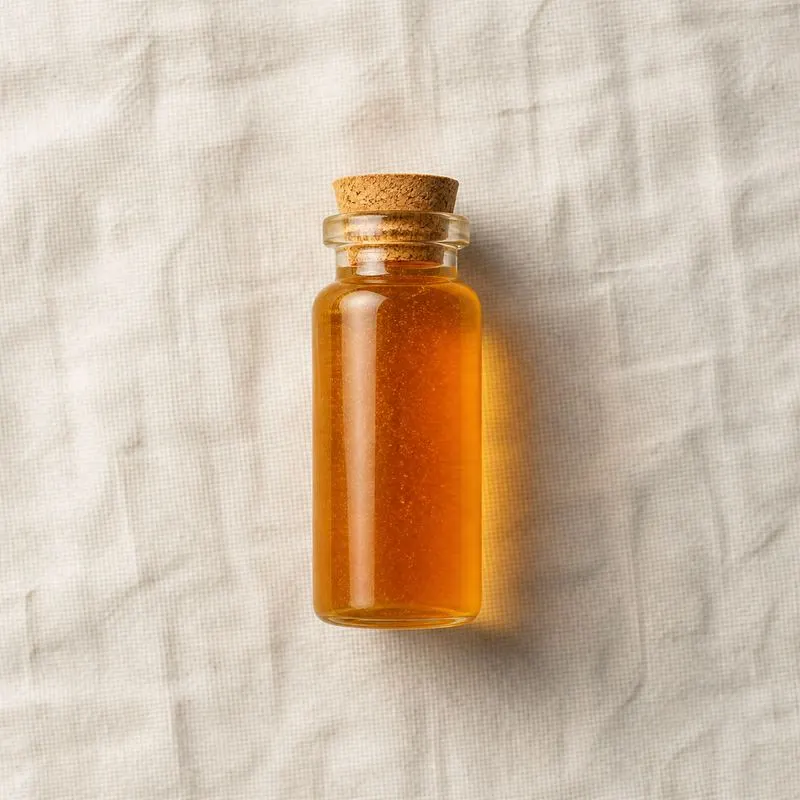
It is a viscous reddish brown oil, sometimes semi solid at room temperature where beef tallow is the carrier, and is dosed at a fraction of a percent into a base or a sauce.
We source bulk Aged Hot Pot Flavored Oily Flavoring Essence from top China manufacturers for our partners. The manufacturer is in Sichuan. A smaller requirement can ship in a combined container with other ingredients.
Please send the grade you need, the volume and your destination port, and we will come back with a solution and a price.
or call +86-21-6858 0751
- Function
- Flavours and Aromas
Specifications
| Item | Specification |
|---|---|
| Appearance | Reddish brown viscous oil, semi solid at 20 C for tallow based grades |
| Odour and Taste | Characteristic aged hot pot, spicy and numbing, no rancid or scorched note |
| Acid Value | Not more than 1.0 mg KOH per g |
| Peroxide Value | Not more than 5.0 meq per kg |
| Moisture and Volatile Matter | Not more than 0.20% |
| Insoluble Impurities | Not more than 0.10% |
| Capsaicin Content | Not less than 0.02% |
| Hydroxy Alpha Sanshool | Not less than 0.05% |
| Benzo[a]pyrene | Not more than 2.0 ug/kg |
| Aflatoxin B1 | Not more than 5 ug/kg |
| Lead | Not more than 0.1 mg/kg |
| Arsenic | Not more than 0.1 mg/kg |
Common Markets Grades
Grades are described by carrier and by profile. Beef tallow based grades give the most authentic character and set solid or semi solid at ambient temperature, while vegetable oil based grades stay pourable, handle more easily on a dosing line and can be declared as a vegetarian composition. Blended carriers sit between the two.
Profile is quoted as a direction rather than as an assay: aged or old oil style, clear oil style, spicy and numbing balance, and butter fragrance variants. Strength is expressed as a recommended dosage rate in grams per kilogram of finished base. Further distinctions cover whether the product contains visible spice or chili particles, whether a reaction flavour and enhancer fraction is included or the buyer adds their own, and whether an antioxidant has been used to protect the fat phase.
Applications
- Hot pot base manufacture, dosed into the fried base to standardise a profile that varies batch to batch
- Retail hot pot base blocks and sachets, giving an aged character without a long holding period
- Dry pot, spicy braise and skewer dishes prepared in central kitchens
- Instant noodle seasoning oil sachets in spicy and numbing variants
- Prepared and frozen ready meals in the Sichuan and Chongqing direction
- Dipping sauces and compound seasoning sauces built on a fat carrier
- Savoury snack seasonings, after the oil is spray dried onto a starch carrier
- Marinades and coatings for meat and offal, where the oil phase carries flavour onto the surface
- Foodservice sauce bases sold to restaurant chains that need a fixed heat and numbing level
China Manufacturers of Aged Hot Pot Flavored Oily Flavoring Essence
Top Aged Hot Pot Flavored Oily Flavoring Essence manufacturers in China.

Company names and logos are the property of the manufacturers themselves. They are listed here because our own directory records them as producing this ingredient. A listing is not an endorsement by them, and we do not represent them or speak on their behalf.
Regulatory Status
The product is a flavouring rather than a food additive, so it carries no E number of its own. In the European Union the spice and chili fried oil fraction qualifies as a flavouring preparation obtained from food by physical processes, any reaction component is a thermal process flavouring subject to the conditions set by the flavourings framework, and every individual flavouring substance in the blend must appear on the Union list of authorised flavouring substances. The base fat must meet the standards for edible fats and oils, and any antioxidant used is a regulated additive that must be declared.
In the United States the spice and chili derived materials fall among the spices, essential oils and natural extractives recognised as generally recognised as safe, and the added flavouring substances are cleared through the FEMA GRAS programme. Manufacture falls under preventive controls for processed foods. Where beef tallow is used the product contains a meat derived ingredient, which brings it within Department of Agriculture jurisdiction as well, and the mycotoxin controls that apply to dried chili and spices carry through into the finished oil.
Manufacturing Process
Production begins as a cooking operation. Beef tallow or vegetable oil is heated in a jacketed fryer and chili, Sichuan pepper, ginger, garlic, onion, fermented broad bean paste and a whole spice blend are added in stages against a controlled temperature curve, so that moisture is driven off before browning begins and the delicate aromatics go in late. Frying is the step in which most of the character is created, and both the sanshools of the Sichuan pepper and the capsaicin of the chili transfer into the fat during it.
The fried mass is held to allow the flavour to develop, then separated from the solids on a screen and clarified by filtration or centrifugation. The clarified oil is blended with a thermal process reaction flavour, spice oleoresins and individual aroma chemicals to bring it onto the target profile and to compensate for the batch to batch variation of the agricultural raw materials. An antioxidant is added where the grade allows, and the finished essence is standardised for strength, checked against a retained sensory reference, and filled hot or warm into lined drums or pails under nitrogen.