Capsaicin
Capsaicin is an alkylamide with the molecular formula C18H27NO3 and a molar mass of 305.41, systematically 8 methyl N vanillyl trans 6 nonenamide. It is the main pungent compound of chilli peppers, produced in the placental tissue of fruit of the genus Capsicum, and it is the reference compound against which the heat of all other capsaicinoids is measured.
Its effect is not a taste. Capsaicin binds the transient receptor potential vanilloid 1 channel on sensory nerve endings, the same receptor activated by painful heat, which is why the sensation is described as burning rather than as a flavour and why it registers on the skin and mucous membranes as readily as on the tongue.
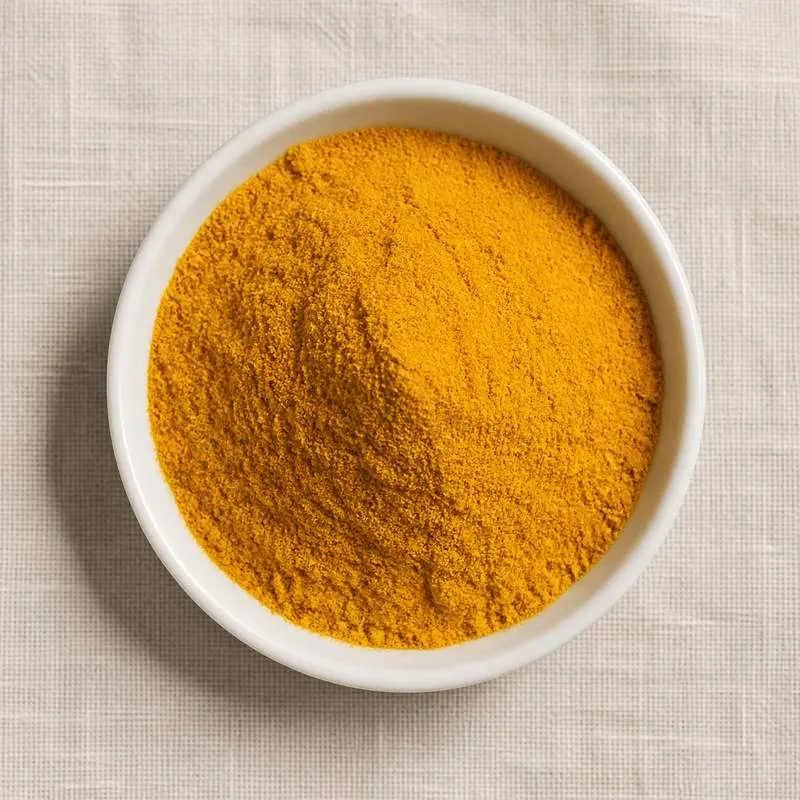
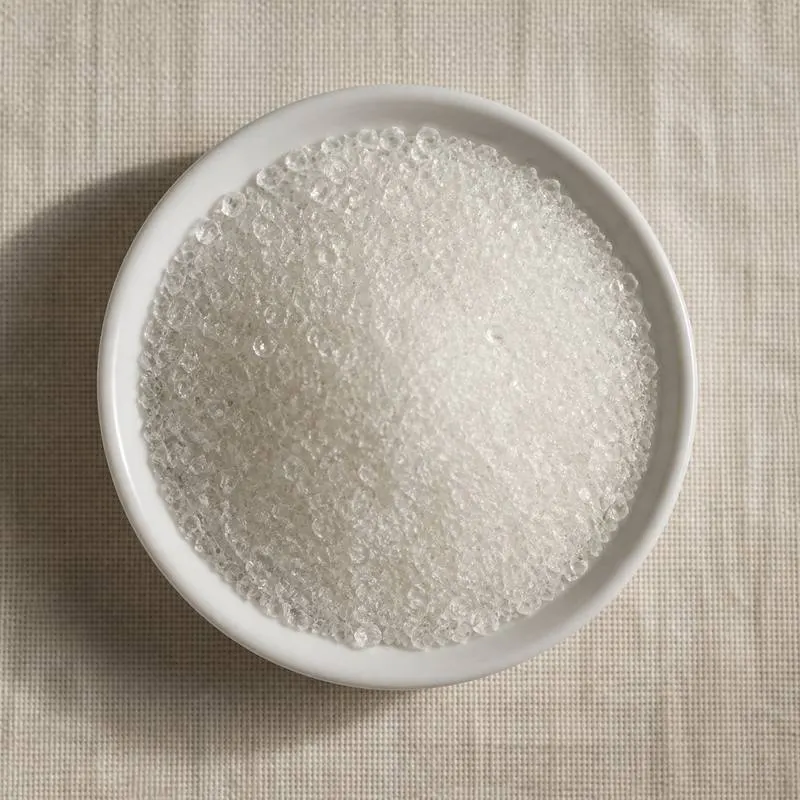
The pure compound is a white to off white crystalline powder with a melting point around 62 to 65 degrees Celsius and almost no odour, though it is intensely irritant as a dust and is handled in contained equipment with respiratory protection. It is practically insoluble in cold water and freely soluble in ethanol, acetone, edible oils and alkaline solutions, so it is dosed into a fat phase, dissolved in ethanol, or bought as an emulsion or a carrier dispersion for aqueous systems. It is stable to heat and to acid and does not break down noticeably through normal cooking or retorting, which is why chilli heat survives processing.
We source bulk Capsaicin from top China manufacturers for our partners. The manufacturer is in Guangdong. A smaller requirement can ship in a combined container with other ingredients.
Please send the grade you need, the volume and your destination port, and we will come back with a solution and a price.
or call +86-21-6858 0751
- Function
- Plant extract
Specifications
| Item | Specification |
|---|---|
| Appearance | White to off white crystalline powder |
| Chemical Name | 8-Methyl-N-vanillyl-trans-6-nonenamide |
| Identification | HPLC retention and infrared spectrum match reference standard |
| Assay | ≥ 95.0% total capsaicinoids (HPLC) |
| Capsaicin | ≥ 65.0% of total capsaicinoids |
| Dihydrocapsaicin | ≤ 35.0% of total capsaicinoids |
| Melting Range | 62 °C to 66 °C |
| Loss on Drying | ≤ 1.0% |
| Residue on Ignition | ≤ 0.5% |
| Residual Ethanol | ≤ 0.5% |
| Residual Acetone | ≤ 0.5% |
| Heavy Metals (as Pb) | ≤ 10 mg/kg |
| Lead | ≤ 2.0 mg/kg |
| Arsenic | ≤ 1.0 mg/kg |
| Total Plate Count | ≤ 1,000 cfu/g |
| Yeast and Mould | ≤ 100 cfu/g |
| Salmonella | Negative in 25 g |
Common Markets Grades
Purity by HPLC defines the grades. Material at 95 percent is the standard commercial item and is in practice a capsaicinoid mixture in which capsaicin is the main component, while 98 and 99 percent grades are used for pharmaceutical and analytical work and are quoted against a limit on dihydrocapsaicin and the minor capsaicinoids. Natural material derived from Capsicum fruit and synthetic material of identical structure are both traded, and the specification states which, since the two carry different residual profiles and different labelling consequences.
Below the purified compound sits capsicum oleoresin standardised on capsaicinoid content and quoted in Scoville heat units, from a few hundred thousand up to several million, which is the form most food manufacturers actually buy. Dispersed presentations are separate items, including capsaicin on a salt or maltodextrin carrier, ethanol solutions at defined strength, and water dispersible emulsions. Pharmaceutical grade material for topical preparations carries a tighter impurity and residual solvent specification than the food and nutraceutical grades.
Applications
- Hot sauces and chilli condiments, where a small addition standardises heat between batches of variable fresh chilli
- Snack seasonings, dispersed on salt or maltodextrin so the pungency distributes evenly at very low dose
- Instant noodle and soup sachets, delivering a defined heat level from a fraction of a gram
- Processed meat and marinades, using a water dispersible emulsion so the heat reaches the product surface uniformly
- Weight management and thermogenic supplements, usually as an encapsulated or beadlet form to limit gastric irritation
- Topical analgesic creams, patches and gels applied over muscles and joints
- Pharmaceutical dermal patches, for which the highest purity grade is required
- Animal and pest deterrent products, including seed coatings and rodent repellent formulations
- Analytical reference material for measuring pungency in chilli and oleoresin
Brands Using Capsaicin
Widely-distributed consumer products that list Capsaicin on the ingredient label.
- ZostrixZostrix 0.025% Cream ↗The topical arthritis cream contains 0.025 percent w/w capsaicin purified from chilli peppers.Label verified 2026-08-31
- ZostrixZostrix HP 0.075% Cream ↗The high strength version of the analgesic cream contains 0.075 percent w/w capsaicin.Label verified 2026-08-31
- Transparent LabsBody Recomp Fat Burner ↗The 50 mg Capsimax red pepper extract in the formula is described on the page as enriched in capsaicin.Label verified 2026-08-31
Brand names, product names and logos are the property of their owners. They appear here as published evidence that the ingredient is used, taken from the brand's own label or website. Their appearance is not an endorsement, and it does not mean the brand buys from us or from any manufacturer listed on this site.
China Manufacturers of Capsaicin
Top Capsaicin manufacturers in China.
Company names and logos are the property of the manufacturers themselves. They are listed here because our own directory records them as producing this ingredient. A listing is not an endorsement by them, and we do not represent them or speak on their behalf.
Regulatory Status
In the United States, capsicum and capsicum oleoresin are generally recognised as safe as spices and spice extractives under 21 CFR 182.10 and 182.20, and they are recognised flavouring materials of the Flavour and Extract Manufacturers Association. Purified capsaicin falls under different rules according to use: the Dietary Supplement Health and Education Act covers it as a dietary ingredient in supplements, with manufacture under 21 CFR Part 111, and the external analgesic monograph covers it as an active ingredient in over the counter topical analgesic drug products and sets the permitted concentration range for that use.
In the European Union capsicum extracts are used as flavouring preparations under the flavourings regulation and capsaicin appears in the Union flavouring substances list, so no E number applies since the material is not a food additive. Purified capsaicin used in a food supplement at levels beyond those arising from culinary chilli consumption has been the subject of national restrictions in several member states, and the European Food Safety Authority has assessed capsaicinoid intake from the diet. In cosmetics the compound is restricted under the cosmetics regulation. Codex covers chilli and its extracts through spice commodity standards and the flavourings framework rather than through an additive listing, and JECFA has not issued an additive specification for capsaicin.
Manufacturing Process
Natural capsaicin starts from dried chilli pods of high pungency cultivars, which are cleaned, destemmed and milled, then extracted with ethanol, acetone or supercritical carbon dioxide to give capsicum oleoresin. The oleoresin is stripped of solvent in a thin film evaporator under vacuum and carries the capsaicinoids together with carotenoid pigments, fixed oil and waxes.
Separating capsaicin from that mixture takes several steps. The oleoresin is dissolved and washed or partitioned between solvents to strip the fixed oil, then treated with alkali, which converts the phenolic capsaicinoids into water soluble phenolates that move into the aqueous layer while the neutral carotenoids remain behind. Acidifying the aqueous phase returns the capsaicinoids to a neutral, extractable form, and they are taken back into an organic solvent, concentrated and crystallised. Column chromatography follows where the individual compound rather than the mixture is the product, resolving capsaicin from dihydrocapsaicin and the minor homologues, and the collected fraction is crystallised and recrystallised. Crystals are washed, dried under vacuum at moderate temperature, milled in contained equipment, assayed and packed in sealed double liners inside fibre drums.