Ammonium Bicarbonate
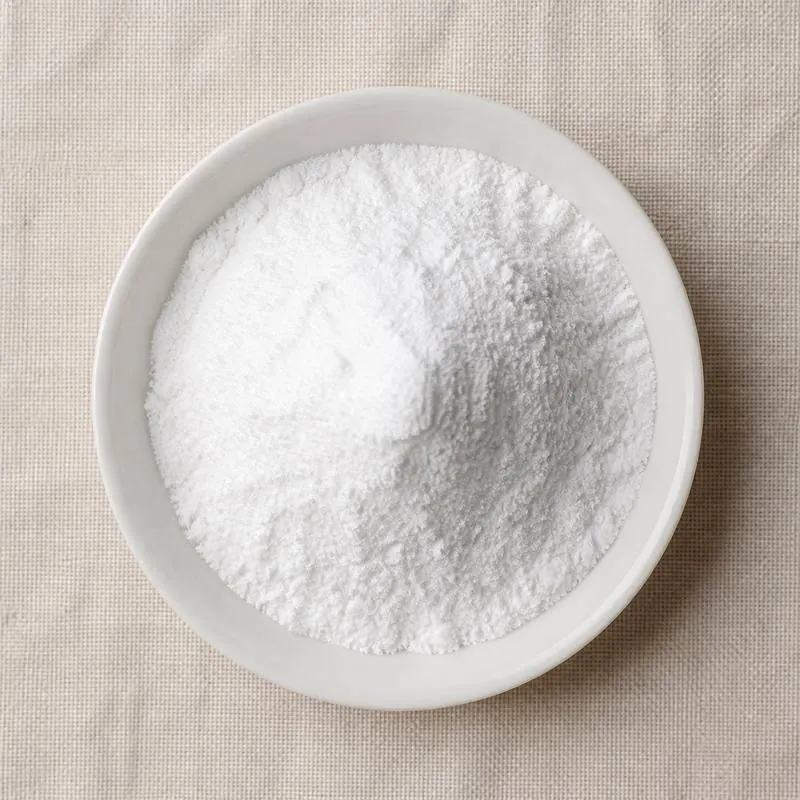
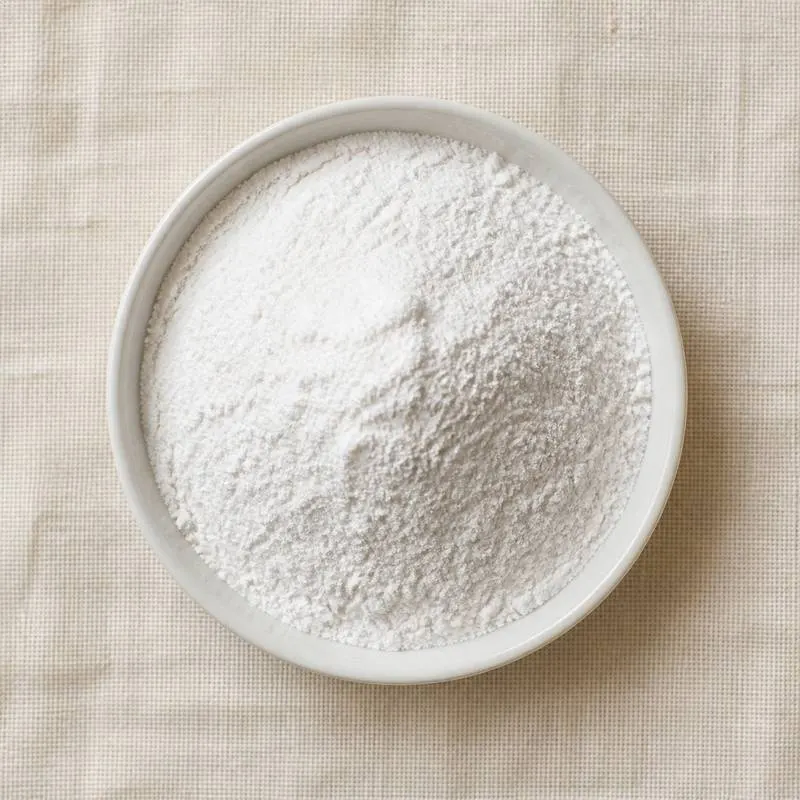
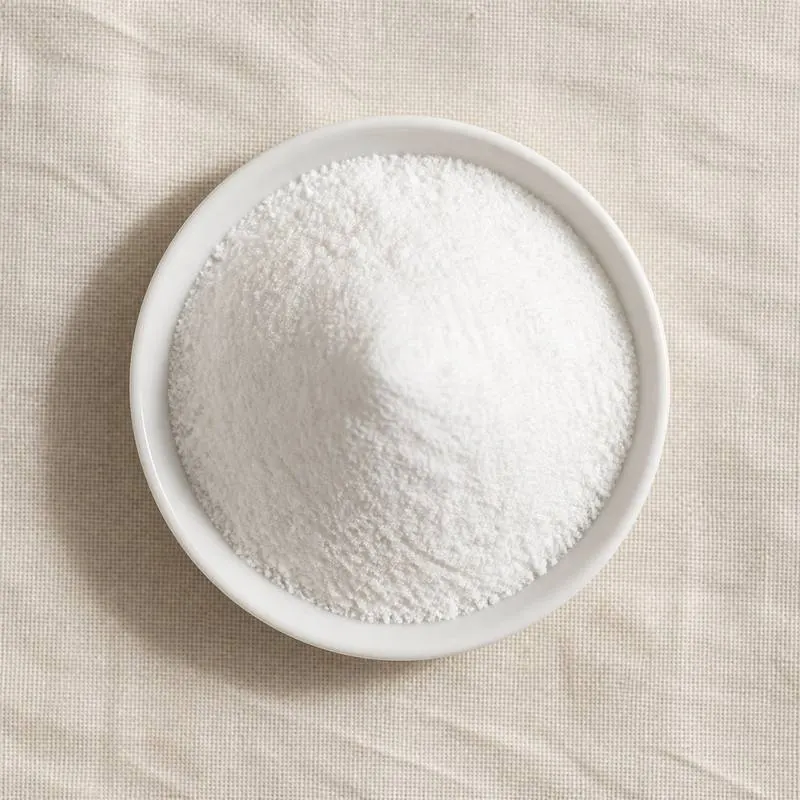
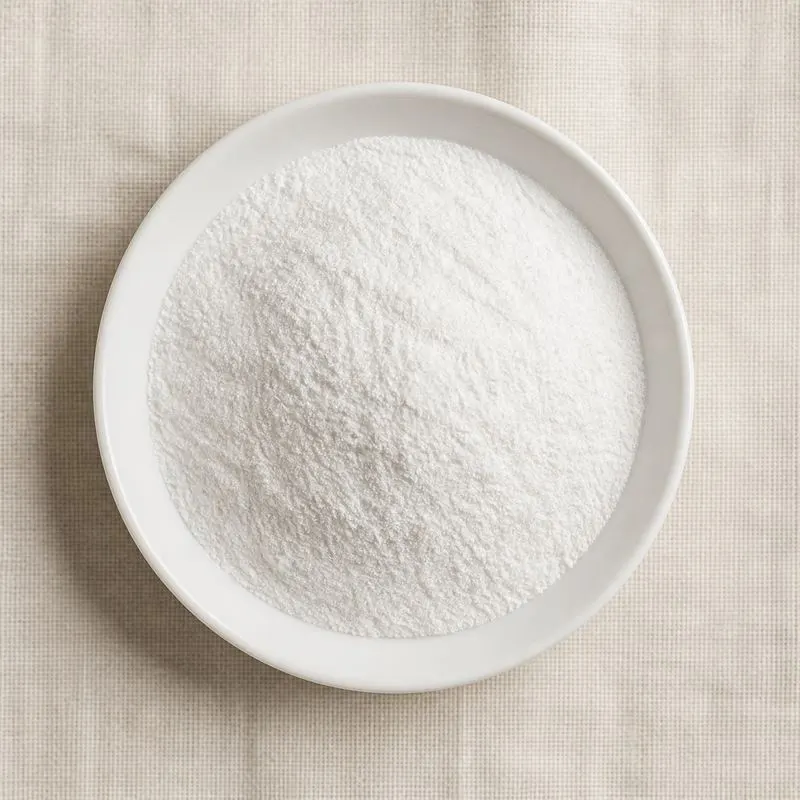
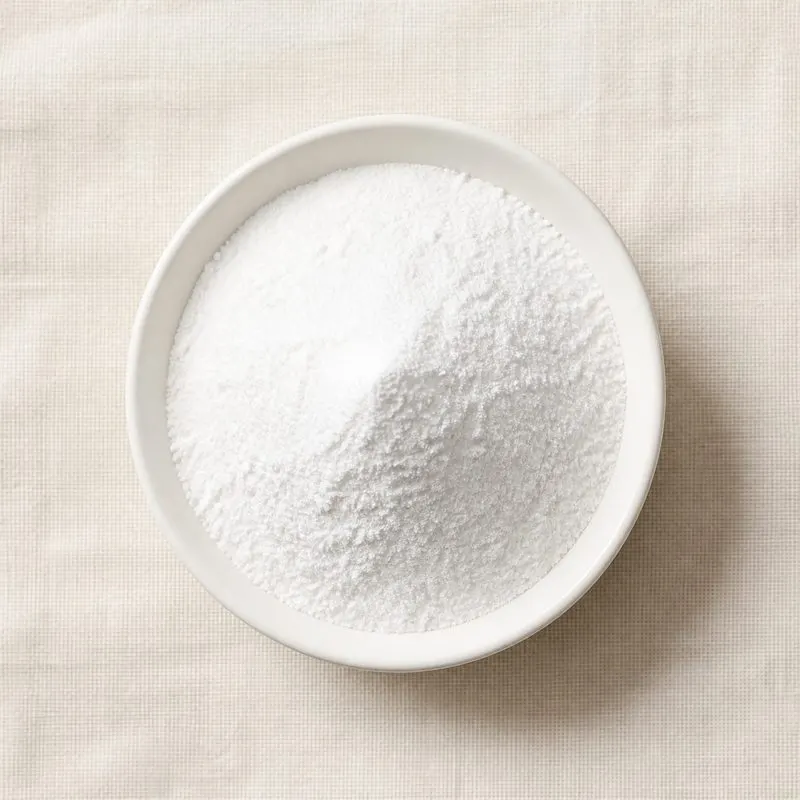
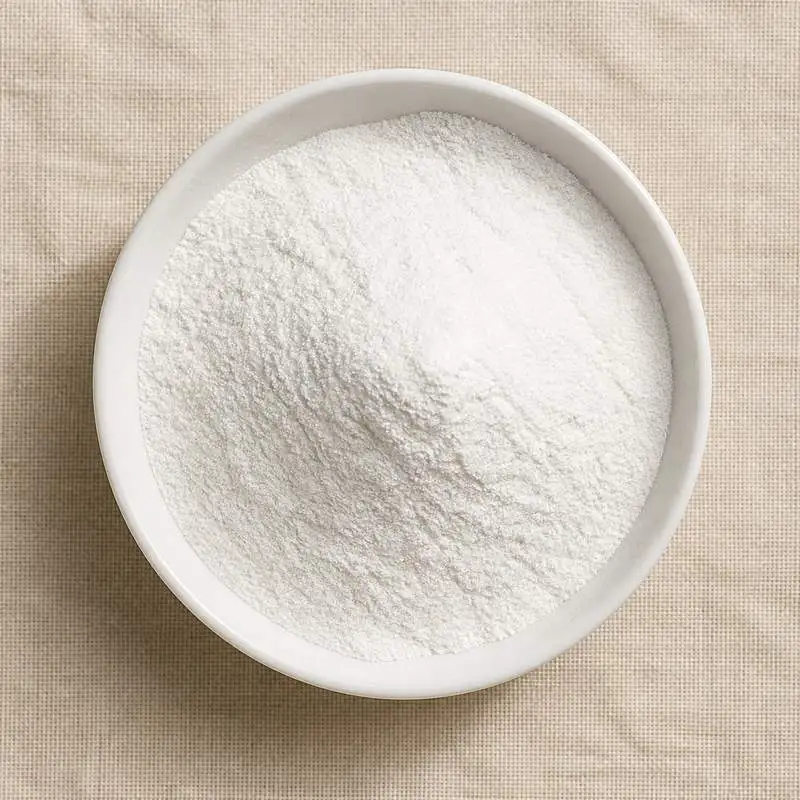
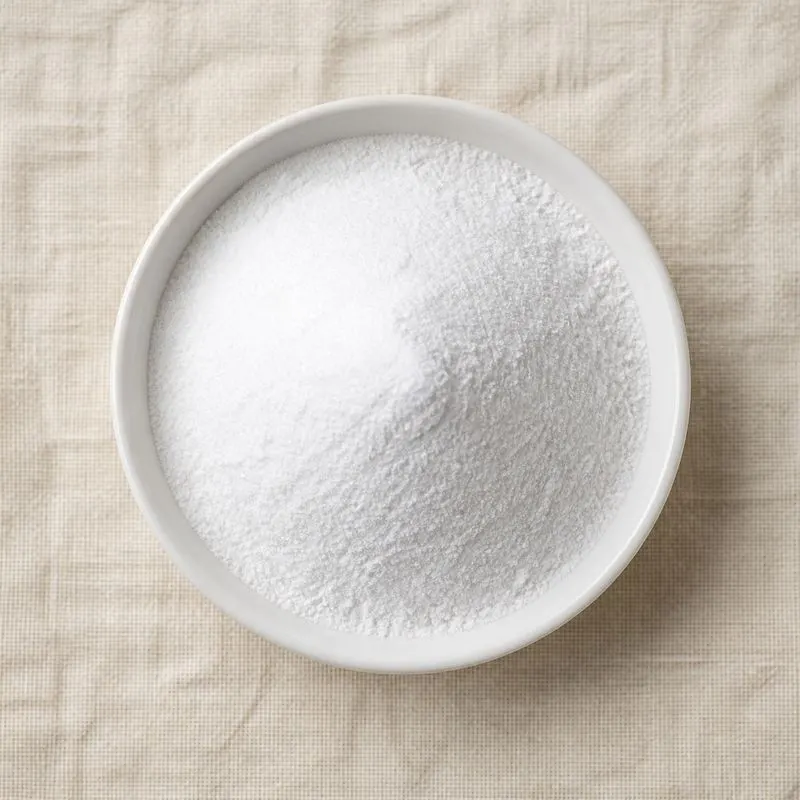
Ammonium Bicarbonate is a white crystalline salt with the formula NH₄HCO₃ used as a fast acting chemical leavener in flat, thin baked goods.
On heating above 60°C it decomposes completely into ammonia, carbon dioxide, and water vapor. The reaction leaves no salt residue in the finished product, which is why bakers refer to it as baker's ammonia or hartshorn.
We source bulk Ammonium Bicarbonate from top China manufacturers for our partners. The manufacturers are in Shandong. For this ingredient the minimum order is 1,000 kg and a 20-foot container takes 25 MT, and a smaller requirement can ship in a combined container with other ingredients.
Please send the grade you need, the volume and your destination port, and we will come back with a solution and a price.
or call +86-21-6858 0751
- Minimum order
- 1,000 kg
- Qty in 20' FCL
- 25 MT
- Packaging
- 25 kg kraft paper bag with PE inner liner
- ISO 9001
- HACCP
- Halal
- Kosher
Specifications
| Item | Specification |
|---|---|
| Appearance | White crystalline powder with ammonia odor |
| Assay (NH4HCO3, dry basis) | ≥ 99.0% |
| Residue on ignition | ≤ 0.005% |
| Chloride (as Cl) | ≤ 0.001% |
| Sulfate (as SO4) | ≤ 0.007% |
| Heavy metals (as Pb) | ≤ 5 mg/kg |
| Arsenic | ≤ 3 mg/kg |
| Iron (as Fe) | ≤ 30 mg/kg |
| Particle size | Fine to extra-fine per customer specification |
Common Markets Grades
Four grades of Ammonium Bicarbonate reach the market: food, feed, pharmaceutical, and technical.
Food grade conforms to FCC and E503ii specifications with assay typically above 99 percent on the dry basis. It takes the form of fine free flowing crystals or of a milled powder for rapid dissolution.
Pharmaceutical grade meets USP and Ph. Eur. monographs and is used as a buffering agent and source of carbonate in effervescent and analytical preparations.
Technical grade serves the rubber, textile, and fire extinguisher industries where leavening purity is not required.
Applications
- Crisp cookies and biscuits such as German Lebkuchen, Springerle, and Scandinavian thin gingerbread
- Crackers, wafer sheets, and ice cream cones where complete gas release and low residual moisture are needed
- Choux pastry shells and éclairs to support lift before the structure sets
- Pretzel sticks and other low moisture savory snacks
- Flat extruded snack products where ammonia release does not linger in the matrix
- Effervescent tablet bases in pharmaceutical and supplement formulation
- Buffering and pH adjustment in fermentation media and tanning chemistry
- Foam blowing agent for natural and synthetic latex rubber
- Component of dry chemical fire extinguishing powders
- Analytical reagent for protein precipitation and chromatographic buffers volatile under vacuum
Brands Using Ammonium Bicarbonate
Widely-distributed consumer products that list Ammonium Bicarbonate on the ingredient label.
- Lebkuchen-SchmidtLebkuchen Stars (Gingerbread Stars) ↗Listed: 'raising agents: sodium hydrogen carbonate, potassium carbonate, ammonium bicarbonate'Label verified 2026-05-25
- Lebkuchen-SchmidtJust Gingerbread (Lebkuchen Pur) assortment ↗Listed for Lebkuchen Tips: 'raising agent: ammonium bicarbonate'; Nut Elisen: 'raising agents: sodium hydrogen carbonate, ammonium bicarbonate'Label verified 2026-05-25
- CremicaMarie biscuits ↗Listed: 'raising agents [ammonium bi carbonate E503(ii), sodium bi carbonate E500(ii)]'Label verified 2026-05-25
Brand names, product names and logos are the property of their owners. They appear here as published evidence that the ingredient is used, taken from the brand's own label or website. Their appearance is not an endorsement, and it does not mean the brand buys from us or from any manufacturer listed on this site.
China Manufacturers of Ammonium Bicarbonate
Top Ammonium Bicarbonate manufacturers in China.
 Linyi Yongfeng Biotechnology Co., Ltd.5 ingredients in the directory
 Shandong Zhongke Green Carbon Technology Co., Ltd.1 ingredient in the directory
Company names and logos are the property of the manufacturers themselves. They are listed here because our own directory records them as producing this ingredient. A listing is not an endorsement by them, and we do not represent them or speak on their behalf.
How We Help Source Ammonium Bicarbonate
Direct Factory Sourcing
We run the whole process: selecting the manufacturer from the top Chinese food ingredient producers, negotiating the price, verifying quality, and coordinating the logistics. You deal with us instead of with several factories at once.
Original Packaging and Documents from the Manufacturer
The manufacturer sends your Ammonium Bicarbonate out of its own factory in the original packing, through to your destination port. The COA, COO, MSDS, TDS and any certifications reach you from the manufacturer as well.
Free Samples and Lead Time
We send 100 to 500 g free for your own laboratory to test and you cover only the courier, usually within 2 to 3 working days. ETD is usually within 7 to 15 days once the order is confirmed, and we check that date against the factory's own manufacturing schedule before we give it to you.
Combined Shipment
We can load Ammonium Bicarbonate together with other ingredients such as Sodium Acid Pyrophosphate, Monocalcium Phosphate and Diammonium Phosphate into one 20' FCL. If your quantity is small, we can also ship LCL.
Regulatory Status
Ammonium Bicarbonate is recognised as a safe leavening agent worldwide.
In the European Union it carries the food additive number E503ii and is permitted under regulation 1333/2008 with the quantum satis principle for leavening uses.
The U.S. Food and Drug Administration lists it as GRAS under 21 CFR 184.1135 for use as a leavening agent, pH control agent, and dough strengthener.
JECFA has reviewed the salt and assigned it acceptable status as a food additive without numerical limit when used according to good manufacturing practice. Pharmacopoeial monographs are published in USP, Ph. Eur., and JP.
Manufacturing Process
Industrial Ammonium Bicarbonate is produced by passing carbon dioxide gas through a concentrated aqueous solution of ammonia.
The reaction NH₃ + CO₂ + H₂O → NH₄HCO₃ proceeds at low temperature with cooling to drive crystallisation. Crystals are separated by centrifuge, dried under mild conditions, and screened to the target particle size.
Process water and uncondensed ammonia are recovered and recycled to the reactor. Storage and packaging take place in moisture controlled rooms because the salt slowly loses ammonia at room temperature.