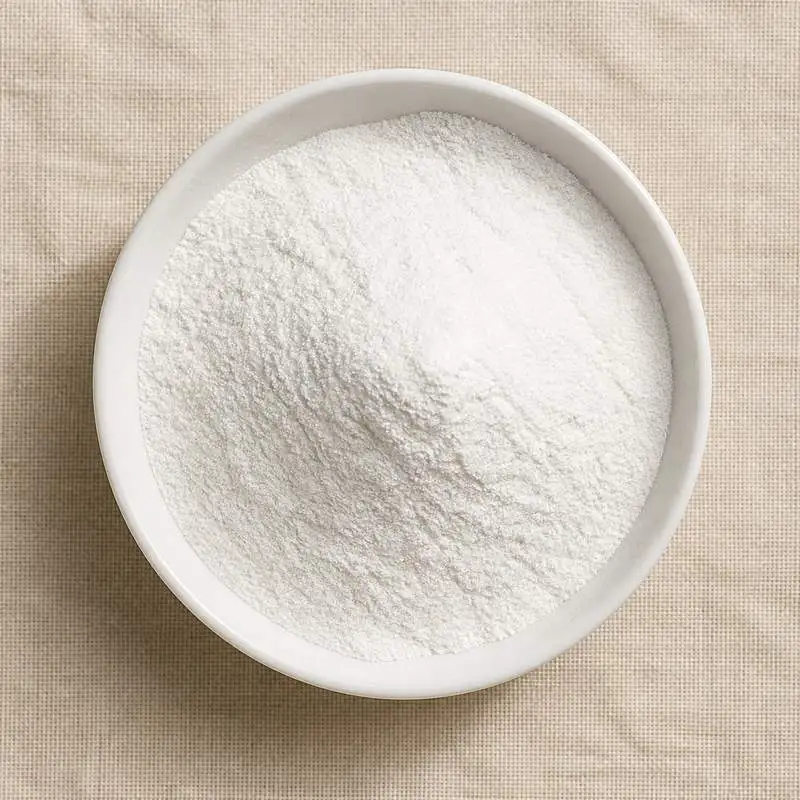
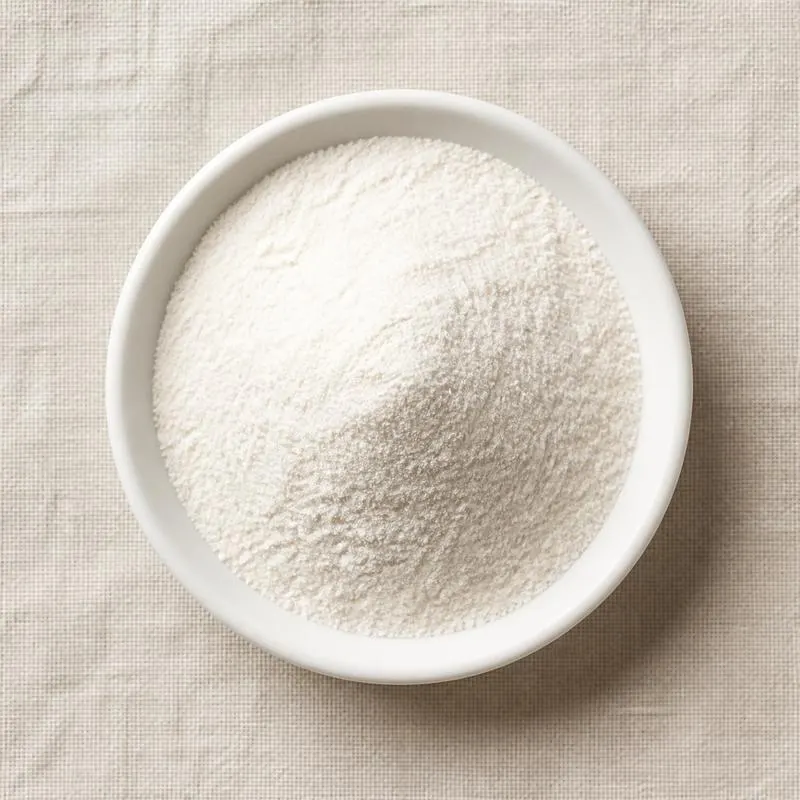
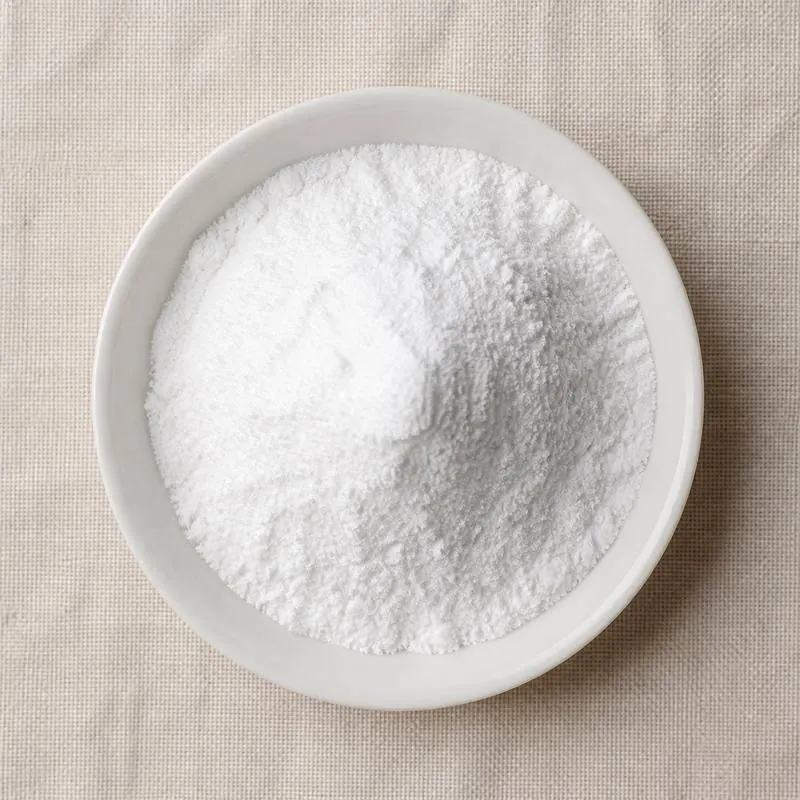
Sodium Acid Pyrophosphate
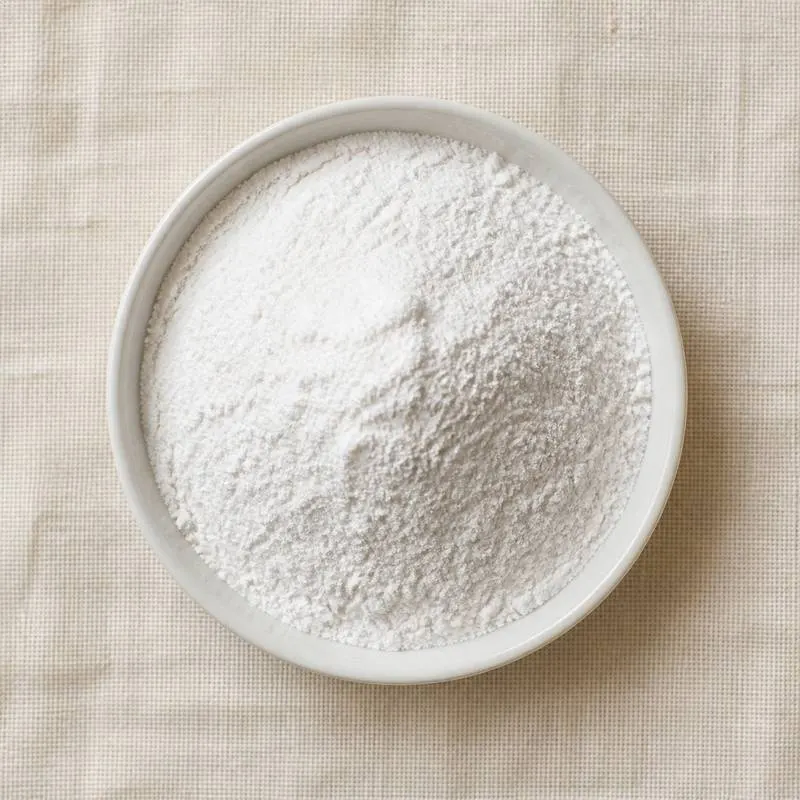
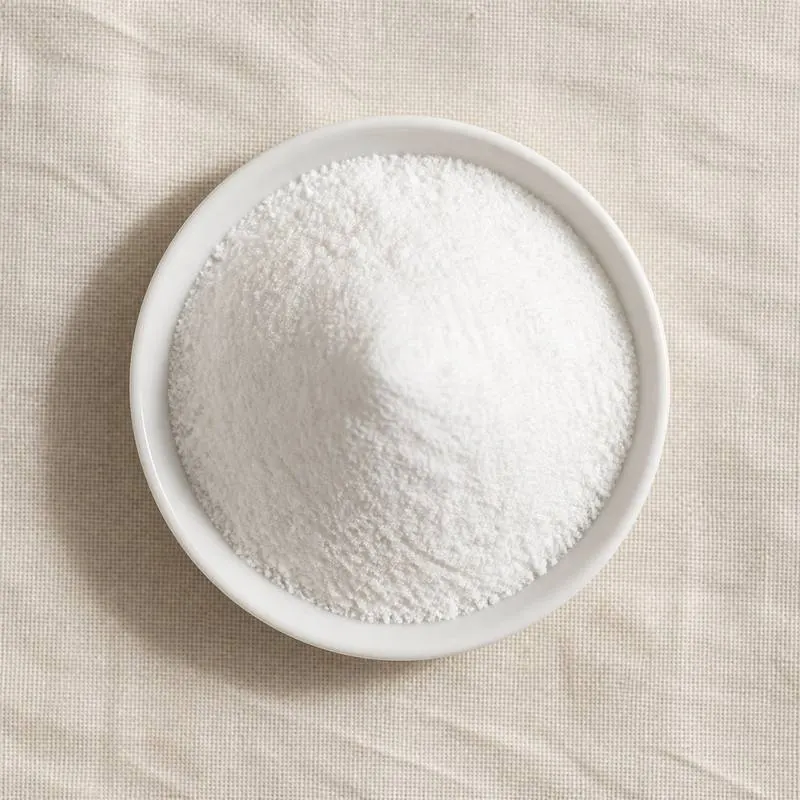
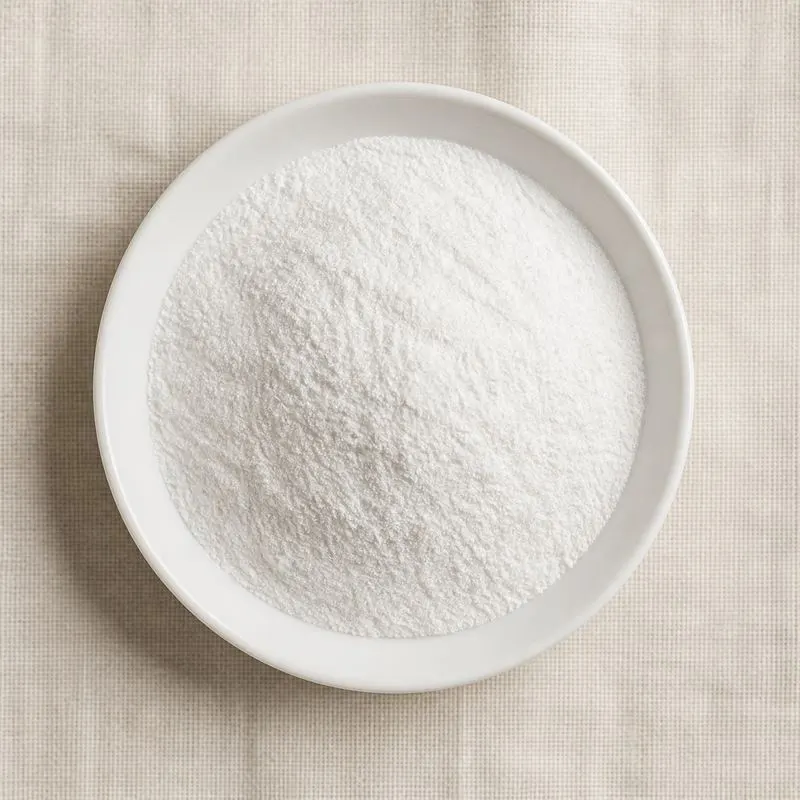
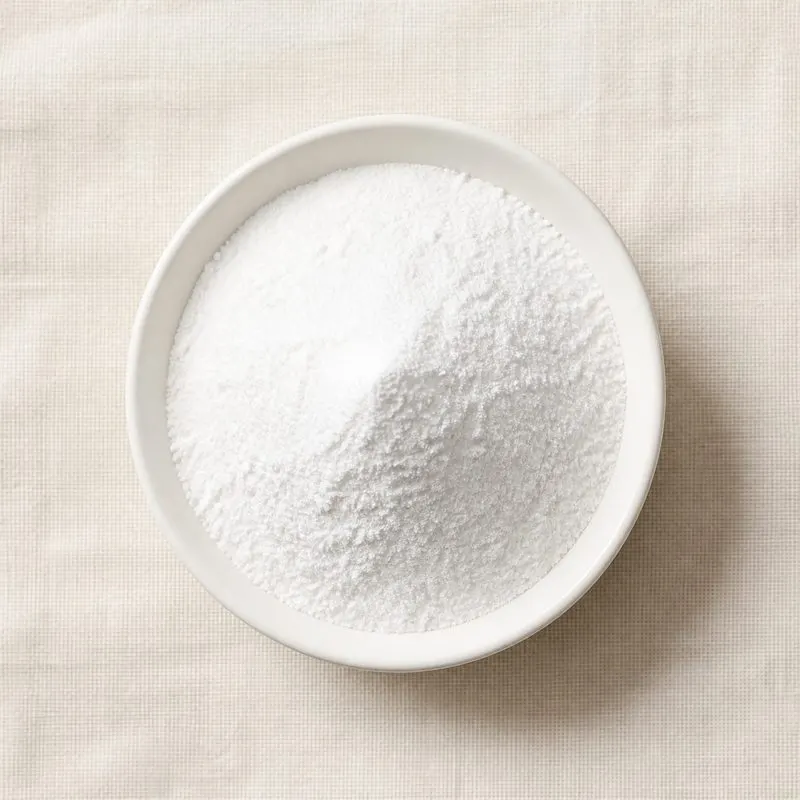
Sodium Acid Pyrophosphate is an inorganic acid salt of formula Na₂H₂P₂O₇ used as a leavening acid, colour stabiliser, and processing aid across the bakery and prepared food sectors.
The compound, commonly known as SAPP, comes in several reactivity grades that let formulators set the speed of gas release from very fast to very slow.
We source bulk Sodium Acid Pyrophosphate from top China manufacturers for our partners, working with several of them. The manufacturers are mostly in Jiangsu, Sichuan and Chongqing. For this ingredient the minimum order is 500 kg and a 20-foot container takes 25 MT, and a smaller requirement can ship in a combined container with other ingredients.
Please send the grade you need, the volume and your destination port, and we will come back with a solution and a price.
or call +86-21-6858 0751
- Minimum order
- 500 kg
- Qty in 20' FCL
- 25 MT
- Packaging
- 25 kg kraft paper bag with PE inner liner
- ISO 9001
- HACCP
- Halal
- Kosher
Specifications
| Item | Specification |
|---|---|
| Appearance | White powder or granules |
| Assay (as Na₂H₂P₂O₇) | ≥ 95.0% |
| P₂O₅ Content | 63-65% |
| pH (1% solution) | 3.5-4.5 |
| Water Insolubles | ≤ 0.4% |
| Loss on Ignition | ≤ 0.5% |
| Heavy Metals (as Pb) | ≤ 10 mg/kg |
| Arsenic | ≤ 3 mg/kg |
| Fluoride | ≤ 10 mg/kg |
| Content (Na2H2P2O7)%≥ | 95.0 |
| Phosphorus pentoxide(P2O5) | 63.0-64.0 |
| PH value | 3.5, 4.5 |
| Water-insoluble % ≤ | 1.0 |
| Heavy metal (Pb)% ≤ | 0.001 |
| Loss on burning(105℃)%≤ | 0.5 |
Common Markets Grades
Sodium Acid Pyrophosphate is a fine white powder sold in a family of standardised reactivity grades.
Each grade is identified by a dough rate of reaction number such as SAPP 28, SAPP 40, or SAPP 75. The number indicates the approximate percentage of carbon dioxide released after eight minutes of mixing at 27°C.
Lower numbers mean slower release for oven activated leavening. Higher numbers mean fast release for refrigerated dough that needs visible aeration before baking.
The salt is also offered in technical grade for non food applications such as metal cleaning and oil well drilling.
Applications
- Leavening acid in cake mixes, doughnut mixes, and pancake mixes with selectable reactivity grade
- Refrigerated and frozen dough including biscuits, dinner rolls, and pizza crusts
- Colour stabiliser in par fried French fries and frozen potato products to prevent post processing greying
- Dispersion aid for protein in instant pudding and instant cheese sauce
- Sequestrant in canned seafood, particularly tuna and crab, to control struvite crystal formation
- Buffering and texturizing agent in processed cheese
- Curing accelerator and colour fixer in cured meats
- Detergent builder in industrial cleaning chemistry
- Dispersant in oil well drilling muds
- Metal cleaning and pickling formulations
Brands Using Sodium Acid Pyrophosphate
Widely-distributed consumer products that list Sodium Acid Pyrophosphate on the ingredient label.
- Ore-IdaTater Tots ↗Listed: 'Potatoes, Vegetable Oil... and Contains 2% or less of Dextrose, Natural Flavor, Salt, Sodium Acid Pyrophosphate Added To Maintain Natural Color'Label verified 2026-05-24
- Ore-IdaDiced Hash Browns ↗Listed: 'Potatoes, Dextrose, Sodium Acid Pyrophosphate (To Retain Natural Color)'Label verified 2026-05-24
- PillsburyOriginal Crescent Rolls ↗Listed: contains baking powder (baking soda, sodium aluminium phosphate, sodium acid pyrophosphate)Label verified 2026-05-24
- PillsburyGrands! Flaky Layers Original Biscuits ↗Listed: baking powder with sodium acid pyrophosphate, baking soda, sodium aluminium phosphateLabel verified 2026-05-24
- McCainMcCain Crinkle Cut Fries ↗McCain confirms sodium acid pyrophosphate is added to French fries (e.g. Crinkle Cut) to retain natural colour of potatoesLabel verified 2026-05-24
Brand names, product names and logos are the property of their owners. They appear here as published evidence that the ingredient is used, taken from the brand's own label or website. Their appearance is not an endorsement, and it does not mean the brand buys from us or from any manufacturer listed on this site.
China Manufacturers of Sodium Acid Pyrophosphate
Top Sodium Acid Pyrophosphate manufacturers in China.
 Beluckey&Wengfu Technology Co., Ltd.5 ingredients in the directory
 Chongqing Chuandong Chemical (Group) Co., Ltd.5 ingredients in the directory
- Hubei Xingfa Chemical Group Co., Ltd.2 ingredients in the directory
- Jiangsu Debang Duoling Health Technology Co., Ltd.10 ingredients in the directory
 Jiangsu Hens Food Technology Co., Ltd.11 ingredients in the directory
 Lianyungang Dongtai Food Ingredients Co., Ltd.11 ingredients in the directory
 Lianyungang Zexin Food Ingredients Co., Ltd.8 ingredients in the directory
 Reephos (Chongqing) Food Ingredients Co., Ltd.9 ingredients in the directory
 Shifang Zhixin Chemical Co., Ltd.1 ingredient in the directory
 Sichuan Kindia May Science And Tech.Co., Ltd.14 ingredients in the directory
 Wuhan Waking Lion Chemicals Co., Ltd.13 ingredients in the directory
 Xuzhou Hengxing Chemical Co., Ltd.6 ingredients in the directory
- Xuzhou Hens Phosphate Co., Ltd.11 ingredients in the directory
- Yunnan Addiphos Technology Co., Ltd.7 ingredients in the directory
Company names and logos are the property of the manufacturers themselves. They are listed here because our own directory records them as producing this ingredient. A listing is not an endorsement by them, and we do not represent them or speak on their behalf.
How We Help Source Sodium Acid Pyrophosphate
Direct Factory Sourcing
We run the whole process: selecting the manufacturer from the top Chinese food ingredient producers, negotiating the price, verifying quality, and coordinating the logistics. You deal with us instead of with several factories at once.
Original Packaging and Documents from the Manufacturer
The manufacturer sends your Sodium Acid Pyrophosphate out of its own factory in the original packing, through to your destination port. The COA, COO, MSDS, TDS and any certifications reach you from the manufacturer as well.
Free Samples and Lead Time
We send 100 to 500 g free for your own laboratory to test and you cover only the courier, usually within 2 to 3 working days. ETD is usually within 7 to 15 days once the order is confirmed, and we check that date against the factory's own manufacturing schedule before we give it to you.
Combined Shipment
We can load Sodium Acid Pyrophosphate together with other ingredients such as Monocalcium Phosphate, Diammonium Phosphate and Jam into one 20' FCL. If your quantity is small, we can also ship LCL.
Regulatory Status
Sodium Acid Pyrophosphate is broadly approved as a food additive.
In the European Union it is covered by E450(i), the disodium dihydrogen diphosphate within the diphosphates group. Regulation 1333/2008 governs its use.
The U.S. Food and Drug Administration recognises the salt as GRAS under 21 CFR 182.1087 for use as a leavening agent, sequestrant, and colour stabiliser.
JECFA evaluates the diphosphates as a group with a group acceptable daily intake established as phosphorus. Specifications are published in the FCC and the EU additive monograph collection.
Manufacturing Process
Sodium Acid Pyrophosphate is produced by dehydration of monosodium phosphate.
Food grade phosphoric acid is first neutralised with sodium hydroxide or sodium carbonate to give monosodium phosphate solution. The solution is spray dried to anhydrous monosodium phosphate crystals.
The crystals are then calcined at temperatures between 220°C and 250°C. The reaction 2 NaH₂PO₄ → Na₂H₂P₂O₇ + H₂O drives the condensation to the pyrophosphate.
Reactivity grade is set by the calcination profile, by particle size, and by the use of stabiliser cations such as calcium added at trace levels. The product is milled, screened, and packed.