Monocalcium Phosphate
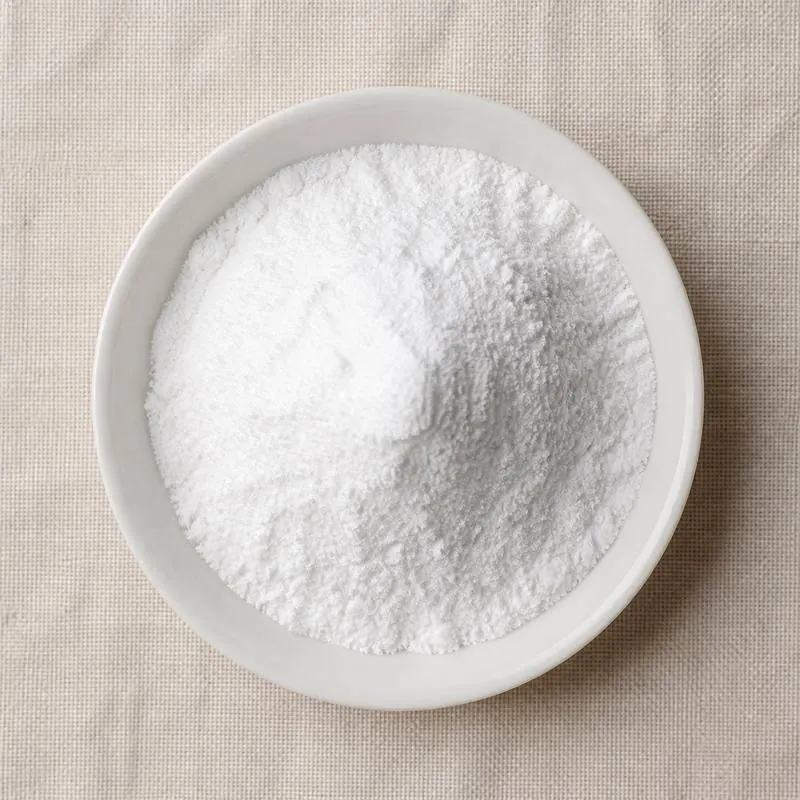
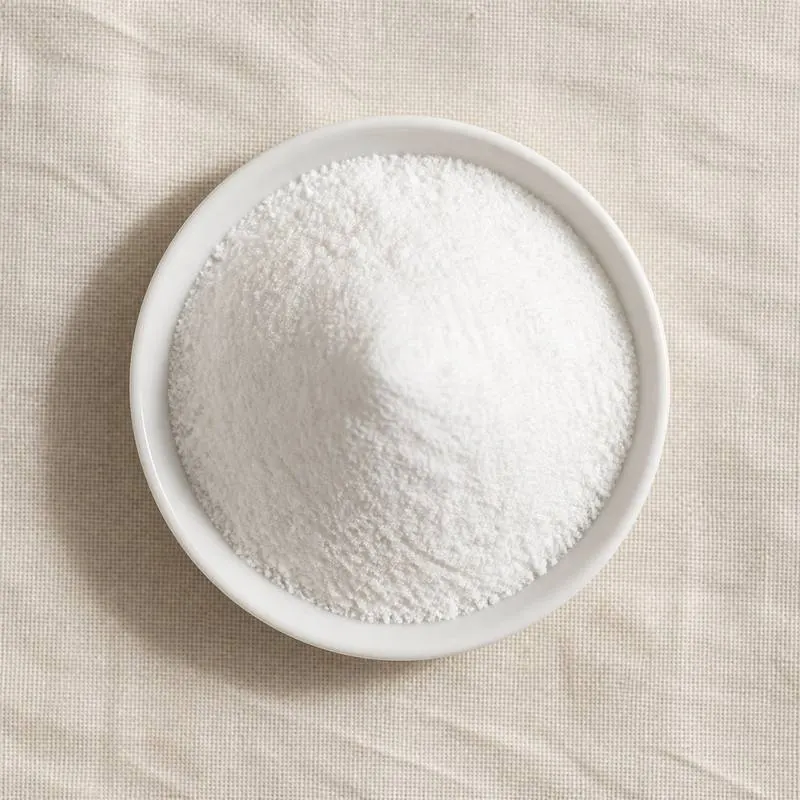
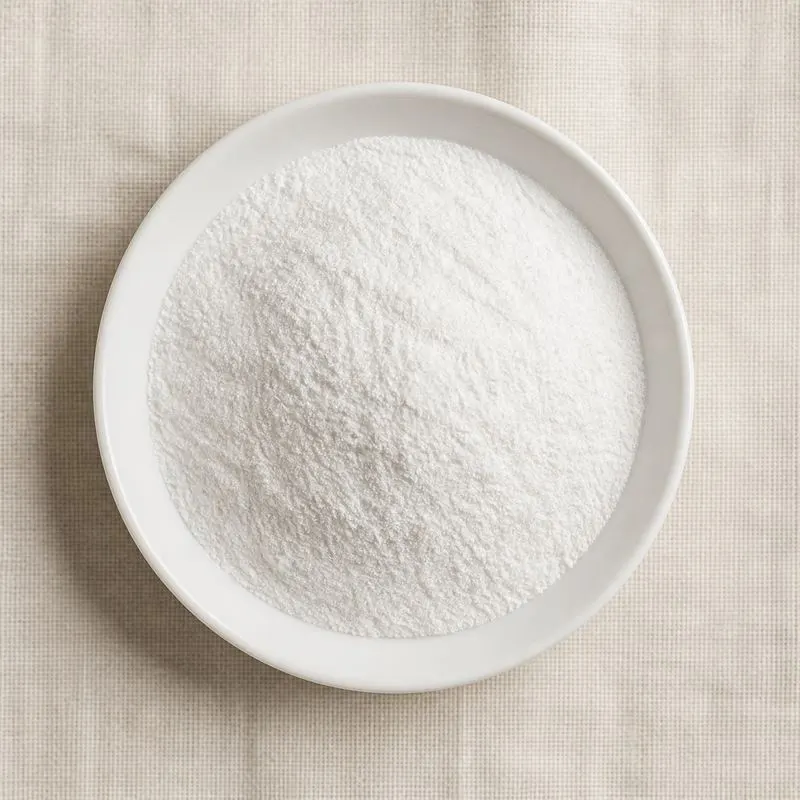
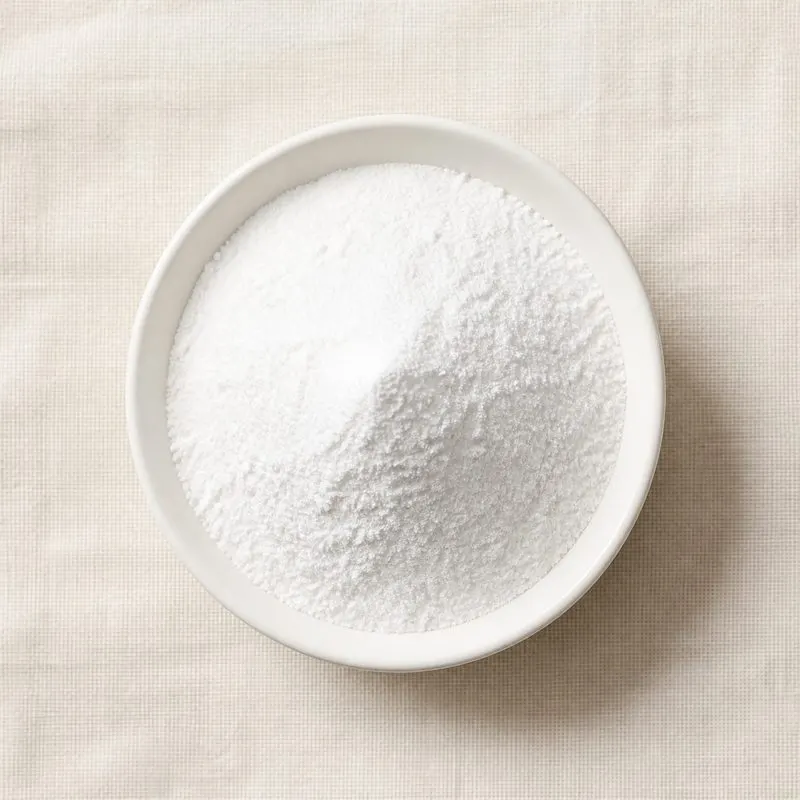
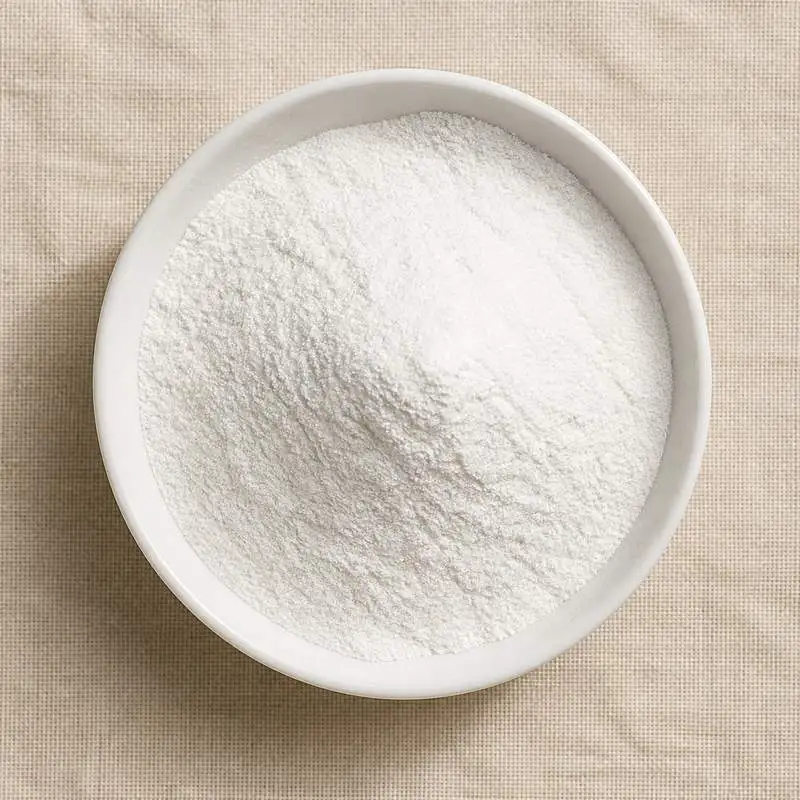
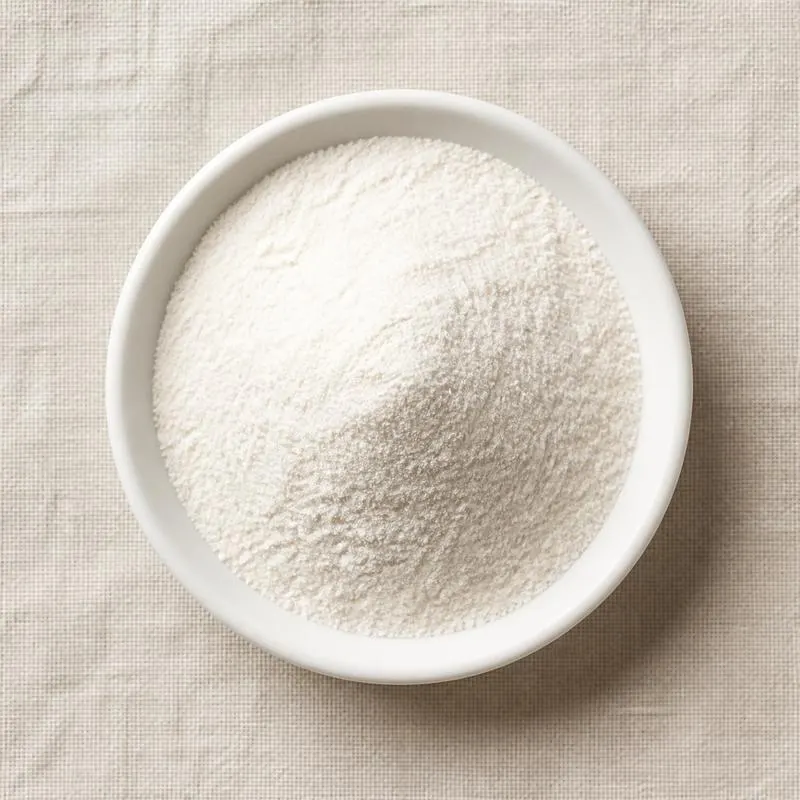
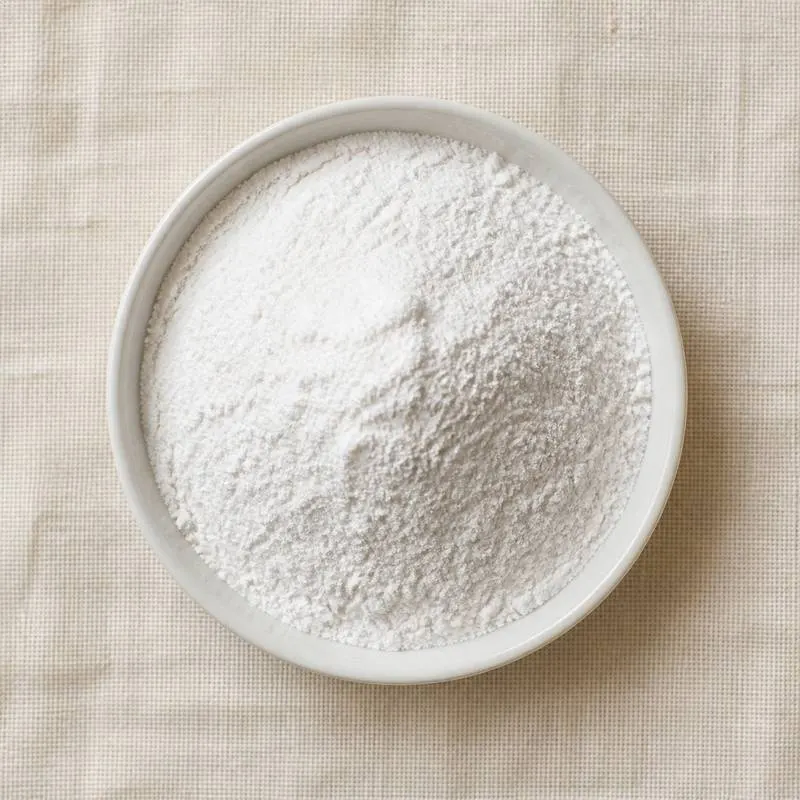
Monocalcium Phosphate is an acid calcium salt of formula Ca(H₂PO₄)₂ that serves as the fastest acting common leavening acid in the baking industry.
The compound, abbreviated MCP, supplies both calcium and dihydrogen phosphate to bakery, mineral nutrition, and animal feed applications. It comes in anhydrous and monohydrate forms with very different reactivity profiles.
We source bulk Monocalcium Phosphate from top China manufacturers for our partners, working with several of them. The manufacturers are in Jiangsu, Sichuan and Shandong. For this ingredient the minimum order is 24,000 kg and a 20-foot container takes 24 MT, and a smaller requirement can ship in a combined container with other ingredients.
Please send the grade you need, the volume and your destination port, and we will come back with a solution and a price.
or call +86-21-6858 0751
- Minimum order
- 24,000 kg
- Qty in 20' FCL
- 24 MT
- Packaging
- 25 kg kraft paper bag with PE inner liner
- ISO 9001
- HACCP
- Halal
- Kosher
Specifications
| Item | Specification |
|---|---|
| Appearance (Gray Powder) | Gray powder |
| Total phosphorus | ≥ 22.0% |
| Water Soluble phosphorus | ≥ 20.0% |
| Relative Solubility in 2% citric acid | ≥ 98.0% |
| Relative Solubility in water | ≥ 75.0-90.0% |
| Calcium | ≥ 13.0% |
| Fluoride | ≤ 1800.00 mg/kg |
| Arsenic | ≤ 20.0 mg/kg |
| Lead | ≤ 30.0 mg/kg |
| Cadmium | ≤ 10.0 mg/kg |
| Chromium | ≤ 30.0 mg/kg |
| Free Moisture | ≤ 0.4% |
| pH | 3.0-4.0 |
| Dioxins (EU standard) | ≤ 1.0% |
| Mercury (EU standard) | ≤ 0.1 mg/kg |
| Particle Size pass 0.5 mm | ≥ 85.0% |
| Particle Size pass 0.2-1.2mm | ≥ 90.0% |
Common Markets Grades
There are three grades of Monocalcium Phosphate: food, feed and fertilizer.
Food grade is produced as either monohydrate or anhydrous. Monohydrate is the fast acting form that releases about 60 percent of its leavening gas within the first two minutes of mixing. Anhydrous is the coated, slow acting form that delays gas release until oven heat is applied.
Both forms are fine white powders with controlled neutralising value, particle size, and bulk density.
Feed grade is granulated for free flowing dosing into mineral premixes and complete feeds. Fertilizer grade is the parent material of triple superphosphate.
Applications
- Fast acting leavening acid in single acting baking powders and pancake batters
- First stage acid in double acting baking powders paired with sodium aluminium sulphate or sodium acid pyrophosphate
- Tableting aid and calcium source in chewable vitamins and mineral supplements
- Dough conditioner in commercial bread improvers
- Calcium fortification in flour, breakfast cereals, and beverage powders
- Buffering and firming agent in canned vegetables and cheese products
- Phosphorus and calcium source in poultry, swine, and cattle feed
- Mineral component of aquaculture diets
- Component of effervescent supplement tablets
- Acidulant in some processed dairy preparations
Brands Using Monocalcium Phosphate
Widely-distributed consumer products that list Monocalcium Phosphate on the ingredient label.
- JIFFY MixCorn Muffin Mix ↗Listed in 'CONTAINS LESS THAN 2% OF: BAKING SODA, TRICALCIUM PHOSPHATE, SODIUM ACID PYROPHOSPHATE, MONOCALCIUM PHOSPHATE, SALT...'.Label verified 2026-05-24
- KrusteazButtermilk Pancake Mix ↗Listed in 'leavening (baking soda, sodium aluminum phosphate, monocalcium phosphate)'.Label verified 2026-05-24
- KrusteazHeart Healthy Buttermilk Pancake Mix ↗Listed in 'leavening (baking soda, calcium acid pyrophosphate, monocalcium phosphate)'.Label verified 2026-05-24
Brand names, product names and logos are the property of their owners. They appear here as published evidence that the ingredient is used, taken from the brand's own label or website. Their appearance is not an endorsement, and it does not mean the brand buys from us or from any manufacturer listed on this site.
China Manufacturers of Monocalcium Phosphate
Top Monocalcium Phosphate manufacturers in China.
 Beluckey&Wengfu Technology Co., Ltd.5 ingredients in the directory
- Jiangsu Debang Duoling Health Technology Co., Ltd.10 ingredients in the directory
 Lianyungang Dongtai Food Ingredients Co., Ltd.11 ingredients in the directory
 Lianyungang Hengsheng Fine Chemical Co., Ltd.10 ingredients in the directory
- Lianyungang Kede Food Ingredients Co., Ltd.5 ingredients in the directory
 Nature Food Technology Co.;Ltd.12 ingredients in the directory
Company names and logos are the property of the manufacturers themselves. They are listed here because our own directory records them as producing this ingredient. A listing is not an endorsement by them, and we do not represent them or speak on their behalf.
How We Help Source Monocalcium Phosphate
Direct Factory Sourcing
We run the whole process: selecting the manufacturer from the top Chinese food ingredient producers, negotiating the price, verifying quality, and coordinating the logistics. You deal with us instead of with several factories at once.
Original Packaging and Documents from the Manufacturer
The manufacturer sends your Monocalcium Phosphate out of its own factory in the original packing, through to your destination port. The COA, COO, MSDS, TDS and any certifications reach you from the manufacturer as well.
Free Samples and Lead Time
We send 100 to 500 g free for your own laboratory to test and you cover only the courier, usually within 2 to 3 working days. ETD is usually within 7 to 15 days once the order is confirmed, and we check that date against the factory's own manufacturing schedule before we give it to you.
Combined Shipment
We can load Monocalcium Phosphate together with other ingredients such as Sodium Acid Pyrophosphate, Diammonium Phosphate and Jam into one 20' FCL. If your quantity is small, we can also ship LCL.
Regulatory Status
Monocalcium Phosphate is broadly accepted for food, supplement, and feed applications.
In the European Union it is covered by E341(i) as a member of the calcium phosphates group, permitted as an acidity regulator, raising agent, firming agent, and emulsifying salt.
The U.S. Food and Drug Administration recognises it as GRAS under 21 CFR 184.1191 for use as a leavening agent, nutrient supplement, and pH control agent.
JECFA has evaluated calcium phosphates and assigned them to the acceptable group without numerical restriction when used per good manufacturing practice. Specifications appear in the FCC, USP, and EU additive monographs.
Manufacturing Process
Monocalcium Phosphate is produced by reacting calcium carbonate or calcium hydroxide with food grade phosphoric acid at a molar ratio of one to two.
The reaction Ca(OH)₂ + 2 H₃PO₄ → Ca(H₂PO₄)₂ + 2 H₂O is exothermic. The slurry crystallises as either the monohydrate or, under controlled dehydration, the anhydrous form.
For coated anhydrous grades, the crystals are surface treated with a thin layer of secondary calcium phosphate or potassium phosphate. The coating dissolves slowly in dough and delays the leavening reaction until the oven stage.
Particle size is tightly controlled because reactivity scales with surface area.