Carmine
Carmine is a deep red to crimson colourant produced from carminic acid, a hydroxyanthraquinone glycoside extracted from the dried bodies of female cochineal insects (Dactylopius coccus). It delivers a stable bluish-red shade across a wide pH range and is one of the oldest natural pigments still in industrial use.
The colourant takes two main chemical forms: water-soluble ammonium carminate at alkaline pH, and the classic aluminium lake of carminic acid (true carmine), which is insoluble in water and dispersible in oil or solids. Both carry the E number E120 and CAS 1390-65-4.
We source bulk Carmine from top China manufacturers for our partners. The manufacturer is in Shandong. A smaller requirement can ship in a combined container with other ingredients.
Please send the grade you need, the volume and your destination port, and we will come back with a solution and a price.
or call +86-21-6858 0751
- Packaging
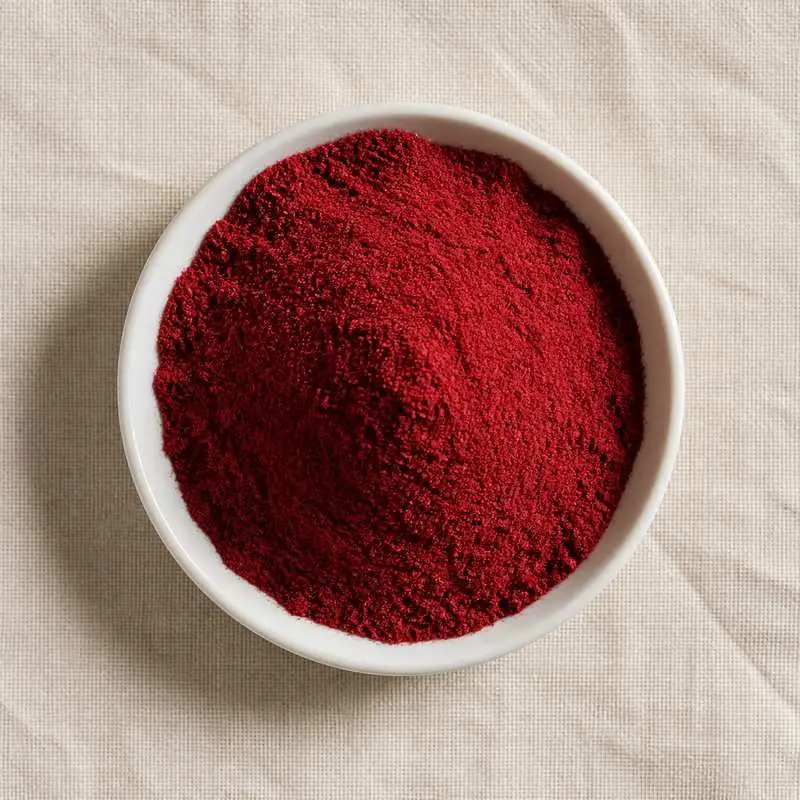
- 20 kg fibre drum, light-shielded
- ISO 9001
- HACCP
- Halal
- Kosher
Specifications
| Item | Specification |
|---|---|
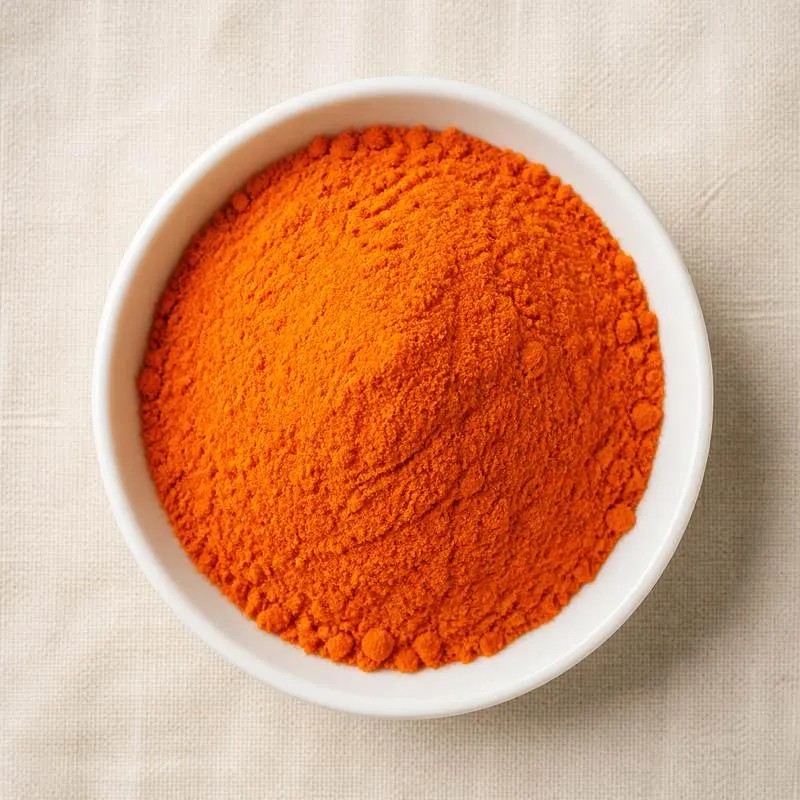
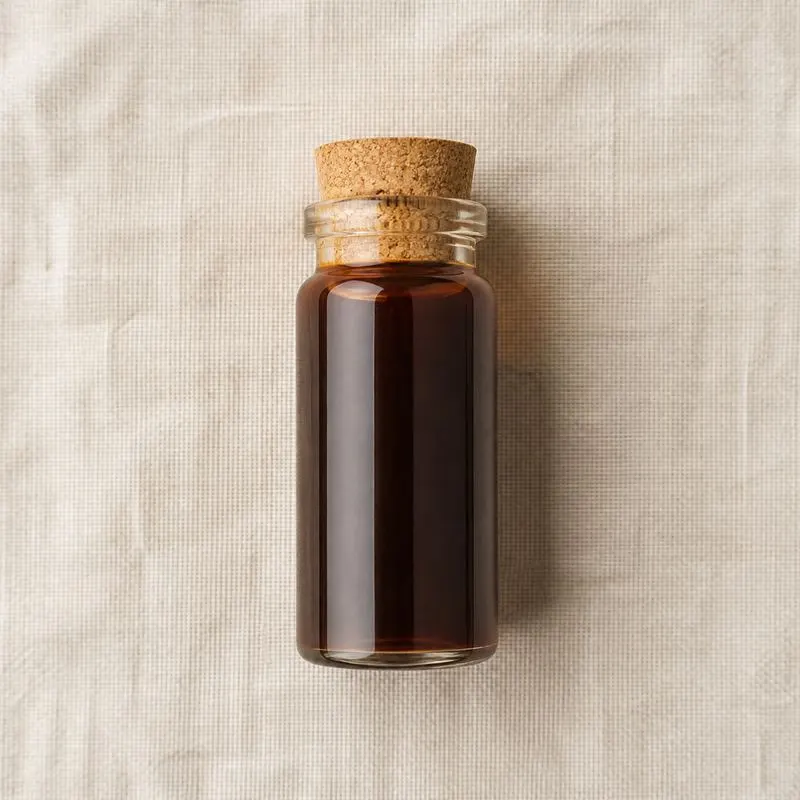
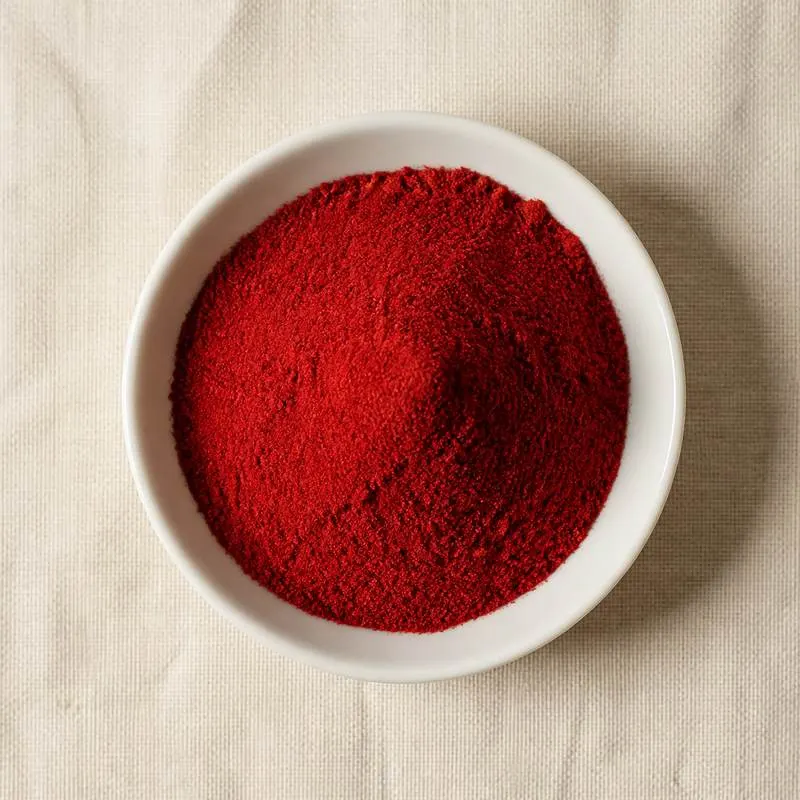
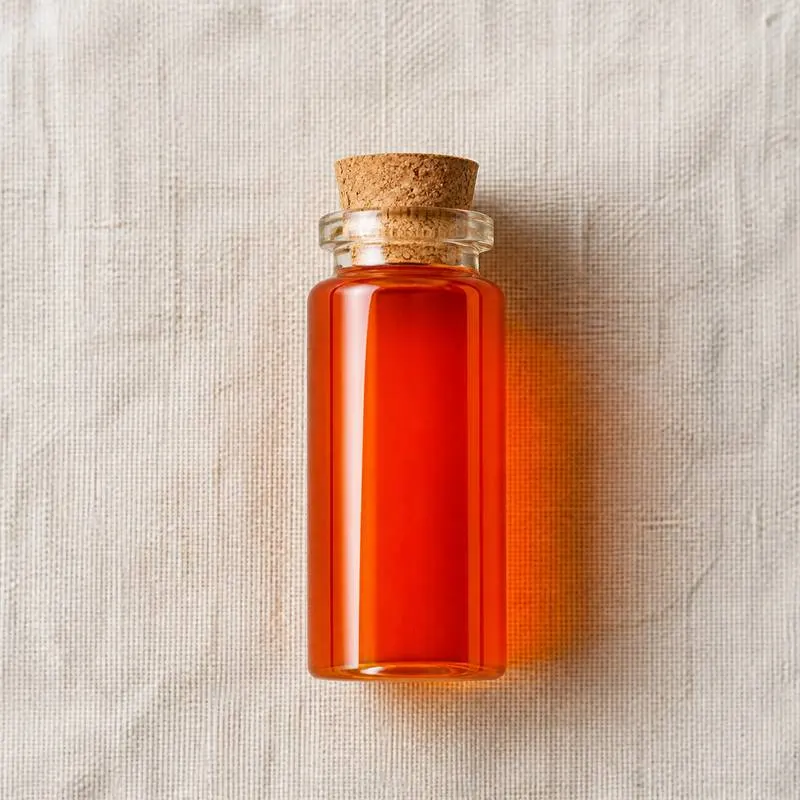
| Appearance | Bright red to deep crimson powder, or liquid |
| Source | Dactylopius coccus (cochineal insect) |
| Carminic acid content | 50% or 52% (powder); 1% to 5% (liquid) |
| Color value (E1%, 1cm, 494 nm) | Per declared carminic acid content |
| pH (1% solution) | 5.0 to 8.0 (depending on form) |
| Solubility | Water-dispersible (lake); soluble in ammoniacal solution |
| Light stability | Excellent |
| Heat stability | Excellent; stable through baking and retort |
| Lead | ≤ 2 mg/kg |
| Arsenic | ≤ 1 mg/kg |
| Total plate count | ≤ 1000 CFU/g |
Common Markets Grades
Carmine is graded by carminic acid content and by physical form.
Powder lake grades typically standardise at 50 percent carminic acid and are the standard format for confectionery, meat surface colouring, and cosmetics. Lower-strength variants at 10 to 25 percent are common for blends and dry mixes.
Liquid water-soluble carmine, stabilised as the ammonium salt, ranges from 2 to 7 percent carminic acid and serves beverage, dairy, and surimi applications where solubility at neutral to alkaline pH is required.
Acid-proof grades are formulated specifically for low-pH beverages and yogurts, where standard carmine would shift toward orange or precipitate. Kosher-certified and halal-certified options exist from select producers, though the insect origin remains a constraint for vegan and strictly vegetarian formulations.
Applications
- Yogurt, fruit preparations, and dairy desserts where a strawberry or raspberry red is required
- Surimi and crab-stick colouring for the characteristic red surface stripe
- Aperitif and bitters formulations such as Campari-style liqueurs (historically)
- Processed meats including sausages, charcuterie, and meat surface dips
- Confectionery: hard candies, gummies, panned coatings, and sugar shells
- Bakery icings, fillings, and decorative gels
- Fruit juices, smoothies, and low-pH beverages using acid-proof grades
- Pharmaceutical tablet coatings, syrups, and lozenges
- Lipsticks, blushes, and colour cosmetics where a clean bluish-red is preferred
- Nail polishes and lake-based decorative cosmetics
- Pet food and treats for visual appeal
Brands Using Carmine
Widely-distributed consumer products that list Carmine on the ingredient label.
- DannonFruit on the Bottom Strawberry yogurt ↗Dannon's Fruit on the Bottom line (strawberry, cherry, boysenberry, raspberry) and six Activia varieties have publicly been identified as using carmine for the pink/red colour; widely reported and unchanged formulation per CSPI 2013 analysis.Label verified 2026-05-24
- YoplaitOriginal Strawberry yogurt ↗Yoplait Original Strawberry product page lists 'Carmine (For Color)' in the ingredients (less than 1%) for the strawberry yogurt.Label verified 2026-05-24
- StarbucksStrawberry Frappuccino / Strawberry Banana Smoothie (historical use, phased out 2012) ↗Starbucks publicly announced it would phase out cochineal extract from its Strawberries & Creme Frappuccino, Strawberry Banana Smoothie and four bakery items in April 2012, switching to lycopene; documented as a previous end-product use of carmine.Label verified 2026-05-24
- NARS CosmeticsRed lipsticks (multiple shades) ↗NARS is widely listed among major prestige brands whose red lipsticks contain carmine (CI 75470) as a key colourant; PETA and industry sources cite NARS among the most common carmine-using lipstick brands.Label verified 2026-05-24
- MAC CosmeticsRed lipsticks (multiple shades, e.g., Ruby Woo) ↗MAC's classic red lipsticks (e.g., Ruby Woo) are widely documented as containing carmine (CI 75470); MAC is repeatedly cited as a major carmine-using lipstick brand.Label verified 2026-05-24
Brand names, product names and logos are the property of their owners. They appear here as published evidence that the ingredient is used, taken from the brand's own label or website. Their appearance is not an endorsement, and it does not mean the brand buys from us or from any manufacturer listed on this site.
China Manufacturers of Carmine
Top Carmine manufacturers in China.

Company names and logos are the property of the manufacturers themselves. They are listed here because our own directory records them as producing this ingredient. A listing is not an endorsement by them, and we do not represent them or speak on their behalf.
How We Help Source Carmine
Direct Factory Sourcing
We run the whole process: selecting the manufacturer from the top Chinese food ingredient producers, negotiating the price, verifying quality, and coordinating the logistics. You deal with us instead of with several factories at once.
Original Packaging and Documents from the Manufacturer
The manufacturer sends your Carmine out of its own factory in the original packing, through to your destination port. The COA, COO, MSDS, TDS and any certifications reach you from the manufacturer as well.
Free Samples and Lead Time
We send 100 to 500 g free for your own laboratory to test and you cover only the courier, usually within 2 to 3 working days. ETD is usually within 7 to 15 days once the order is confirmed, and we check that date against the factory's own manufacturing schedule before we give it to you.
Combined Shipment
We can load Carmine together with other ingredients such as Beta Carotene, Caramel Colour and Lycopene into one 20' FCL. If your quantity is small, we can also ship LCL.
Regulatory Status
The European Union permits carmine as a food colour under E120, and Regulation (EC) No 1333/2008 defines use levels per food category. The Codex name is Cochineal Extract, Carmines (INS 120).
The U.S. Food and Drug Administration lists carmine and cochineal extract under 21 CFR 73.100 as colour additives exempt from certification. Since January 2011, the FDA has required that any food or cosmetic containing these colours declare them on the label as "Cochineal Extract" or "Carmine" by name, rather than as a generic "natural colour" or "colour added." The change followed reports of allergic reactions and was intended to inform consumers with sensitivities and those avoiding insect-derived ingredients.
JECFA has evaluated carmines and considers them acceptable for food use within established limits. Kosher and halal certifications can be obtained, but interpretation varies between certifying bodies because of the insect origin.
Carmine is not vegan and not vegetarian by most definitions. This single fact is the most common reason for reformulating away from the colourant in plant-based and clean-label launches.
Manufacturing Process
Cochineal insects are reared on prickly pear cacti (Opuntia ficus-indica) in Peru, the Canary Islands, Mexico, and Chile. Peru supplies the majority of global volume, with smallholder farmers harvesting insects by hand twice a year.
The dried insect bodies contain 17 to 24 percent carminic acid by weight. After milling, the powder is extracted with hot water, then clarified to yield a deep red liquor.
The classic lake is precipitated by adding aluminium and calcium salts under controlled pH, which chelates carminic acid into an insoluble bright-red complex. Filtration, washing, drying, and milling produce the finished powder.
Water-soluble carmine is prepared by dissolving the lake in ammonia or alkaline buffers, yielding the ammonium or sodium carminate solution used in dairy and beverage work.