Lycopene
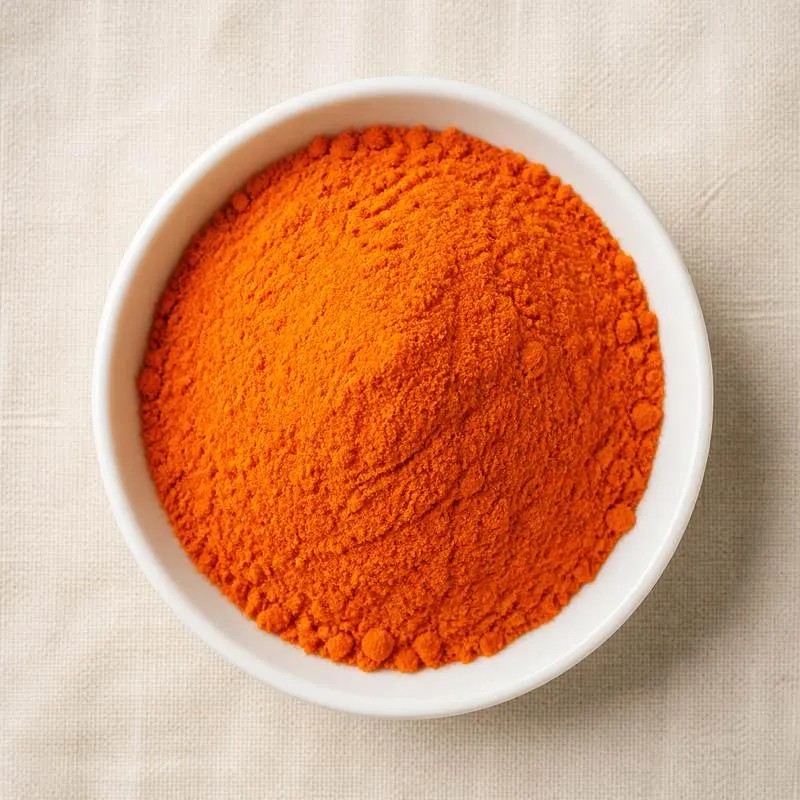
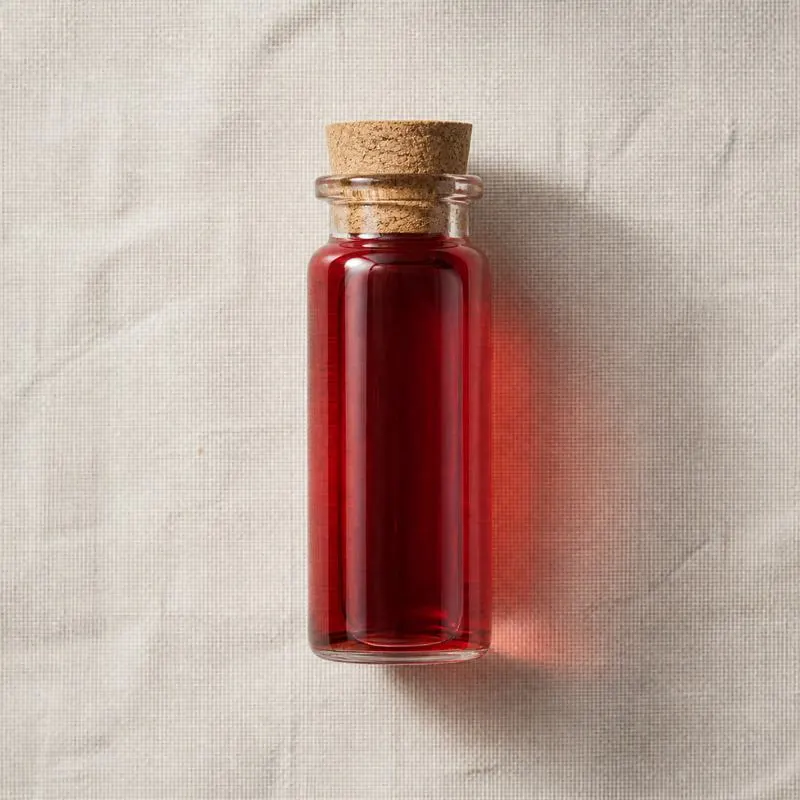
Lycopene is a bright red, fat-soluble carotenoid pigment best known as the compound that gives ripe tomatoes their characteristic colour. It is widely used as a natural red-to-orange colourant in beverages, dairy, confectionery, and dietary supplements.
The molecule has the formula C₄₀H₅₆ and shares the tetraterpene skeleton of beta-carotene, but it lacks the terminal beta-ionone rings. The fully acyclic structure carries eleven conjugated double bonds, producing a deeper red absorption maximum near 470 nm and one of the highest singlet-oxygen quenching rates measured for any natural pigment.
Lycopene is registered under CAS 502-65-8 and listed in the European Union as food colour E160d.
We source bulk Lycopene from top China manufacturers for our partners, working with several of them. The manufacturers are mostly in Hubei, Hebei and Xinjiang. A smaller requirement can ship in a combined container with other ingredients.
Please send the grade you need, the volume and your destination port, and we will come back with a solution and a price.
or call +86-21-6858 0751
- Packaging
- 20 kg fibre drum, light-shielded
- ISO 9001
- HACCP
- Halal
- Kosher
Specifications
| Item | Specification |
|---|---|
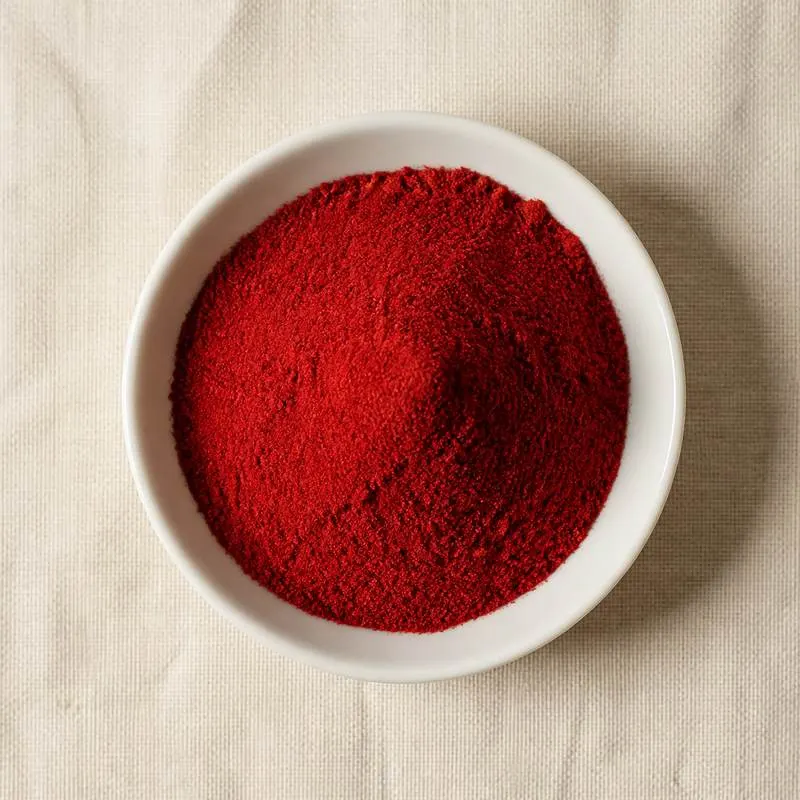
| Appearance | Dark red to crimson oil, paste, or beadlet powder |
| Source | Solanum lycopersicum (tomato) or Blakeslea trispora (fermentation) |
| Lycopene content | 5%, 10%, or 20% (per grade) |
| Color value (E1%, 1cm, 472 nm) | Per declared content |
| All-trans isomer | ≥ 70% (typical) |
| Solubility | Oil-soluble; CWS beadlets are water-dispersible |
| Light stability | Moderate; best in opaque matrices |
| Heat stability | Good for short to moderate processing |
| Peroxide value | ≤ 10 meq/kg |
| Lead | ≤ 2 mg/kg |
| Arsenic | ≤ 1 mg/kg |
| Total plate count | ≤ 1000 CFU/g |
Common Markets Grades
Lycopene is graded by active pigment content and by physical format suited to the target food matrix.
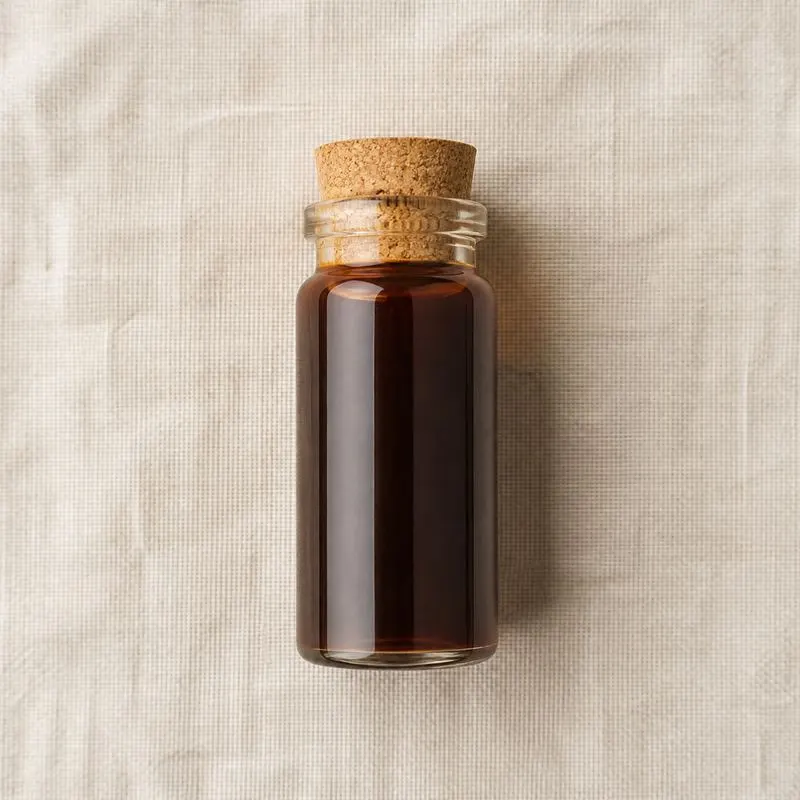
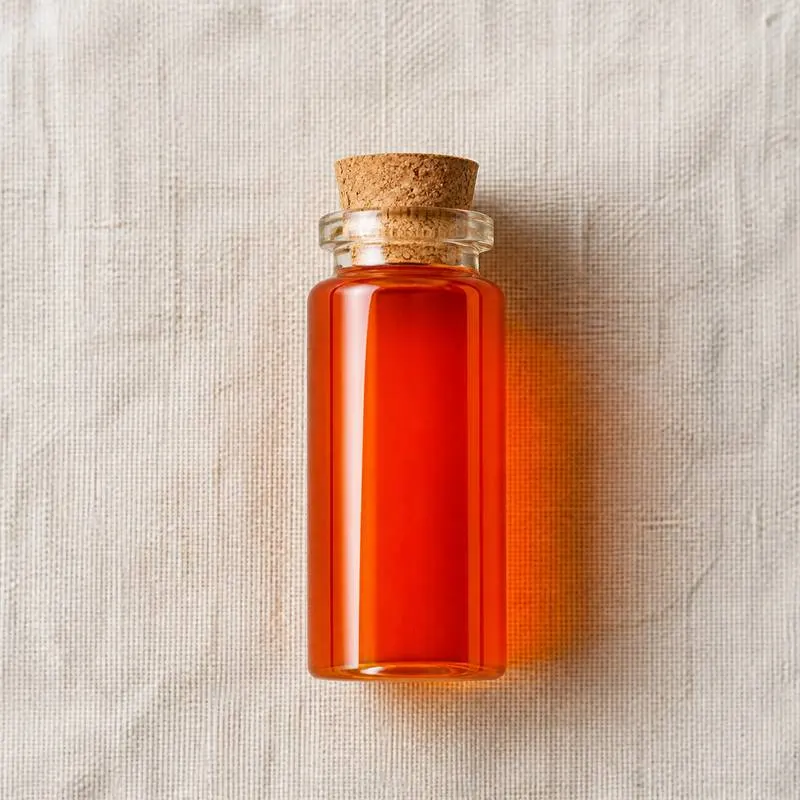
The reference oleoresin grade is a deep red viscous oil containing 6 to 10 percent lycopene, suspended in refined sunflower or safflower oil with added tocopherols to slow oxidation. This format suits soft gels, infused oils, and oil-phase confectionery.
Cold-water-dispersible beadlet grades of 5 percent and 10 percent are standard for beverage, dairy, and tabletop applications. The beadlet matrix typically uses modified starch and sucrose with ascorbyl palmitate as a co-antioxidant.
A 20 percent oil suspension is produced for tomato-based sauces and seasoning oils where higher dose is needed without altering the lipid balance.
Crystalline lycopene at 96 percent and above is produced for analytical reference and for high-dose dietary-supplement encapsulation. Both tomato-derived and fermentation-derived grades carry the same E160d designation, though the labelling source is often declared on the spec sheet.
Applications
- Tomato-based sauces, ketchup, and pasta sauces for colour standardisation across seasonal raw material variation
- Soft drinks, fruit juices, and flavoured waters for red-to-pink tinting
- Yogurt, flavoured milk, and ice cream where a strawberry or raspberry colour cue is needed
- Confectionery: hard candies, gummies, fruit chews, and panned coatings
- Bakery fillings, jams, and fruit preparations for compotes
- Processed meat products such as sausages and surimi for colour reinforcement
- Dietary supplements as a standalone tomato-extract softgel or in carotenoid blends
- Functional beverages positioned on antioxidant or men's health claims
- Pharmaceutical preparations including chewables and syrups
- Cosmetics and natural-positioning lipsticks for a warm red tone
- Pet treats and premium pet food for colour and antioxidant fortification
Brands Using Lycopene
Widely-distributed consumer products that list Lycopene on the ingredient label.
- NOW FoodsLycopene 20 mg Softgels ↗Active ingredient lycopene 20 mg; other ingredients: Organic Extra Virgin Olive Oil and Softgel Capsule [bovine gelatin (BSE-free), glycerin, water].Label verified 2026-05-24
- NOW FoodsLycopene 10 mg Softgels (LYC-O-MATO) ↗Features LYC-O-MATO patented tomato complex with natural lycopene. Other ingredients: Rice Bran Oil, softgel (bovine gelatin, glycerin, water).Label verified 2026-05-24
- Puritan's PrideLycopene 10 mg Softgels ↗Supplement Facts list Tomato Extract (containing Lycopene); other ingredients include soybean oil, gelatin, corn oil, vegetable glycerin, yellow beeswax, dl-Alpha Tocopherol.Label verified 2026-05-24
- Puritan's PrideLycopene 40 mg Rapid Release Softgels ↗Puritan's Pride Lycopene 40 mg softgels; other ingredients: Corn Oil, Gelatin, Soybean Oil, Glycerin, Yellow Beeswax, Silica.Label verified 2026-05-24
- GNCGNC Lycopene 30 mg ↗GNC Lycopene 30 mg contains LYC-O-MATO, an extract from ripe tomatoes, naturally containing phytoene, phytofluene, beta-carotene, and phytosterols.Label verified 2026-05-24
Brand names, product names and logos are the property of their owners. They appear here as published evidence that the ingredient is used, taken from the brand's own label or website. Their appearance is not an endorsement, and it does not mean the brand buys from us or from any manufacturer listed on this site.
China Manufacturers of Lycopene
Top Lycopene manufacturers in China.
 CABIO Biotech (Wuhan) Co., Ltd.9 ingredients in the directory
- Chalkis Health Industry Co., Ltd.2 ingredients in the directory
 Chenguang Biotech Group Co., Ltd.12 ingredients in the directory
 Hebei Granray Bioproducts Co., Ltd.4 ingredients in the directory
- Naturlich (ZhuHai) Food Ingredients &Solutions10 ingredients in the directory
 Qingdao Borong Biotechnology Co., Ltd.10 ingredients in the directory
 Suizhou Shilida Biotechnology Co., Ltd.4 ingredients in the directory
 Wuhan Hesheng Technology Co., Ltd.1 ingredient in the directory
 Zhejiang Wedin Biological Technology Co., Ltd.18 ingredients in the directory
Company names and logos are the property of the manufacturers themselves. They are listed here because our own directory records them as producing this ingredient. A listing is not an endorsement by them, and we do not represent them or speak on their behalf.
How We Help Source Lycopene
Direct Factory Sourcing
We run the whole process: selecting the manufacturer from the top Chinese food ingredient producers, negotiating the price, verifying quality, and coordinating the logistics. You deal with us instead of with several factories at once.
Original Packaging and Documents from the Manufacturer
The manufacturer sends your Lycopene out of its own factory in the original packing, through to your destination port. The COA, COO, MSDS, TDS and any certifications reach you from the manufacturer as well.
Free Samples and Lead Time
We send 100 to 500 g free for your own laboratory to test and you cover only the courier, usually within 2 to 3 working days. ETD is usually within 7 to 15 days once the order is confirmed, and we check that date against the factory's own manufacturing schedule before we give it to you.
Combined Shipment
We can load Lycopene together with other ingredients such as Beta Carotene, Caramel Colour and Paprika Oleoresin into one 20' FCL. If your quantity is small, we can also ship LCL.
Regulatory Status
Lycopene is widely permitted as a food colourant and as a nutritional ingredient.
In the European Union it is listed as E160d, subdivided into E160d(i) synthetic, E160d(ii) tomato-derived, and E160d(iii) Blakeslea trispora-derived, each with its own specification under Commission Regulation 231/2012.
The U.S. Food and Drug Administration permits tomato lycopene extract and tomato lycopene concentrate as colour additives exempt from certification under 21 CFR 73.295. Synthetic lycopene was the subject of a separate GRAS notification (GRN 119) and is permitted under the conditions described therein.
JECFA has evaluated lycopene from all three sources and assigned a group acceptable status as a food colour.
Pharmacopoeial monographs appear in the European Pharmacopoeia and the United States Pharmacopeia. Halal and Kosher certifications are routinely available, particularly for tomato-source material formulated in plant oil with non-animal beadlet carriers.
Manufacturing Process
Two routes account for nearly all commercial lycopene supply.
The dominant natural-source route is solvent extraction from tomato pomace, the skin-and-seed residue from juice and paste processing. The pomace is washed, dried, and extracted with ethyl acetate or supercritical carbon dioxide. The crude extract is concentrated, polished through molecular distillation, and standardised in oil to the target pigment percentage.
The fermentation route uses the heterothallic fungus Blakeslea trispora, the same organism deployed for fermentation-source beta-carotene. By selecting mutant strains and adjusting precursor flux with mating-hormone induction, the carotenogenic pathway is diverted toward lycopene rather than beta-carotene. The biomass is harvested, oil-extracted, and crystallised.
A minor synthetic route based on a Wittig coupling of C15 phosphonium salts with a C10 dialdehyde exists at pilot scale but does not compete on cost with tomato or fermentation sources for food use.
All routes finish with formulation into oil, beadlet, or crystalline grades and standardisation by HPLC against an authentic reference.