Paprika Oleoresin
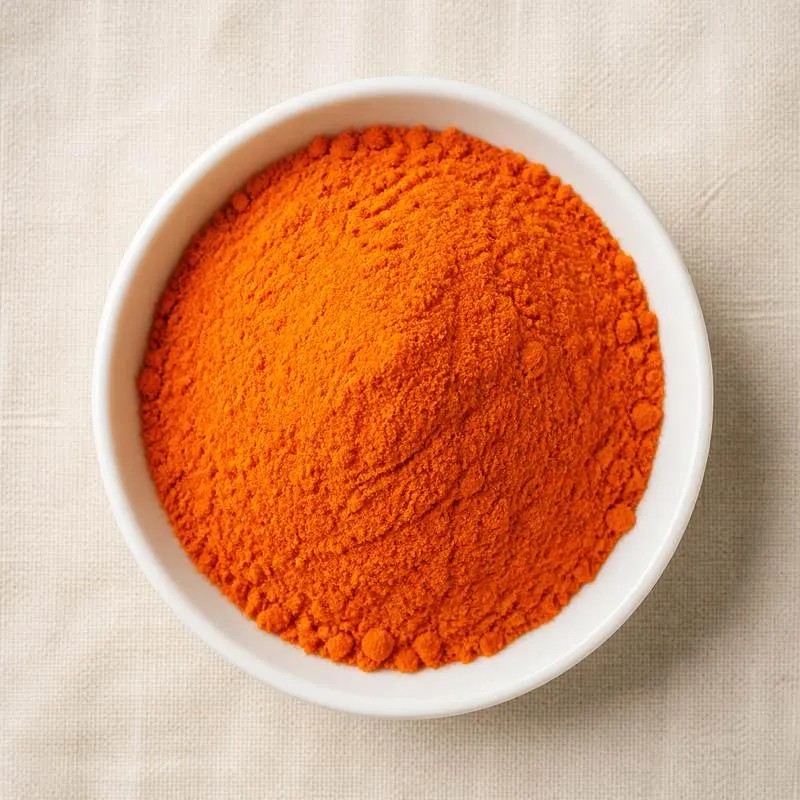
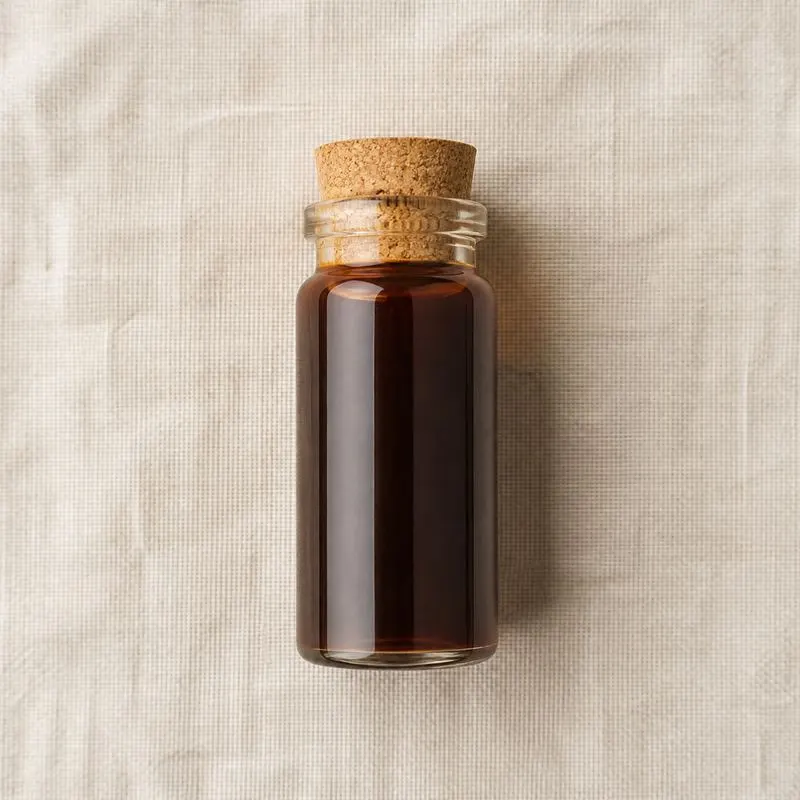
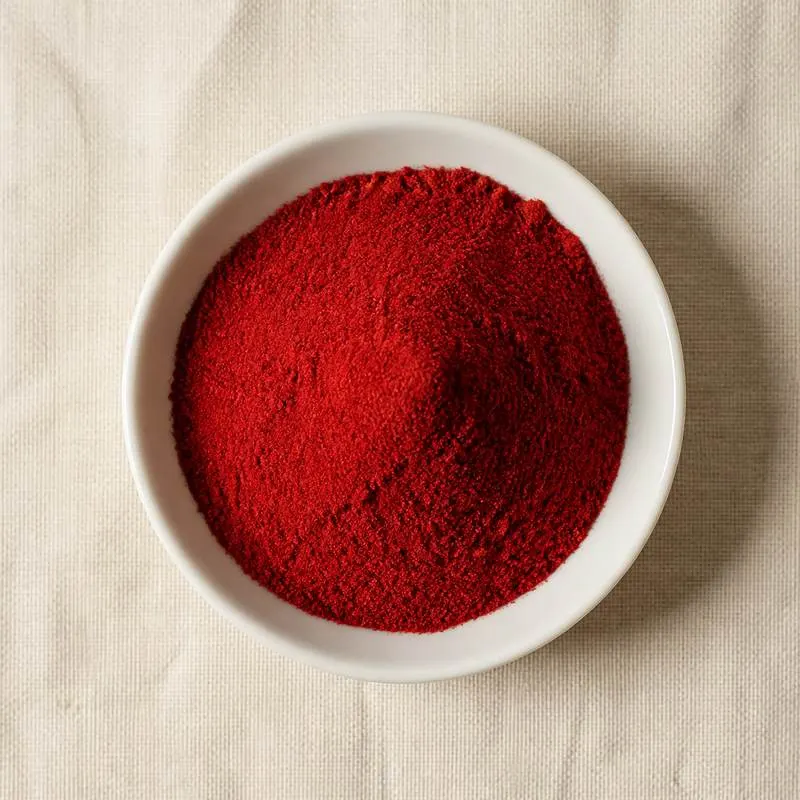
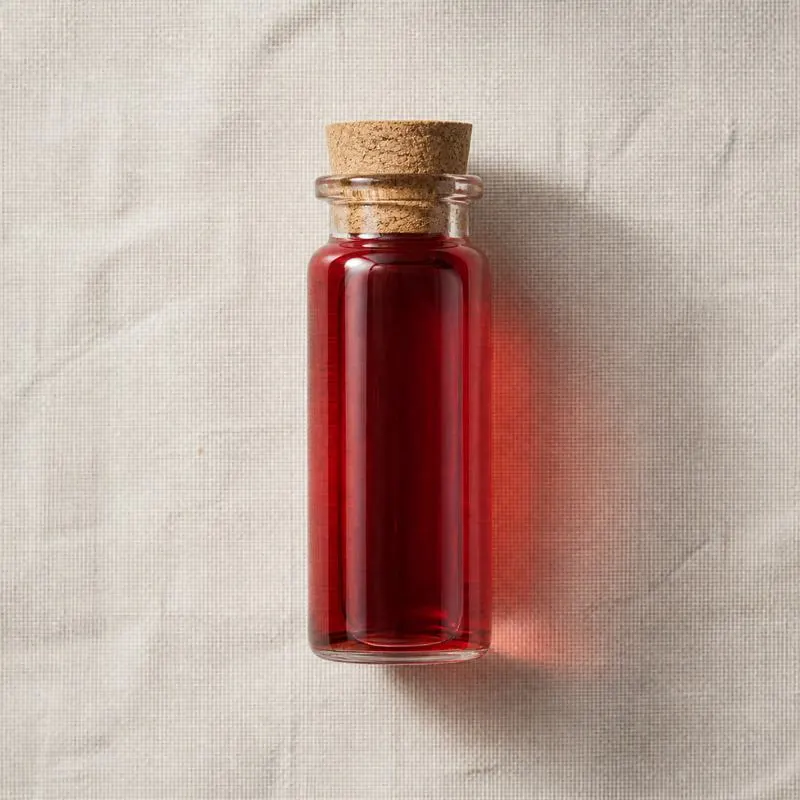
Paprika Oleoresin is a deep red, oil-soluble extract of dried red peppers (Capsicum annuum) used as a natural colourant and flavour across processed meats, snacks, sauces, and seasoning blends.
The principal pigments are capsanthin and capsorubin, two oxygenated carotenoids that are largely unique to the genus Capsicum. They deliver a warm orange-red colour that is brighter and cleaner than annatto and more lipid-compatible than beetroot red.
The oleoresin is registered under CAS 8023-77-6 and listed as E160c in the European Union. Colour strength is reported in ASTA colour units or in colour value units (CV), with commercial grades typically running from 40,000 to 120,000 CV.
We source bulk Paprika Oleoresin from top China manufacturers for our partners, working with several of them. The manufacturers are mostly in Hebei, Shandong and Chongqing. A smaller requirement can ship in a combined container with other ingredients.
Please send the grade you need, the volume and your destination port, and we will come back with a solution and a price.
or call +86-21-6858 0751
- Packaging
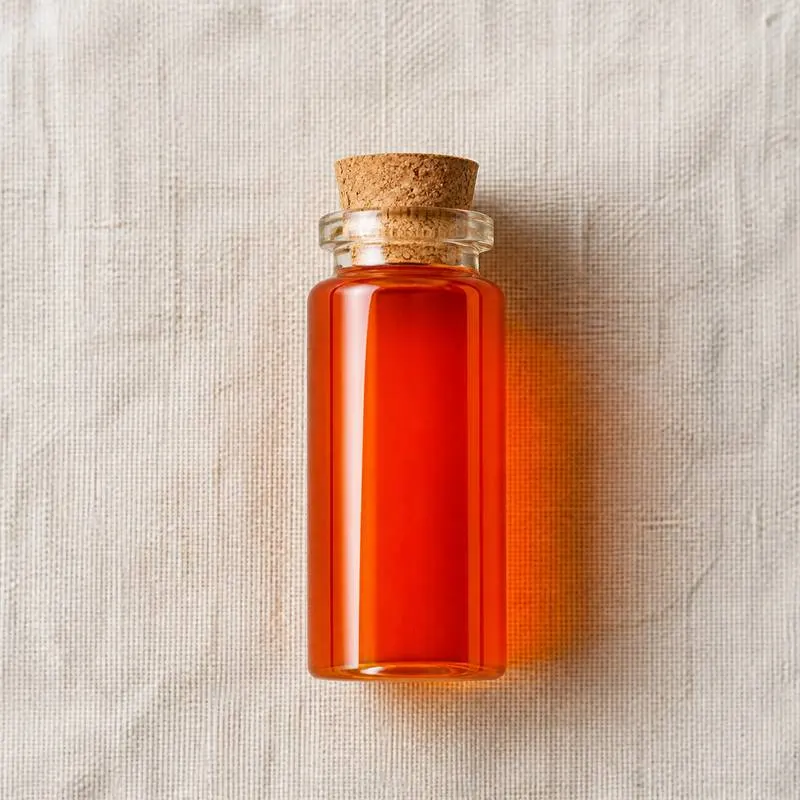
- 25 kg galvanised drum, nitrogen blanketed
- ISO 9001
- HACCP
- Halal
- Kosher
Specifications
| Item | Specification |
|---|---|
| Appearance | Dark red to deep red viscous oily liquid |
| Source | Capsicum annuum (sweet red pepper) |
| Color value | 40,000 to 120,000 ASTA (per grade) |
| Capsaicin content | ≤ 0.5% (standard); ≤ 100 ppm (low-pungent grades) |
| Solubility | Oil-soluble; water-dispersible emulsions available |
| Light stability | Good in opaque or oil-protected matrices |
| Heat stability | Excellent; stable through baking, retort, and frying |
| Residual hexane | ≤ 25 mg/kg |
| Lead | ≤ 2 mg/kg |
| Arsenic | ≤ 1 mg/kg |
| Total plate count | ≤ 1000 CFU/g |
Common Markets Grades
Paprika Oleoresin is graded by colour intensity, by pungency, and by physical format.
The standard food-grade oleoresin is a viscous dark red oil at 40,000 to 100,000 colour value units. It is produced either as the raw extract or as a tocopherol-stabilised solution in refined vegetable oil for greater oxidation resistance.
Higher-strength grades of 100,000 to 120,000 CV are used in low-dose applications such as poultry seasoning and snack dusts, where viscosity and dispersion matter as much as colour load.
Cold-water-dispersible (CWS) emulsions and 2 to 10 percent beadlets are formulated for beverages, dairy, and aqueous sauces where oil compatibility is poor.
Pungency is controlled separately. The decapsaicinized grade is processed to remove capsaicin and dihydrocapsaicin, yielding a colourant with no heat for use in baby food and bland-flavoured applications. Standard grades retain a low background heat that contributes to savory seasoning profiles.
Applications
- Processed meats including chorizo, sausages, salami, frankfurters, and ham coatings
- Snack seasonings on potato chips, tortilla chips, extruded snacks, and rice crackers
- Cheese applications such as processed cheese slices, snack cheese, and cheese powder
- Sauces, dressings, and marinades for colour reinforcement and savory depth
- Soup and bouillon bases for warm orange-red tone
- Poultry seasoning rubs, breading mixes, and rotisserie coatings
- Surimi and other seafood analogues for crab-stick coloration
- Pet food for natural colour contribution and palatability
- Pickled vegetables, kimchi-style preparations, and chili pastes
- Confectionery where a warm red tone is preferred over a cool berry red
- Animal feed for laying hens and aquaculture, where capsanthin transfers efficiently to egg yolk and salmonid flesh
Brands Using Paprika Oleoresin
Widely-distributed consumer products that list Paprika Oleoresin on the ingredient label.
- Cape Cod ChipsSweet & Spicy Jalapeño Potato Chips ↗Cape Cod Sweet & Spicy Jalapeño ingredient list includes 'paprika extract (color)'.Label verified 2026-05-24
- Cape Cod ChipsWaves Honey BBQ Potato Chips ↗Cape Cod Waves Honey BBQ ingredient list includes paprika for colour.Label verified 2026-05-24
- Pringles (Kellanova)Pringles Paprika Flavour Crisps ↗Pringles Paprika flavour ingredient list includes paprika extract as a colour ingredient.Label verified 2026-05-24
- Pringles (Kellanova)Pringles Classic Paprika ↗Pringles Classic Paprika lists paprika extract as a colour ingredient.Label verified 2026-05-24
- Annie's HomegrownAnnie's Birthday Cake Crispy ↗Annie's Birthday Cake Crispy ingredient text: colour added from paprika, vegetable juice, turmeric, and spirulina extract.Label verified 2026-05-24
Brand names, product names and logos are the property of their owners. They appear here as published evidence that the ingredient is used, taken from the brand's own label or website. Their appearance is not an endorsement, and it does not mean the brand buys from us or from any manufacturer listed on this site.
China Manufacturers of Paprika Oleoresin
Top Paprika Oleoresin manufacturers in China.
 Chenguang Biotech Group Co., Ltd.12 ingredients in the directory
 Chongqing Huacui Bio-technology Co., Ltd.10 ingredients in the directory
 Hebei Dongzhixing Bio-tech Ltd.5 ingredients in the directory
- Hebei Hongri Natural Pigment Co., Ltd.4 ingredients in the directory
 Qingdao Borong Biotechnology Co., Ltd.10 ingredients in the directory
 Qingdao Scitech Biotech Co., Ltd.11 ingredients in the directory
- Tianxu Natural Pigment Co., Ltd.6 ingredients in the directory
- Yunnan Honglv Capsaicin Co., Ltd.3 ingredients in the directory
 Zunyi Zhongjiao Biotechnology Co., Ltd.2 ingredients in the directory
Company names and logos are the property of the manufacturers themselves. They are listed here because our own directory records them as producing this ingredient. A listing is not an endorsement by them, and we do not represent them or speak on their behalf.
How We Help Source Paprika Oleoresin
Direct Factory Sourcing
We run the whole process: selecting the manufacturer from the top Chinese food ingredient producers, negotiating the price, verifying quality, and coordinating the logistics. You deal with us instead of with several factories at once.
Original Packaging and Documents from the Manufacturer
The manufacturer sends your Paprika Oleoresin out of its own factory in the original packing, through to your destination port. The COA, COO, MSDS, TDS and any certifications reach you from the manufacturer as well.
Free Samples and Lead Time
We send 100 to 500 g free for your own laboratory to test and you cover only the courier, usually within 2 to 3 working days. ETD is usually within 7 to 15 days once the order is confirmed, and we check that date against the factory's own manufacturing schedule before we give it to you.
Combined Shipment
We can load Paprika Oleoresin together with other ingredients such as Beta Carotene, Caramel Colour and Lycopene into one 20' FCL. If your quantity is small, we can also ship LCL.
Regulatory Status
Paprika Oleoresin is permitted as a food colourant in nearly all regulated markets.
In the European Union it is listed as E160c, with paprika extract specifications covering capsanthin and capsorubin content under Commission Regulation 231/2012.
The U.S. Food and Drug Administration permits paprika and paprika oleoresin as colour additives exempt from certification under 21 CFR 73.340 and 21 CFR 73.345. The substance also holds GRAS status as a spice and flavour under 21 CFR 182.10.
JECFA has evaluated paprika extract and assigned it acceptable status as a food colour. Pharmacopoeial monographs are not generally established, since the material is treated as a botanical extract rather than a single chemical entity.
Halal and Kosher certifications are routinely available, since the substrate is a plant material and the extraction solvents and carriers can be selected accordingly.
Manufacturing Process
Paprika Oleoresin is produced from dried, milled red peppers of Capsicum annuum, primarily varieties grown in Spain, India, China, Peru, and the southwestern United States.
The dried pepper powder is extracted with a food-grade solvent, historically hexane and now increasingly ethanol or supercritical carbon dioxide. The miscella is filtered, the solvent is recovered under vacuum, and the resulting dark red oleoresin is polished to remove waxes and particulates.
Standardisation to a target ASTA or colour value rating is done by blending high-strength and low-strength batches and, where needed, by topping up with refined vegetable oil. Tocopherols, ascorbyl palmitate, or rosemary extract are added as antioxidants to slow the photo-oxidation that is the principal cause of colour loss on shelf.
Capsaicin removal, when required, is achieved by an additional solvent-partition or short-path distillation step that selectively strips the capsaicinoid fraction without disturbing the carotenoid pigments.