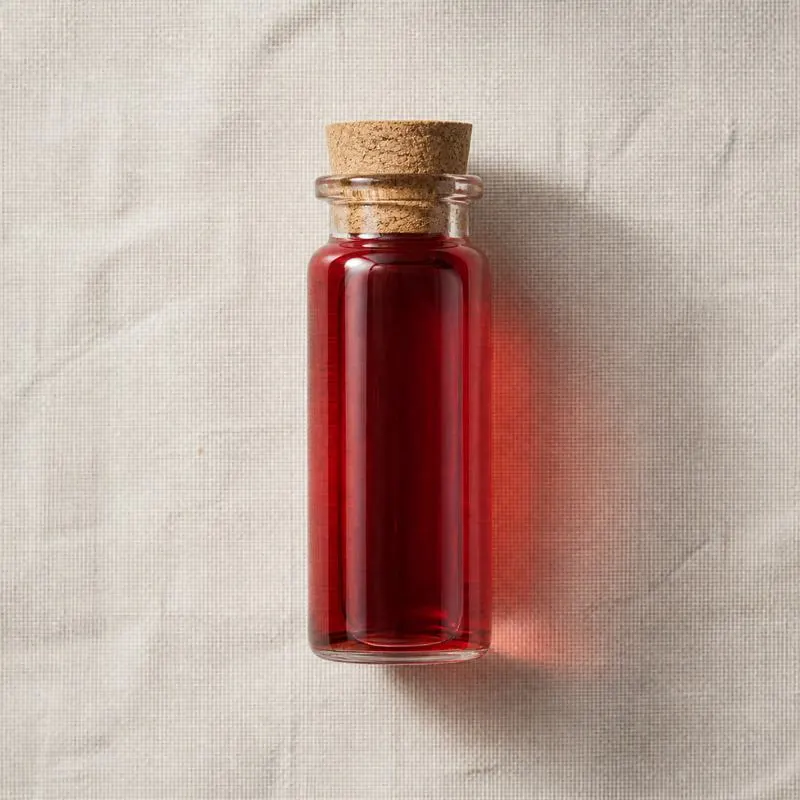
Gardenia Yellow
Gardenia Yellow is a water-soluble natural colourant extracted from the fruit of Gardenia jasminoides, used widely across East and Southeast Asia for bright lemon-yellow to golden-orange shades in noodles, confectionery, beverages, and pickled vegetables.
The principal colouring constituent is crocin, a digentiobiosyl ester of crocetin and the same pigment that gives saffron its colour. Gardenia fruit contains crocin at far higher concentrations than saffron stigmas, which makes it the commodity source of crocin for industrial use.
The colourant is water-soluble, heat-stable across most cooking ranges, and pH-stable from roughly 3 to 8. It is not currently assigned an E number and is regulated in Asia and Latin America rather than the European Union.
We source bulk Gardenia Yellow from top China manufacturers for our partners, working with several of them. The manufacturers are mostly in Yunnan, Beijing and Jiangxi. A smaller requirement can ship in a combined container with other ingredients.
Please send the grade you need, the volume and your destination port, and we will come back with a solution and a price.
or call +86-21-6858 0751
- Packaging
- 25 kg kraft paper bag with PE inner liner
- ISO 9001
- HACCP
- Halal
- Kosher
Specifications
Grades / Types Available: food grade
| Item | Specification |
|---|---|
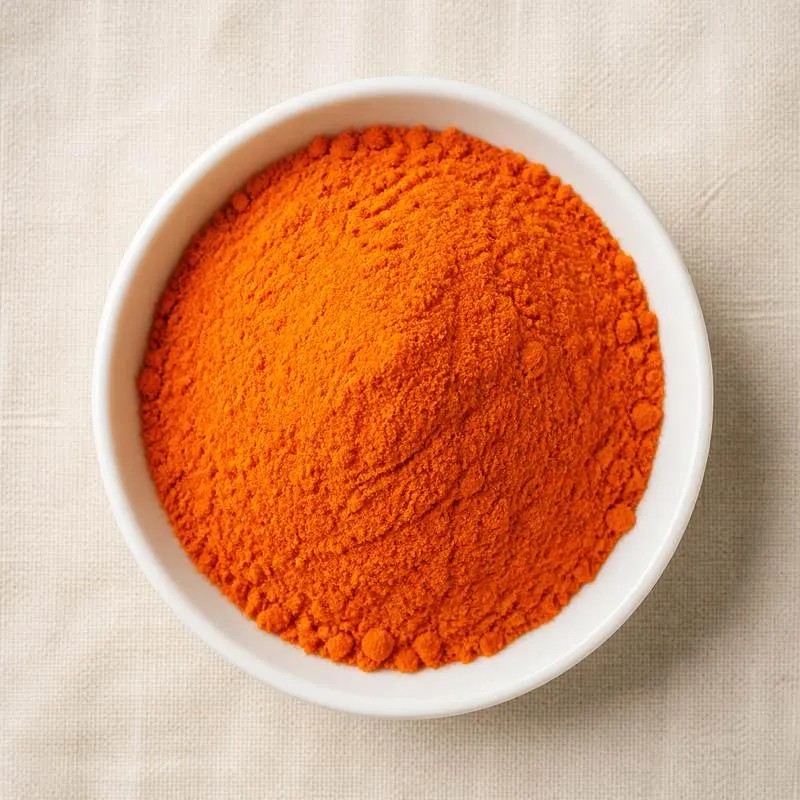
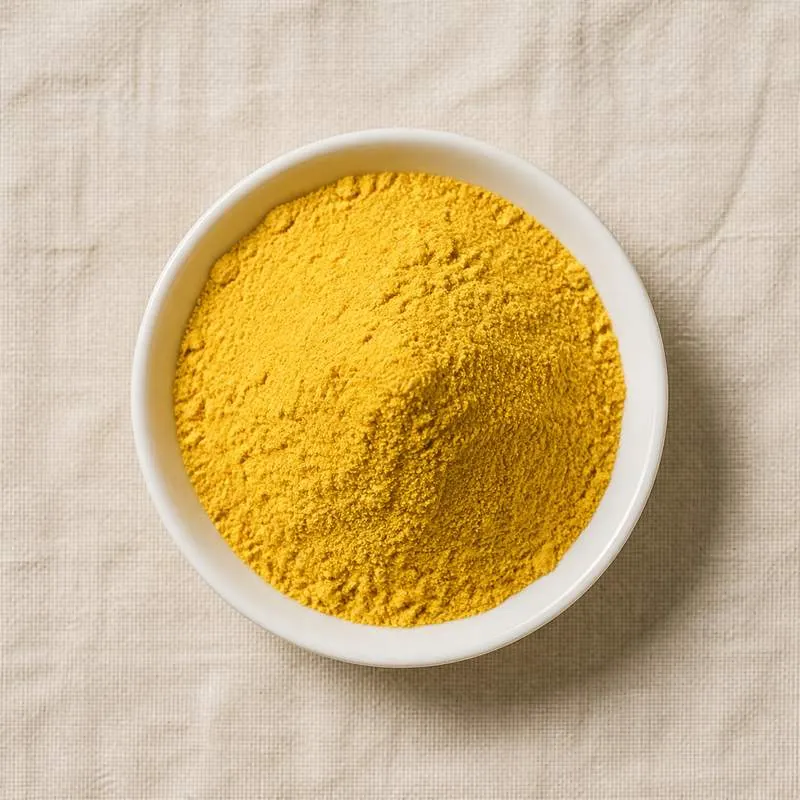
| Appearance | Yellow to orange-yellow powder |
| Colour Value (E1%, 440nm) | ≥ 50-300 (grade-dependent) |
| Moisture | ≤ 5.0% |
| pH Stability | pH 4.0-10.0 |
| Heavy Metals (as Pb) | ≤ 2 mg/kg |
| Total Plate Count | ≤ 1,000 cfu/g |
| Purity/Assay | ≥ 95% |
| Moisture/Loss on Drying | ≤ 5% |
| pH | 4.0 - 6.0 |
| Lead | ≤ 1 ppm |
| Arsenic | ≤ 1 ppm |
| Yeast & Mold | ≤ 100 cfu/g |
Common Markets Grades
Gardenia Yellow is graded by colour value (E1%, 1 cm at the absorbance maximum near 440 nm) and by physical format.
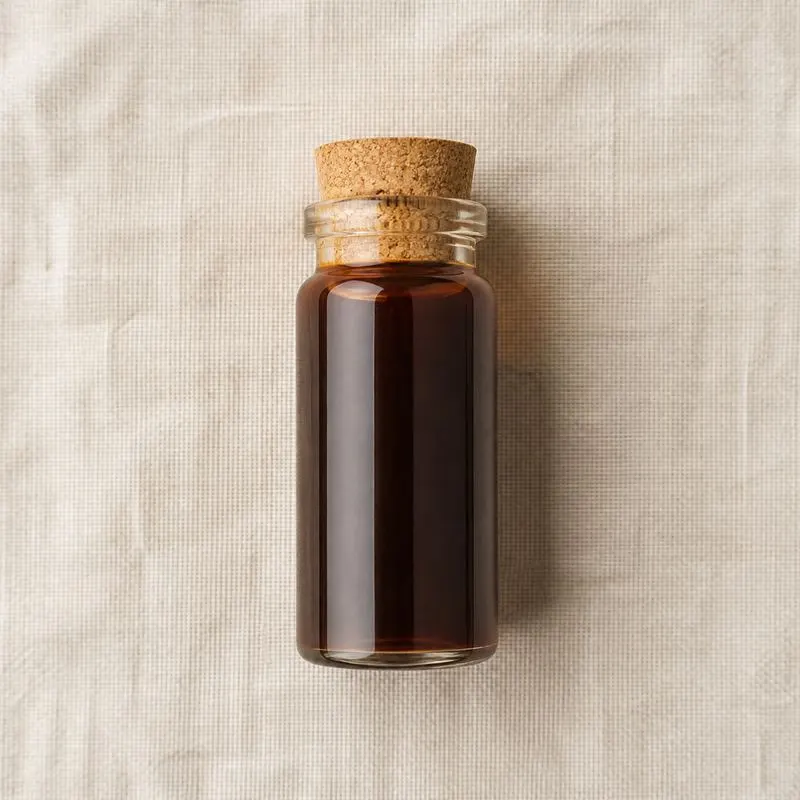
The standard liquid grade is a deep amber solution at a colour value of 200 to 400. It is convenient for noodle dough, beverage syrups, and condiment lines that can dose a free-flowing liquid.
Spray-dried powders at colour values of 200, 300, and 500 are produced for dry blends, seasoning mixes, and confectionery powders. A maltodextrin or dextrin carrier is typical.
Purified high-strength grades standardised to a crocin content of 5 to 25 percent are produced for analytical use and for low-dose, high-impact applications such as coloured sugar coatings.
Iridoid-reduced grades exist for processors who want to minimise the slight bitter background note of crude extracts.
Applications
- Wheat noodles, ramen-style noodles, and instant noodle seasoning oils
- Pickled radish (takuan-style) and other yellow pickled vegetables across Japan, Korea, and China
- Wagashi and other traditional Asian confectionery
- Bean paste fillings, mooncake yolks, and other festival products
- Soft drinks, fruit juices, and ready-to-drink teas for golden tones
- Ice cream, sorbets, and frozen desserts
- Bakery products such as sponge cakes, custard fillings, and bread crumb
- Surimi and fish-cake products for golden surface colour
- Liqueurs and rice wines in the Asian distilled-spirits category
- Confectionery glazes, panned coatings, and decorative sugar pearls
- Pet food and treats positioned on natural ingredient labels
Brands Using Gardenia Yellow
Widely-distributed consumer products that list Gardenia Yellow on the ingredient label.
- LotteBIGスイカバー (BIG Watermelon Bar) ↗原材料: ...着色料(野菜色素、紅花黄、紅麹、クチナシ)Label verified 2026-05-24
- Lotteスイカ&メロンバー (Watermelon & Melon Bar) ↗スイカ味: 着色料(野菜色素、紅花黄、紅麹、クチナシ); メロン味: 着色料(紅花黄、紅麹、クチナシ)Label verified 2026-05-24
- Itoham赤ウインナー (Red Wieners / Aka Wiener) ↗原材料: ...着色料(クチナシ、アナトー)Label verified 2026-05-24
Brand names, product names and logos are the property of their owners. They appear here as published evidence that the ingredient is used, taken from the brand's own label or website. Their appearance is not an endorsement, and it does not mean the brand buys from us or from any manufacturer listed on this site.
China Manufacturers of Gardenia Yellow
Top Gardenia Yellow manufacturers in China.
 Bionature Co., Ltd.8 ingredients in the directory
 CNJ Nature Co., Ltd.9 ingredients in the directory
- Hebei Yuhua Biotech Co., Ltd.4 ingredients in the directory
- Hubei Well-being Biotechnology Co., Ltd.7 ingredients in the directory
- Nanyang Tairui Biotechnology Co., Ltd.9 ingredients in the directory
- Yunnan Borui Bio-tech. Co., Ltd.11 ingredients in the directory
- Yunnan Tonghai Yang Natural Products Co., Ltd.8 ingredients in the directory
 Zhuhai Future Bio-tech. Co., Ltd.1 ingredient in the directory
Company names and logos are the property of the manufacturers themselves. They are listed here because our own directory records them as producing this ingredient. A listing is not an endorsement by them, and we do not represent them or speak on their behalf.
How We Help Source Gardenia Yellow
Direct Factory Sourcing
We run the whole process: selecting the manufacturer from the top Chinese food ingredient producers, negotiating the price, verifying quality, and coordinating the logistics. You deal with us instead of with several factories at once.
Original Packaging and Documents from the Manufacturer
The manufacturer sends your Gardenia Yellow out of its own factory in the original packing, through to your destination port. The COA, COO, MSDS, TDS and any certifications reach you from the manufacturer as well.
Free Samples and Lead Time
We send 100 to 500 g free for your own laboratory to test and you cover only the courier, usually within 2 to 3 working days. ETD is usually within 7 to 15 days once the order is confirmed, and we check that date against the factory's own manufacturing schedule before we give it to you.
Combined Shipment
We can load Gardenia Yellow together with other ingredients such as Beta Carotene, Caramel Colour and Lycopene into one 20' FCL. If your quantity is small, we can also ship LCL.
Regulatory Status
Gardenia Yellow is permitted as a natural food colourant across most of East and Southeast Asia and in much of Latin America.
It is listed in the Japanese List of Existing Food Additives and in the Korean Food Additives Code. Other Asian markets reference these listings or operate their own equivalent registrations.
The colourant is not currently approved as a food additive in the European Union, which has not assigned it an E number. The U.S. Food and Drug Administration has not listed crocin or gardenia extract as an approved colour additive for general food use, although 21 CFR 73.250 permits the broader category of fruit and vegetable juice colours where the extract qualifies.
JECFA has reviewed crocin and crocetin as constituents of saffron and gardenia and has not raised a safety concern at typical use levels. Halal and Kosher certifications are routinely available, since the substrate is a fruit and the processing aids can be selected accordingly.
Manufacturing Process
Gardenia Yellow is produced from the dried ripe fruit of Gardenia jasminoides, cultivated commercially in southern China, Japan, and parts of Southeast Asia.
The dried fruit is milled and extracted with hot water or aqueous ethanol. The crude extract is clarified by filtration and, in higher-grade processes, by ultrafiltration to remove proteins and large carbohydrates.
The clarified extract is then passed through adsorbent resins that retain the crocin and crocetin pigments while letting sugars, organic acids, and minerals pass through. Selective elution recovers the pigment fraction, which is concentrated under vacuum at low temperature to protect the apocarotenoid chromophore.
The concentrate is standardised to the target colour value and either packaged as a liquid or spray-dried with a maltodextrin carrier. Where geniposide and other iridoids need to be controlled (because of bitterness or because of downstream blue-pigment risk), an additional polishing step removes them before standardisation.