Beetroot Red
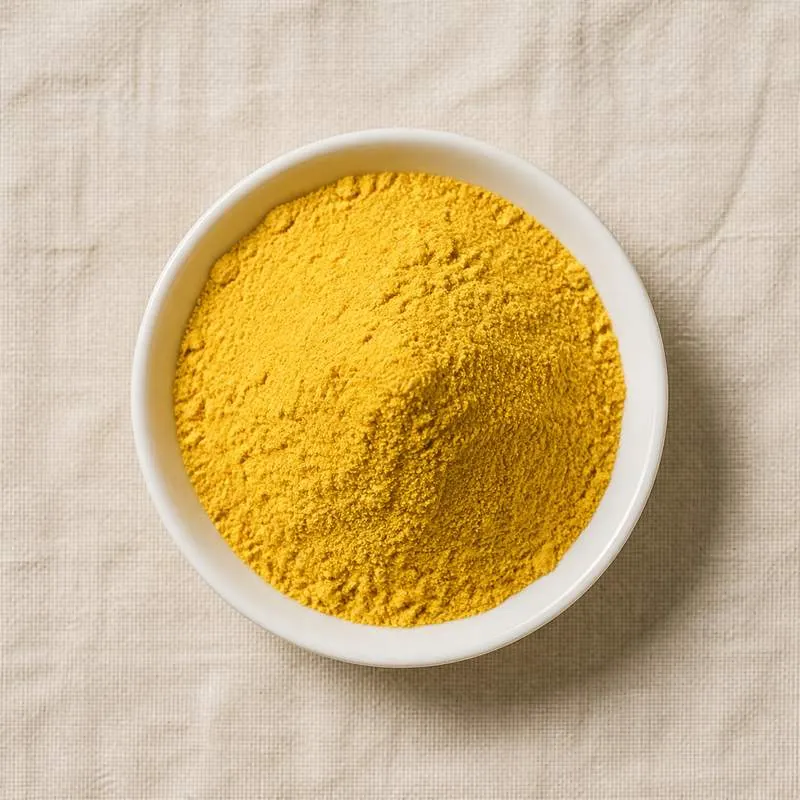
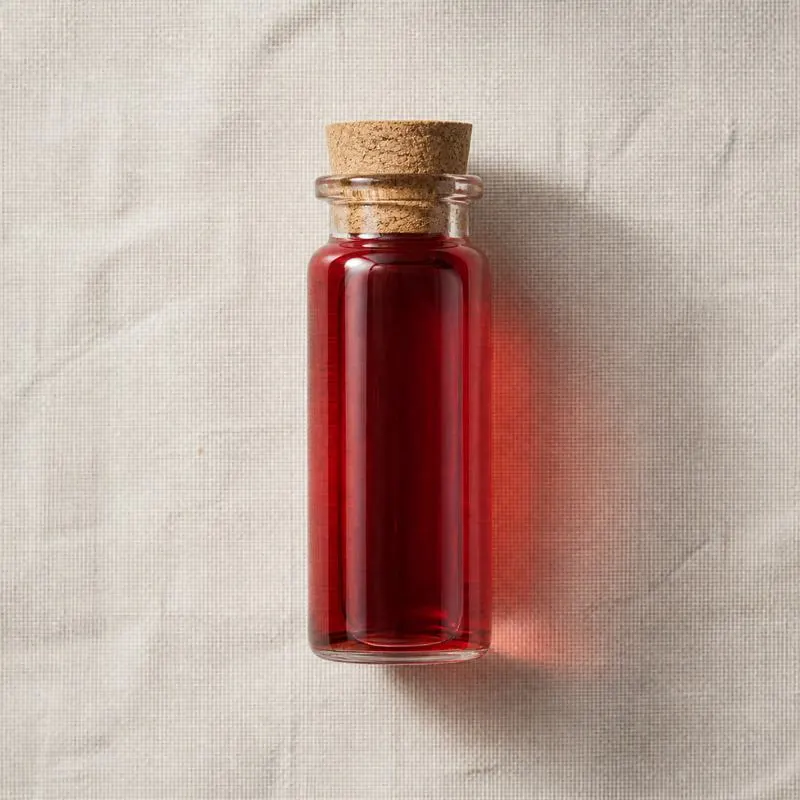
Beetroot Red is a water-soluble natural colourant extracted from red beetroot (Beta vulgaris), valued for the bright bluish-red to magenta shade it delivers in dairy, confectionery, and bakery applications.
The principal pigment is betanin, a glycosylated betalain in which betanidin is linked to glucose at the C5 hydroxyl. Betanin is structurally unrelated to anthocyanins and contains a dihydropyridine ring system that gives the molecule its strong absorption near 538 nm.
Beetroot Red is registered under CAS 7659-95-2 and listed as E162 in the European Union. Colour strength is measured as betanin content, typically reported as a percentage of the dry extract.
We source bulk Beetroot Red from top China manufacturers for our partners, working with several of them. The manufacturers are mostly in Shandong, Yunnan and Jiangxi. A smaller requirement can ship in a combined container with other ingredients.
Please send the grade you need, the volume and your destination port, and we will come back with a solution and a price.
or call +86-21-6858 0751
- Packaging
- 250 kg plastic drum or 1,000 kg IBC tote
- ISO 9001
- HACCP
- Halal
- Kosher
Specifications
Grades / Types Available: Food Grade, Feed Grade
| Item | Specification |
|---|---|
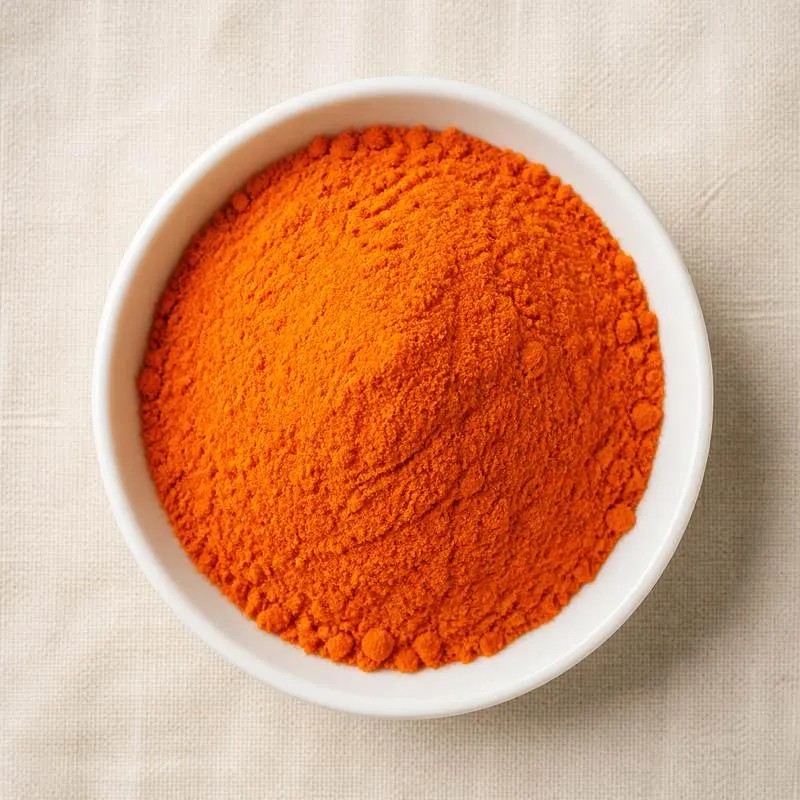
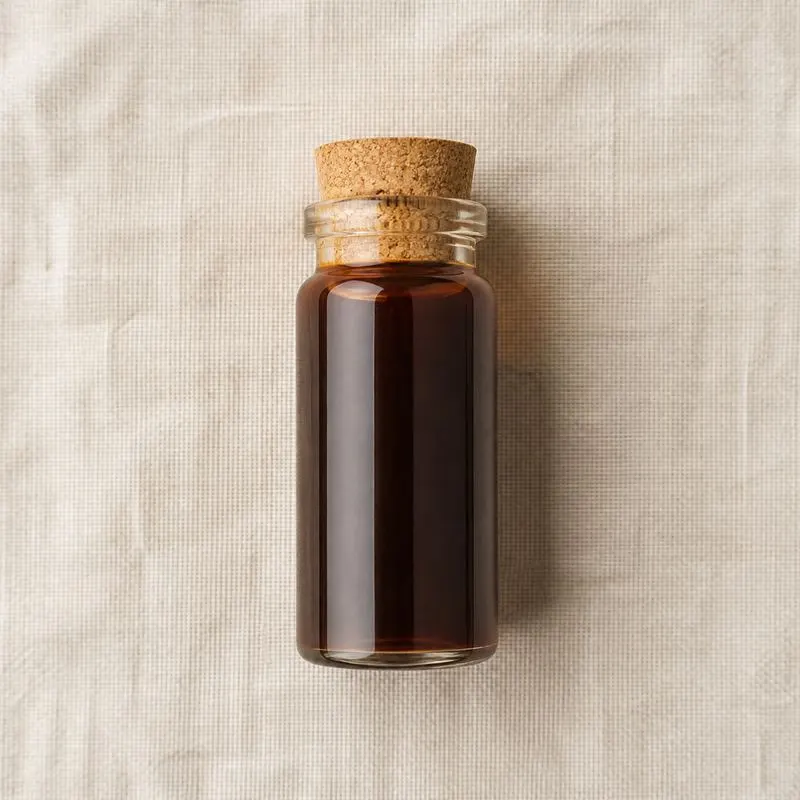
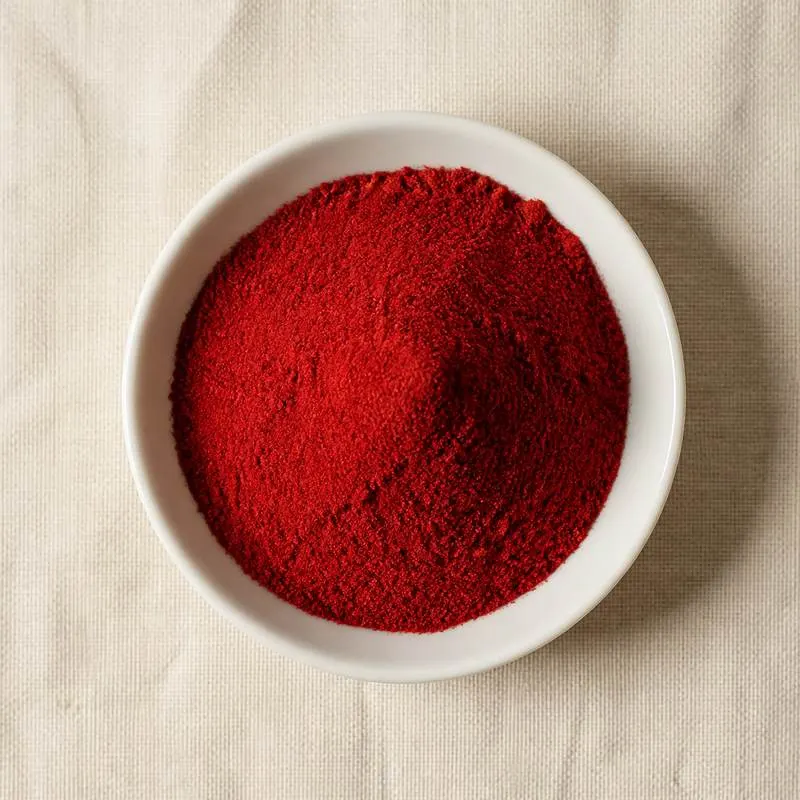
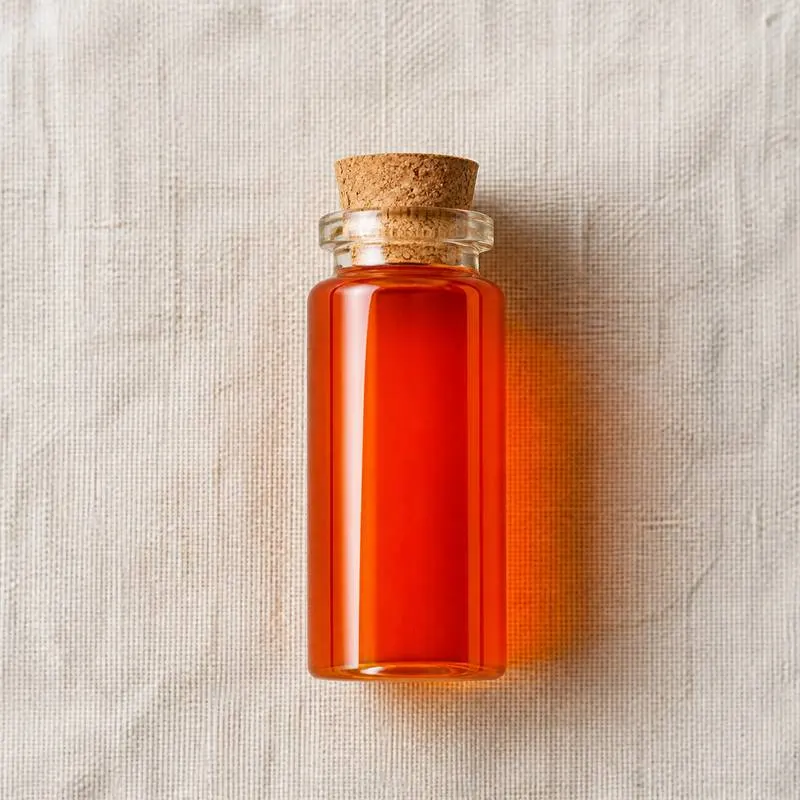
| Appearance | Dark red powder or liquid |
| Betanin Content | ≥ 0.4-1.0% (juice) / ≥ 2.5% (powder) |
| pH | 3.5-5.5 |
| Moisture | ≤ 5.0% (powder) |
| Heavy Metals (as Pb) | ≤ 2 mg/kg |
| Total Plate Count | ≤ 1,000 cfu/g |
| Purity/Assay (Food Grade) | 3.3 - 3.9 |
| Moisture/Loss on Drying | Low |
| Viscosity | Low |
Common Markets Grades
Beetroot Red is graded by betanin assay and by physical format.
Beetroot juice concentrate, with betanin in the range of 0.3 to 1 percent, is the simplest format. It carries the full flavour and sugar load of the source vegetable and suits clean-label fruit preparations and yogurt fruit bases.
Spray-dried beet juice powder at 0.4 to 1 percent betanin is the standard grade for dry blends, seasoning mixes, and tabletop applications. A maltodextrin carrier is typical, sometimes with added citric acid for pH stabilisation.
Purified beet extracts standardised to 1 to 4 percent betanin are used where higher colour load and lower flavour carryover are needed, particularly in confectionery and ice cream.
Concentrated liquid grades at 0.4 to 0.8 percent betanin are produced for beverage and dairy plants that prefer to dose a free-flowing solution rather than reconstitute a powder.
Applications
- Yogurt and flavoured milk products, especially strawberry and raspberry varieties
- Ice cream, sorbet, and frozen dessert toppings where a clean magenta tone is preferred over carmine
- Confectionery: gummies, fruit chews, jelly beans, and panned coatings
- Bakery fillings, frostings, and decorative cake gels
- Fruit preparations and jams in low-pH ranges where betanin is most stable
- Powdered beverage mixes and protein shake formulations
- Meat analogues and plant-based burger patties for colour contribution before and after cooking
- Pet treats and premium pet food for natural colour positioning
- Dietary supplements such as beetroot powder capsules and nitric-oxide pre-workout blends
- Cosmetics, particularly lip products and natural-positioning makeup
- Soup garnishes, instant noodle seasoning, and pickled vegetables
Brands Using Beetroot Red
Widely-distributed consumer products that list Beetroot Red on the ingredient label.
- Yoplait (General Mills)Protein Strawberry Cheesecake Yogurt ↗Ingredient list includes beet juice (for colour) along with kosher gelatin, sucralose, natural flavour, potassium sorbate, vitamin D3.Label verified 2026-05-24
- Yoplait (General Mills)Original Strawberry with Chocolate Yogurt ↗Ingredient list includes beet juice concentrate (for colour) along with kosher gelatin, corn starch, pectin, potassium sorbate, natural flavour.Label verified 2026-05-24
- MadeGoodBirthday Cake Drizzled Granola Bars ↗Sprinkles ingredient list includes beet red powder (and purple sweet potato powder) for colour.Label verified 2026-05-24
- Benecol (Raisio)Benecol Strawberry Yogurt Drinks ↗Benecol Strawberry Yogurt Drinks ingredient list (UK) uses beetroot juice as colour.Label verified 2026-05-24
- Benecol (Raisio)Benecol Strawberry Vegetarian Yogurts ↗Ingredient list includes beet root concentrate as colour.Label verified 2026-05-24
- Müller (Müller Light)Müller Light Strawberry Yogurt ↗Müller Light Strawberry uses beetroot juice and black carrot concentrates as colouring foods.Label verified 2026-05-24
Brand names, product names and logos are the property of their owners. They appear here as published evidence that the ingredient is used, taken from the brand's own label or website. Their appearance is not an endorsement, and it does not mean the brand buys from us or from any manufacturer listed on this site.
China Manufacturers of Beetroot Red
Top Beetroot Red manufacturers in China.
 Biocon Colors (Qingdao) Co., Ltd.7 ingredients in the directory
 CNJ Nature Co., Ltd.9 ingredients in the directory
- Naturlich (ZhuHai) Food Ingredients &Solutions10 ingredients in the directory
 QingDao PengYuan KangHua Natural Source Co., Ltd.4 ingredients in the directory
- Rongcheng Hexi Biotechnology Co., Ltd.5 ingredients in the directory
- Yunnan Borui Bio-tech. Co., Ltd.11 ingredients in the directory
- Yunnan Tonghai Yang Natural Products Co., Ltd.8 ingredients in the directory
Company names and logos are the property of the manufacturers themselves. They are listed here because our own directory records them as producing this ingredient. A listing is not an endorsement by them, and we do not represent them or speak on their behalf.
How We Help Source Beetroot Red
Direct Factory Sourcing
We run the whole process: selecting the manufacturer from the top Chinese food ingredient producers, negotiating the price, verifying quality, and coordinating the logistics. You deal with us instead of with several factories at once.
Original Packaging and Documents from the Manufacturer
The manufacturer sends your Beetroot Red out of its own factory in the original packing, through to your destination port. The COA, COO, MSDS, TDS and any certifications reach you from the manufacturer as well.
Free Samples and Lead Time
We send 100 to 500 g free for your own laboratory to test and you cover only the courier, usually within 2 to 3 working days. ETD is usually within 7 to 15 days once the order is confirmed, and we check that date against the factory's own manufacturing schedule before we give it to you.
Combined Shipment
We can load Beetroot Red together with other ingredients such as Beta Carotene, Caramel Colour and Lycopene into one 20' FCL. If your quantity is small, we can also ship LCL.
Regulatory Status
Beetroot Red is widely permitted as a food colourant.
In the European Union it is listed as E162 under Commission Regulation 231/2012, with specifications for betanin content, nitrate level, and residual moisture.
The U.S. Food and Drug Administration permits dehydrated beets (beet powder) and vegetable juices as colour additives exempt from certification under 21 CFR 73.40 and 21 CFR 73.260. Beetroot extract qualifies under the vegetable juice listing when produced and used within the conditions of that regulation.
JECFA has evaluated beetroot red and concluded that an ADI is not specified, given its long history of dietary consumption and low toxicity.
Pharmacopoeial monographs are not generally established for beetroot extract, since it is treated as a vegetable preparation. Halal and Kosher certifications are routinely available, since the substrate is a vegetable and processing aids can be selected accordingly.
Manufacturing Process
Beetroot Red is produced from cultivars of Beta vulgaris selected for high pigment content and low geosmin levels.
Fresh beets are washed, peeled where needed, and either pressed for juice or diffused in water. The crude juice is clarified by centrifugation and filtration, then concentrated under vacuum at low temperature to protect the heat-sensitive pigment.
For purified grades, the concentrate is further processed by ultrafiltration to remove proteins and high-molecular-weight carbohydrates, then by ion-exchange or adsorbent columns to fractionate betanin from sugars, salts, and the off-flavour compound geosmin. The polished extract is spray-dried with maltodextrin to a target betanin assay.
Fermentation pretreatment with selected yeast strains is sometimes used to reduce the sugar load and to develop a milder flavour profile in concentrates intended for confectionery and ice cream.