Caramel Colour
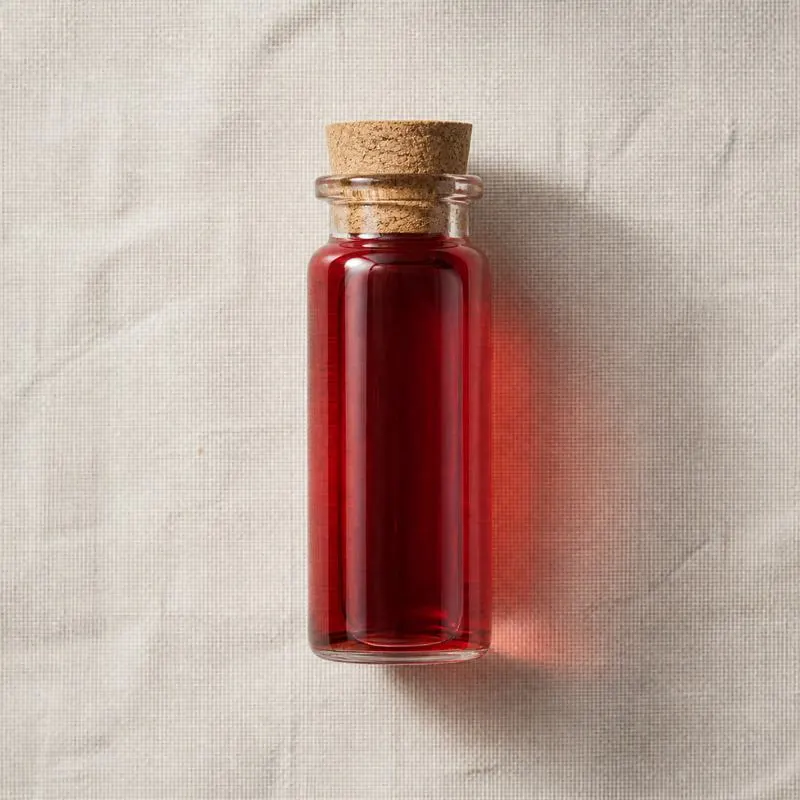
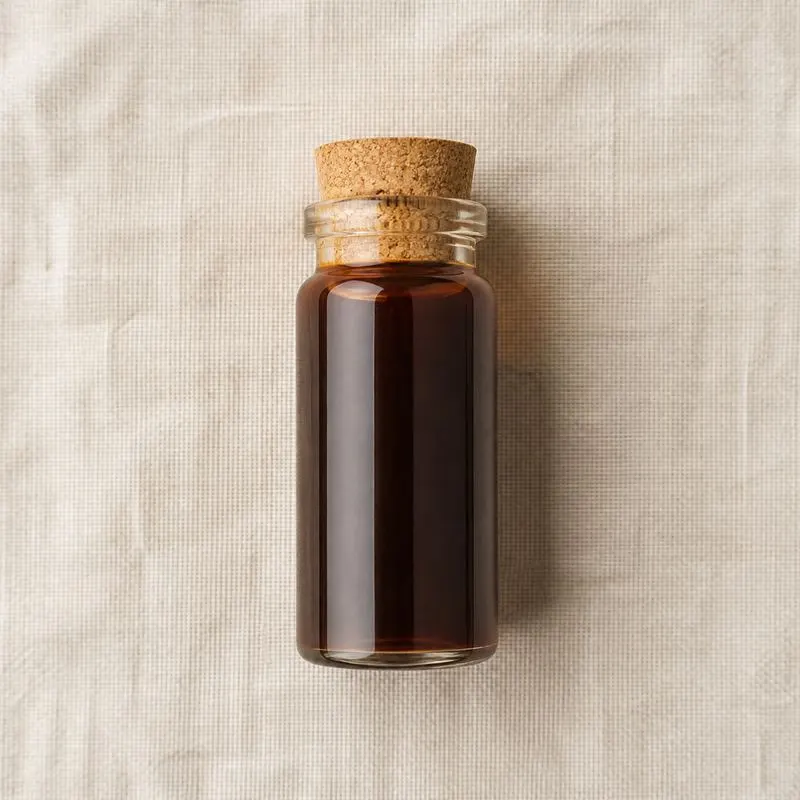
Caramel Colour is the oldest and most widely used food colourant in the world, delivering shades from pale gold to deep mahogany and almost-black brown across beverages, sauces, bakery, and confectionery.
It is a complex mixture of high-molecular-weight melanoidins, low-molecular-weight aromatic compounds, and reducing sugars produced by the controlled thermal treatment of carbohydrates. The colourant is water-soluble, acid-stable in most classes, and contributes a slight caramelized note that pairs well with cola, malt, and roasted flavour systems.
It is classified under CAS 8028-89-5 and assigned four distinct technical classes (E150a, E150b, E150c, and E150d) that differ by the catalysts used during manufacture and by their behaviour in acidic or tannin-rich foods.
We source bulk Caramel Colour from top China manufacturers for our partners, working with several of them. The manufacturers are mostly in Hebei, Shandong and Shanghai. A smaller requirement can ship in a combined container with other ingredients.
Please send the grade you need, the volume and your destination port, and we will come back with a solution and a price.
or call +86-21-6858 0751
- Packaging
- 20 kg fibre drum, light-shielded
- ISO 9001
- HACCP
- Halal
- Kosher
Specifications
| Item | Specification |
|---|---|
| Appearance | Dark brown to nearly black liquid or powder |
| Source | Controlled heat treatment of food-grade carbohydrate |
| Class | E150a, E150b, E150c, or E150d |
| Color intensity (EBC) | 20,000 to 50,000 (per grade) |
| pH (liquid) | 2.5 to 5.0 (acid-proof); 3.5 to 6.0 (other classes) |
| Solubility | Freely soluble in water |
| Light stability | Excellent |
| Heat stability | Excellent through baking, retort, and UHT |
| 4-MEI (E150c, E150d) | Per market specification (typically ≤ 250 mg/kg, low grades ≤ 50 mg/kg) |
| Sulfite (E150b, E150d) | Per class specification |
| Lead | ≤ 2 mg/kg |
| Arsenic | ≤ 1 mg/kg |
Common Markets Grades
Caramel Colour is graded by class and by tinctorial strength, usually reported as absorbance at 610 nm on a 0.1 percent solution (EBC units) or as colour intensity per gram.
Class I (E150a, plain caramel) is produced without ammonium or sulphite compounds. It is mild in flavour, suited to whisky, brandy, and other spirits where label simplicity matters.
Class II (E150b, caustic sulphite caramel) is processed with sulphite ions and delivers reddish-brown tones for cognac, sherry, and certain vinegars.
Class III (E150c, ammonia caramel) is produced with ammonium compounds and gives the warm brown tones used in beer, soy sauce, gravy, baked goods, and pet food.
Class IV (E150d, sulphite ammonia caramel) is the standard grade for cola, soft drinks, and acidified beverages. It carries a negative colloidal charge that resists flocculation in low-pH systems. Powder and liquid formats are both common, with liquid concentrates of around 50 percent solids the most common in beverage plants.
Applications
- Cola-type carbonated soft drinks where acid stability and negative-charge colloidal behaviour are essential
- Brewing of dark beers, stouts, and specialty lagers as both a colour and a flavour addition
- Whisky, brandy, rum, and other aged spirits for colour standardisation batch to batch
- Soy sauce, oyster sauce, teriyaki, and other Asian condiment bases
- Gravies, brown sauces, demi-glace concentrates, and bouillon cubes
- Bakery products including rye breads, pumpernickel, gingerbread, and dark cake crumbs
- Confectionery such as toffees, fudge, caramels, and licorice
- Vinegars, especially balsamic-style and malt vinegars
- Pet food gravies, semi-moist treats, and extruded kibble coatings
- Coffee substitutes, cereal beverages, and instant coffee blends
- Pharmaceutical syrups and elixirs as a tinting and masking agent
Brands Using Caramel Colour
Widely-distributed consumer products that list Caramel Colour on the ingredient label.
- Coca-ColaCoca-Cola Original ↗Coca-Cola Original ingredients: carbonated water, cane sugar (or HFCS), caramel colour, phosphoric acid, natural flavours, caffeine.Label verified 2026-05-24
- Coca-ColaDiet Coke ↗Diet Coke contains carbonated water, caramel colour, aspartame, phosphoric acid, potassium benzoate, natural flavours, citric acid, caffeine.Label verified 2026-05-24
- Pepsi (PepsiCo)Pepsi Cola ↗Pepsi Cola ingredients: Carbonated Water, High Fructose Corn Syrup, Caramel Color, Sugar, Phosphoric Acid, Caffeine, Citric Acid, Natural Flavor.Label verified 2026-05-24
- Pepsi (PepsiCo)Pepsi Salted Caramel Cola ↗Pepsi Salted Caramel Cola SmartLabel page lists Caramel Color in ingredients.Label verified 2026-05-24
- Dr Pepper (Keurig Dr Pepper)Dr Pepper ↗Dr Pepper ingredients include caramel colour (also carbonated water, HFCS, phosphoric acid, natural and artificial flavours, sodium benzoate, caffeine).Label verified 2026-05-24
- Dr Pepper (Keurig Dr Pepper)Dr Pepper Made With Real Sugar ↗Dr Pepper Made with Real Sugar lists caramel colour among its ingredients with sugar, phosphoric acid, natural and artificial flavours, sodium benzoate, caffeine.Label verified 2026-05-24
- KikkomanSweet Soy Glaze ↗Kikkoman Sweet Soy Glaze ingredient list includes caramel colour.Label verified 2026-05-24
- KikkomanGluten-Free Hoisin Sauce ↗Kikkoman Gluten-Free Hoisin Sauce ingredient list includes caramel colour.Label verified 2026-05-24
- Hershey'sHershey's Caramel Syrup ↗Hershey's Caramel Syrup ingredient list includes caramel color (in the 'Contains 2% or Less of' section with disodium phosphate, sodium citrate, artificial flavour, salt, xanthan gum).Label verified 2026-05-24
Brand names, product names and logos are the property of their owners. They appear here as published evidence that the ingredient is used, taken from the brand's own label or website. Their appearance is not an endorsement, and it does not mean the brand buys from us or from any manufacturer listed on this site.
China Manufacturers of Caramel Colour
Top Caramel Colour manufacturers in China.
 Aipu Food Industry Co., Ltd.5 ingredients in the directory
 Forbon Xiangyu (Yueyang) Biotechnology Co., Ltd.1 ingredient in the directory
 Guilin Hongxing Chemical Co., Ltd.4 ingredients in the directory
 Hebei Zhongkai Food Industry Co., Ltd.4 ingredients in the directory
- Jinan Pingyin County Wentai Food Additives Co., Ltd.1 ingredient in the directory
 Qinhuangdao PengZe Sugar Industry Co., Ltd.1 ingredient in the directory
 Sethness - Roquette Food Ingredients (Lianyungang) Co., Ltd.3 ingredients in the directory
 Shandong Zhonghui Biotechnology Co., Ltd.6 ingredients in the directory
 Zhaoqing Huanfa Biotechnology Co., Ltd.10 ingredients in the directory
 Zhejiang Tiansheng Food Co., Ltd.8 ingredients in the directory
Company names and logos are the property of the manufacturers themselves. They are listed here because our own directory records them as producing this ingredient. A listing is not an endorsement by them, and we do not represent them or speak on their behalf.
How We Help Source Caramel Colour
Direct Factory Sourcing
We run the whole process: selecting the manufacturer from the top Chinese food ingredient producers, negotiating the price, verifying quality, and coordinating the logistics. You deal with us instead of with several factories at once.
Original Packaging and Documents from the Manufacturer
The manufacturer sends your Caramel Colour out of its own factory in the original packing, through to your destination port. The COA, COO, MSDS, TDS and any certifications reach you from the manufacturer as well.
Free Samples and Lead Time
We send 100 to 500 g free for your own laboratory to test and you cover only the courier, usually within 2 to 3 working days. ETD is usually within 7 to 15 days once the order is confirmed, and we check that date against the factory's own manufacturing schedule before we give it to you.
Combined Shipment
We can load Caramel Colour together with other ingredients such as Beta Carotene, Lycopene and Paprika Oleoresin into one 20' FCL. If your quantity is small, we can also ship LCL.
Regulatory Status
Caramel Colour is permitted as a food colourant in essentially every regulated jurisdiction.
In the European Union it carries E150a, E150b, E150c, and E150d, each with its own specification for total nitrogen, sulphur dioxide, and 4-MEI content under Commission Regulation 231/2012.
The U.S. Food and Drug Administration lists caramel under 21 CFR 73.85 as a colour additive exempt from certification, with no quantitative limit when used in accordance with good manufacturing practice. California Proposition 65 lists 4-MEI as a chemical requiring warning above defined daily exposure, which has driven reformulation of Class IV grades for the U.S. beverage market.
JECFA has evaluated all four classes and assigned individual ADIs that distinguish between processing routes. Pharmacopoeial monographs for caramel are included in the United States Pharmacopeia and the European Pharmacopoeia.
Halal and Kosher certifications are routinely available, since the substrate sugars and catalysts are non-animal in origin.
Manufacturing Process
Caramel Colour is manufactured by the controlled heating of food-grade carbohydrates, typically glucose syrup, sucrose, invert sugar, or hydrolysed starch.
The sugar feedstock is held in a pressurized reactor at 120 to 180 degrees Celsius for several hours. Depending on the class being produced, food-grade catalysts such as sodium hydroxide, ammonium hydroxide, ammonium sulphite, or sulphurous acid are introduced to direct the Maillard and caramelization pathways toward the desired hue, charge, and stability profile.
The reaction is quenched, the syrup is filtered and standardised to a target colour intensity, and the liquid product is either shipped as a concentrate or spray-dried into a free-flowing powder. Final pH, salt content, and ionic charge are adjusted to meet the application class.
Residual reaction byproducts, particularly 4-methylimidazole (4-MEI) in Class III and IV grades, are tracked closely because of regulatory limits in certain markets.