Chicken Paste
Chicken paste is the high-solids paste format of chicken seasoning, made by concentrating a poultry extract or hydrolysate and reacting it with sugars, amino acids and chicken fat to build cooked flavour. It sits between a plain chicken extract, which is a natural concentrate, and a spray-dried chicken flavour powder, and is chosen where a manufacturer wants the depth of a reacted flavour without the aroma losses that drying imposes.
The paste holds its character because nothing is removed after the reaction. Volatile aldehydes, pyrazines and sulphur compounds formed during heating stay dissolved in the fat and in the concentrated aqueous phase rather than being driven off in a spray tower, so a paste typically tastes rounder and more roasted than a powder of the same formula.
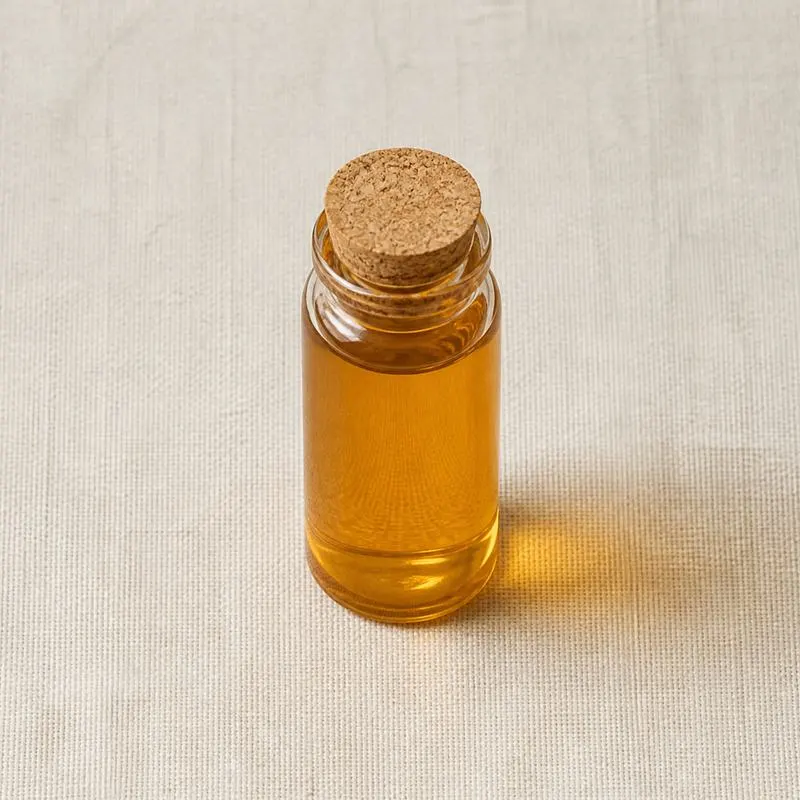
Physically it is a thick, spoonable brown to golden paste at fifty to seventy percent solids, with salt and low water activity providing the preservation. It softens on warming and disperses in hot water under agitation, though it needs shear or pre-dilution to disperse cleanly into cold systems, and separation of a surface fat layer during storage is normal and is redispersed by stirring.
We source bulk Chicken Paste from top China manufacturers for our partners, working with several of them. The manufacturers are in Beijing, Shandong and Jiangsu. A smaller requirement can ship in a combined container with other ingredients.
Please send the grade you need, the volume and your destination port, and we will come back with a solution and a price.
or call +86-21-6858 0751
- Function
- Flavours and Aromas
Specifications
| Item | Specification |
|---|---|
| Appearance | Thick golden to brown paste, slight surface fat separation acceptable |
| Odour and Flavour | Characteristic cooked chicken, matching retained reference |
| Total Solids | 50.0 to 70.0 percent |
| Sodium Chloride | 10.0 to 30.0 percent depending on grade |
| Total Nitrogen | Not less than 2.0 percent |
| Fat | 5.0 to 25.0 percent depending on grade |
| Water Activity | Not more than 0.85 for ambient stable grades |
| pH, 10 percent solution | 5.0 to 6.5 |
| 3-MCPD | Within the applicable regulatory limit for the destination market |
| Lead | Not more than 1 mg/kg |
| Total Plate Count | Not more than 10,000 cfu/g |
| Yeast and Mould | Not more than 100 cfu/g |
| E. coli | Absent in 1 g |
| Salmonella | Absent in 25 g |
Common Markets Grades
Grades are defined by profile and by raw material. Boiled chicken, roast chicken, fried chicken skin and chicken broth profiles are formulated separately. Pastes built on hydrolysed chicken protein and chicken fat carry genuine poultry material and require halal certification traced to the slaughter of the source birds, while pastes built on hydrolysed vegetable protein and yeast extract with a chicken profile are suitable for vegetarian and plant-based use and are declared differently.
Solids content and salt level are specified together, since both control water activity and therefore ambient stability, with higher-salt grades holding without refrigeration and low-salt grades usually shipped chilled or frozen. Strength is quoted as the dosage in parts per thousand needed to match a reference, and clean label grades replace acid-hydrolysed protein with enzymatically digested or fermented substrates so that the ingredient list reads as chicken extract and yeast extract rather than as flavouring.
Applications
- Instant noodle soup bases, where the paste supplies body beneath a lighter topping flavour
- Soup, congee and broth bases for foodservice and central kitchens
- Sauces, gravies and braising liquids, dispersed directly into the hot phase
- Retorted and frozen ready meals, where the reacted body survives thermal processing
- Bouillon and stock cube manufacture, blended with salt and dried to a solid block
- Injection brines and marinades for further-processed poultry
- Dumpling, bun and pastry fillings
- Hotpot and dipping sauce bases
- Plant-based analogue products, using the vegetarian grades for poultry character
- Wet pet food, as a palatant in the gravy phase
China Manufacturers of Chicken Paste
Top Chicken Paste manufacturers in China.
- Beijing Bobang Food Ingredient Co., Ltd.4 ingredients in the directory
- Shandong HuaweiTe Biotechnology Co., Ltd.3 ingredients in the directory
- Taizhou Aohua Food Co., Ltd.4 ingredients in the directory
Company names and logos are the property of the manufacturers themselves. They are listed here because our own directory records them as producing this ingredient. A listing is not an endorsement by them, and we do not represent them or speak on their behalf.
Regulatory Status
Chicken paste built on poultry raw material is a food ingredient rather than an additive and carries no E number. In the United States products containing poultry-derived material are under USDA Food Safety and Inspection Service jurisdiction rather than the FDA, requiring production in an inspected establishment under a HACCP plan, and hydrolysed protein is declared by source on the ingredient list. The FEMA GRAS programme covers flavouring substances added on top of the reaction, and the natural against artificial flavour declaration follows 21 CFR 101.22.
In the European Union the reacted portion falls within the thermal process flavourings category of Regulation (EC) No 1334/2008, which sets the permitted starting materials and the temperature and time conditions under which such flavourings may be produced, and limits certain substances that can form during heating. Poultry-containing grades are also products of animal origin under the food hygiene package, so the establishment requires approval and imports require health certification. Where acid-hydrolysed vegetable protein is present, 3-MCPD and its esters are controlled by alkaline treatment of the hydrolysate and are monitored on release.
Manufacturing Process
Production starts from a poultry extract or an enzymatically hydrolysed chicken protein, prepared by extracting frames, trimmings and bone in water, separating the fat and spent solids by centrifuge, and digesting the aqueous phase with proteases to raise free amino nitrogen. This liquor is concentrated under vacuum, then charged to a jacketed reactor with reducing sugars, cysteine, thiamine, salt and rendered chicken fat.
The reactor is held at a mildly acid pH and heated under agitation, usually between 95 and 120 degrees Celsius for thirty minutes to two hours, during which Maillard condensation and lipid degradation generate the cooked chicken aroma and the colour deepens. The batch is cooled rapidly to stop the reaction at the intended point, then adjusted for salt, viscosity and top notes. Unlike a powder route there is no drying step, so the paste goes directly to a hot fill or to a pasteurisation and cool cycle before being packed into pails, drums or aseptic bags. Release testing covers solids, salt, water activity and a sensory comparison against a retained reference.