Chicken Extract
Chicken extract is the concentrated water soluble fraction of chicken meat and bone, produced by cooking the raw material in water, separating the fat and insoluble solids, and evaporating the resulting stock to a paste or a powder. It is a compositionally defined food ingredient rather than a single chemical, and it is the poultry counterpart of beef extract.
Its savoury effect rests on free amino acids and small peptides, on 5' nucleotides including inosine monophosphate, and on the dipeptides carnosine and anserine, which are present in poultry muscle at high levels and are used analytically to distinguish a genuine chicken extract from a vegetable protein hydrolysate sold as one. The aroma comes from sulphur compounds and carbonyls formed during cooking, and it is far more delicate than the beef equivalent, which is why chicken extract is added late and handled gently.
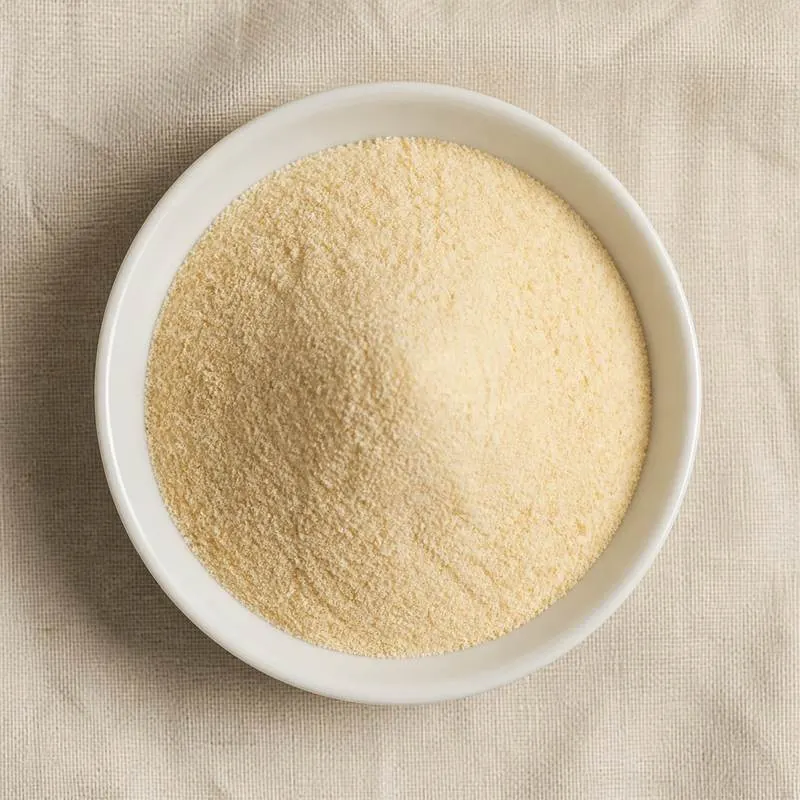
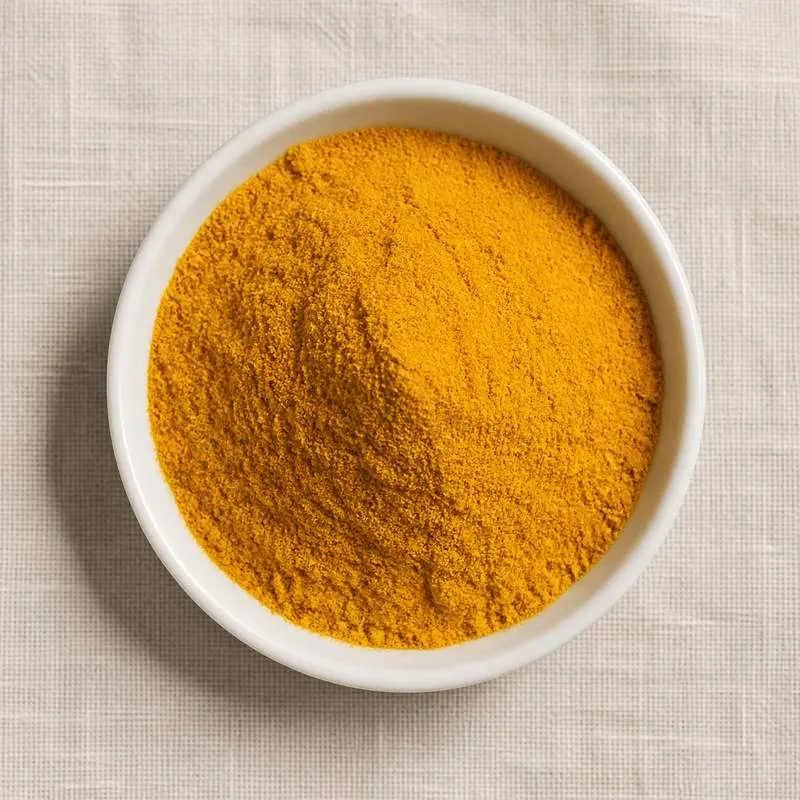
Two forms are traded. Paste is a light to mid brown viscous semi solid at roughly seventy five to eighty percent solids, and powder is a cream to light brown free flowing solid produced by spray drying the same concentrate, usually with a carrier. Both dissolve in hot water to a slightly cloudy golden stock, and both are hygroscopic, the powder caking readily if the packaging is breached.
We source bulk Chicken Extract from top China manufacturers for our partners. The manufacturer is in Guangdong. A smaller requirement can ship in a combined container with other ingredients.
Please send the grade you need, the volume and your destination port, and we will come back with a solution and a price.
or call +86-21-6858 0751
- Function
- Plant extract
Specifications
| Item | Specification |
|---|---|
| Appearance | Cream to light brown free flowing powder |
| Odour and Taste | Characteristic cooked chicken, savoury, free of rancid notes |
| Solubility | Soluble in hot water, solution golden and slightly hazy |
| Total Solids | ≥ 95.0% |
| Total Nitrogen | ≥ 8.0% (dry basis) |
| Amino Nitrogen | ≥ 2.0% (dry basis) |
| Carnosine and Anserine | Present, confirming poultry origin |
| Fat | ≤ 2.0% |
| Sodium Chloride | ≤ 5.0% (unsalted grade) |
| Loss on Drying | ≤ 5.0% |
| Total Ash | ≤ 20.0% |
| pH (2% solution) | 5.5 to 6.8 |
| Lead | ≤ 1.0 mg/kg |
| Arsenic | ≤ 0.5 mg/kg |
| Total Plate Count | ≤ 10,000 cfu/g |
| Yeast and Mould | ≤ 100 cfu/g |
| Escherichia coli | Negative in 1 g |
| Salmonella | Negative in 25 g |
Common Markets Grades
Total solids and total nitrogen define the base grades, with paste at 75 to 80 percent solids and spray dried powder above 95 percent, and both quoted alongside a salt figure since salted and unsalted versions are separate items. Fat content is stated because it carries much of the aroma and also controls oxidative stability.
Beyond that the trade separates extracts made from meat alone, from meat and bone, and from bone or frame material, the last being cheaper and thinner in flavour. Enzymatically hydrolysed grades, in which a protease raises the free amino acid content and the yield, are distinguished from purely thermally produced extracts because both the profile and the labelling differ. Halal certified material is a significant part of the poultry extract trade and is made on dedicated lines with certified slaughter sourcing. Clean label grades made without added monosodium glutamate or hydrolysed vegetable protein, and grades declaring a carnosine and anserine figure as an authenticity check, are traded as separate specifications.
Applications
- Bouillon cubes and chicken stock powders, where the extract supplies the poultry character that salt and yeast extract cannot
- Instant noodle seasoning sachets, one of the largest single outlets for the powdered grade
- Soup bases and wet soup concentrates, contributing savoury depth and a golden stock colour
- Sauces and gravies, where the paste dissolves into the starch or roux system on heating
- Savoury snack seasonings applied as a topical dust on crisps and extruded snacks
- Ready meals and retort products, dosed after the heat step because the aroma is heat labile
- Processed poultry products such as nuggets and marinated portions, reinforcing cooked chicken notes
- Ready to drink essence of chicken style beverages, a long established category in East and Southeast Asia
- Pet food palatants, applied as a coating on kibble to raise acceptance
Brands Using Chicken Extract
Widely-distributed consumer products that list Chicken Extract on the ingredient label.
- BRAND'SEssence of Chicken Original ↗Bottled chicken essence drink made from concentrated chicken extract, with at least 34 mg of the chicken dipeptide carnosine per 68 ml bottle.Label verified 2026-08-31
- BRAND'SEssence of Chicken Drink ↗Chicken essence drink with fats and cholesterol removed and no added preservatives or artificial flavouring.Label verified 2026-08-31
Brand names, product names and logos are the property of their owners. They appear here as published evidence that the ingredient is used, taken from the brand's own label or website. Their appearance is not an endorsement, and it does not mean the brand buys from us or from any manufacturer listed on this site.
China Manufacturers of Chicken Extract
Top Chicken Extract manufacturers in China.
Company names and logos are the property of the manufacturers themselves. They are listed here because our own directory records them as producing this ingredient. A listing is not an endorsement by them, and we do not represent them or speak on their behalf.
Regulatory Status
In the United States, chicken extract is a poultry food product under the jurisdiction of the Food Safety and Inspection Service of the Department of Agriculture, produced in an inspected establishment and labelled under the meat and poultry labelling rules rather than as a food additive. Poultry extracts and hydrolysates are also recognised as flavouring materials by the Flavour and Extract Manufacturers Association where they are used at flavour level.
In the European Union chicken extract is a food ingredient, not a food additive, so no E number applies and it is declared by name on the ingredient list. It is made under the hygiene rules for food of animal origin in an approved establishment, carries an identification mark, and consignments entering the Union require a veterinary health certificate from an approved country and establishment. Poultry material is additionally subject to the Union's avian influenza import restrictions, which can suspend trade from an affected region at short notice, and to the salmonella control programmes applying to poultry. Codex has no commodity standard specific to chicken extract, and JECFA has issued no additive specification for it, since the material is a food rather than an additive.
Manufacturing Process
Chicken meat, trimmings or frames from an inspected plant are ground and loaded into jacketed extraction vessels with water. The charge is cooked at controlled temperature, which denatures the muscle protein and drives the soluble fraction into the liquid. Fat is skimmed and removed by centrifugation while the batch is hot, and the coagulated insoluble protein is separated by decanting, screening and a further centrifugal stage. Where yield and free amino acid content are to be raised, a food grade protease is dosed and then inactivated by heat before separation.
The clarified stock is filtered and concentrated in a falling film or multiple effect vacuum evaporator at low temperature, which limits both darkening and the loss of the volatile aroma that distinguishes chicken extract from a generic savoury base. Concentration continues to the target solids, monitored by refractometry. The concentrate is standardised for nitrogen, fat and salt, then either hot filled as paste into lined drums and cooled, or taken to a spray drier with a carrier such as maltodextrin or salt to give a free flowing powder. Both forms are pasteurised by the process heat and are released against a microbiological specification.