Yeast Extract
Yeast Extract is the soluble fraction of Saccharomyces cerevisiae cells after autolysis and removal of the cell wall debris. It is the standard savory flavour builder of the modern food industry and the primary natural source of glutamate in clean-label formulations.
The extract carries 6 to 12 percent free glutamic acid, 40 to 60 percent total amino acids and peptides, 5 to 8 percent nucleotides, and a B-vitamin profile from the parent yeast cells.
The combination of glutamate and the 5'-ribonucleotides inosinate and guanylate gives yeast extract a deep umami taste that works with salt and meat-derived flavour in soups, sauces, snacks, and meat alternatives.
We source bulk Yeast Extract from top China manufacturers for our partners, working with several of them. The manufacturers are mostly in Hubei, Liaoning and Ningxia. For this ingredient the minimum order is 500 kg and a 20-foot container takes 10 MT, and a smaller requirement can ship in a combined container with other ingredients.
Please send the grade you need, the volume and your destination port, and we will come back with a solution and a price.
or call +86-21-6858 0751
- Minimum order
- 500 kg
- Qty in 20' FCL
- 10 MT
- Packaging
- 25 kg fibre drum with double PE liner
- Function
- Plant extract
- ISO 9001
- HACCP
- Halal
- Kosher
Specifications
Grades / Types Available: Food Grade, Feed Grade
| Item | Specification |
|---|---|
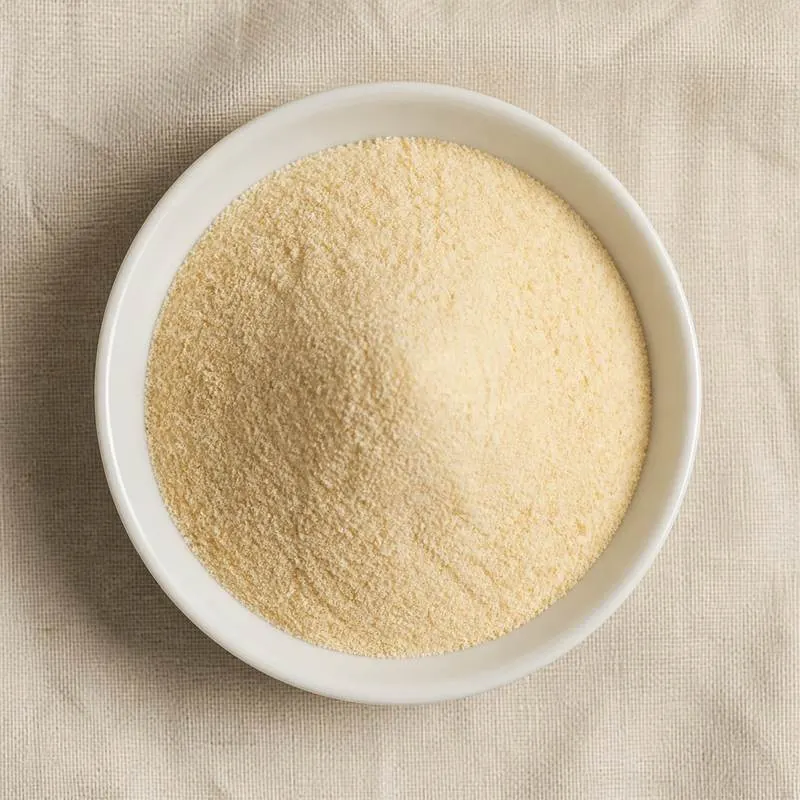
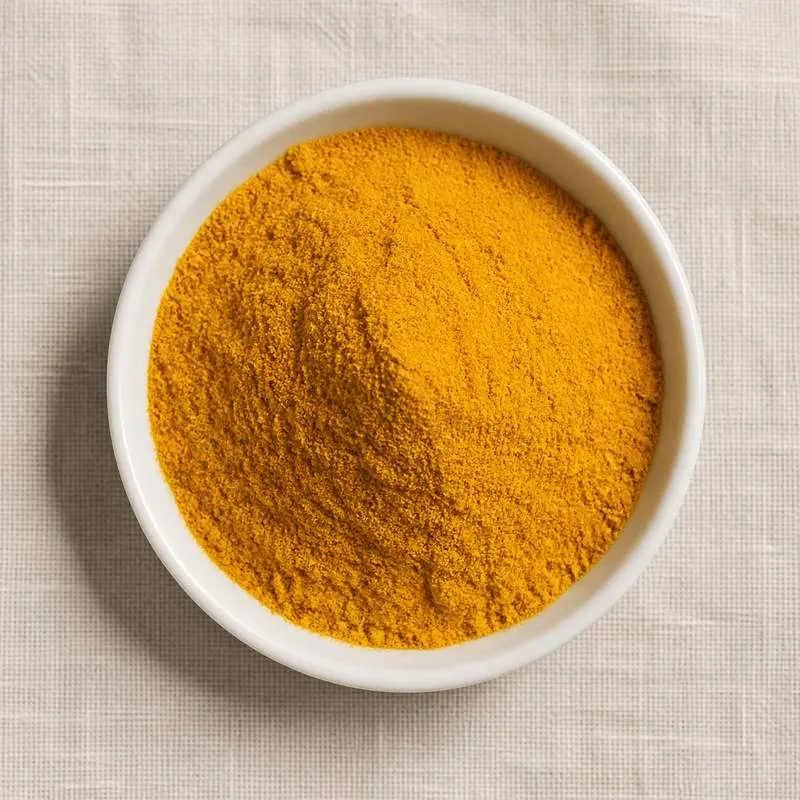
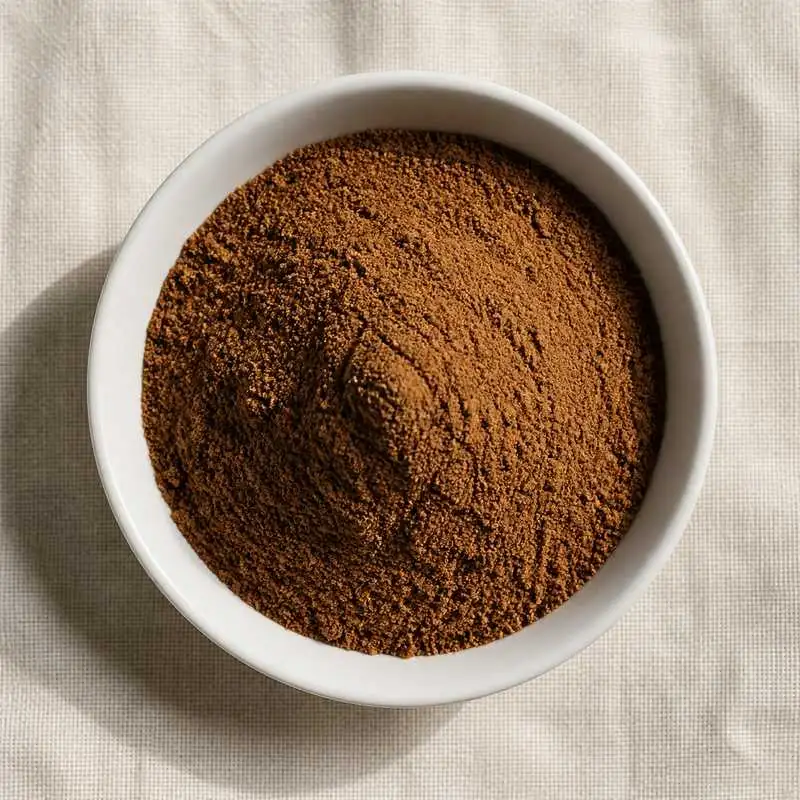
| Appearance | Light yellow to brown powder |
| Odor | Characteristic savory, meaty |
| Total Nitrogen | ≥9.0% |
| Amino Nitrogen | ≥3.5% |
| Moisture | ≤5.0% |
| NaCl | ≤15.0% |
| pH (5% solution) | 5.0–7.0 |
| Total Plate Count | ≤10,000 CFU/g |
| Yeast & Mold | ≤100 CFU/g |
| Shelf Life | 24 months |
| Purity (Food Grade) | ≥ 80% |
| Viscosity (Food Grade) | ≤ 100 mPa·s |
| Moisture/Loss on Drying (Food Grade) | ≤ 8% |
| Particle Size/Mesh (Food Grade) | ≥ 80% through 80 mesh |
| Ash (Food Grade) | ≤ 5% |
| Heavy Metals (Food Grade) | ≤ 10 mg/kg |
| Lead (Food Grade) | ≤ 0.5 mg/kg |
| Arsenic (Food Grade) | ≤ 0.5 mg/kg |
Common Markets Grades
Yeast Extract is graded by salt level, glutamate content, and nucleotide enhancement.
Standard yeast extract paste runs at 75 to 80 percent solids and 5 to 7 percent free glutamate. It is the format used by the spread category (Marmite, Vegemite, Cenovis) and as a base for industrial savory blends.
Yeast extract powder, spray-dried to 96 percent solids, is the format used in dry seasoning premixes, snack coatings, dehydrated soups, and bouillon cubes.
Low-salt and salt-free variants have replaced standard NaCl-loaded grades in much of the modern salt-reduction market. Sodium content ranges from under 1 percent (true low salt) up to 40 percent in legacy savory grades.
High-glutamate selections push free glutamic acid to 10 to 12 percent. I+G enhanced grades co-extract or co-blend high inosinate and guanylate yeast strains to deliver the full umami synergy in a single ingredient.
Applications
- Soups, broths, and bouillon cubes as a primary savory backbone
- Sauces including gravies, demi-glace bases, soy-style sauces, and barbecue blends
- Snack seasoning coatings for chips, crackers, and extruded snacks
- Meat alternatives: plant-based burgers, sausages, and deli analogues for meaty depth
- Processed meats: hot dogs, salami, and pates as a flavour enhancer
- Yeast extract spreads such as Marmite, Vegemite, Cenovis, and Promite
- Frozen and shelf-stable ready meals for clean-label glutamate delivery
- Dehydrated noodle seasoning sachets
- Cheese powders and dairy-flavour systems
- Microbiological media for bacterial and fungal culture
- Pet food palatants and flavour coatings
Brands Using Yeast Extract
Widely-distributed consumer products that list Yeast Extract on the ingredient label.
- MarmiteMarmite Yeast Extract Spread 250g ↗A British savoury spread; ingredients: yeast extract (from brewer's yeast, contains barley, wheat, oats, rye), salt, vegetable juice concentrate, B vitamins, natural flavouring (celery).Label verified 2026-05-24
- MarmiteMarmite Yeast Extract Spread 70g ↗Travel-size jar of the classic autolyzed yeast extract spread; umami flavour source rich in B-vitamins.Label verified 2026-05-24
- VegemiteVegemite Yeast Extract Spread ↗Australian yeast extract spread; ingredients: Yeast Extract (from yeast grown on barley and wheat), salt, malt extract (barley), potassium chloride, caramel colour, spice extract (celery), niacin, thiamin, riboflavin, folic acid; high glutamic acid umami source.Label verified 2026-05-24
Brand names, product names and logos are the property of their owners. They appear here as published evidence that the ingredient is used, taken from the brand's own label or website. Their appearance is not an endorsement, and it does not mean the brand buys from us or from any manufacturer listed on this site.
China Manufacturers of Yeast Extract
Top Yeast Extract manufacturers in China.
- Angel Newt Co., Ltd.5 ingredients in the directory
 Angel Yeast Co., Ltd.2 ingredients in the directory
 Dalian Zhen-Ao Bio-tech Co., Ltd.11 ingredients in the directory
 Ningxia Eppen Biotech Co., Ltd.4 ingredients in the directory
 Tangshan Top Bio-technology Co., Ltd.6 ingredients in the directory
 Zhejiang Dongcheng Biotechnology Co., Ltd.5 ingredients in the directory
- Zhuhai TXY Biotech Holding Co., Ltd.6 ingredients in the directory
Company names and logos are the property of the manufacturers themselves. They are listed here because our own directory records them as producing this ingredient. A listing is not an endorsement by them, and we do not represent them or speak on their behalf.
How We Help Source Yeast Extract
Direct Factory Sourcing
We run the whole process: selecting the manufacturer from the top Chinese food ingredient producers, negotiating the price, verifying quality, and coordinating the logistics. You deal with us instead of with several factories at once.
Original Packaging and Documents from the Manufacturer
The manufacturer sends your Yeast Extract out of its own factory in the original packing, through to your destination port. The COA, COO, MSDS, TDS and any certifications reach you from the manufacturer as well.
Free Samples and Lead Time
We send 100 to 500 g free for your own laboratory to test and you cover only the courier, usually within 2 to 3 working days. ETD is usually within 7 to 15 days once the order is confirmed, and we check that date against the factory's own manufacturing schedule before we give it to you.
Combined Shipment
We can load Yeast Extract together with other ingredients such as Astaxanthin, Dehydrated Garlic and Lutein into one 20' FCL. If your quantity is small, we can also ship LCL.
Regulatory Status
Yeast Extract is a conventional food ingredient and not a food additive in any major market. It does not carry an E number in the European Union.
In the United States it has GRAS status under 21 CFR 184.1983 for use in foods at levels consistent with good manufacturing practice.
In the European Union it is classified as a food ingredient and declared simply as "yeast extract" on the label, distinct from the food additive monosodium glutamate (E621).
Specifications track free glutamic acid, 5'-nucleotide content, salt level, residual ethanol from the parent fermentation, and microbiological purity. Halal and Kosher certifications are routinely available and the ingredient is suitable for vegan formulations.
Manufacturing Process
Production begins with a primary-grown Saccharomyces cerevisiae strain, either spent brewer's yeast recovered from beer fermentation or, more commonly today, a dedicated nutritional-grade yeast cultivated on a molasses or sugar substrate.
The fresh yeast cream is washed to remove residual fermentation media, then triggered into autolysis by warming the slurry to 45 to 55 °C and holding for 12 to 24 hours. The cell's own intracellular proteases and nucleases break down the cytoplasmic proteins into peptides and free amino acids and the RNA into 5'-nucleotides.
Some processes substitute or supplement the autolysis step with hydrolysis. Acid hydrolysis is largely obsolete because it generates 3-MCPD; modern hydrolysis uses food-grade enzymes such as papain or microbial proteases.
After autolysis the slurry is centrifuged to separate the soluble extract from the insoluble cell wall debris. The cell wall fraction is recovered separately as a beta-glucan or yeast cell wall product.
The clear extract is concentrated under vacuum to a paste at 75 to 80 percent solids. For powder grades it is then spray-dried to roughly 96 percent solids with careful control of inlet temperature to preserve the umami character.