Chili Oil
Chilli oil is an edible oil that carries the pungency, colour and aroma of dried chilli, made by infusing or extracting capsicum into a refined vegetable oil. It functions as a condiment in its own right and as a seasoning intermediate that lets a manufacturer dose heat and red colour by weight rather than by handling ground spice.
Both of the properties that matter are oil soluble, which is what makes the format work. Capsaicin and dihydrocapsaicin, the pungent principles, and the carotenoid pigments capsanthin and capsorubin all partition readily into fat and hardly at all into water. Chinese style red oil normally carries additional aromatics extracted alongside the chilli, commonly Sichuan pepper, star anise, cassia, bay, sand ginger, spring onion and sesame, and many formats retain suspended chilli flakes and sesame seed rather than being filtered clear.
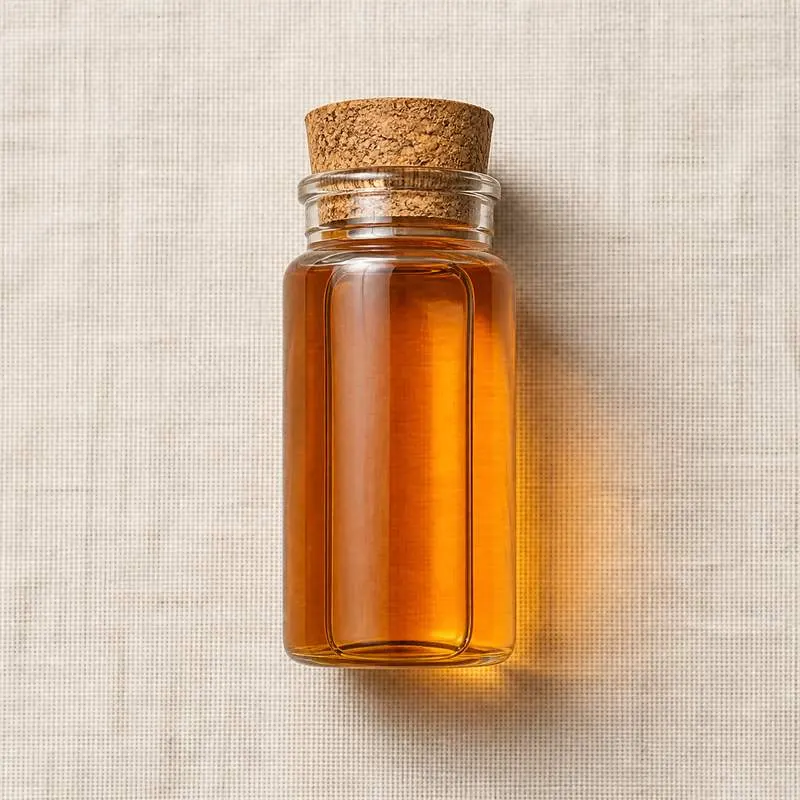
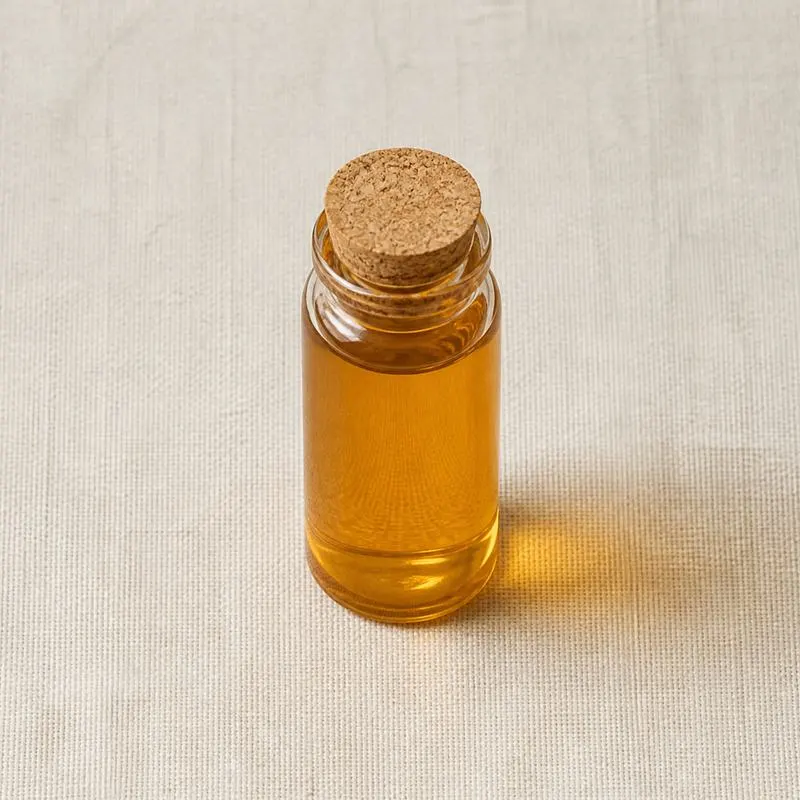
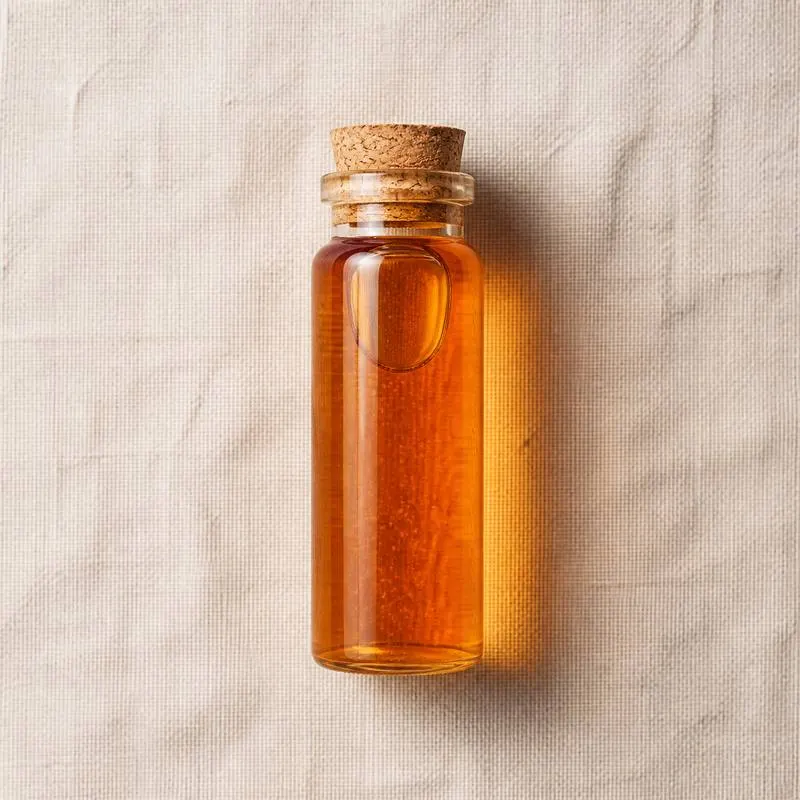
The product is a translucent red to deep orange-red oil, insoluble in water, and is stable in storage as long as it is protected from light and air. The carotenoid colour fades on light exposure and the base oil oxidises, so it is packed in filled containers away from light.
We source bulk Chili Oil from top China manufacturers for our partners, working with several of them. The manufacturers are mostly in Chongqing, Jiangxi and Shandong. A smaller requirement can ship in a combined container with other ingredients.
Please send the grade you need, the volume and your destination port, and we will come back with a solution and a price.
or call +86-21-6858 0751
- Function
- Flavours and Aromas
Specifications
| Item | Specification |
|---|---|
| Appearance | Translucent red to deep orange-red oil, clear or with suspended flake |
| Odour and Flavour | Characteristic roasted chilli and spice, free from scorched notes |
| Pungency | Declared in Scoville heat units to the agreed grade |
| Colour Value | Declared in ASTA colour units to the agreed grade |
| Acid Value | Not more than 3.0 mg KOH/g |
| Peroxide Value | Not more than 5.0 meq/kg |
| Moisture and Volatile Matter | Not more than 0.2 percent |
| Insoluble Impurities, clear grade | Not more than 0.05 percent |
| Aflatoxin B1 | Within the applicable regulatory limit for the destination market |
| Sudan Dyes | Not detected |
| Lead | Not more than 0.1 mg/kg |
| Arsenic | Not more than 0.1 mg/kg |
| Total Plate Count | Not more than 1,000 cfu/g |
| Salmonella | Absent in 25 g |
Common Markets Grades
The first distinction is between infused and standardised grades. Infused oils are made by contacting the oil with whole or crushed dried chilli and are traded on sensory profile and colour, with batch to batch variation following the crop. Standardised grades are built by dosing chilli oleoresin into a base oil to a declared pungency in Scoville heat units and a declared colour value, and hold a constant specification across the year.
The second is presentation. Clear filtered oil is used where a bright liquid is wanted, while suspension grades keep chilli flakes, sesame seed or fried garlic in the oil and are sold as finished condiments. The third is base oil, since rapeseed, soybean, sunflower and blended oils each carry a different background flavour, and traditional Sichuan practice uses rapeseed heated to smoking point before use. Pungency tiers run from mild oils below a few thousand Scoville units to high heat versions, and non-pungent red oils made from paprika oleoresin are sold where colour is wanted without heat.
Applications
- Cold dressed dishes and dipping sauces, where the oil is the finishing condiment
- Noodle bowls and dan dan style sauces, supplying both heat and the visible red slick
- Instant noodle and convenience meal oil sachets
- Hotpot dipping bowls and prepared hotpot bases
- Dumpling and wonton dipping vinegars, added under agitation so the oil stays dispersed
- Snack seasoning, applied through an oil slurry during tumbling
- Marinades and cold meat dressings for deli and ready-to-eat products
- Retail table condiments in jars and squeeze bottles, usually as a suspension grade
- Prepared sauces and pastes, where the oil layer also seals the surface against oxygen
Brands Using Chili Oil
Widely-distributed consumer products that list Chili Oil on the ingredient label.
- Lee Kum KeeChili Oil ↗Bottled chili oil made by infusing ripe red chilies in soybean oil, with an ingredient line of soybean oil and dried chili peppers.Label verified 2026-08-31
- Lee Kum KeeChiu Chow Style Chili Crisp Oil ↗Chili oil with crisp solids, made from soybean oil, dehydrated garlic and chili peppers, used on noodles and dumplings.Label verified 2026-08-31
Brand names, product names and logos are the property of their owners. They appear here as published evidence that the ingredient is used, taken from the brand's own label or website. Their appearance is not an endorsement, and it does not mean the brand buys from us or from any manufacturer listed on this site.
China Manufacturers of Chili Oil
Top Chili Oil manufacturers in China.
 Chongqing Huacui Bio-technology Co., Ltd.10 ingredients in the directory
- Jiangxi Zhongxiang Biotechnology Co., Ltd.4 ingredients in the directory
 Qingdao Tai Foong Foods Co., Ltd.2 ingredients in the directory
- Sichuan Shenzhou Aote Agricultural Technology Co., Ltd.3 ingredients in the directory
Company names and logos are the property of the manufacturers themselves. They are listed here because our own directory records them as producing this ingredient. A listing is not an endorsement by them, and we do not represent them or speak on their behalf.
Regulatory Status
Chilli oil is a food rather than a food additive. In the United States, 21 CFR 182.10 lists capsicum among the spices generally recognised as safe for their intended use in food, and capsicum oleoresin appears on the corresponding list of essential oils and natural extractives, so both routes of manufacture use recognised ingredients. The vegetable oil base is an ordinary food ingredient, and any antioxidant added to protect it is a food additive that must be declared.
In the European Union no E number applies to the oil itself, although an added antioxidant or an added paprika extract used as a colour would each fall under the additive legislation and be declared accordingly. The principal regulatory attention on chilli-based products in the EU concerns adulteration with unauthorised azo dyes such as the Sudan colours, and aflatoxin and ochratoxin contamination of dried chilli, both of which are subject to import controls and to maximum levels under the contaminants regulation. Codex covers the raw material through its standards and code of hygienic practice for spices and dried aromatic herbs and through the general standard for contaminants.
Manufacturing Process
Dried chilli is cleaned, destemmed and either crushed to flake or milled coarsely, and the aromatic spices are cleaned and cut. Refined and deodorised vegetable oil is heated in a jacketed vessel, in the traditional route to around 200 degrees Celsius and then allowed to fall, and is poured onto or circulated through the spice bed in stages. Temperature control decides the outcome, since contact above roughly 180 degrees Celsius scorches the pigment and turns the oil brown and bitter, while contact below about 120 degrees Celsius extracts too little capsaicin and colour. Most plants use two or three additions at falling temperatures so that the aromatic top notes are captured in the cooler stages.
The mixture is held to infuse, often overnight, then either filtered clear through a plate filter or standardised for flake content and filled as a suspension. Standardised grades take a different route in which chilli oleoresin, itself made by solvent or carbon dioxide extraction of milled chilli, is blended into the base oil under agitation to a target pungency and colour value. Finished oil is checked for acid and peroxide value and packed hot or under nitrogen.