Cis-3-hexenyl Salicylate
Cis-3-hexenyl salicylate is the ester formed between salicylic acid and cis-3-hexen-1-ol, with the molecular formula C13H16O3. It sits in the leaf alcohol ester family, a group built on the same six carbon unsaturated alcohol that gives freshly cut grass its smell, and it combines that green character with the sweet balsamic weight of a salicylate.
Its odour is the reason it is traded: fresh, green and leafy on top, turning sweet, floral and slightly herbaceous as it dries down, with a tenacity far greater than the free leaf alcohol or its short chain esters. That persistence makes it a base and heart material rather than a top note, and it is used to hold a green or floral accord together and to give natural weight to jasmine, muguet, tea and fruit directions. In flavour work it appears only at trace level, where a green floral lift is wanted with more staying power than cis-3-hexenol alone provides.
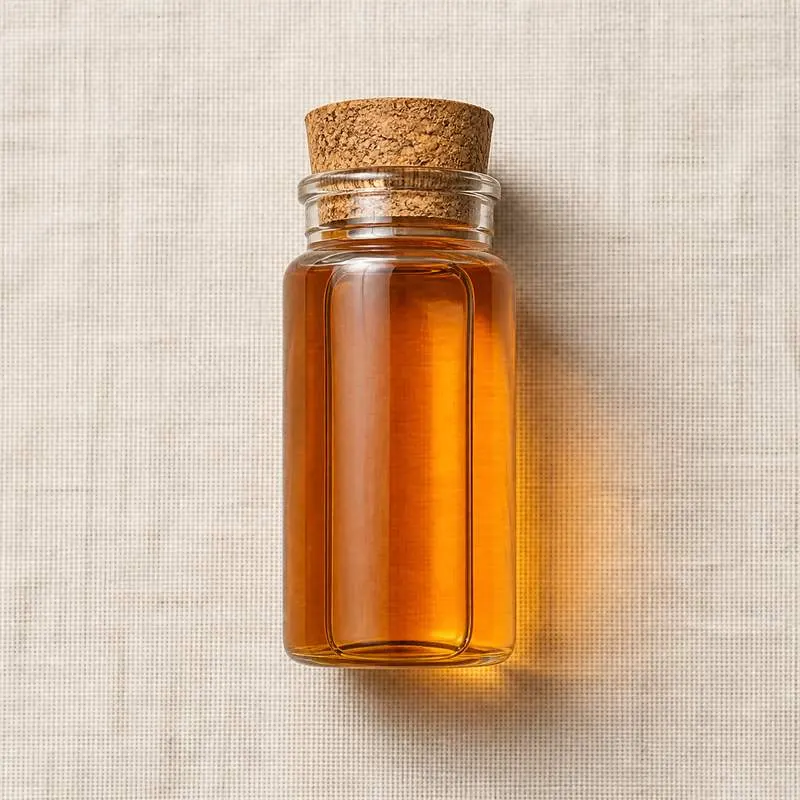
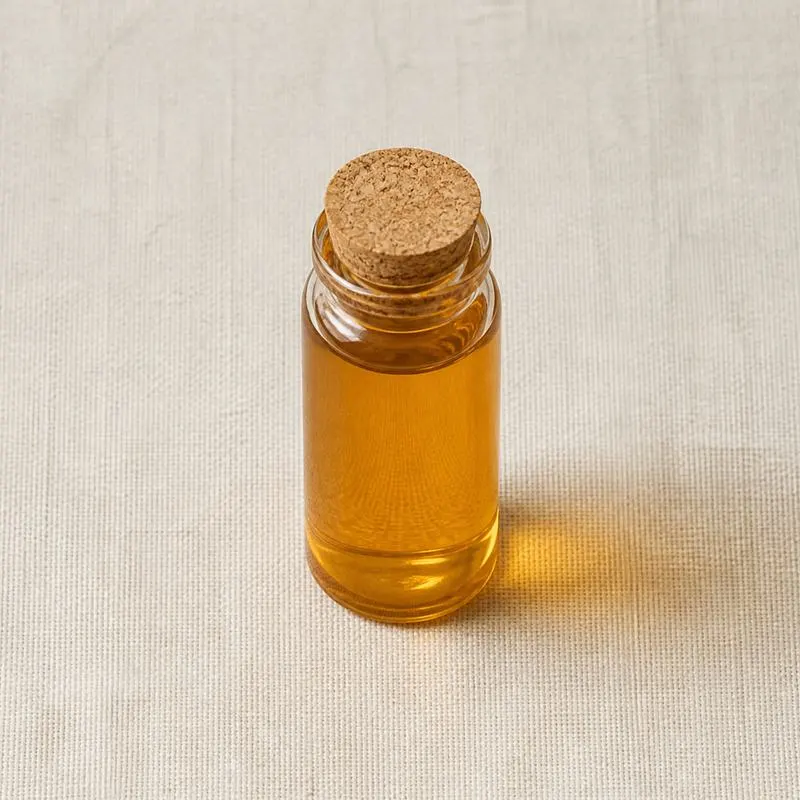
It is a colourless to pale yellow clear oily liquid of low volatility, boiling well above two hundred and fifty degrees at atmospheric pressure, so it is distilled under reduced pressure. It is practically insoluble in water and freely soluble in ethanol, vegetable oils and the usual flavour and fragrance solvents. The ester linkage hydrolyses slowly in alkaline media, and the phenolic hydroxyl can discolour in contact with iron, so it is stored cool in lined or amber containers away from strong base.
We source bulk Cis-3-hexenyl Salicylate from top China manufacturers for our partners. The manufacturer is in Jiangxi. A smaller requirement can ship in a combined container with other ingredients.
Please send the grade you need, the volume and your destination port, and we will come back with a solution and a price.
or call +86-21-6858 0751
- Function
- Flavours and Aromas
Specifications
| Item | Specification |
|---|---|
| Appearance | Colourless to pale yellow clear oily liquid |
| Odour | Fresh green leafy with sweet floral balsamic drydown |
| Assay by gas chromatography | 97.0 percent minimum |
| Cis isomer content | 95.0 percent minimum of total hexenyl salicylate |
| Identification | Infrared and mass spectrum conform to reference |
| Free cis-3-hexenol | 0.5 percent maximum |
| Residual methyl salicylate | 0.5 percent maximum |
| Specific gravity at 25 degrees Celsius | 1.043 to 1.053 |
| Refractive index at 20 degrees Celsius | 1.516 to 1.524 |
| Acid value | 1.0 maximum |
| Solubility in ethanol | Clear solution in 3 volumes of 95 percent ethanol |
| Water content | 0.2 percent maximum |
| Heavy metals as lead | 10 mg per kg maximum |
| Lead | 1 mg per kg maximum |
Common Markets Grades
The material trades in essentially one specification, a perfumery and flavour grade at ninety seven percent assay or higher by gas chromatography. The specification points that separate one lot from another are the isomeric purity, since the trans isomer and the saturated hexyl salicylate can form or carry through and both are less green in odour, and the levels of free cis-3-hexenol, free salicylic acid and residual methyl salicylate left from the esterification.
Alongside the neat ester, dilutions are common. The material is potent and highly tenacious, so compounders often buy it at ten or fifty percent in dipropylene glycol, triacetin, benzyl benzoate or ethanol depending on whether the outlet is fragrance or flavour. A naturally derived version is also offered, made from cis-3-hexenol obtained by enzymatic conversion of a plant oil rather than by chemical synthesis, which supports a natural declaration in some markets and carries the same assay limits at a higher price.
Applications
- Fine fragrance compounding, its largest outlet, where it gives green floral accords body and lasting power
- Jasmine, muguet and white floral bases, adding a natural leafy facet under the floral top notes
- Fruit fragrance accords such as melon, pear, apple and berry, where it supplies the green skin character
- Functional perfumery for detergents, softeners and soaps, chosen for its stability and substantivity on fabric
- Personal care fragrance in shampoos, lotions and deodorants, where the drydown must survive rinsing
- Trace level flavour compositions in green fruit and tea directions, used far below fragrance dose rates
- Reconstitution of natural essential oils and absolutes, replacing a costly green fraction in a jasmine or tea base
- Air care and candle fragrance, where its high boiling point limits loss during hot filling
- Green top note modification, holding a volatile leaf alcohol accord in place as the composition dries down
China Manufacturers of Cis-3-hexenyl Salicylate
Top Cis-3-hexenyl Salicylate manufacturers in China.

Company names and logos are the property of the manufacturers themselves. They are listed here because our own directory records them as producing this ingredient. A listing is not an endorsement by them, and we do not represent them or speak on their behalf.
Regulatory Status
In the United States the material is used predominantly as a fragrance ingredient, which places it outside food additive law for most of its volume. Where it is used to flavour food it falls among the synthetic flavouring substances permitted for that purpose under the food additive regulations covering flavourings, and it has been reviewed as a flavouring ingredient by the expert panel of the flavour industry association whose conclusions the agency has accepted. Use is governed by good manufacturing practice, meaning no more may be added than is reasonably required to achieve the intended flavour effect, which for a material of this potency is very little.
In the European Union it is an authorised flavouring substance on the Union list maintained under the flavourings regulation, and as a flavouring rather than an additive it carries no E number. Cosmetic and detergent legislation and the standards of the international fragrance association govern its far larger fragrance use instead, setting restrictions on salicylate esters in leave on products; those restrictions are separate from and do not describe its food status. Codex addresses materials of this kind through its guidelines for the use of flavourings, which rest on the safety evaluations of salicylate esters carried out by the Joint Expert Committee on Food Additives. Where the material is diluted for sale, the carrier must itself be permitted for the intended application.
Manufacturing Process
The commercial route is a transesterification rather than a direct acid catalysed esterification, because salicylic acid reacts sluggishly and the phenolic group complicates a conventional acid catalysed process. Methyl salicylate and cis-3-hexen-1-ol are charged together with an alkaline or metal alkoxide catalyst, typically sodium methoxide or a titanium alkoxide, and heated under reduced pressure. Methanol is released as the exchange proceeds and is taken overhead continuously, which drives the equilibrium toward the hexenyl ester. The cis-3-hexen-1-ol feedstock is itself made either by partial hydrogenation of hex-3-yn-1-ol over a poisoned palladium catalyst or, for the natural grade, by enzymatic cleavage of a linolenic acid rich plant oil followed by reduction.
When the conversion is complete the batch is cooled and neutralised, then washed with water and dilute alkali to remove catalyst residues, free salicylic acid and salts. The washed crude is dried and fractionated under high vacuum, which separates the product from unreacted methyl salicylate, free hexenol and the heavier by products, and the heart cut is taken on assay and odour. The distillate is polish filtered, checked by gas chromatography for assay and isomer ratio, and filled under nitrogen into lined drums or amber glass.