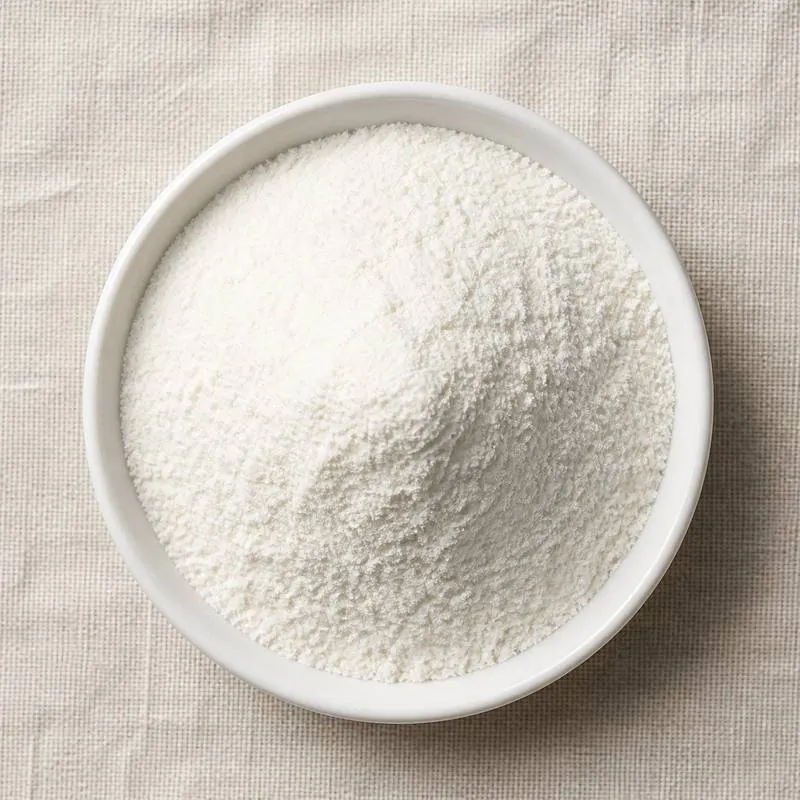
Triacetin
Triacetin, also known as glyceryl triacetate or glycerine triacetate, is a triester of glycerol with three acetic acid molecules. Its CAS number is 102-76-1, molecular formula C₉H₁₄O₆, and molar mass 218.20 g/mol. It carries the E number E1518 in the European Union.
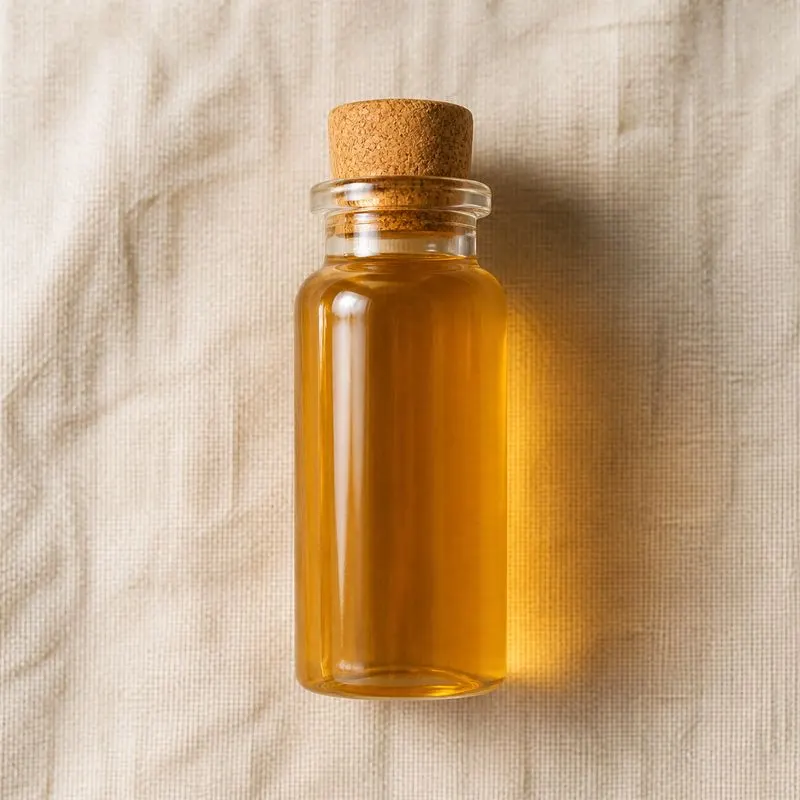
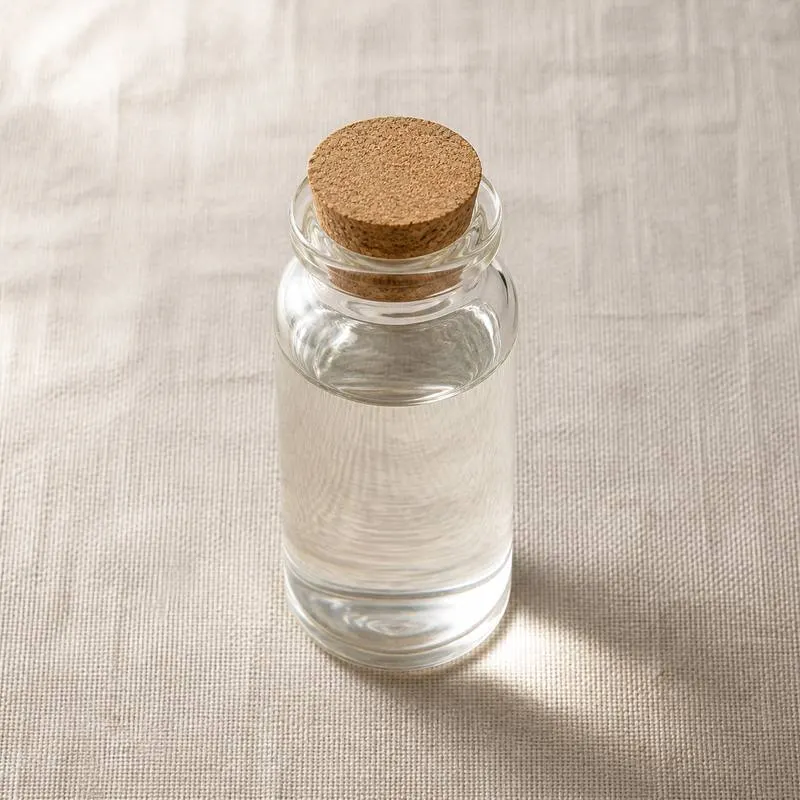
The compound is a clear colourless liquid with a faint fatty odour, a density of 1.16 g/mL, and a boiling point of 259 degrees Celsius. It is the simplest triester of glycerol and the only one of the three acetoglycerides (mono-, di-, tri-) that is fully water-miscible.
We source bulk Triacetin from top China manufacturers for our partners. The manufacturer is in Jiangsu. A smaller requirement can ship in a combined container with other ingredients.
Please send the grade you need, the volume and your destination port, and we will come back with a solution and a price.
or call +86-21-6858 0751
- Packaging
- 25 kg kraft paper bag with PE inner liner
- ISO 9001
- HACCP
- Halal
- Kosher
Specifications
| Item | Specification |
|---|---|
| Appearance | Clear colourless oily liquid, free from suspended matter |
| Odour | Faint fatty odour |
| Assay | ≥ 99.0% |
| Specific Gravity (25°C) | 1.152-1.158 |
| Refractive Index (20°C) | 1.429-1.432 |
| Colour (APHA) | ≤ 20 |
| Acid Value | ≤ 0.10 mg KOH/g |
| Water (Karl Fischer) | ≤ 0.20% |
| Free Glycerol | ≤ 0.10% |
| Residue on Ignition | ≤ 0.02% |
| Solubility | Miscible with water, ethanol and most organic solvents |
| Heavy Metals (as Pb) | ≤ 5 mg/kg |
| Lead | ≤ 1 mg/kg |
| Arsenic (as As) | ≤ 1 mg/kg |
Common Markets Grades
Triacetin comes in four grades: food, pharmaceutical, cosmetic, and industrial.
Food grade meets the JECFA specification for E1518 with assay above 97 percent, free glycerol below 1 percent, free acetic acid below 0.5 percent, and water below 0.2 percent. It is the standard grade for flavour solubilisation and chewing gum.
USP-NF and Ph. Eur. pharmaceutical grade adds peroxide value control and tighter heavy metal limits for use as a tablet film plasticizer and pharmaceutical solvent.
Cosmetic grade is produced for fragrance solubilisation and personal-care products.
Industrial grade is produced for cigarette filter tow plasticization, fuel additive use, and photographic film base manufacture without the food-grade purity controls.
Plant-source glycerol (typically from biodiesel refining) is the standard supply route; acetic acid is petrochemical or fermentation source. Kosher and Halal certifications are widely available.
Applications
- Chewing gum base as a softener and plasticizer
- Flavour solubilisation for water-soluble flavour systems in beverages and confectionery
- Carrier for natural and artificial flavours in beverages, baked goods, and confectionery
- Pharmaceutical tablet coatings as a film plasticizer for cellulose ether films
- Pharmaceutical solvent and humectant in oral and topical preparations
- Cigarette filter tow as the standard plasticizer for cellulose acetate fibres
- Fixative and solvent for fragrance compositions in perfumes and personal-care products
- Plasticizer in cosmetic nail products and hair-spray polymers
- Fuel additive for two-stroke engines and biodiesel cold-flow improvement
- Photographic film base manufacture as a plasticizer for cellulose triacetate
- Industrial coatings, inks, and resins as a high-boiling solvent
- Biocide formulations as a hydrolyzable acetate source
China Manufacturers of Triacetin
Top Triacetin manufacturers in China.

Company names and logos are the property of the manufacturers themselves. They are listed here because our own directory records them as producing this ingredient. A listing is not an endorsement by them, and we do not represent them or speak on their behalf.
How We Help Source Triacetin
Direct Factory Sourcing
We run the whole process: selecting the manufacturer from the top Chinese food ingredient producers, negotiating the price, verifying quality, and coordinating the logistics. You deal with us instead of with several factories at once.
Original Packaging and Documents from the Manufacturer
The manufacturer sends your Triacetin out of its own factory in the original packing, through to your destination port. The COA, COO, MSDS, TDS and any certifications reach you from the manufacturer as well.
Free Samples and Lead Time
We send 100 to 500 g free for your own laboratory to test and you cover only the courier, usually within 2 to 3 working days. ETD is usually within 7 to 15 days once the order is confirmed, and we check that date against the factory's own manufacturing schedule before we give it to you.
Combined Shipment
We can load Triacetin together with other ingredients such as Polyglycerol Esters of Fatty Acids, Non-Dairy Creamer and Mono- and Diglycerides of Fatty Acids into one 20' FCL. If your quantity is small, we can also ship LCL.
Regulatory Status
Triacetin is approved as a food additive in essentially every regulated market.
In the European Union it carries the E number E1518 and is permitted quantum satis as a humectant and carrier solvent under Regulation 1333/2008. The European Food Safety Authority re-evaluated triacetin in 2020 and confirmed the absence of safety concerns at current use levels with no specific acceptable daily intake assigned.
The U.S. Food and Drug Administration lists triacetin as Generally Recognized as Safe under 21 CFR 184.1901 with no upper-use limit beyond Good Manufacturing Practice. It is also permitted as a flavouring substance under 21 CFR 172.515.
JECFA evaluated triacetin and assigned an ADI of "not specified" in 2002. Pharmacopoeial monographs for Triacetin appear in USP-NF, Ph. Eur., and JP.
The molecule is also approved for cigarette filter plasticization in essentially every tobacco regulation regime, where it makes up about 5 to 9 percent by weight of the cellulose acetate filter tow.
Manufacturing Process
Triacetin is produced by direct esterification of glycerol with acetic acid or acetic anhydride.
The acetic anhydride route is the most common for pharmaceutical and food grade. Food-grade glycerol is reacted with a slight molar excess of acetic anhydride at 80 to 120 degrees Celsius without added catalyst, although small amounts of sulphuric acid, p-toluenesulfonic acid, or solid acid catalysts may be used to accelerate the reaction. The byproduct acetic acid is removed by vacuum distillation, and any remaining mono- or diacetin is converted to triacetin in a second anhydride addition.
The acetic acid route uses acetic acid in three- to five-fold molar excess over glycerol at 100 to 130 degrees Celsius with an acid catalyst (sulphuric, p-toluenesulfonic, or methanesulfonic acid). Water is continuously removed by azeotropic distillation with toluene or by membrane separation. This route is preferred for industrial-grade production where lower raw material cost outweighs higher operational complexity.
After the reaction the product is neutralised, water-washed, and distilled under vacuum to give a clear colourless liquid meeting the appropriate grade specification.