Cordyceps Militaris High Fibre
Cordyceps militaris high fibre is a milled powder of the cultivated fruiting body of the ascomycete Cordyceps militaris, produced or selected so that the fungal cell wall polysaccharide fraction dominates the composition. The fibre in question is not plant fibre: it is chitin and beta-glucan from the fungal cell wall, together with mannans and other cell wall polymers, and the standard analytical methods measure it as dietary fibre because human enzymes do not digest it.
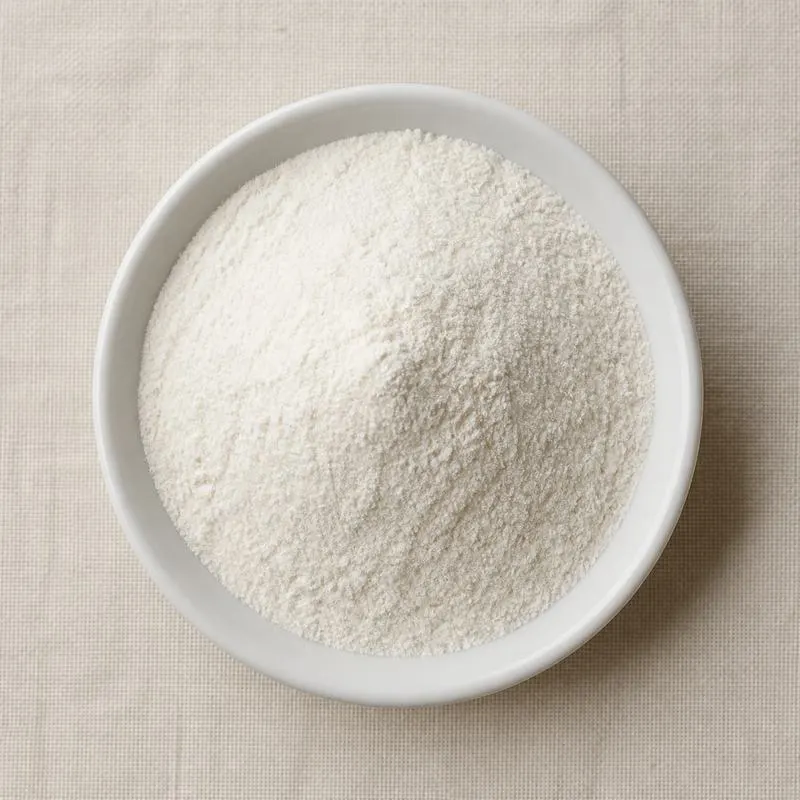
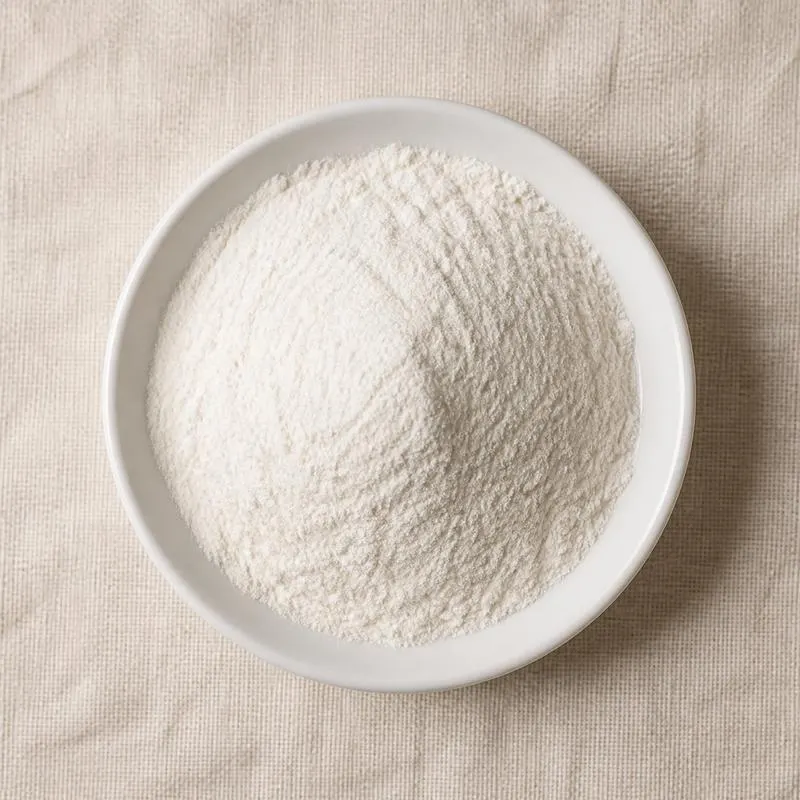
The commercial material is an orange to orange-brown powder, the colour coming from the carotenoid pigments that give the cultivated fruiting body its characteristic appearance, with a mild mushroom odour and taste. Total dietary fibre commonly runs 25 to 50 per cent on a dry basis, with protein at 20 to 35 per cent, so unlike a cereal or fruit fibre it is a protein-rich material and is rarely used purely as a bulking fibre.
Two components are usually specified alongside the fibre. Cordycepin, the 3-deoxyadenosine nucleoside that distinguishes Cordyceps militaris from Ophiocordyceps sinensis, and adenosine are both quantified by chromatography and are what most buyers are actually paying for. The powder disperses in water without dissolving, since chitin and the insoluble glucans do not go into solution, and it is stable to heat and to normal food processing.
We source bulk Cordyceps Militaris High Fibre from top China manufacturers for our partners. The manufacturer is in Jiangsu. A smaller requirement can ship in a combined container with other ingredients.
Please send the grade you need, the volume and your destination port, and we will come back with a solution and a price.
or call +86-21-6858 0751
- Function
- Dietary Fibres
Specifications
| Item | Specification |
|---|---|
| Appearance | Orange to orange-brown fine powder |
| Total Dietary Fibre | Not less than 25.0 per cent on dry basis |
| Cordycepin | Not less than 0.1 per cent by HPLC |
| Adenosine | Not less than 0.05 per cent by HPLC |
| Total Polysaccharide | Not less than 15.0 per cent as glucose |
| Protein | 20.0 to 35.0 per cent |
| Loss on Drying | Not more than 8.0 per cent |
| Ash | Not more than 8.0 per cent |
| Lead | Not more than 1 mg/kg |
| Arsenic | Not more than 1 mg/kg |
| Total Plate Count | Not more than 10000 cfu/g |
| Yeast and Mould | Not more than 100 cfu/g |
| Escherichia coli | Absent in 1 g |
| Salmonella | Absent in 25 g |
Common Markets Grades
Grades are set by the part of the organism used and by the marker content. Fruiting body powder carries the highest cordycepin level; mycelium powder grown in submerged culture is cheaper and lower in cordycepin; mycelium on grain, in which the substrate is milled together with the fungus, gives a much higher carbohydrate content and a correspondingly lower marker figure, and this distinction is the main source of confusion in the trade. High fibre grades are specifically those in which the cell wall fraction has been concentrated, either by selecting the fruiting body or by extracting out the soluble components.
Specification parameters are cordycepin content, commonly stated from 0.1 per cent in whole fruiting body powder up to several per cent in enriched extracts, adenosine content, total polysaccharide, and total dietary fibre. Particle size runs from 80 mesh through 200 mesh superfine grades for beverage use. Food grade produced under controlled cultivation is the standard, with organic certification available where the substrate qualifies, and the cultivation substrate is normally declared because it determines both the composition and the acceptability of the material to a vegetarian or vegan claim.
Applications
- Dietary supplements in capsule, tablet and powder form, the largest single outlet
- Functional beverages, coffee blends and instant drink sachets, where superfine grades avoid sedimentation
- Sports and energy formulations, positioned on the traditional standing of Cordyceps in endurance products
- Mushroom blend powders, formulated alongside reishi, lion's mane and chaga
- Traditional health food preparations and tonic products in East Asian markets
- Meal replacement and protein powders, contributing both fungal protein and fibre
- Soups, broths and savoury bases, where the mushroom character is part of the flavour
- Pet supplements and functional pet food
- Cosmetic formulations, where the polysaccharide fraction is used as a humectant and film former
China Manufacturers of Cordyceps Militaris High Fibre
Top Cordyceps Militaris High Fibre manufacturers in China.
Company names and logos are the property of the manufacturers themselves. They are listed here because our own directory records them as producing this ingredient. A listing is not an endorsement by them, and we do not represent them or speak on their behalf.
Regulatory Status
Cordyceps militaris is treated as a food and health food material in China, Korea and several other Asian markets, where cultivated fruiting body has an established position in supplement and functional food use. Outside those markets the position varies. In the European Union, preparations of Cordyceps militaris intended for food use are assessed under the novel food framework, and the Commission novel food catalogue records the status of Cordyceps species, with authorisation required where a history of significant consumption in the Union before the novel food cut-off cannot be shown. National rules on food supplements and on botanical preparations apply in addition.
In the United States, Cordyceps militaris is marketed as a dietary ingredient in supplements under the Dietary Supplement Health and Education Act framework, with a new dietary ingredient notification required where the specific preparation lacks the necessary history of use, and use in conventional food would rest on a generally recognised as safe determination. No disease-related claim is authorised for the material in either market, and permitted claims are limited to structure and function statements where those are allowed. Codex has no standard covering the material.
Manufacturing Process
Cordyceps militaris is cultivated rather than collected, since the wild organism parasitises insect pupae and cannot be harvested at commercial scale. Production starts from a maintained strain, which is propagated through slant and liquid seed stages. The fruiting body route inoculates the liquid seed onto a sterilised solid substrate, usually cooked rice or another cereal with a nitrogen supplement, held in bottles or trays under controlled temperature, humidity and light, since light is required for the orange pigment and for fruiting body formation. Fruiting bodies develop over several weeks and are harvested by hand.
Harvested fruiting bodies are separated from the substrate, washed and dried, most often by hot air at a controlled temperature or by freeze drying where cordycepin retention is the priority, since the nucleoside degrades under prolonged heat. The dried material is milled, and for a high fibre grade the powder may be washed with hot water or with aqueous ethanol to remove soluble sugars, free amino acids and part of the soluble polysaccharide, concentrating the cell wall fraction in the residue, which is then dried again. The powder is sieved to the target mesh, blended across lots to a uniform cordycepin content, and given a heat or irradiation treatment where the microbiological specification requires it.