Soy Dietary Fibre
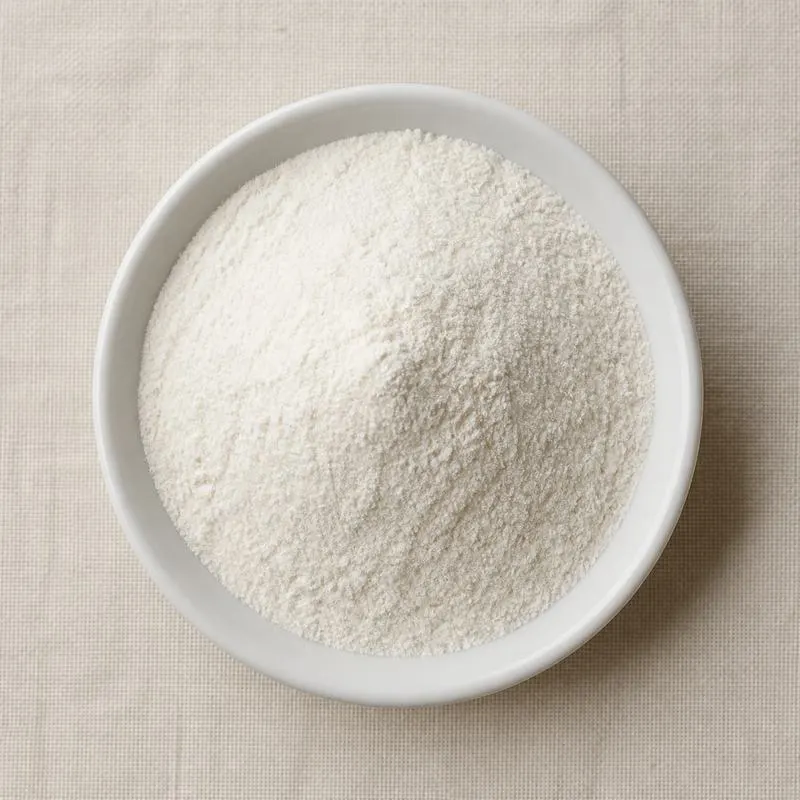
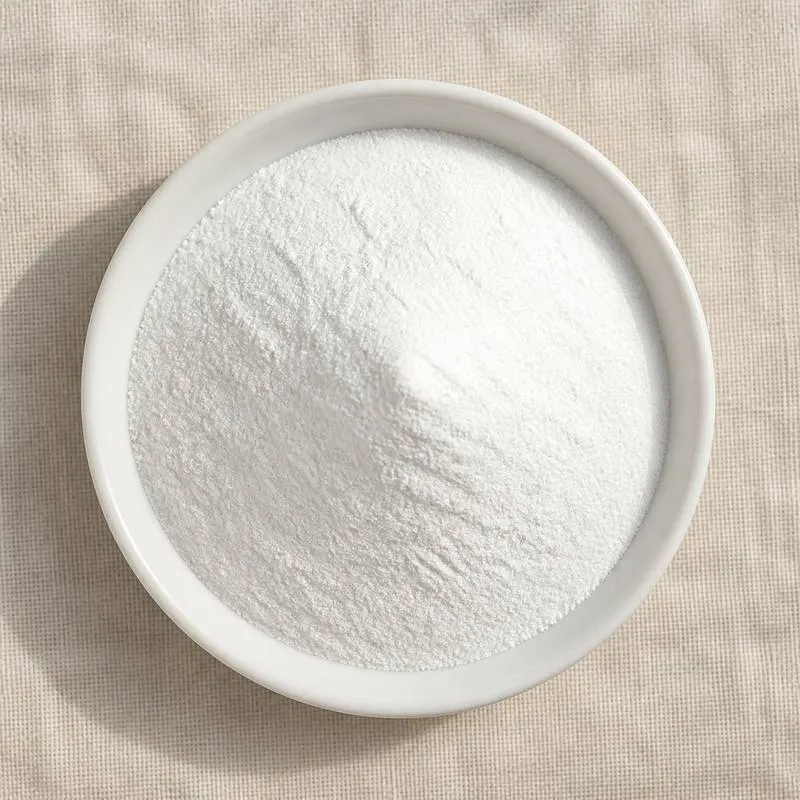
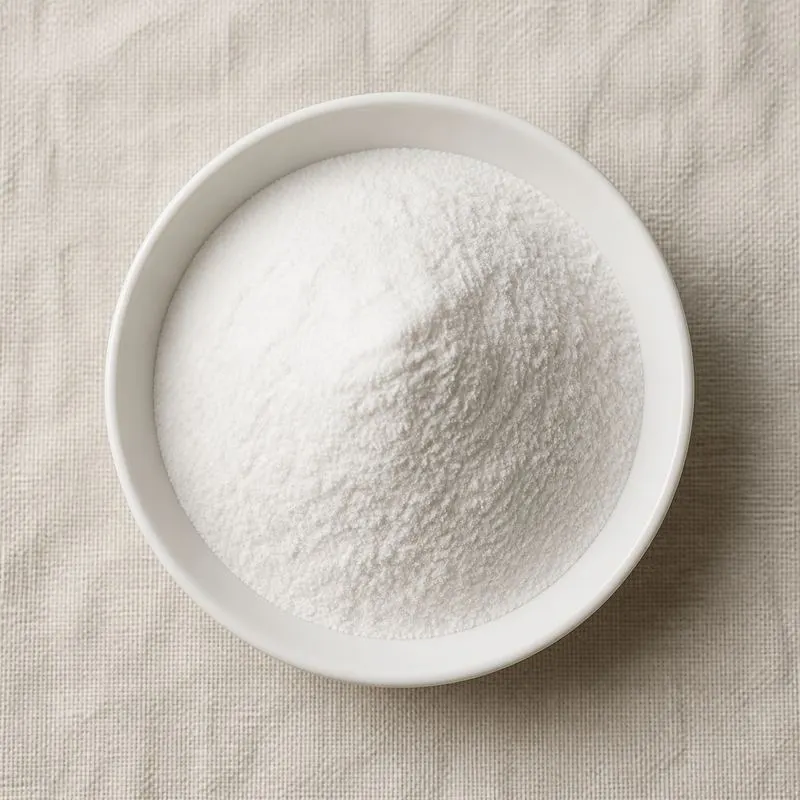
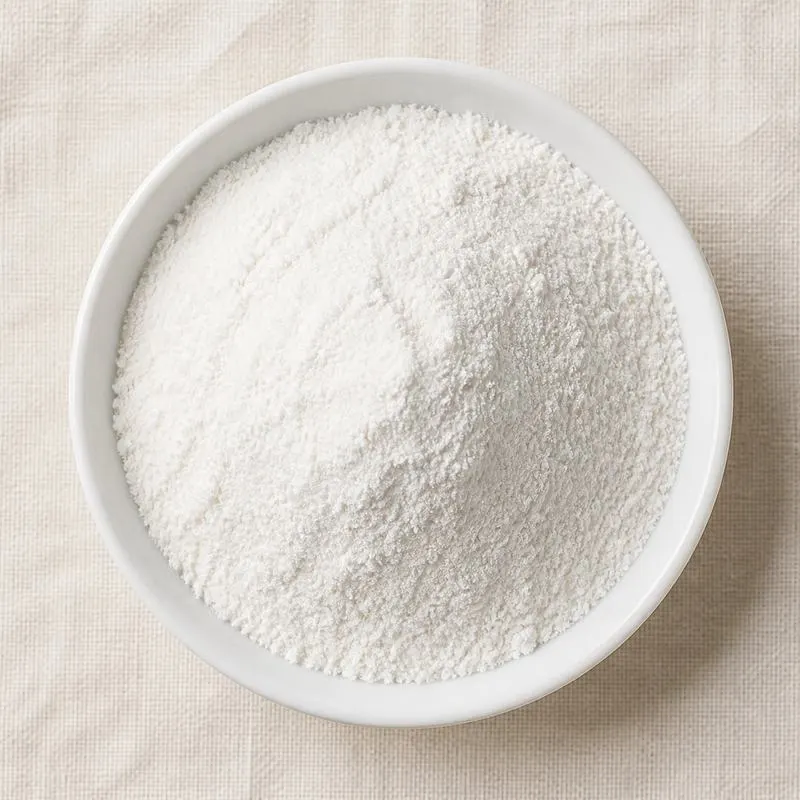
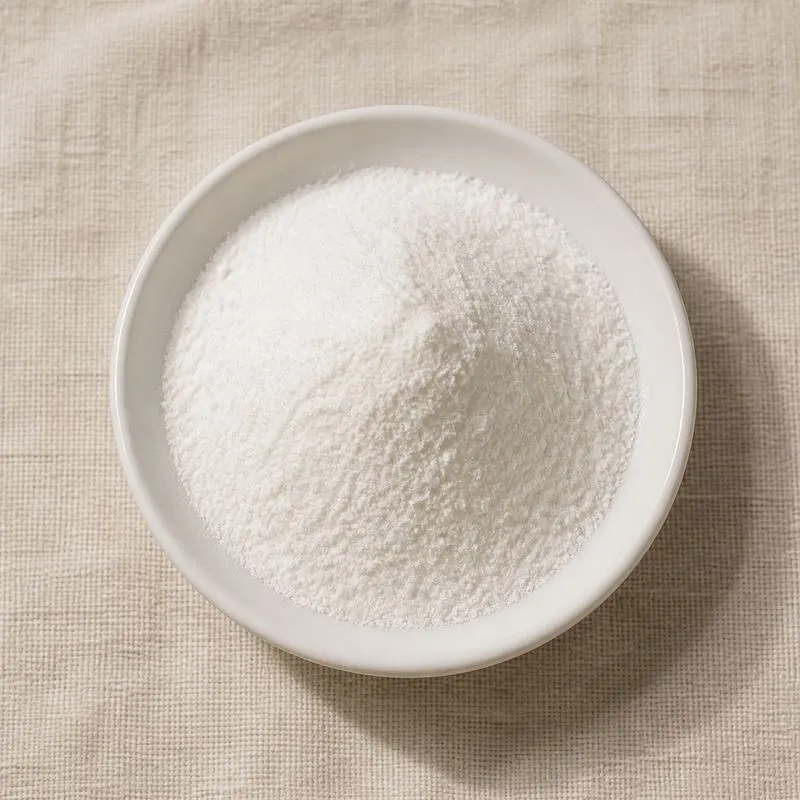
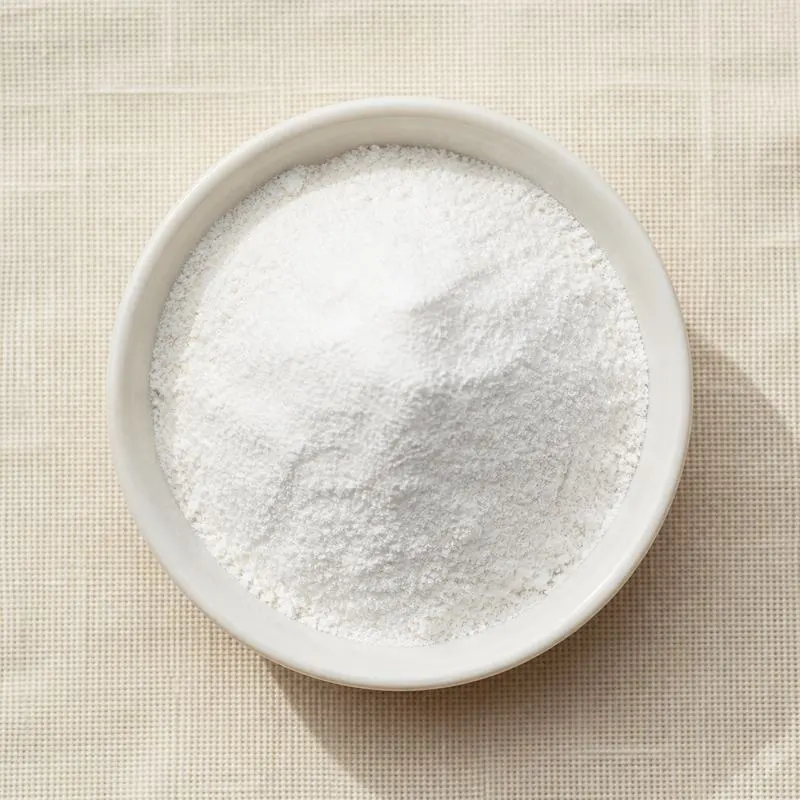
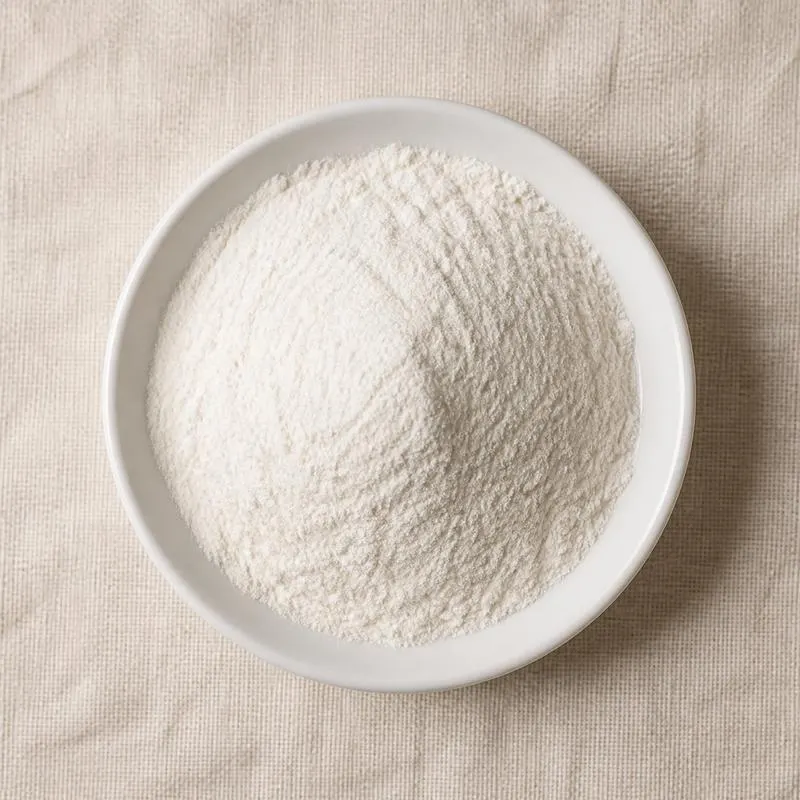
Soy Dietary Fibre is the insoluble fibre concentrate recovered from okara, the cotyledon residue left after soy-milk and tofu manufacture. The ingredient is a fine, off-white powder with a mild beany note.
It is roughly 65 to 80 percent total dietary fibre, dominated by cellulose, hemicellulose, and pectic substances, with the balance made up of residual protein, oligosaccharides, and minor lipid.
We source bulk Soy Dietary Fibre from top China manufacturers for our partners, working with several of them. The manufacturers are in Shandong, Henan and Heilongjiang. For this ingredient the minimum order is 1,000 kg and a 20-foot container takes 13 MT, and a smaller requirement can ship in a combined container with other ingredients.
Please send the grade you need, the volume and your destination port, and we will come back with a solution and a price.
or call +86-21-6858 0751
- Minimum order
- 1,000 kg
- Qty in 20' FCL
- 13 MT
- Packaging
- 25 kg kraft paper bag with PE inner liner
- Function
- Dietary Fibres
- ISO 9001
- HACCP
- Halal
- Kosher
Specifications
| Item | Specification |
|---|---|
| Appearance | Off-white to light cream free-flowing powder |
| Source | Soybean (Glycine max) cotyledon or hull |
| Total dietary fiber (AOAC 991.43) | ≥ 65.0% (standard) to ≥ 95.0% (high-purity) |
| Moisture | ≤ 8.0% |
| Ash | ≤ 5.0% |
| Protein residue | ≤ 5.0% |
| Fat residue | ≤ 1.0% |
| Water-holding capacity | 6 to 10 g water per g fiber |
| Particle size | 80, 100, or 200 mesh; per customer specification |
| Heavy metals (as Pb) | ≤ 2 mg/kg |
| Arsenic | ≤ 1 mg/kg |
| Total plate count | ≤ 10,000 CFU/g |
| Yeast and mold | ≤ 100 CFU/g |
| E. coli and Salmonella | Negative |
Common Markets Grades
Soy dietary fibre is graded by total dietary fibre content, particle size, and water-holding capacity.
Standard food grades carry 65 to 75 percent TDF, particle sizes from 80 to 200 micron, and water-holding capacity around 6 to 8 g per g.
High-fibre grades above 80 percent TDF are produced by additional washing and centrifugal separation steps. They are reserved for beverage and dairy applications where colour and grit are critical.
Defatted grades are produced from defatted okara and carry a lighter colour and reduced beany note, suited to neutral-flavour finished foods.
Enzymatically treated grades, where alpha-galactosidase has reduced raffinose and stachyose, are produced for digestive comfort in supplement applications.
Applications
- Bakery: bread, buns, cookies, and crackers for fibre and protein synergy
- Meat and poultry: sausages, patties, and reformed products for water binding
- Plant-based meat applications for bite and juiciness
- Pasta, noodles, and dumpling wrappers
- Breakfast cereal and granola for fibre fortification
- Snack extrusion: chips, puffed snacks, and savoury crackers
- Soy-based yogurt and dairy alternatives for body
- Pet food, especially Asian-market formulations
- Aquaculture feed binders
- Soup, sauce, and gravy mixes for thickening
China Manufacturers of Soy Dietary Fibre
Top Soy Dietary Fibre manufacturers in China.
- Anyang Tianxiangrui Food Technology Co., Ltd.3 ingredients in the directory
 Dezhou Gushen Protein Technology Co., Ltd.6 ingredients in the directory
 Gaotang Lufaxinde Biotechnology Co., Ltd.8 ingredients in the directory
- Suihua Jin Long Vegetable.oil.Co., Ltd.4 ingredients in the directory
Company names and logos are the property of the manufacturers themselves. They are listed here because our own directory records them as producing this ingredient. A listing is not an endorsement by them, and we do not represent them or speak on their behalf.
How We Help Source Soy Dietary Fibre
Direct Factory Sourcing
We run the whole process: selecting the manufacturer from the top Chinese food ingredient producers, negotiating the price, verifying quality, and coordinating the logistics. You deal with us instead of with several factories at once.
Original Packaging and Documents from the Manufacturer
The manufacturer sends your Soy Dietary Fibre out of its own factory in the original packing, through to your destination port. The COA, COO, MSDS, TDS and any certifications reach you from the manufacturer as well.
Free Samples and Lead Time
We send 100 to 500 g free for your own laboratory to test and you cover only the courier, usually within 2 to 3 working days. ETD is usually within 7 to 15 days once the order is confirmed, and we check that date against the factory's own manufacturing schedule before we give it to you.
Combined Shipment
We can load Soy Dietary Fibre together with other ingredients such as Citrus Fibre, Xylo-oligosaccharide and Inulin into one 20' FCL. If your quantity is small, we can also ship LCL.
Regulatory Status
Soy dietary fibre is a food ingredient in all major markets and carries no E number.
EFSA recognises it as a source of dietary fibre, and the FDA accepts it for U.S. Nutrition Facts dietary fibre labelling under the 2018 intact plant fibre category.
The substance has GRAS status for U.S. food use through multiple notifications by Japanese and U.S. soy-processing firms.
Allergen labelling for soy is mandatory across all major markets. Halal, Kosher, organic, and non-GMO certifications exist, and identity-preserved non-GMO soy material is the standard for European customers.
Manufacturing Process
Soy dietary fibre production is concentrated in China, Japan, and South Korea, sharing supply chains with the soy-milk and tofu industries.
Wet okara arrives at the fibre plant within hours of production. It is washed with hot water to remove residual sugars, soluble proteins, and oligosaccharides such as raffinose and stachyose.
The washed cake is dewatered by centrifuge or screw press, then dried by drum, ring, or spray drying depending on the target particle size and bulk density.
For higher-purity grades, the wet cake undergoes enzymatic protease treatment to reduce residual protein, followed by a second wash and rinse. Some processes apply a mild bleaching step using hydrogen peroxide to brighten the colour.
The dried fibre is milled, sieved, magnet-separated, and pasteurised to finished microbiological limits.