Xylo-oligosaccharide
Xylo-oligosaccharide, abbreviated XOS, is a short chain carbohydrate made of two to about seven xylose units joined by beta-1,4 bonds, obtained by controlled enzymatic breakdown of the xylan hemicellulose in plant material. Xylobiose and xylotriose account for most of the mixture in refined grades.
The beta-1,4 xylose backbone is not attacked by human digestive enzymes, so XOS reaches the colon intact and is selectively fermented by bifidobacteria. Its distinguishing commercial feature is potency: an effective prebiotic intake is a fraction of a gram to a few grams a day, an order of magnitude below the dose used for inulin or galactooligosaccharide, which allows fibre functionality to be added to a product without changing its texture or solids.
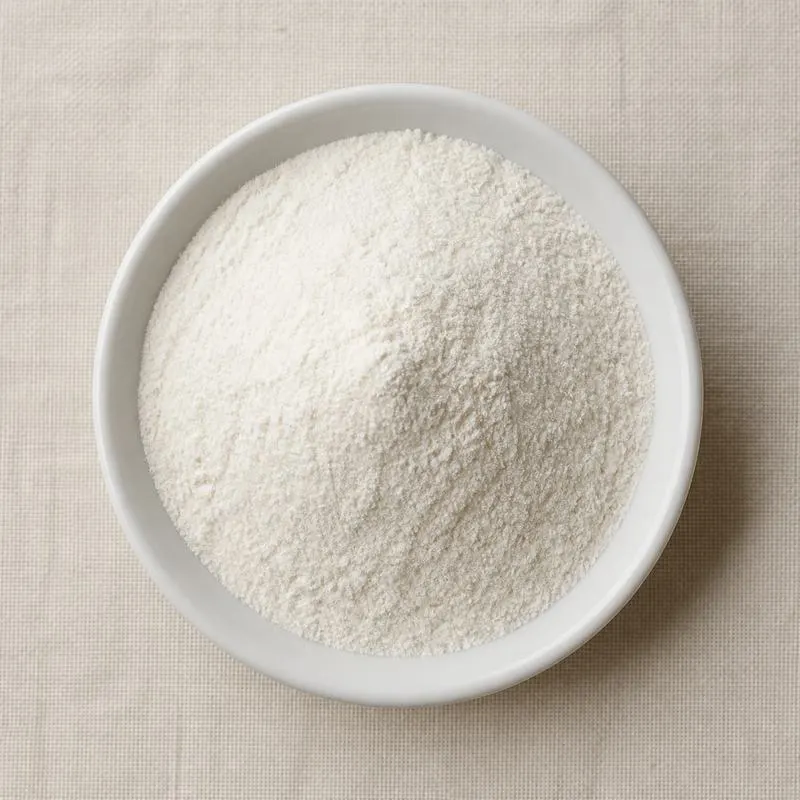
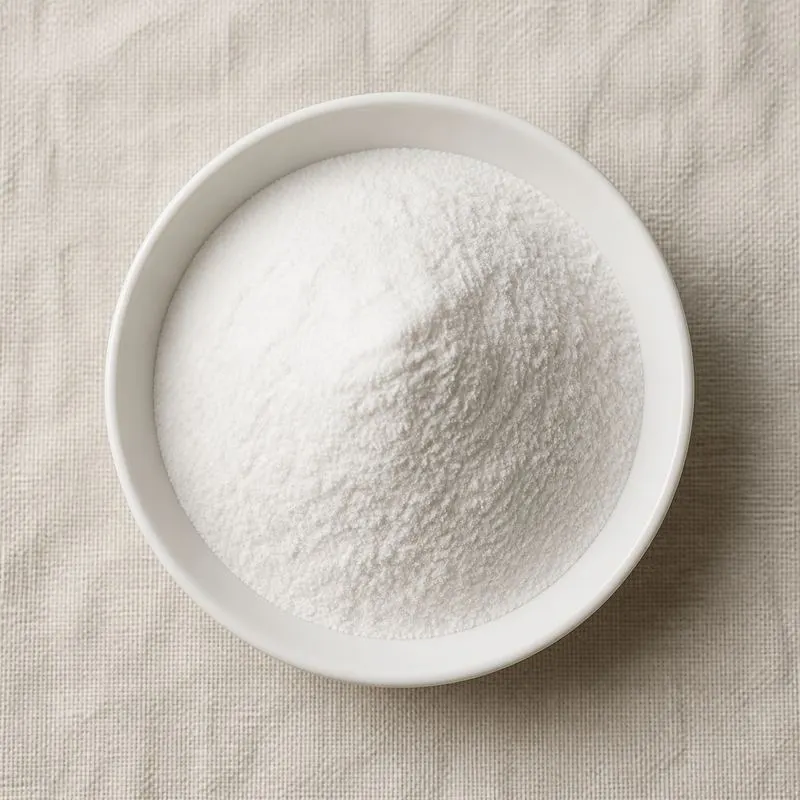
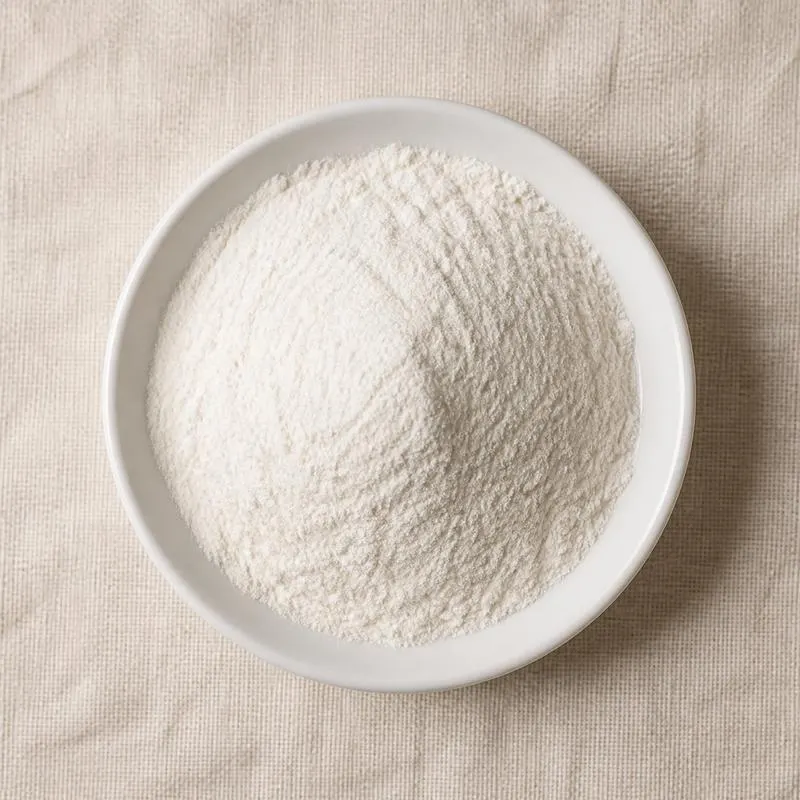
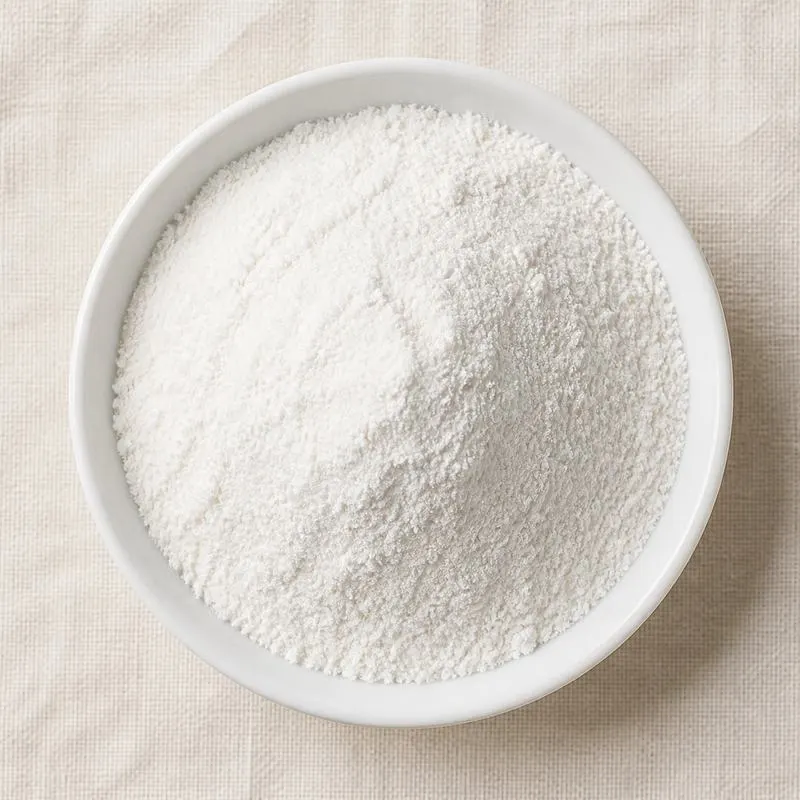
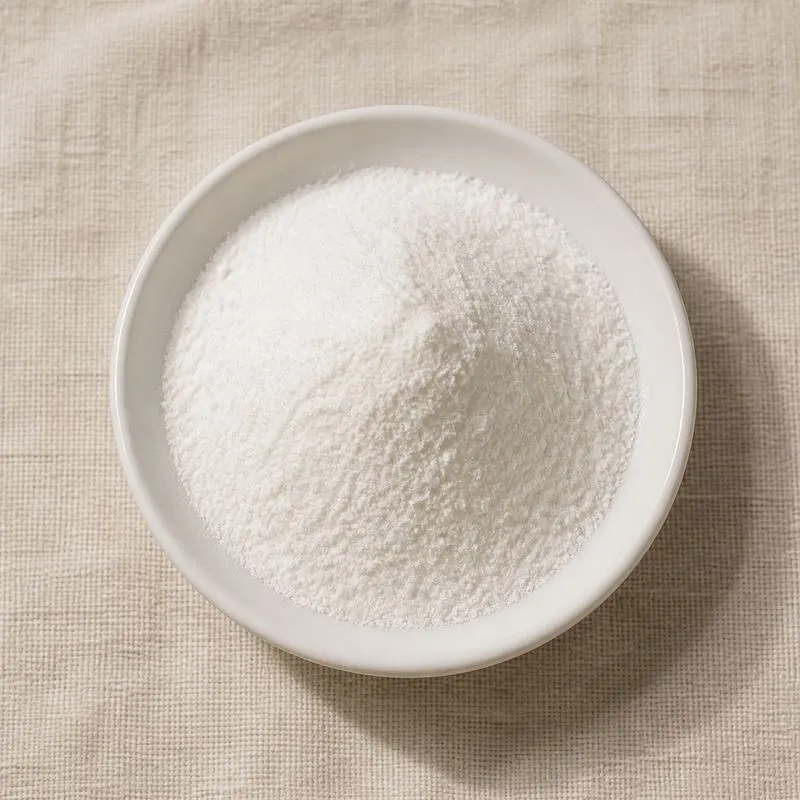
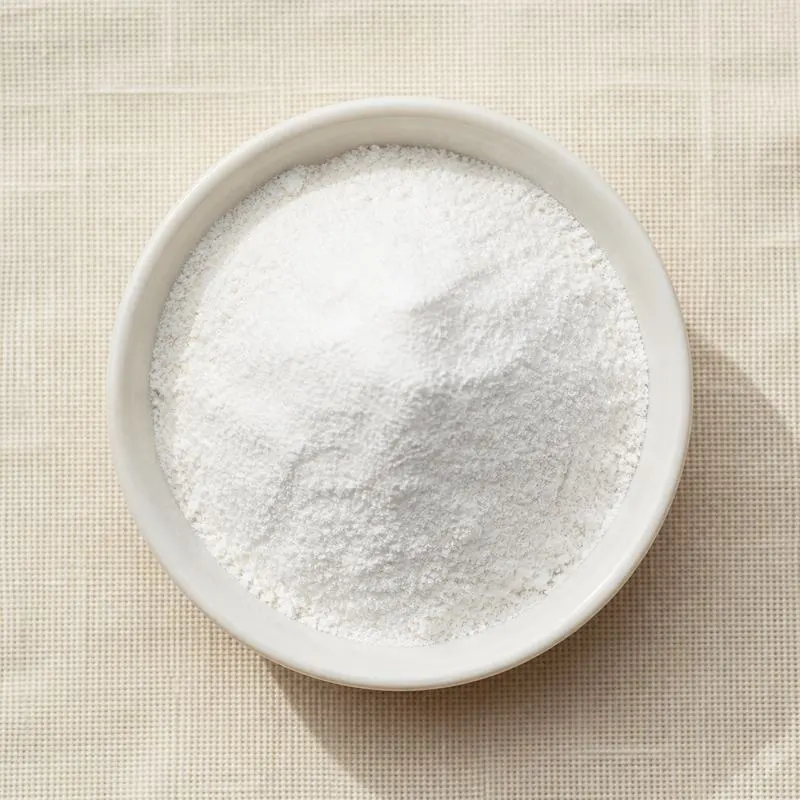
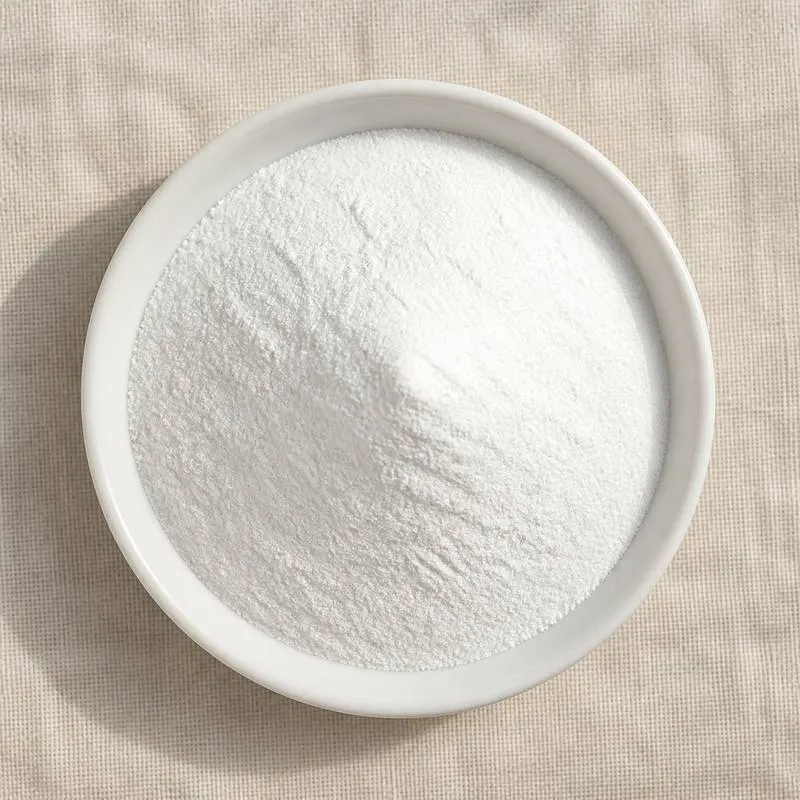
The material is a white to light yellow powder or a syrup. It is highly soluble, close to 40 percent as sweet as sucrose, and unusually robust: it survives sterilisation temperatures and holds up in strongly acid beverages where other oligosaccharides hydrolyse. Solutions are low in viscosity and remain clear, so the ingredient does not interfere with the appearance of a finished drink.
We source bulk Xylo-oligosaccharide from top China manufacturers for our partners, working with several of them. The manufacturers are in Shandong and Henan. A smaller requirement can ship in a combined container with other ingredients.
Please send the grade you need, the volume and your destination port, and we will come back with a solution and a price.
or call +86-21-6858 0751
- Function
- Dietary Fibres
Specifications
| Item | Specification |
|---|---|
| Appearance | White to light yellow free flowing powder |
| Odour and Taste | Characteristic, slightly sweet |
| Xylo-oligosaccharide (dry basis) | ≥ 95.0% |
| Xylobiose (dry basis) | ≥ 45.0% |
| Xylose | ≤ 3.0% |
| Loss on Drying | ≤ 6.0% |
| pH (10% solution) | 3.5 - 6.5 |
| Residue on Ignition | ≤ 0.5% |
| Transmittance (10% solution) | ≥ 90% |
| Lead | ≤ 0.5 mg/kg |
| Arsenic | ≤ 0.5 mg/kg |
| Total Plate Count | ≤ 1,000 cfu/g |
| Yeast and Mould | ≤ 50 cfu/g |
| E. coli / Salmonella | Absent in 25 g |
Common Markets Grades
Grades are set by xylo-oligosaccharide content on dry solids. XOS-95 powder, at 95 percent oligosaccharide, is the reference high purity grade, with XOS-70 powder and XOS-35 syrup below it. The lower grades carry residual xylose, arabinose and glucose along with some acid soluble lignin colour, which is why they are darker and are used where the assay rather than the appearance drives the choice.
Beyond assay, buyers specify the split between xylobiose and higher oligomers, since some producers standardise on xylobiose content, and they specify colour by transmittance because the raw xylan source carries lignin derived chromophores that only chromatographic refining fully removes. Both powder and syrup formats are traded at each purity.
Applications
- Functional beverages and shots, where a gram or less delivers a prebiotic claim without adding viscosity or haze
- Yoghurt and fermented milk, where it acts as a substrate for the starter culture and for colonic bifidobacteria
- Infant and toddler foods, where the low effective dose limits the osmotic load
- Tablets and capsules in supplement formats, where the high purity powder allows a small unit dose
- Coffee and tea premixes, where its heat stability lets it survive the drying step used to make instant powders
- Acidic fruit drinks and sports drinks, where the beta-1,4 xylose chain resists hydrolysis at low pH better than fructan fibres
- Bakery and cereal products, where it withstands baking temperatures without significant loss
- Animal feed, particularly poultry and piglet diets, where it is used to shift gut flora at very low inclusion
- Sugar reduced confectionery, where it contributes mild sweetness and solids at low addition levels
Brands Using Xylo-oligosaccharide
Widely-distributed consumer products that list Xylo-oligosaccharide on the ingredient label.
Brand names, product names and logos are the property of their owners. They appear here as published evidence that the ingredient is used, taken from the brand's own label or website. Their appearance is not an endorsement, and it does not mean the brand buys from us or from any manufacturer listed on this site.
China Manufacturers of Xylo-oligosaccharide
Top Xylo-oligosaccharide manufacturers in China.
- Heagreen Bio1 ingredient in the directory
- Qufu Bruschettini Bio-pharmaceutical Co., Ltd.4 ingredients in the directory
 Shandong Bailong Chuangyuan Bio-tech Co., Ltd.8 ingredients in the directory
- Shandong Jianyihong Biopharmaceutical Co., Ltd.9 ingredients in the directory
- Shandong Tianjiu Bio-tech Co., Ltd.8 ingredients in the directory
Company names and logos are the property of the manufacturers themselves. They are listed here because our own directory records them as producing this ingredient. A listing is not an endorsement by them, and we do not represent them or speak on their behalf.
Regulatory Status
In the United States xylo-oligosaccharide preparations have been notified to the Food and Drug Administration as generally recognised as safe for defined food uses, and the agency responded without objection. Whether the material can be counted in the dietary fibre declaration depends on the beneficial physiological effect being demonstrated to the agency for the specific preparation, and manufacturers rely on the terms of their own submission rather than on a general listing.
In the European Union xylo-oligosaccharide is not a food additive and has no E number. It falls under the novel food framework, and marketing depends on an authorisation covering the particular preparation, its specification and the food categories in which it may be used. There is no Codex commodity standard and no JECFA additive specification for the material, and its safety has instead been reviewed by national and regional novel food assessors.
Manufacturing Process
Production starts from a xylan rich agricultural residue, in practice corncob for most Chinese capacity, with bagasse and bamboo used as alternatives. The milled cob is subjected to steam explosion or a dilute alkali extraction that releases hemicellulose from the lignocellulose matrix. The extract is neutralised and clarified, and the dissolved xylan is then hydrolysed with an endo-1,4-beta-xylanase under conditions chosen to stop at short oligomers rather than running through to free xylose.
Downstream refining removes the impurities that make the crude liquor unusable at high purity. Membrane filtration takes out residual lignin and protein, activated carbon removes colour, and ion exchange strips ash and organic acids. High purity grades are then separated on simulated moving bed chromatography, which cuts monomeric xylose and residual salts away from the oligosaccharide fraction. The product stream is concentrated by vacuum evaporation and spray dried, or standardised as a syrup where the customer takes it in liquid form.