Chitosan Oligosaccharide
Chitosan Oligosaccharide (COS) is the low molecular weight hydrolysis product of chitosan, typically with a degree of polymerisation between 2 and 20 and a molecular weight below 10 kDa.
Unlike its parent polymer, COS is freely soluble in water across the full pH range. That solubility, combined with its strong biological activity, has made it the preferred form for functional food, supplement, and topical applications.
We source bulk Chitosan Oligosaccharide from top China manufacturers for our partners, working with several of them. The manufacturers are in Shandong and Zhejiang. A smaller requirement can ship in a combined container with other ingredients.
Please send the grade you need, the volume and your destination port, and we will come back with a solution and a price.
or call +86-21-6858 0751
- Packaging
- 25 kg kraft paper bag with PE inner liner
- ISO 9001
- HACCP
- Halal
- Kosher
Specifications
Grades / Types Available: Food grade, Feed grade, Cosmetic grade, Agricultural grade
| Item | Specification |
|---|---|
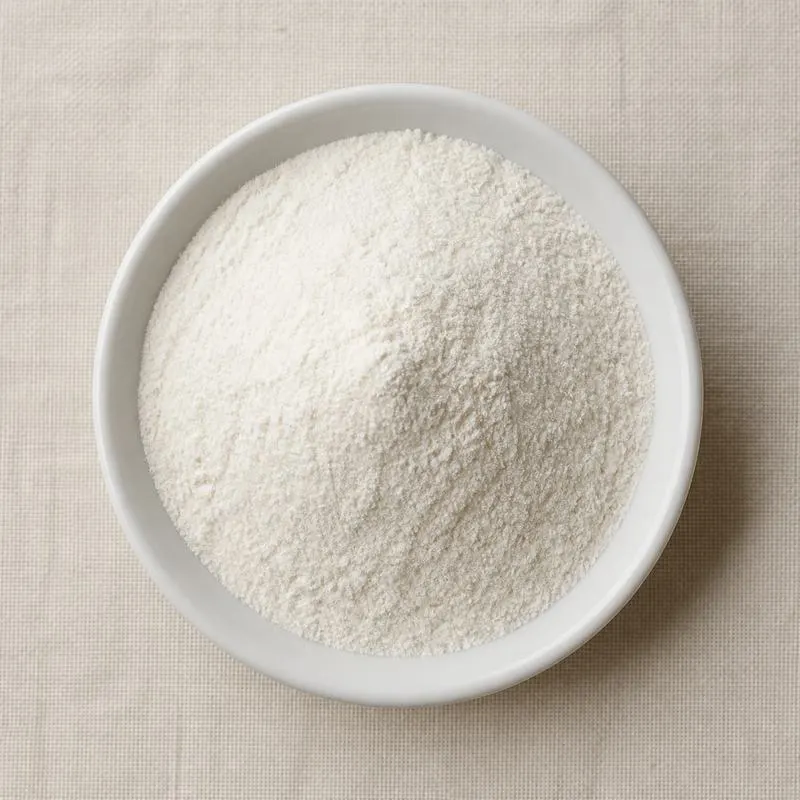
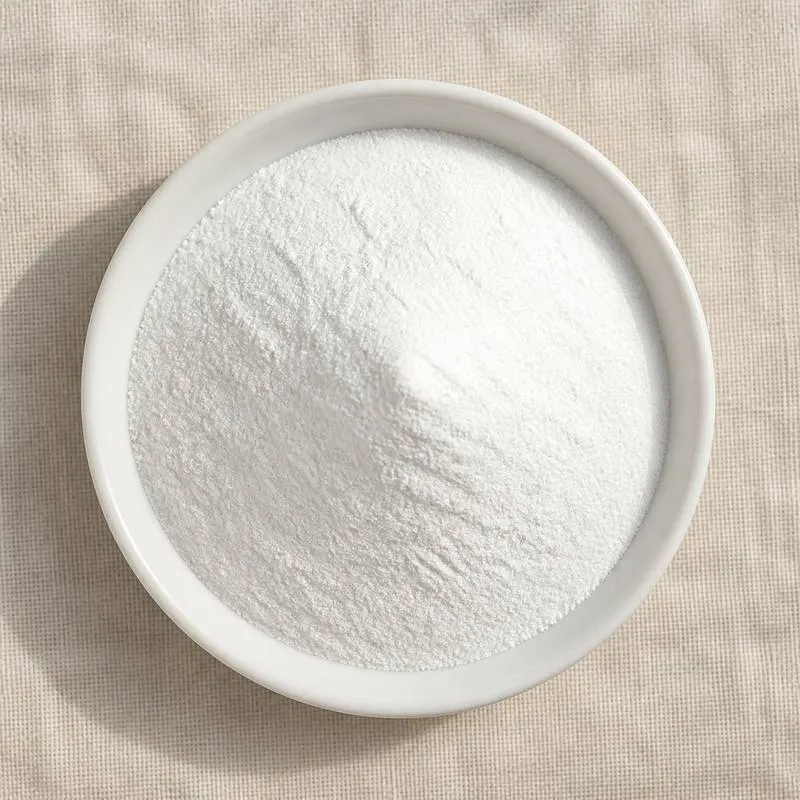
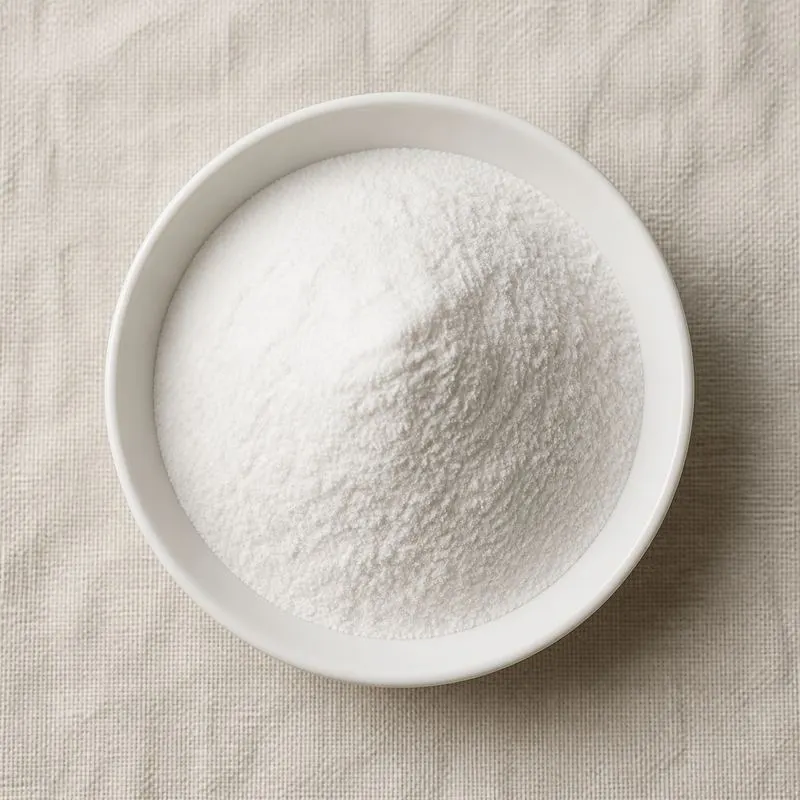
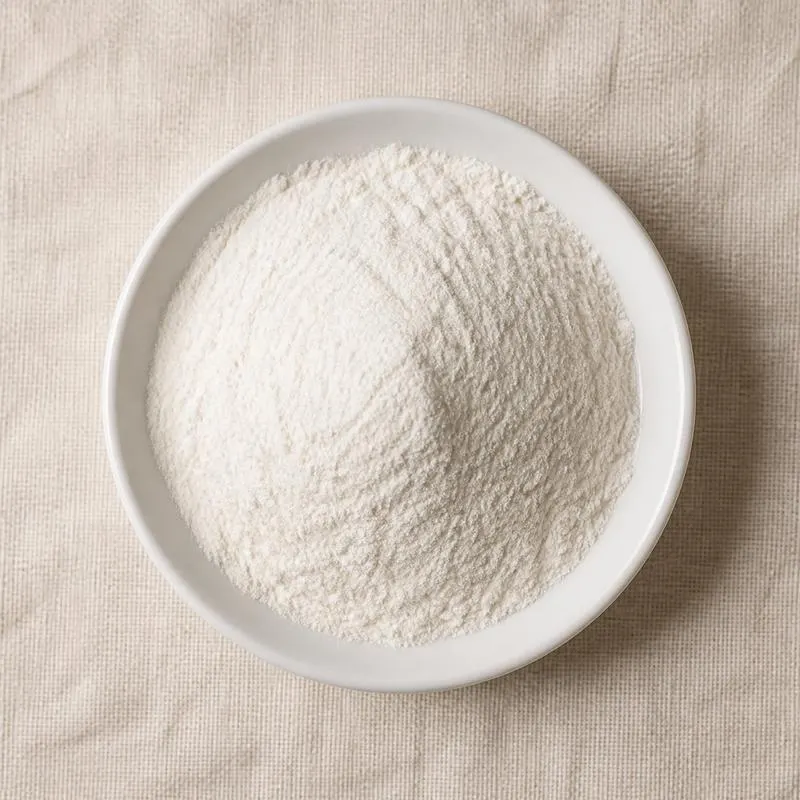
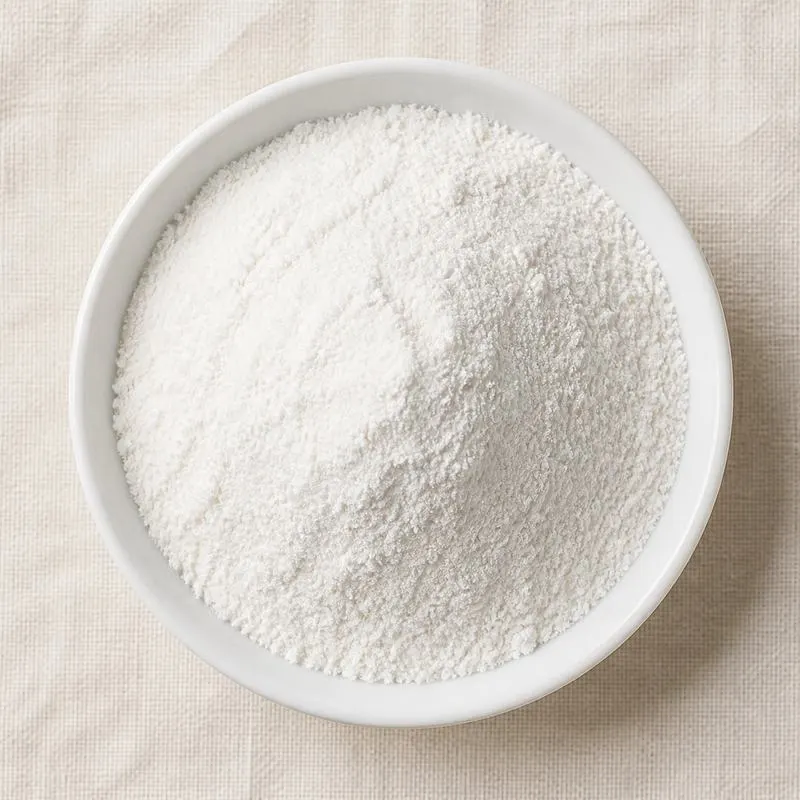
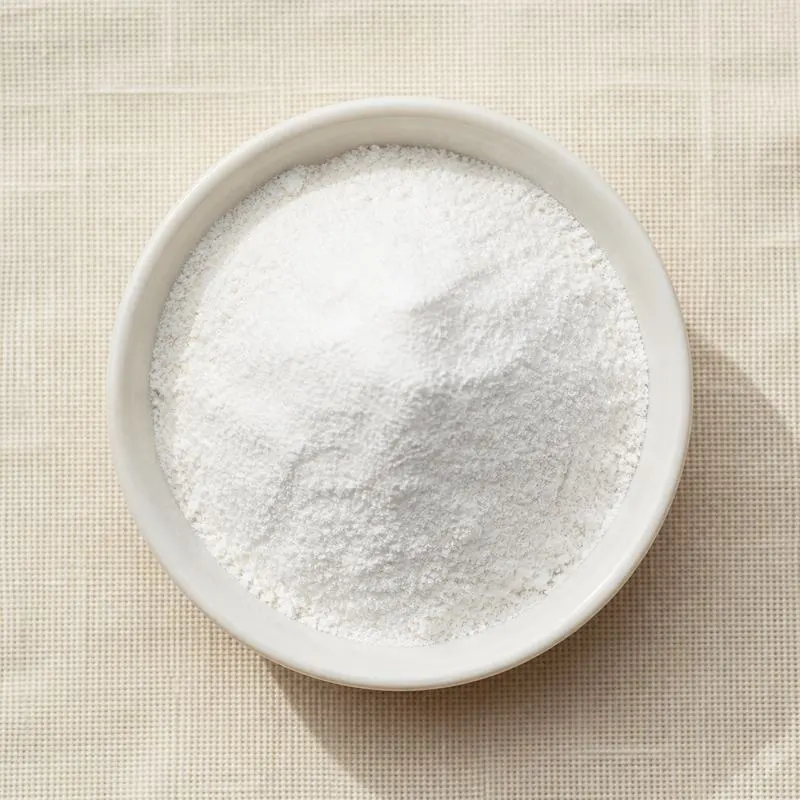
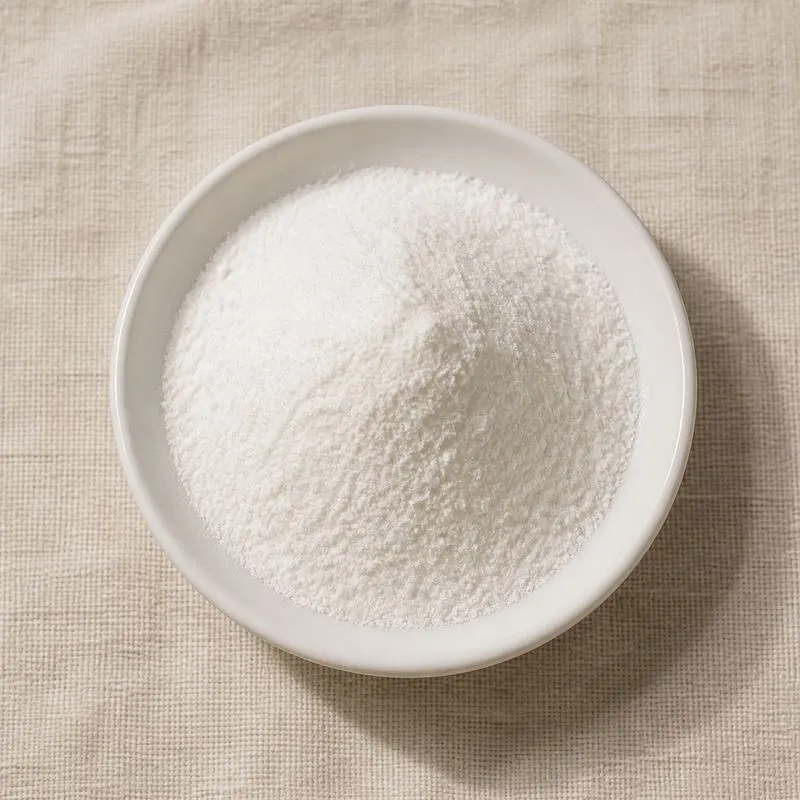
| Appearance | Off-white to light yellow fine powder |
| Assay (COS, dry basis) | ≥ 90% |
| Degree of Polymerisation | 2-10 |
| Water Solubility | ≥ 99% |
| Moisture | ≤ 10% |
| Ash | ≤ 1.5% |
| Heavy Metals (as Pb) | ≤ 10 mg/kg |
| Total Plate Count | ≤ 1,000 cfu/g |
| Purity (Food Grade) | ≥ 90% |
| Viscosity (Food Grade) | < 100 mPa.s |
| Moisture/Loss on Drying | ≤ 10% |
| pH | 6.0 - 7.5 |
| Particle Size/Mesh | 80 mesh |
| Lead | ≤ 1 ppm |
| Arsenic | ≤ 0.5 ppm |
| Yeast & Mold | ≤ 100 cfu/g |
Common Markets Grades
COS is graded by molecular weight band, degree of deacetylation, and purity.
Low MW grades below 1 kDa correspond mostly to chitobiose, chitotriose, and chitotetraose. They are the most bioactive fraction and are used in supplements and cosmetics.
Mid MW grades from 1 to 3 kDa balance bioactivity with cost and are used in functional foods and beverages.
Higher MW grades from 3 to 10 kDa retain some film-forming capacity and are used in edible coatings and agricultural sprays.
Purity is specified by COS content on a dry basis, typically 85 to 95 percent, with residual glucosamine monomer, salt, and water making up the balance.
Applications
- Immune-support and gut-health supplements
- Functional beverages, gummies, and stick packs
- Cosmetic moisturisers, anti-ageing serums, and scalp tonics
- Oral-care rinses and toothpaste as an antimicrobial
- Agricultural foliar sprays as a plant-defence elicitor
- Seed and root treatments to enhance germination and root mass
- Aquaculture feed additives for shrimp and finfish immunity
- Edible coatings on fresh fish, meat, and produce
- Topical wound-care gels and sprays
- Hair-care formulations for scalp microbiome balance
Brands Using Chitosan Oligosaccharide
Widely-distributed consumer products that list Chitosan Oligosaccharide on the ingredient label.
Brand names, product names and logos are the property of their owners. They appear here as published evidence that the ingredient is used, taken from the brand's own label or website. Their appearance is not an endorsement, and it does not mean the brand buys from us or from any manufacturer listed on this site.
China Manufacturers of Chitosan Oligosaccharide
Top Chitosan Oligosaccharide manufacturers in China.
- Qingdao Kehai Biochemistry Co., Ltd.2 ingredients in the directory
 Shandong Hailongyuan Bio-tech Co., Ltd.10 ingredients in the directory
 Zhejiang Golden-shell Pharmaceutical Co., Ltd.2 ingredients in the directory
Company names and logos are the property of the manufacturers themselves. They are listed here because our own directory records them as producing this ingredient. A listing is not an endorsement by them, and we do not represent them or speak on their behalf.
How We Help Source Chitosan Oligosaccharide
Direct Factory Sourcing
We run the whole process: selecting the manufacturer from the top Chinese food ingredient producers, negotiating the price, verifying quality, and coordinating the logistics. You deal with us instead of with several factories at once.
Original Packaging and Documents from the Manufacturer
The manufacturer sends your Chitosan Oligosaccharide out of its own factory in the original packing, through to your destination port. The COA, COO, MSDS, TDS and any certifications reach you from the manufacturer as well.
Free Samples and Lead Time
We send 100 to 500 g free for your own laboratory to test and you cover only the courier, usually within 2 to 3 working days. ETD is usually within 7 to 15 days once the order is confirmed, and we check that date against the factory's own manufacturing schedule before we give it to you.
Combined Shipment
We can load Chitosan Oligosaccharide together with other ingredients such as Citrus Fibre, Xylo-oligosaccharide and Inulin into one 20' FCL. If your quantity is small, we can also ship LCL.
Regulatory Status
COS inherits much of the regulatory framework of its parent chitosan.
The U.S. FDA accepts COS under existing chitosan GRAS notifications for general food use. Several supplement-specific GRAS notices have also been filed for COS-only products.
The European Union treats COS as a novel food ingredient that requires authorisation under Regulation (EU) 2015/2283 unless covered by an existing chitosan dossier.
South Korea's Ministry of Food and Drug Safety has approved chitosan oligosaccharide as a Health Functional Food ingredient with a recognised lipid-management claim, the largest formal claim framework for the substance.
Cosmetic use is permitted globally under the INCI name chitosan oligosaccharides with no upper limit.
Manufacturing Process
COS is produced by controlled depolymerisation of chitosan. Three routes are in commercial use.
Enzymatic hydrolysis is the dominant method. Food-grade chitosan is dissolved in dilute acetic acid and treated with chitosanase, lysozyme, or cellulase preparations under controlled pH and temperature. The enzymes cleave the polymer to the target chain length, after which the reaction is stopped and the product is purified.
Acid hydrolysis uses hydrochloric or nitrous acid to cleave the polymer chemically. The route has low reagent costs but produces broader molecular weight distributions and requires careful neutralisation and desalting.
Physical methods such as microwave, gamma irradiation, and ultrasonic treatment are used in combination with the other routes to fine-tune molecular weight.
The hydrolysate is filtered, ion-exchanged, concentrated, and spray-dried. Chromatographic fractionation is used for narrow MW research and pharmaceutical grades.