Soy Fibre
Soy fibre is the insoluble polysaccharide fraction of the soybean, Glycine max, recovered either from the cotyledon after protein and oil have been removed or from the hull that is dehulled off the bean before processing. Chemically it is a mixture of cellulose, hemicellulose and pectic polysaccharides, and it carries a residual protein content that distinguishes it from purely cellulosic fibres and gives it a measure of emulsifying and binding activity.
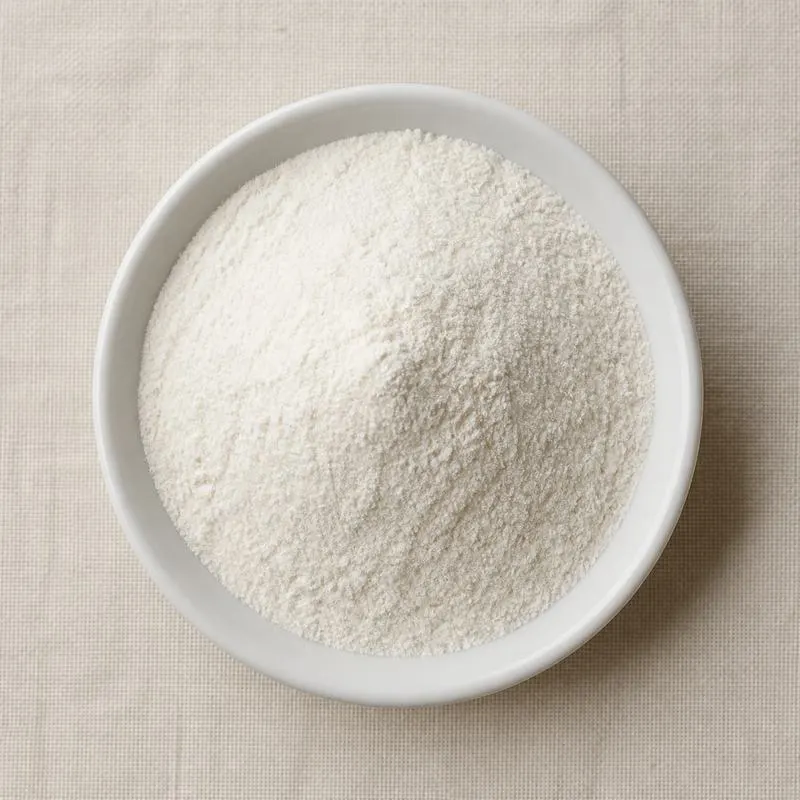
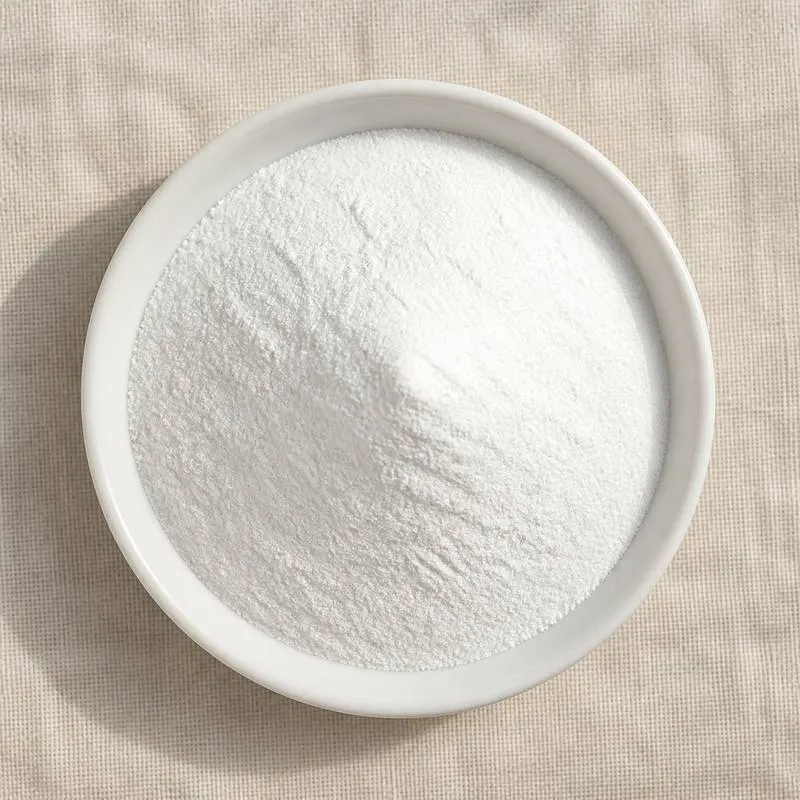
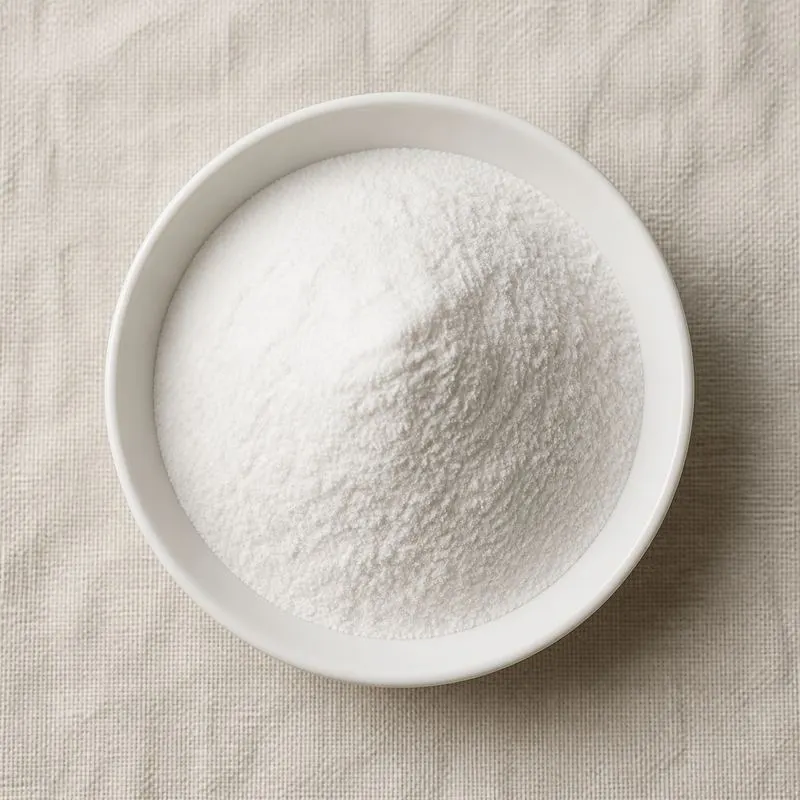
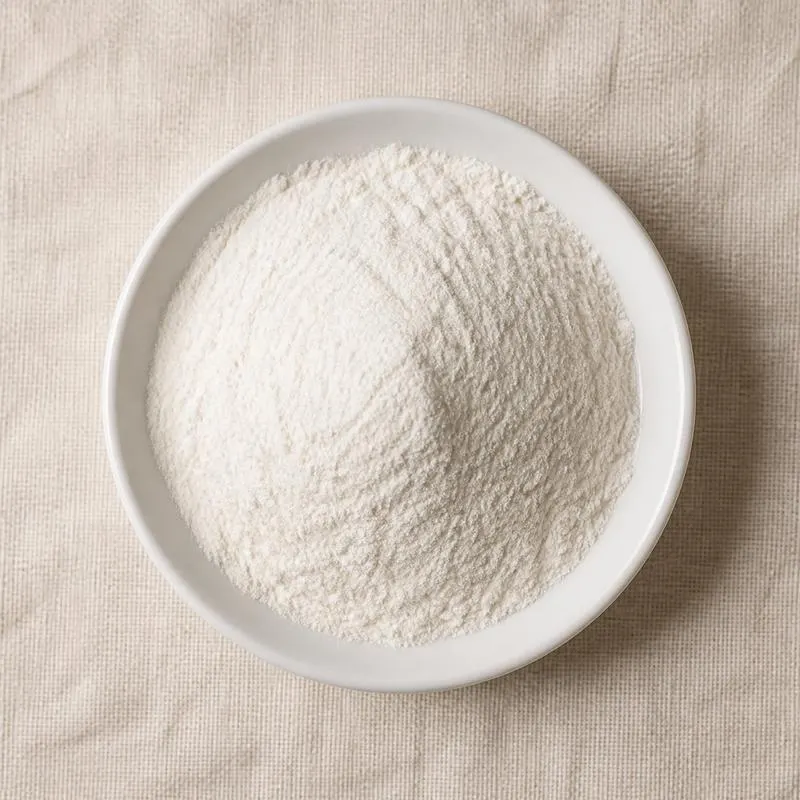
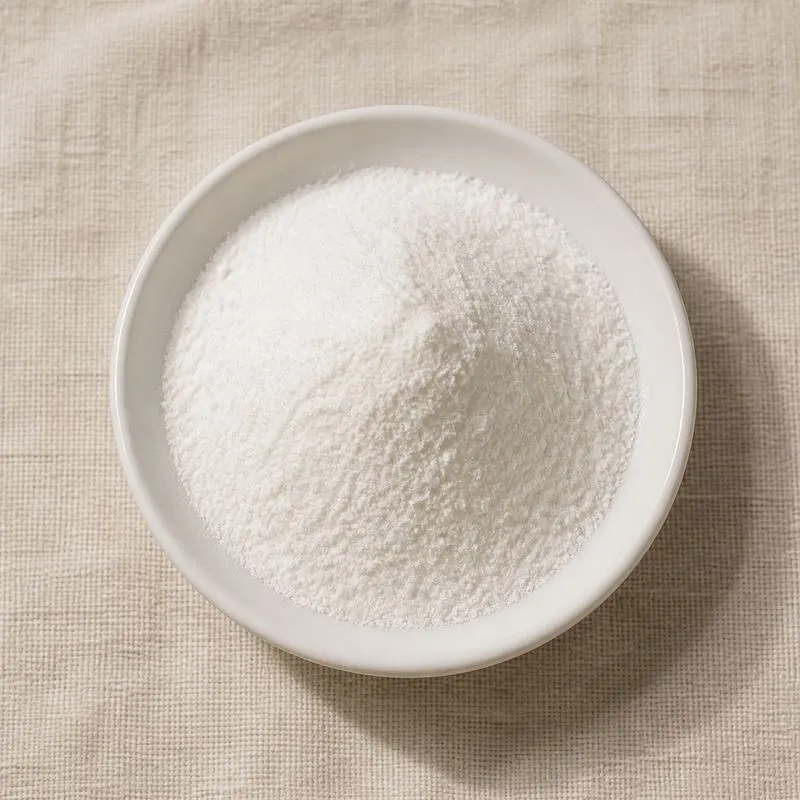
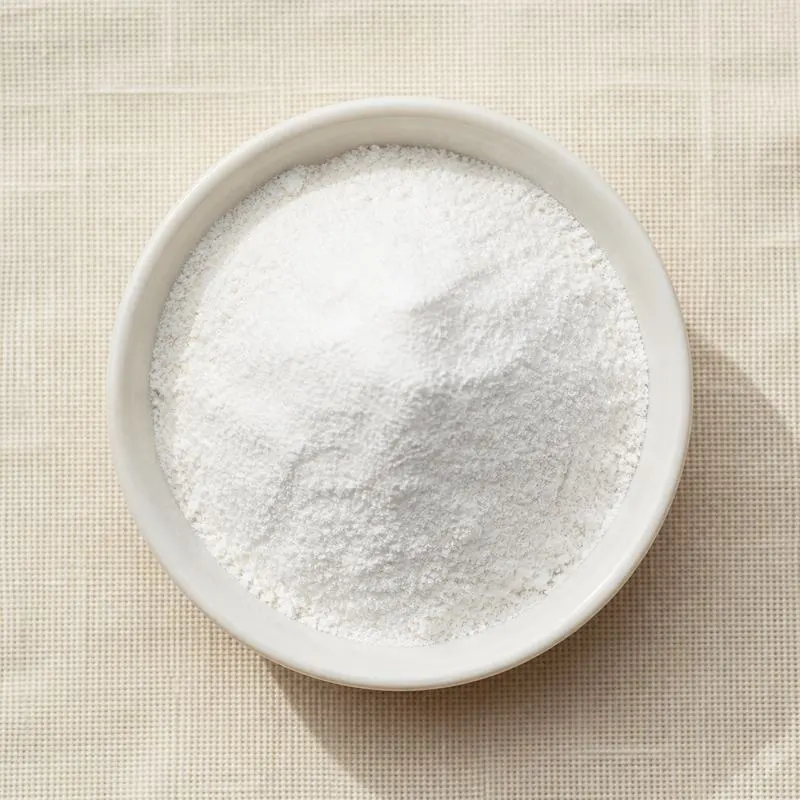
Cotyledon fibre, sometimes traded as okara fibre when it comes from tofu or soy milk production, is a cream to light beige powder with a total dietary fibre content usually between 60 and 80 per cent and a residual protein content of 10 to 20 per cent. Hull fibre is coarser, paler and higher in fibre, often above 85 per cent, with very little protein. Both are insoluble in water but hydrate strongly, holding several times their own weight in water and a useful quantity of oil.
Functionally the material is used for water binding, yield improvement, texture and fibre enrichment rather than for viscosity, since it does not dissolve and does not build a gel. Its neutral flavour, pale colour and stability through heat, freezing and acid processing make it usable across meat, bakery and dairy systems.
We source bulk Soy Fibre from top China manufacturers for our partners, working with several of them. The manufacturers are in Shandong and Guangdong. A smaller requirement can ship in a combined container with other ingredients.
Please send the grade you need, the volume and your destination port, and we will come back with a solution and a price.
or call +86-21-6858 0751
- Function
- Dietary Fibres
Specifications
| Item | Specification |
|---|---|
| Appearance | Cream to light beige free-flowing powder |
| Total Dietary Fibre | Not less than 65.0 per cent on dry basis |
| Protein | 10.0 to 20.0 per cent (cotyledon grade) |
| Fat | Not more than 2.0 per cent |
| Moisture | Not more than 8.0 per cent |
| Ash | Not more than 5.0 per cent |
| Particle Size | 95 per cent through 80 mesh |
| pH of 1 per cent suspension | 6.0 to 7.5 |
| Lead | Not more than 0.5 mg/kg |
| Arsenic | Not more than 0.5 mg/kg |
| Total Plate Count | Not more than 10000 cfu/g |
| Yeast and Mould | Not more than 100 cfu/g |
| Escherichia coli | Absent in 1 g |
| Salmonella | Absent in 25 g |
Common Markets Grades
The primary division in trade is between cotyledon fibre and hull fibre, and the two are not interchangeable: cotyledon material binds more water per unit weight and carries protein, hull material is cheaper and gives a higher analytical fibre figure. Within each, grades are set by particle size, from coarse 40 mesh material used where a visible fibrous texture is wanted, through 80 and 100 mesh general purpose grades, to superfine grades below 200 mesh used in beverages and smooth-textured products.
Functional grades are differentiated by water holding capacity, quoted in grams of water per gram of fibre, which is the number most buyers actually specify against. Values from around 5 to above 10 are available depending on how the material has been processed, since mechanical or thermal treatment opens the fibre structure and raises absorption. Food grade is the standard article; feed grade of lower purity and wider tolerance is traded separately. Non-genetically-modified certification is a common requirement, and organic-certified lots are produced where the bean supply qualifies.
Applications
- Emulsified sausage, ham and reformed meat, binding added water and brine to raise yield and limit cook loss
- Meat analogues and plant-based patties, providing bite and controlling juice release during cooking
- Bread and bun doughs, raising fibre content and slowing staling through its water holding
- Biscuits, crackers and extruded snacks, reducing energy density while keeping structure
- Noodles and pasta, improving firmness and reducing cooking loss
- Sauces, soups and gravies, as a bulking and body-building agent that does not add viscosity by dissolving
- Bakery fillings and dairy desserts, controlling syneresis during storage and freeze-thaw
- Pet food and extruded feed, as a fibre source that survives extrusion
- Fibre supplements and functional powders, where the insoluble fraction is the intended function
Brands Using Soy Fibre
Widely-distributed consumer products that list Soy Fibre on the ingredient label.
Brand names, product names and logos are the property of their owners. They appear here as published evidence that the ingredient is used, taken from the brand's own label or website. Their appearance is not an endorsement, and it does not mean the brand buys from us or from any manufacturer listed on this site.
China Manufacturers of Soy Fibre
Top Soy Fibre manufacturers in China.
 Dezhou Ruikang Bio Technology Co., Ltd.(德州瑞康生物科技有限公司)3 ingredients in the directory
 Hisoya Biotechnology (Guangdong) Co., Ltd.(海莎生物科技(广东)有限公司)6 ingredients in the directory
 Shandong Sinoglory Health Food Co., Ltd.6 ingredients in the directory
 Shandong Yuxin Bio-tech Co., Ltd.8 ingredients in the directory
Company names and logos are the property of the manufacturers themselves. They are listed here because our own directory records them as producing this ingredient. A listing is not an endorsement by them, and we do not represent them or speak on their behalf.
Regulatory Status
Soy fibre is a food ingredient rather than a food additive. In the United States it is used as a common food ingredient, with soy fibre preparations covered by generally recognised as safe status based on a long history of use in food, and analytical dietary fibre is declared on the Nutrition Facts panel according to the Food and Drug Administration definition of dietary fibre, which distinguishes intrinsic intact fibre from isolated fibres requiring a demonstrated physiological benefit. Soy is a major food allergen in the United States and must be declared on the label.
In the European Union it is a conventional food ingredient with a history of consumption, so it does not fall under the novel food framework, and its fibre content is declared under the nutrition labelling rules of the Food Information to Consumers Regulation, with fibre determined by the methods recognised for that purpose. Soybeans and products of them appear in the list of substances causing allergies or intolerances and must be labelled. Codex addresses dietary fibre through its guidelines on nutrition labelling and its definition of dietary fibre rather than through an additive specification.
Manufacturing Process
Cotyledon fibre is made from the material left after the soluble protein and the oil are taken out of dehulled, defatted soybean flakes. In the soy protein isolate route this residue is the insoluble fraction separated by centrifuge after alkaline extraction of the protein; in the soy milk and tofu route it is the okara left on the filter. The wet solids are washed to remove residual soluble sugars, oligosaccharides and any process chemicals, and the wash liquor is separated on a decanter. Washing is the step that sets the final fibre purity and also removes most of the raffinose and stachyose that would otherwise cause flatulence.
The washed cake is neutralised where alkali has been used, then dried, usually by flash or ring drying, which takes the moisture out quickly enough to avoid heat damage and case hardening. The dried fibre is milled and sieved to the required particle size, and a thermal or mechanical activation step is applied where a high water holding grade is wanted, opening the structure so that it absorbs more. Hull fibre follows a shorter route: hulls separated at dehulling are cleaned, toasted to deactivate enzymes and reduce microbial load, then milled and sieved.