Damascenone
Damascenone, in commerce almost always beta-damascenone, is a norisoprenoid ketone with the formula C13H18O, registered under CAS number 23696-85-7 and carrying FEMA number 3420. It belongs to the rose ketone family, which was identified during work on Bulgarian rose oil, and it is one of the most powerful odorants known.
Its odour is intensely fruity and floral, described as apple, plum, rose, honey and stewed fruit with a woody undertone, and its detection threshold in water lies in the region of a few parts per trillion, which is several orders of magnitude below that of most flavour materials. As a result the neat substance is almost never handled directly, and it is traded as a dilution at one or ten percent in ethanol, propylene glycol or triethyl citrate.
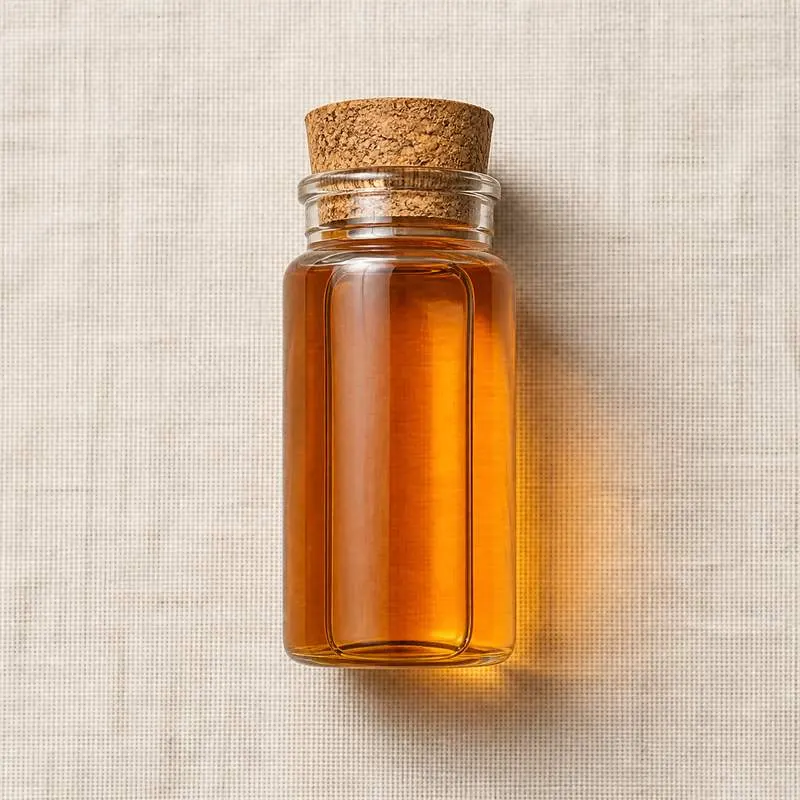
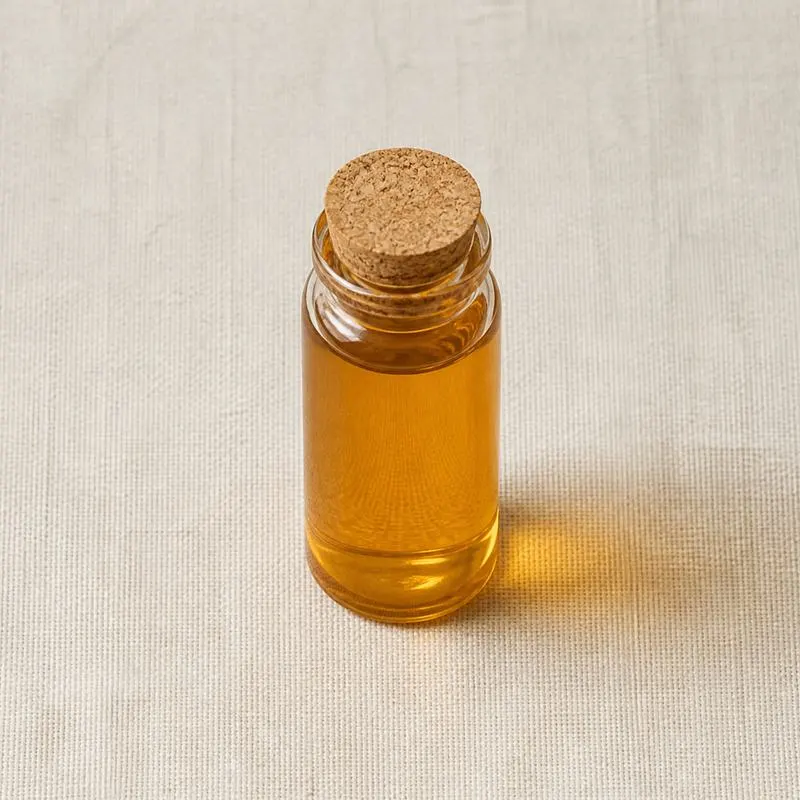
It occurs naturally in rose oil, black tea, tobacco, wine, beer, cooked apple, tomato and many fruits, where it forms by oxidative degradation of carotenoids, principally neoxanthin, followed by acid catalysed rearrangement of glycosidically bound precursors during ripening, fermentation or heating. That origin explains its importance in wine and tea aroma, where the compound is generated during processing rather than present in the fresh material. Neat damascenone is a pale yellow oily liquid, soluble in ethanol and oils and very slightly soluble in water, and it is sensitive to strong acid and to prolonged heat.
We source bulk Damascenone from top China manufacturers for our partners. The manufacturer is in Beijing. A smaller requirement can ship in a combined container with other ingredients.
Please send the grade you need, the volume and your destination port, and we will come back with a solution and a price.
or call +86-21-6858 0751
- Function
- Flavours and Aromas
Specifications
| Item | Specification |
|---|---|
| Appearance | Clear pale yellow oily liquid |
| Odour | Powerful fruity, floral, rose and stewed apple, characteristic |
| Assay by GC | Not less than 90.0 percent beta-damascenone |
| Identification | Infrared and mass spectra conform to reference |
| Relative Density (25°C) | 0.930 to 0.950 |
| Refractive Index (20°C) | 1.518 to 1.532 |
| Related Isomers | Total not more than 10.0 percent |
| Acid Value | Not more than 3.0 mg KOH/g |
| Solubility | Soluble in ethanol and fixed oils, very slightly soluble in water |
| Residual Solvent | Within the applicable limits for the solvents used |
| Colour, Gardner | Not more than 3 |
| Heavy Metals (as Pb) | Not more than 10 mg/kg |
| Lead | Not more than 2 mg/kg |
| Arsenic | Not more than 1 mg/kg |
Common Markets Grades
Damascenone is a single chemical substance, so the axes are isomeric purity, origin and dilution. The commercial material is predominantly the beta isomer, and alpha, gamma and delta damascones and damascenones are separate articles of commerce with different odours, so the specific name and CAS number matter more than usual in this class. Assay is normally stated at not less than ninety or ninety five percent for the neat material, with the balance made up of closely related isomers rather than unrelated impurities.
Origin divides synthetic material, which accounts for almost all supply, from natural grades produced by biotechnological or enzymatic release from carotenoid precursors, which cost several times more and are bought where a natural declaration is required. Because the neat substance is impractical to weigh at the dosages used, the working presentation is a standardised solution, and one and ten percent dilutions in ethanol, propylene glycol or triethyl citrate are the normal trading forms, with the diluent chosen to suit the destination system. Suppliers also offer it within pre-made rose, fruit and tea bases rather than as a single material.
Applications
- Fine fragrance, in rose, fruity floral and chypre accords where it gives lift and naturalness
- Rose reconstitutions, as one of the trace materials that separates a convincing rose from a flat one
- Apple, pear, plum, peach and berry flavours, adding ripeness and a cooked fruit facet
- Black tea and oolong flavours, where the compound is a genuine constituent of the brewed leaf
- Wine, beer and spirit flavourings, reproducing a note that arises naturally in fermentation and ageing
- Tobacco flavouring, both in traditional products and in vapour liquids
- Honey and caramel flavours, contributing depth at very low dosage
- Personal care and household fragrance, in fruity and floral compounds
- Analytical and sensory reference work on carotenoid derived aroma compounds
China Manufacturers of Damascenone
Top Damascenone manufacturers in China.

Company names and logos are the property of the manufacturers themselves. They are listed here because our own directory records them as producing this ingredient. A listing is not an endorsement by them, and we do not represent them or speak on their behalf.
Regulatory Status
In the United States damascenone is used as a flavouring substance and holds FEMA GRAS status under FEMA number 3420, which is the basis for its use in food and beverage. It is not a food additive requiring petition, and the declaration on a finished food follows 21 CFR 101.22 according to whether the material is of natural or synthetic origin. Fragrance use falls outside the food framework and is governed by cosmetic rules and by industry self regulation.
In the European Union damascenone is a flavouring substance authorised under Regulation (EC) No 1334/2008 and appears on the Union list of flavouring substances, so it may be used in food in accordance with that regulation and carries no E number. The definitions in the same regulation determine whether material may be described as a natural flavouring substance, which depends on it being obtained from a source of vegetable, animal or microbiological origin by an appropriate process, so synthetic damascenone cannot carry that description regardless of its identity with the natural compound. In fragrance use the International Fragrance Association standards apply, and the substance is subject to the usual cosmetic regulation requirements. Codex addresses the field through its general guidelines for the use of flavourings, which reference the international expert evaluations of individual flavouring substances.
Manufacturing Process
Almost all commercial damascenone is made by total synthesis. The molecule is built in two parts, a trisubstituted cyclohexene ring bearing the gem dimethyl group and a four carbon unsaturated ketone side chain, and industrial routes assemble these from petrochemical and terpene derived intermediates related to those used for the ionones. A ring precursor such as a substituted trimethylcyclohexanone or cyclohexene aldehyde is built up by condensation or by addition of a propenyl or butenyl unit, and the resulting alcohol or adduct is oxidised and then isomerised under acid or base catalysis to move the double bonds into the conjugated arrangement that carries the odour.
Because the target is thermally sensitive and the isomer distribution decides the smell, the finishing steps matter as much as the coupling. The crude reaction mass is quenched, washed to remove catalyst and salts, and the solvent recovered by distillation. The product is then purified by fractional distillation under deep vacuum in a packed or short path column, taking the wanted isomer as a narrow cut, and the fractions are assessed by gas chromatography and by odour before blending to specification. Natural grades follow a different route entirely, generating the compound from carotenoid rich plant material by controlled enzymatic or acid catalysed release of bound precursors, followed by extraction and careful distillation. All grades are standardised into a diluent, filled under nitrogen into lined containers and stored cool and dark, since the material discolours and loses its top note on exposure to air and light.