Propylene Glycol
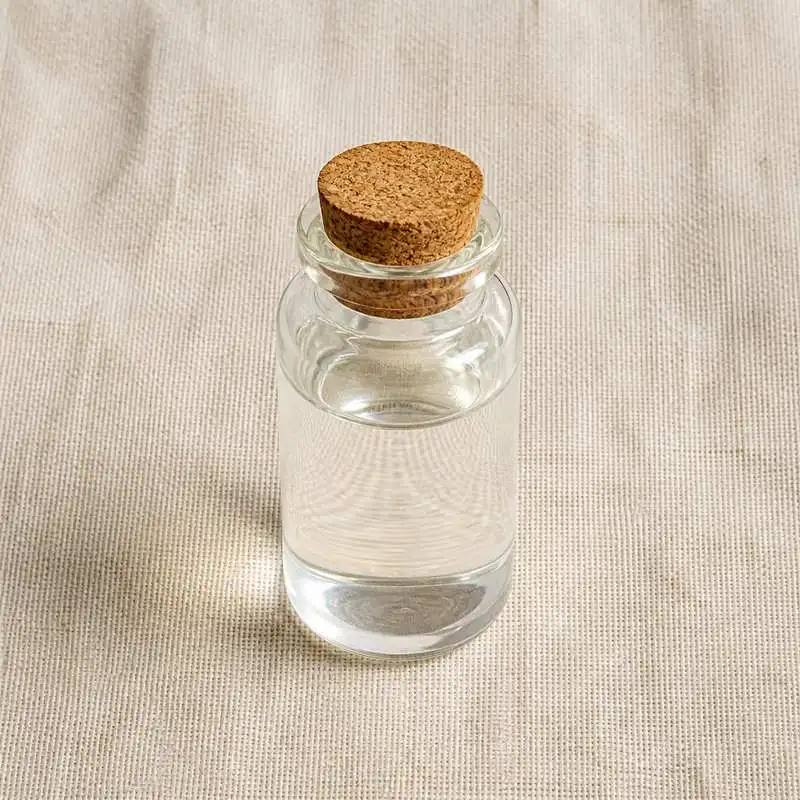
Propylene Glycol is a clear, colourless, viscous liquid with the chemical formula C₃H₈O₂ and CAS number 57-55-6.
It is one of the most widely used multifunctional solvents and humectants across pharmaceutical, food, cosmetic, and industrial applications. Food-grade propylene glycol carries the European additive number E1520.
We source bulk Propylene Glycol from top China manufacturers for our partners. The manufacturers are in Henan and Shandong. For this ingredient the minimum order is 500 kg and a 20-foot container takes 16 MT, and a smaller requirement can ship in a combined container with other ingredients.
Please send the grade you need, the volume and your destination port, and we will come back with a solution and a price.
or call +86-21-6858 0751
- Minimum order
- 500 kg
- Qty in 20' FCL
- 16 MT
- Packaging
- 250 kg plastic drum or 1,000 kg IBC tote
- Function
- Pharmaceutical excipient
- ISO 9001
- HACCP
- Halal
- Kosher
Specifications
| Item | Specification |
|---|---|
| Appearance | Clear, colourless, viscous liquid |
| Odour | Odourless or faint characteristic odour |
| Assay | ≥ 99.5% |
| Colour (APHA) | ≤ 10 |
| Specific Gravity (25°C) | 1.035–1.037 |
| Refractive Index (20°C) | 1.4310–1.4330 |
| Distillation Range | 184–189°C, ≥ 95% distils |
| Water (Karl Fischer) | ≤ 0.2% |
| Acidity | ≤ 0.20 mL of 0.1 M sodium hydroxide per 50 g |
| Chloride (as Cl) | ≤ 0.007% |
| Sulfate (as SO₄) | ≤ 0.006% |
| Residue on Ignition | ≤ 0.007% |
| Diethylene Glycol and Ethylene Glycol | ≤ 0.10% total |
| Heavy Metals (as Pb) | ≤ 5 mg/kg |
| Arsenic (as As) | ≤ 1 mg/kg |
Common Markets Grades
Propylene Glycol comes in four grades: pharmaceutical, food, injectable, and industrial.
Pharmaceutical grade (USP, Ph. Eur., JP) is the highest-purity material, with assay above 99.5 percent and tight specifications on water, dipropylene glycol, and oxidising substances. It is the standard solvent for liquid pharmaceutical formulations.
Food grade (FCC) matches the pharmaceutical purity for use as a carrier, humectant, and antifreeze in food applications.
USP/EP injectable grade is produced for parenteral formulations with additional endotoxin and particulate testing.
Industrial grade serves antifreeze, heat-transfer fluid, deicing, and unsaturated polyester resin synthesis at slightly lower purity and lower cost.
Propylene glycol USP/EP is non-GMO by default because the synthesis is petrochemical, though renewable bio-based grades are increasingly available from glycerol or sugar fermentation routes.
Applications
- Pharmaceutical liquid formulations including syrups, elixirs, injectables, and topical products
- Pharmaceutical capsule plasticizer for soft gelatin and HPMC shells
- Food flavour and colour carrier for water- and oil-soluble systems
- Humectant in baked goods, frostings, fillings, and confections
- Cake-mix and refrigerated dough moisture management
- Cosmetic and personal care humectant for lotions, creams, deodorants, and shampoos
- Toothpaste, mouthwash, and oral-care humectant
- Electronic cigarette and vaping liquid base (food-grade)
- Antifreeze and heat-transfer fluid for HVAC, food processing, and aircraft deicing
- Cryopreservation of biological samples and reproductive tissue
- Theatrical fog machine fluid base
- Unsaturated polyester resin and alkyd resin synthesis
Brands Using Propylene Glycol
Widely-distributed consumer products that list Propylene Glycol on the ingredient label.
- CetaphilIntensive Moisturizing Cream ↗Ingredients include: '...Carbomer, Propylene Glycol, Disodium Edta, Benzyl Alcohol, Phenoxyethanol...'Label verified 2026-05-25
- CetaphilRough & Bumpy Cream ↗Ingredients: 'Water, Urea, Cetyl Lactate, Myristyl Lactate, Glycerin, Propylene Glycol, Prunus Amygdalus Dulcis (Sweet Almond) Oil...'Label verified 2026-05-25
- ColgateOptic White Advanced Toothpaste (Sparkling White) ↗Inactive Ingredients: 'Propylene Glycol, Calcium Pyrophosphate, PVP, PEG/PPG-116/66 Copolymer...'Label verified 2026-05-25
Brand names, product names and logos are the property of their owners. They appear here as published evidence that the ingredient is used, taken from the brand's own label or website. Their appearance is not an endorsement, and it does not mean the brand buys from us or from any manufacturer listed on this site.
China Manufacturers of Propylene Glycol
Top Propylene Glycol manufacturers in China.
 Henan Chemsino Industry Co., Ltd.7 ingredients in the directory
 Qingdao Bright Moon Seaweed Group Co., Ltd.7 ingredients in the directory
Company names and logos are the property of the manufacturers themselves. They are listed here because our own directory records them as producing this ingredient. A listing is not an endorsement by them, and we do not represent them or speak on their behalf.
How We Help Source Propylene Glycol
Direct Factory Sourcing
We run the whole process: selecting the manufacturer from the top Chinese food ingredient producers, negotiating the price, verifying quality, and coordinating the logistics. You deal with us instead of with several factories at once.
Original Packaging and Documents from the Manufacturer
The manufacturer sends your Propylene Glycol out of its own factory in the original packing, through to your destination port. The COA, COO, MSDS, TDS and any certifications reach you from the manufacturer as well.
Free Samples and Lead Time
We send 100 to 500 g free for your own laboratory to test and you cover only the courier, usually within 2 to 3 working days. ETD is usually within 7 to 15 days once the order is confirmed, and we check that date against the factory's own manufacturing schedule before we give it to you.
Combined Shipment
We can load Propylene Glycol together with other ingredients such as Colloidal Microcrystalline Cellulose, Magnesium Stearate and Microcrystalline Cellulose Gel into one 20' FCL. If your quantity is small, we can also ship LCL.
Regulatory Status
Propylene Glycol has broad regulatory acceptance across pharmaceutical, food, and cosmetic applications.
Pharmacopoeial monographs in the USP, European Pharmacopoeia, Japanese Pharmacopoeia, and Chinese Pharmacopoeia cover the pharmaceutical grade.
The U.S. FDA recognises propylene glycol as GRAS for direct food use under 21 CFR 184.1666 and as an indirect food additive in several other listings.
The EU permits propylene glycol as a food additive under E1520 with category-specific maximum levels.
JECFA has evaluated propylene glycol and assigned a defined intake guideline based on toxicology data, with the substance retained as a food additive in the Codex framework.
The substance is not approved as a food additive in cat food because cats metabolize it abnormally, leading to Heinz body anemia.
Manufacturing Process
Industrial Propylene Glycol is produced almost entirely by hydration of propylene oxide.
Propylene oxide reacts with excess water in the presence of a catalyst (acid, base, or just elevated temperature in the non-catalytic route) to yield a mixture of monopropylene glycol, dipropylene glycol, and tripropylene glycol.
The reaction is run with a large water excess to push the equilibrium toward the monoglycol and suppress the higher condensation products.
The crude product is dehydrated by multiple-effect evaporation and then fractionated under vacuum. Monopropylene glycol is taken as the top product. Dipropylene and tripropylene glycols are recovered as separate saleable streams.
The pharmaceutical and food grades go through additional polishing, often including activated carbon decolorisation, to meet the tight colour, odour, and oxidising substances limits in the pharmacopoeial monographs.
A growing share of supply is bio-based, produced by hydrogenation of glycerol or by fermentation of sugars to 1,2-propanediol, especially for cosmetic and food applications where renewable sourcing is valued.