Edible Bone Oil
Edible bone oil is the fat recovered from animal bone during the production of bone stock and bone meal, separated from the cooking liquor and refined for food use. It is drawn mainly from pork and beef bone, with poultry frames giving a softer and more unsaturated product, and it differs from ordinary rendered fat in both origin and character.
The difference matters commercially. Bone fat comes largely from marrow and from the fat held within cancellous bone rather than from adipose tissue, and because it is released during a long wet cook rather than by simple rendering, it carries aroma compounds generated in that cook. The result is a fat with a pronounced cooked bone and stock character, a slightly darker colour and a softer texture than the corresponding tallow or lard, and it is bought for that aroma rather than as a neutral cooking medium.
Composition follows the species, with oleic, palmitic and stearic acids dominating in pork and beef bone oil, and a higher proportion of unsaturated fatty acids in poultry bone oil. The fat is semi solid at room temperature and melts over a range. Because the extraction is carried out hot and wet, it starts with a higher free fatty acid content and a greater oxidative burden than a dry rendered fat, so prompt separation, refining and antioxidant addition are the normal practice rather than optional refinements.
We source bulk Edible Bone Oil from top China manufacturers for our partners. The manufacturer is in Henan. A smaller requirement can ship in a combined container with other ingredients.
Please send the grade you need, the volume and your destination port, and we will come back with a solution and a price.
or call +86-21-6858 0751

- Function
- Flavours and Aromas
Specifications
| Item | Specification |
|---|---|
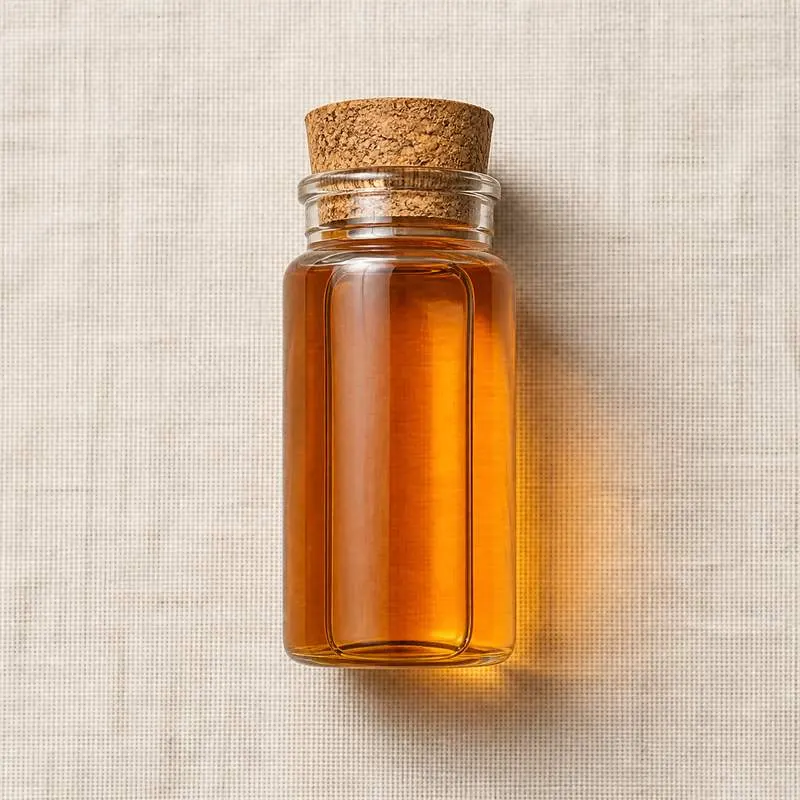
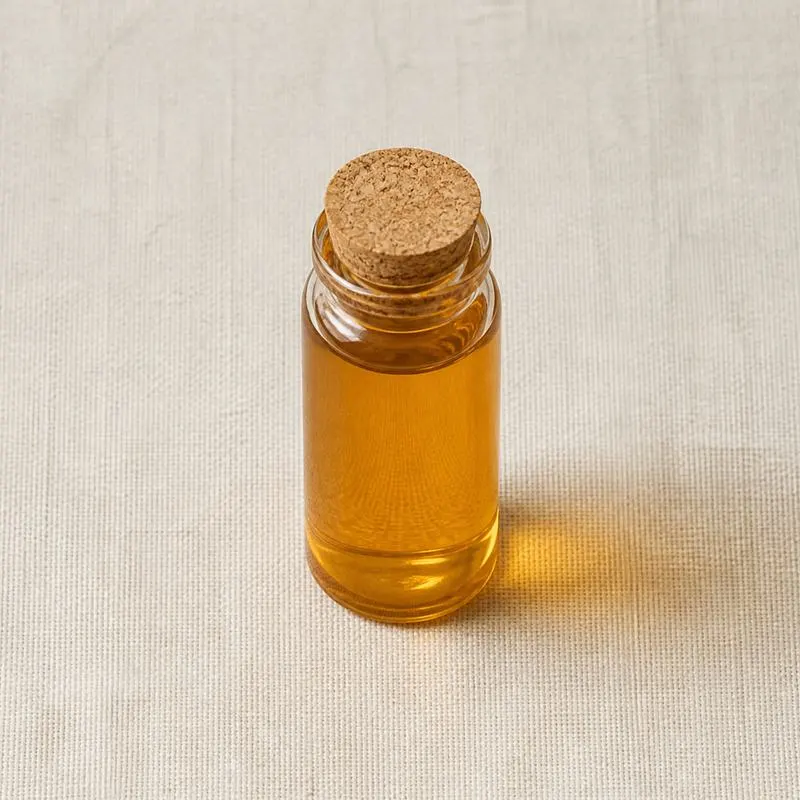
| Appearance | Pale yellow to light brown semi solid fat, clear when melted |
| Odour and Flavour | Characteristic cooked bone stock, free from rancid notes |
| Free Fatty Acid, as oleic | Not more than 1.0 percent for filtered grades |
| Peroxide Value | Not more than 3 meq/kg on despatch |
| Anisidine Value | Not more than 5 |
| Moisture and Volatile Matter | Not more than 0.2 percent |
| Insoluble Impurities | Not more than 0.05 percent |
| Colour, Lovibond 5.25 inch cell | Not more than 5.0 red |
| Slip Melting Point | To declared range for the species |
| Fatty Acid Profile | Conforms to the profile declared for the species |
| Unsaponifiable Matter | Not more than 1.5 percent |
| Antioxidant | To declared type and level |
| Lead | Not more than 0.1 mg/kg |
| Arsenic | Not more than 0.1 mg/kg |
Common Markets Grades
The first distinction is species and raw material, since pork bone oil, beef bone oil and chicken bone oil are separate commodities with different melting behaviour and aroma. The second is the degree of refining. Crude bone oil, simply separated and filtered, retains the strongest stock aroma and is bought by seasoning manufacturers for exactly that reason. Refined, bleached and deodorised grades are pale and comparatively bland and are used where the fat is a carrier rather than a flavour. Between them sit lightly refined grades in which free fatty acids and colour are reduced but the characteristic aroma is deliberately retained.
The third axis is finishing. Fractionated grades separated by controlled crystallisation into harder and softer fractions are used where a defined solid fat profile is needed. Flavoured or seasoned bone oils, in which spices and aromatics have been fried into the fat, are a distinct product used in noodle and hotpot bases. Free fatty acid, peroxide and anisidine values, colour and melting point are the trading figures, and halal and kosher status is species determined. Antioxidant declaration is a routine specification point because most grades are stabilised.
Applications
- Instant noodle seasoning oil sachets, where the stock aroma is the point of the ingredient
- Bone broth and soup bases, restoring the fat phase after defatting
- Hotpot and barbecue bases, as the frying medium for spices and aromatics
- Savoury reaction flavour manufacture, as the lipid source that carries species character
- Snack seasoning oil slurries, carrying flavour onto the surface during tumbling
- Sausage, pate and emulsified meat products, as part of the fat phase
- Sauces, gravies and braising liquors in central kitchens
- Frozen and retorted ready meals, dosed into the sauce phase
- Pet food, as an energy source and as a coating palatant
- Feedstock for fractionation and for further oleochemical processing
China Manufacturers of Edible Bone Oil
Top Edible Bone Oil manufacturers in China.
Company names and logos are the property of the manufacturers themselves. They are listed here because our own directory records them as producing this ingredient. A listing is not an endorsement by them, and we do not represent them or speak on their behalf.
Regulatory Status
In the United States rendered fats intended for food are produced under United States Department of Agriculture Food Safety and Inspection Service inspection, which governs the establishment, the raw materials that may be used and the naming of the finished product, and the corresponding regulations define which terms may appear on the label. Antioxidants added to the fat are permitted under the food additive regulations at specified levels and must be declared, and the fat itself is a food rather than an additive.
In the European Union rendered animal fats fall under Regulation (EC) No 853/2004, which requires an approved establishment, restricts the raw materials to those derived from animals fit for human consumption, sets out the permitted rendering conditions and lays down maximum free fatty acid and peroxide values for the finished fat by category. The animal by-products regulation governs the boundary between material for human food and material for other outlets, and the transmissible spongiform encephalopathy rules apply to bone from ruminants, including the specified risk material controls that determine which bones may enter the food chain at all. Antioxidants carry E numbers under Regulation (EC) No 1333/2008. Codex is relevant through its standard for named animal fats and its general standard for contaminants.
Manufacturing Process
Bones are received chilled or frozen from cutting plants, inspected, crushed to expose the marrow and blanched to remove blood and surface protein. They are then extracted with water, either at atmospheric pressure over many hours or in a pressure vessel at around one hundred and ten to one hundred and twenty degrees Celsius on a shorter cycle. Fat is liberated from the marrow and the bone matrix during this cook and rises through the liquor, and because the same vessel is producing bone stock the two products come off the same operation.
The hot liquor is screened to remove bone fragments and passed to a decanter and then a disc centrifuge, which separates the fat from the aqueous phase and from fine solids. The separated fat is washed with hot water, dried under vacuum to remove residual moisture, and polish filtered. Where a refined grade is required it then goes through a conventional edible fat refining train of alkali neutralisation to strip free fatty acids, water washing and drying, bleaching over activated earth and carbon under vacuum, and steam deodorisation under high vacuum, with the deodorisation step shortened or omitted where the aroma is to be kept. Antioxidants are added, and the fat is filled hot into drums or bulk containers and cooled quickly. Release testing covers free fatty acid, peroxide and anisidine values, moisture and impurities, colour, melting point and fatty acid profile.