Enzymatically Hydrolyzed Beef Tallow
Enzymatically hydrolysed beef tallow is rendered beef fat that has been treated with lipase so that a controlled proportion of its triglycerides is split into free fatty acids and partial glycerides. It is not sold as a cooking fat but as a flavour intermediate, and it is the standard route to authentic beef character in savoury flavour manufacture.
The reason lies in where meat flavour comes from. The Maillard reaction between amino acids and reducing sugars generates the roasted and savoury notes common to all cooked meat, but what identifies a meat as beef rather than chicken or pork is largely the set of compounds formed from its own lipids. Those compounds cannot form while the fatty acids remain bound in triglycerides, so releasing them with a lipase makes them available both for direct sensory effect and as reactants. The released acids, principally palmitic, stearic and oleic in tallow together with smaller quantities of shorter chain and branched acids, contribute a fatty, tallowy character in their own right. They also go on to form aldehydes, lactones and, in the presence of amino acids and sugars, the alkyl substituted pyrazines and sulphur heterocycles that give the roast beef character.
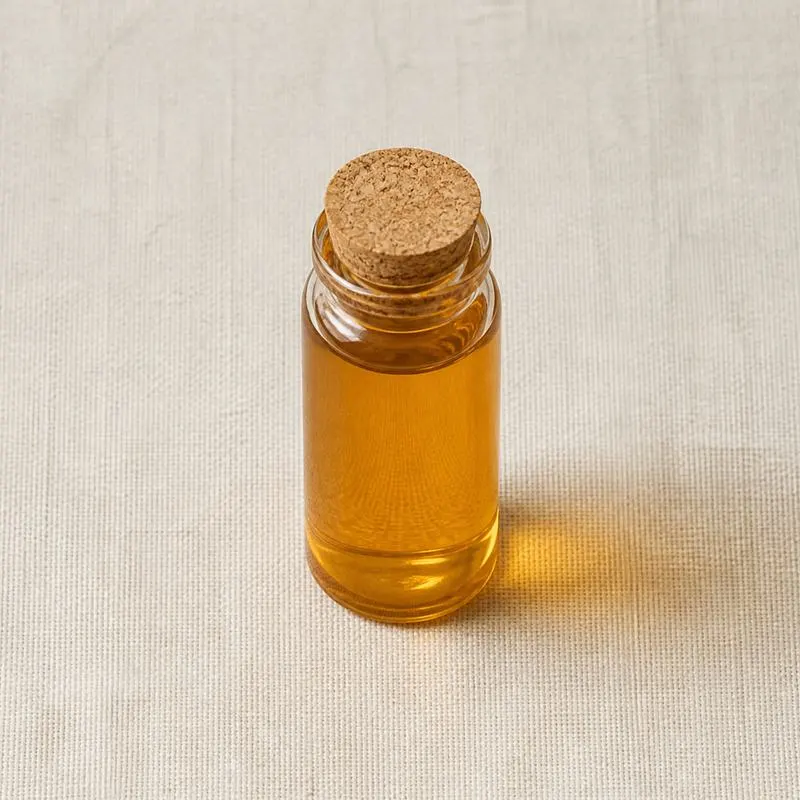
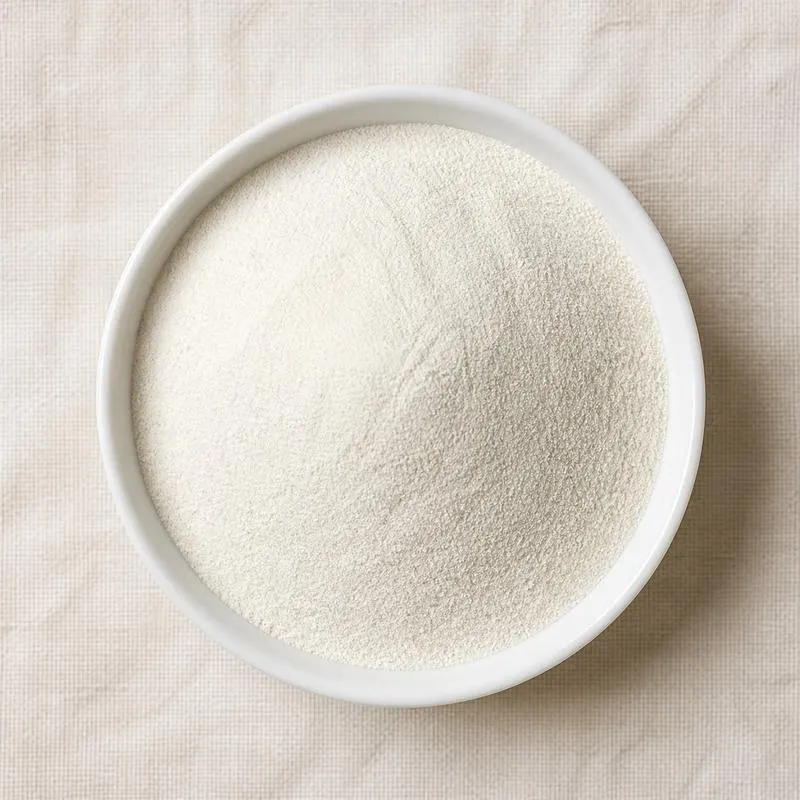
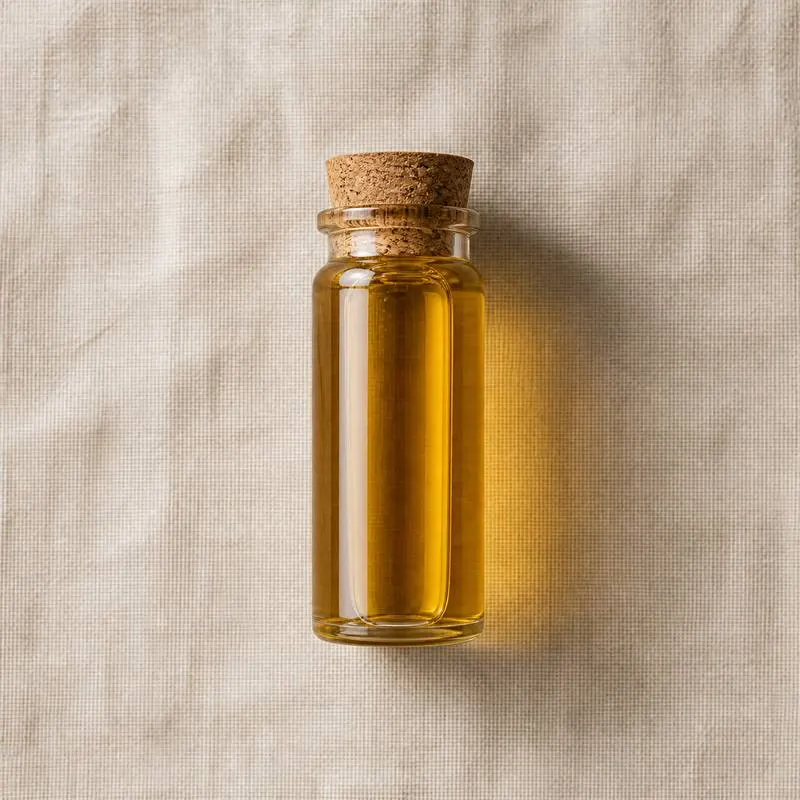
The material is a soft paste or a viscous oil, sometimes spray dried onto a carrier. Its acid value, which measures the free fatty acid released, is the primary specification and typically runs far above what would be acceptable in an edible fat.
We source bulk Enzymatically Hydrolyzed Beef Tallow from top China manufacturers for our partners. The manufacturer is in Guangdong. A smaller requirement can ship in a combined container with other ingredients.
Please send the grade you need, the volume and your destination port, and we will come back with a solution and a price.
or call +86-21-6858 0751
- Function
- Flavours and Aromas
Specifications
| Item | Specification |
|---|---|
| Appearance | Soft off white to light brown paste or viscous oil |
| Odour and Flavour | Strong fatty and tallowy, characteristic, matching retained reference |
| Acid Value | To declared range for the grade, commonly 50 to 150 mg KOH/g |
| Free Fatty Acid, as oleic | To declared range for the grade |
| Free Fatty Acid Profile | Conforms to reference chromatogram |
| Residual Lipase Activity | Not detected |
| Moisture | Not more than 1.0 percent |
| Peroxide Value | Not more than 5 meq/kg |
| Insoluble Impurities | Not more than 0.1 percent |
| Slip Melting Point | To declared range for the grade |
| Antioxidant | To declared type and level |
| Lead | Not more than 0.5 mg/kg |
| Total Plate Count | Not more than 1,000 cfu/g |
| E. coli | Absent in 1 g |
| Salmonella | Absent in 25 g |
Common Markets Grades
The controlling variable is the degree of hydrolysis, expressed as acid value or as free fatty acid percentage, and grades run from lightly hydrolysed material used as a mild flavour carrier to heavily hydrolysed material used as a concentrated reaction precursor. Higher hydrolysis gives more intensity but also more soapy and waxy character, so grades are chosen for the reaction they will feed rather than on the principle that more is better.
The second axis is enzyme specificity, since a 1,3-specific lipase releases the fatty acids esterified at the outer positions of the glycerol backbone while a non-specific lipase releases all three, and the two give different free fatty acid profiles from the same tallow. Some grades use a lipase chosen for its preference for short chain acids, which produces a sharper, more pungent product at lower overall hydrolysis. The third axis is whether the product has been reacted after hydrolysis, since a plain enzyme modified fat is distinct from one that has been carried on through a Maillard step to a finished beef reaction flavour. Physical form covers paste, oil and spray dried powder, and halal and kosher status is fixed by the tallow.
Applications
- Beef reaction flavour manufacture, as the lipid precursor that supplies species character
- Instant noodle beef soup bases and seasoning oils
- Bouillon, stock powders and gravy bases
- Snack seasoning, dispersed in an oil slurry before tumbling
- Hotpot and barbecue bases, folded into the fried paste
- Processed and reformed meat, restoring the fatty notes lost through curing and cooking
- Retorted and frozen ready meals, where a plain flavour would flatten
- Plant based beef analogues, where the base carries no meat lipid of its own
- Pet food palatants and coatings
- Compound seasoning and sauce manufacture, as a background richness component
China Manufacturers of Enzymatically Hydrolyzed Beef Tallow
Top Enzymatically Hydrolyzed Beef Tallow manufacturers in China.
Company names and logos are the property of the manufacturers themselves. They are listed here because our own directory records them as producing this ingredient. A listing is not an endorsement by them, and we do not represent them or speak on their behalf.
Regulatory Status
In the United States rendered beef tallow is produced under United States Department of Agriculture Food Safety and Inspection Service inspection, and a flavour intermediate containing meat derived material above the applicable threshold remains within that jurisdiction, which governs the establishment, the raw material and the naming of the product. The lipases used are food enzymes with generally recognised as safe status or a food additive clearance for the intended use, and the finished flavour is labelled under 21 CFR 101.22 as natural or artificial flavour according to how it was made. Antioxidants added to the fat are permitted at levels set in the food additive regulations.
In the European Union the tallow raw material falls under Regulation (EC) No 853/2004, requiring an approved establishment, permitted rendering conditions and full traceability, with the transmissible spongiform encephalopathy rules and the specified risk material controls applying to bovine material. Regulation (EC) No 1332/2008 and its Union list process govern food enzymes, and a lipase used as a processing aid must comply with it. Where the hydrolysate is carried on into a reaction step, thermal process flavourings are a defined category under Regulation (EC) No 1334/2008 with fixed conditions of temperature, time and permitted starting materials, and product made within those conditions requires no individual authorisation and carries no E number. Antioxidants carry E numbers under Regulation (EC) No 1333/2008. Codex is relevant through its standard for named animal fats and its general guidelines for the use of flavourings.
Manufacturing Process
Refined beef tallow is charged to a jacketed stirred reactor with water, and the mixture is heated and agitated to form an emulsion, since lipase acts at the interface between the fat and the water phase and the available interfacial area sets the reaction rate. The batch is brought to the working temperature and pH of the chosen enzyme, commonly a microbial lipase from an Aspergillus, Rhizomucor or Candida source. The enzyme is dosed and the reaction is held under agitation for several hours while the acid value is tracked by titration.
The reaction is stopped when the target acid value is reached, by heating the batch to a temperature that denatures the enzyme and holding it long enough to guarantee inactivation, which also drives off part of the water. The mass is then settled or centrifuged to separate the aqueous phase and any insolubles, and the fat phase is dried under vacuum. Where a finished flavour rather than an intermediate is wanted, the hydrolysate is charged on with amino acids or a protein hydrolysate, reducing sugars, cysteine and thiamine and heated between ninety five and one hundred and twenty degrees Celsius to develop the roast beef aroma, then cooled quickly. Antioxidants are added, since a high free fatty acid fat oxidises readily, and the product is filled hot into pails or drums, or emulsified with a carrier and spray dried. Release covers acid value, free fatty acid profile by gas chromatography, peroxide value, moisture and a sensory panel.