Glycerol
Glycerol is a clear, odourless, viscous trihydric alcohol with the formula C₃H₈O₃ and a sweet taste roughly 60 percent of the intensity of sucrose. It is the simplest polyol and the backbone of all natural triglyceride fats.
The molecule is fully miscible with water and short-chain alcohols, hygroscopic, and non-volatile under ambient conditions. These traits make it the standard humectant, plasticizer, and sweetener carrier across food, pharmaceutical, personal-care, and industrial markets.
We source bulk Glycerol from top China manufacturers for our partners, working with several of them. The manufacturers are mostly in Shandong, Shaanxi and Shanghai. For this ingredient the minimum order is 500 kg and a 20-foot container takes 20 MT, and a smaller requirement can ship in a combined container with other ingredients.
Please send the grade you need, the volume and your destination port, and we will come back with a solution and a price.
or call +86-21-6858 0751
- Minimum order
- 500 kg
- Qty in 20' FCL
- 20 MT
- Packaging
- 250 kg plastic drum or 1,000 kg IBC tote
- Function
- Emulsifier
- ISO 9001
- HACCP
- Halal
- Kosher
Specifications
| Item | Specification |
|---|---|
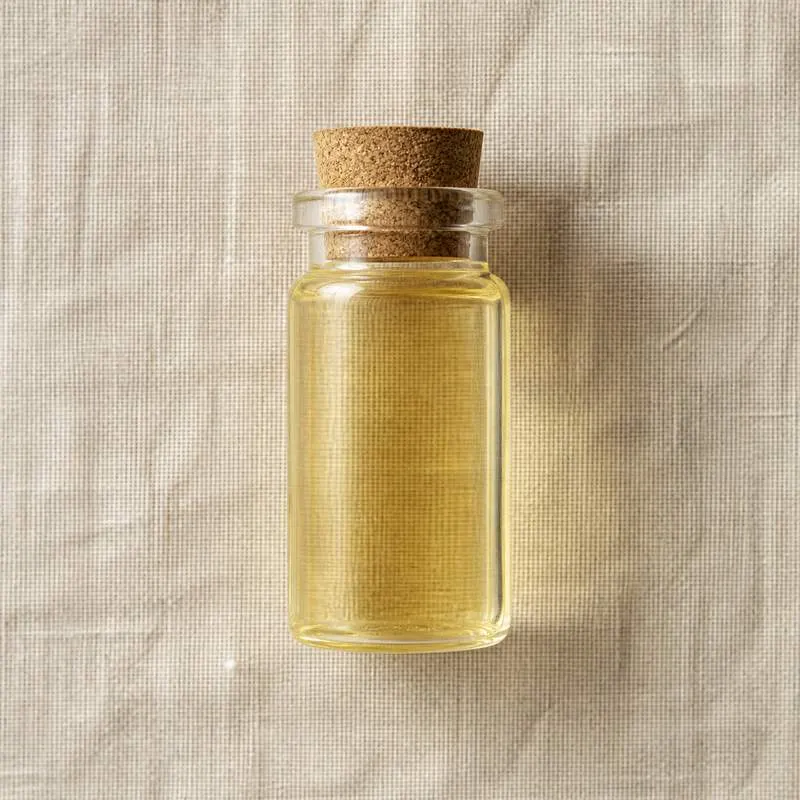
| Appearance | Clear colourless syrupy liquid |
| Odour and Taste | Practically odourless, sweet taste |
| Assay (dry basis) | ≥ 99.5% |
| Colour (APHA) | ≤ 10 |
| Specific Gravity (25 °C/25 °C) | ≥ 1.2607 |
| Refractive Index (20 °C) | 1.4710 – 1.4745 |
| Water (Karl Fischer) | ≤ 0.5% |
| Residue on Ignition | ≤ 0.01% |
| Chlorides | ≤ 0.001% |
| Sulfates | ≤ 0.002% |
| Diethylene Glycol and Ethylene Glycol | ≤ 0.1% |
| Fatty Acids and Esters | ≤ 1.0 mL of 0.5 mol/L sodium hydroxide per 50 g |
| Readily Carbonizable Substances | Conforms |
| Heavy Metals (as Pb) | ≤ 5 mg/kg |
| Arsenic (as As) | ≤ 1 mg/kg |
Common Markets Grades
Each glycerol grade sits at a tightly defined purity, matched to end use.
USP/EP/JP pharmaceutical grade contains at least 99.5 percent glycerol with diethylene glycol below 0.1 percent, a specification driven by the 1937 sulfanilamide elixir and 1996 Haitian poisoning events that traced back to ethylene-glycol-contaminated glycerin.
Food grade (E422) typically meets 99.5 percent assay with limits on chlorides, sulphates, heavy metals, and colour (APHA 10 or better). Kosher Passover-compliant and Halal-certified lots are widely traded.
Technical grade at 95 to 99 percent is used in polyurethanes, alkyd resins, and antifreeze blends. A 99.7 percent super-refined grade is used for injectables, soft contact lens solutions, and inhalation formulations.
Both petrochemical-route and bio-route material exist. Bio-glycerol from biodiesel transesterification dominates current supply.
Applications
- Humectant in baked goods, soft candy, marshmallows, fondants, and meal-replacement bars
- Sweetener and bulking agent in sugar-free and low-glycemic confectionery
- Carrier solvent for natural flavours, colours, and botanical extracts
- Pharmaceutical excipient in syrups, elixirs, suppositories, and topical creams
- Glycerol suppositories as a mild osmotic laxative
- Toothpaste, mouthwash, and oral-care gels for texture and freeze-thaw stability
- Skincare and cosmetic moisturizers as the main humectant
- E-cigarette and vaporiser fluid carrier paired with propylene glycol
- Cryoprotectant for sperm, embryos, red blood cells, and microbial cultures
- Plasticizer in edible films, cellulose coatings, and starch-based bioplastics
- Antifreeze, brake fluid, and de-icing fluid component
- Feedstock for epichlorohydrin, propylene glycol, and 1,3-propanediol production
Brands Using Glycerol
Widely-distributed consumer products that list Glycerol on the ingredient label.
- ColgateTotal Gum Protect Toothpaste ↗Inactive ingredients: 'Water, Sorbitol, Hydrated Silica, Glycerin, Sodium Methyl Cocoyl Taurate, Flavor, Tetrasodium Pyrophosphate...'Label verified 2026-05-24
- ColgateSensitive Complete Protection Toothpaste ↗Inactive ingredients: 'Water, Glycerin, Hydrated Silica, Sorbitol, PEG-12...'Label verified 2026-05-24
- CrestPro-Health Multi-Protection + Extra Whitening Mouthwash ↗Inactive ingredients include 'water, glycerin, flavor, poloxamer 407...'Label verified 2026-05-24
- CeraVeDaily Moisturizing Lotion ↗Ingredients: 'AQUA / WATER / EAU, GLYCERIN, CAPRYLIC/CAPRIC TRIGLYCERIDE, CETEARYL ALCOHOL...'Label verified 2026-05-24
- CeraVeMoisturizing Cream ↗Ingredients: 'AQUA / WATER / EAU, GLYCERIN, CETEARYL ALCOHOL, CAPRYLIC/CAPRIC TRIGLYCERIDE...'Label verified 2026-05-24
Brand names, product names and logos are the property of their owners. They appear here as published evidence that the ingredient is used, taken from the brand's own label or website. Their appearance is not an endorsement, and it does not mean the brand buys from us or from any manufacturer listed on this site.
China Manufacturers of Glycerol
Top Glycerol manufacturers in China.
- Shanxi Zhiqi Biotechnology Co., Ltd.6 ingredients in the directory
- Yantai Honghe Biological Technology Co., Ltd.1 ingredient in the directory
- Yantai Huayi Ganneng New Material Co., Ltd.2 ingredients in the directory
- Yihai Kerry Food Technology Co., Ltd.4 ingredients in the directory
 Zhejiang Golden Palm Technology Co., Ltd.12 ingredients in the directory
Company names and logos are the property of the manufacturers themselves. They are listed here because our own directory records them as producing this ingredient. A listing is not an endorsement by them, and we do not represent them or speak on their behalf.
How We Help Source Glycerol
Direct Factory Sourcing
We run the whole process: selecting the manufacturer from the top Chinese food ingredient producers, negotiating the price, verifying quality, and coordinating the logistics. You deal with us instead of with several factories at once.
Original Packaging and Documents from the Manufacturer
The manufacturer sends your Glycerol out of its own factory in the original packing, through to your destination port. The COA, COO, MSDS, TDS and any certifications reach you from the manufacturer as well.
Free Samples and Lead Time
We send 100 to 500 g free for your own laboratory to test and you cover only the courier, usually within 2 to 3 working days. ETD is usually within 7 to 15 days once the order is confirmed, and we check that date against the factory's own manufacturing schedule before we give it to you.
Combined Shipment
We can load Glycerol together with other ingredients such as Polyglycerol Esters of Fatty Acids, Non-Dairy Creamer and Mono- and Diglycerides of Fatty Acids into one 20' FCL. If your quantity is small, we can also ship LCL.
Regulatory Status
Glycerol is approved as a food additive in essentially every regulated market.
In the European Union it carries the E number E422 and is permitted quantum satis under Regulation 1333/2008 across most food categories.
The U.S. Food and Drug Administration lists glycerin as Generally Recognized as Safe under 21 CFR 182.1320 and as a multipurpose food substance under 21 CFR 182.90, with no upper-use limit beyond Good Manufacturing Practice.
JECFA assigned an ADI of "not specified" in 1976. Pharmacopoeial monographs appear in USP, Ph. Eur., JP, and the British Pharmacopoeia. Vape and e-liquid grade specifications have been added to several national pharmacopoeias since 2018.
The persistent regulatory focus is the diethylene-glycol limit. Both USP and Ph. Eur. require an identification test specifically designed to detect DEG and ethylene-glycol contamination, a response to repeated poisoning incidents traced to mislabeled industrial glycerin entering pharmaceutical supply chains.
Manufacturing Process
Two routes account for the majority of world glycerol supply.
The dominant modern route is recovery from biodiesel manufacture. Transesterification of vegetable oils or animal fats with methanol produces fatty acid methyl esters and a crude glycerol stream containing 50 to 80 percent glycerol along with methanol, water, fatty acid soaps, and ash. The crude is acidified, demethanolated, ion-exchange purified, and distilled to USP grade.
A second biological route is soap-making byproduct recovery. Saponification of triglycerides with sodium or potassium hydroxide produces soap and a sweet-water glycerol stream that is concentrated and refined by the same general train.
The historical petrochemical synthesis from propylene proceeds via allyl chloride, epichlorohydrin, and hydrolysis. Solvay commissioned the first large plant in 1948. Most petrochemical units have since closed due to the biodiesel glycerol oversupply, although Solvay's Epicerol process now runs the conversion in the reverse direction, producing epichlorohydrin from bio-glycerol.