Lipase
Lipase is the class of hydrolase enzymes that cleave the ester bonds of triglycerides, releasing free fatty acids and partial glycerides. Because they act at the interface between oil and water rather than in true solution, lipases behave differently from other food enzymes: activity depends on the available surface area of the emulsion as much as on enzyme concentration.
Two properties define a commercial lipase. Positional specificity determines whether it attacks all three ester positions or only the outer 1 and 3 positions, which is what allows controlled interesterification without scrambling the middle position. Chain length preference determines which fatty acids are released first, and lipases that favour short chain acids give the sharp piquant notes of ripened cheese, while those acting on longer chains are used for structural work on fats.
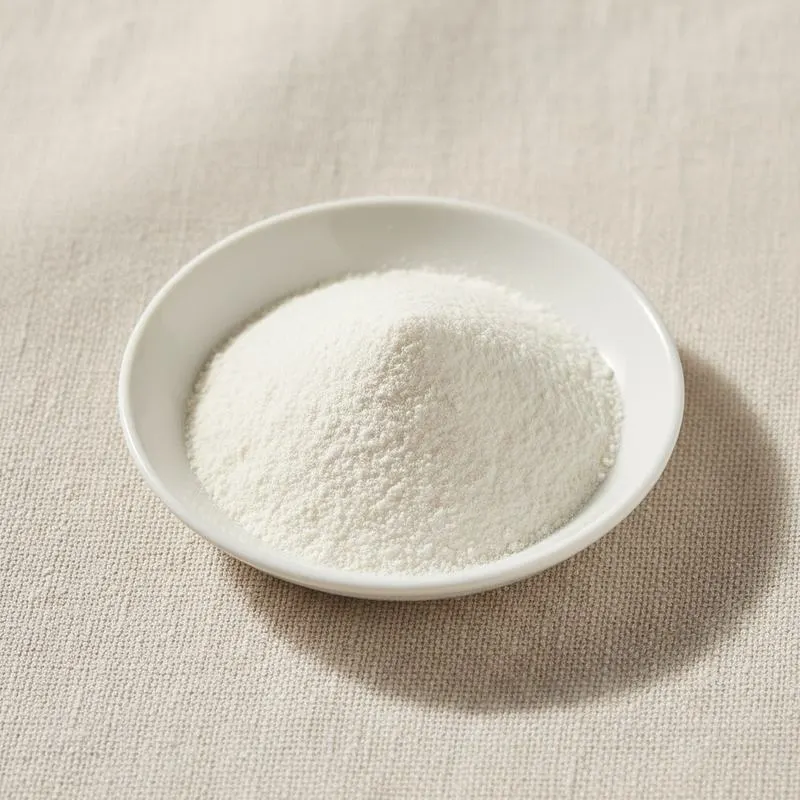
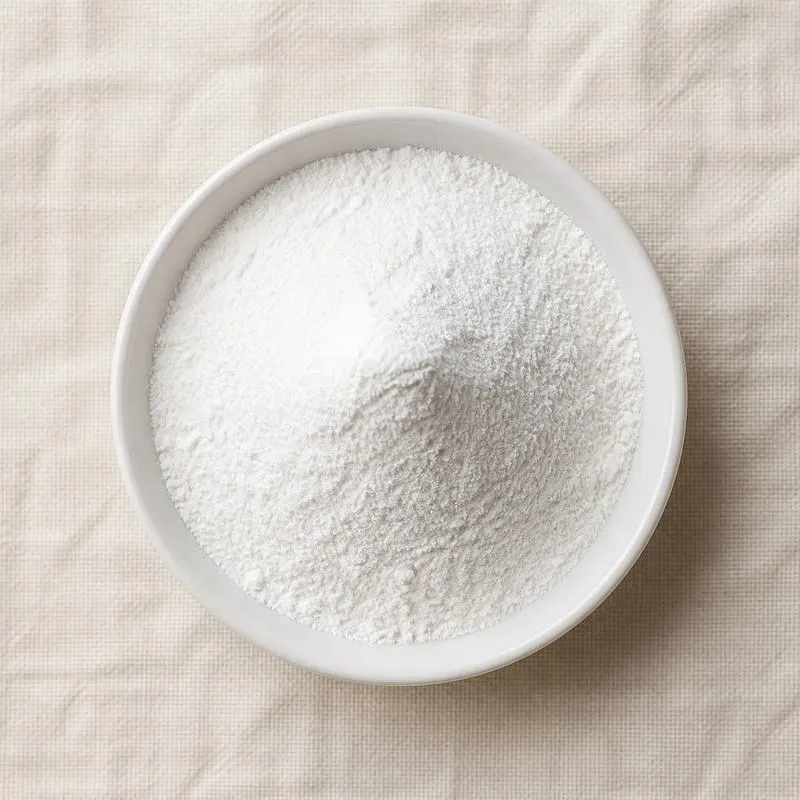
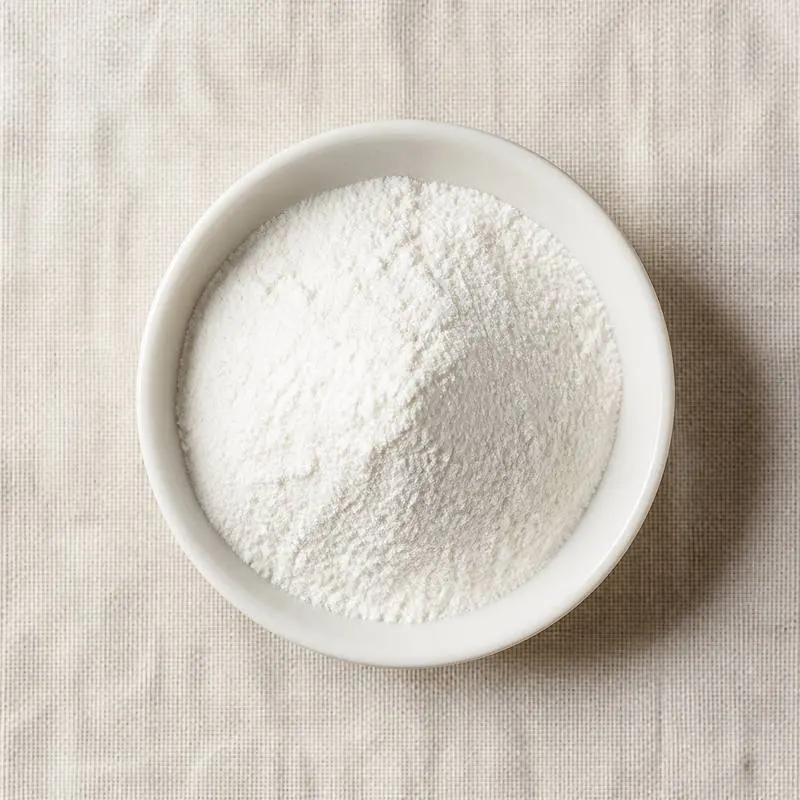
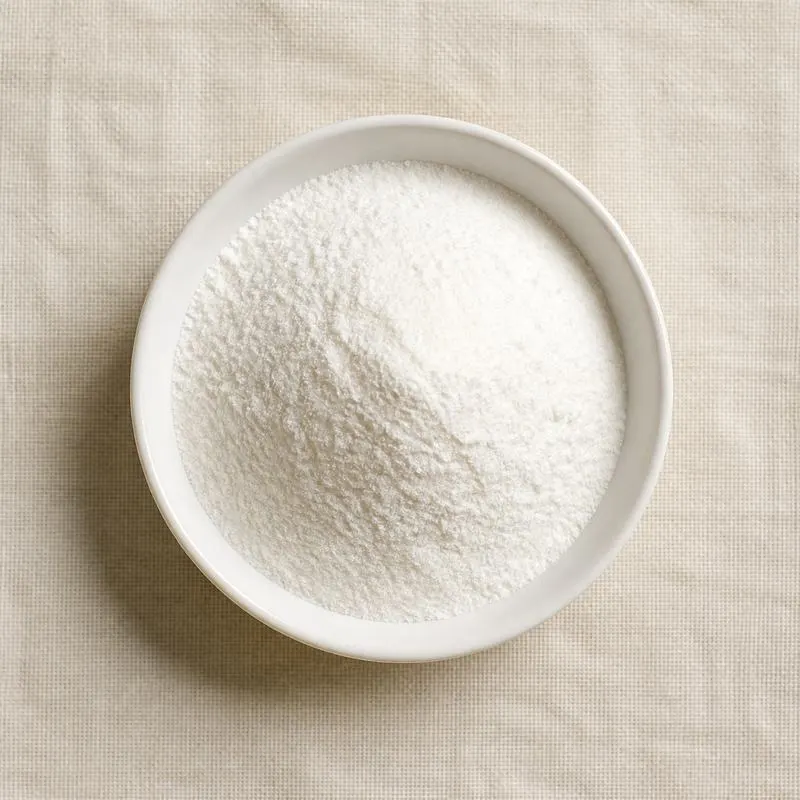
The trade offers it as a cream to light brown powder standardised on maltodextrin or starch, as granulate, as stabilised liquid, and as immobilised preparations on a resin carrier for continuous reactors. It works over roughly pH 5 to 8 at moderate temperature in aqueous and emulsified systems, and immobilised grades work in low-water oil phases where the reaction is driven towards ester synthesis rather than hydrolysis.
We source bulk Lipase from top China manufacturers for our partners. The manufacturer is in Guangdong. A smaller requirement can ship in a combined container with other ingredients.
Please send the grade you need, the volume and your destination port, and we will come back with a solution and a price.
or call +86-21-6858 0751
Specifications
| Item | Specification |
|---|---|
| Appearance | Cream to light brown free-flowing powder |
| Declared Activity | Standardised to label claim in lipase units per gram |
| Identification | Lipolytic activity confirmed on tributyrin or olive oil substrate |
| Positional Specificity | 1,3 specific or non-specific as declared |
| Optimum pH | 5.0 to 8.0 depending on grade |
| Loss on Drying | ≤ 8.0% |
| Residue on Ignition | ≤ 12.0% |
| Heavy Metals (as Pb) | ≤ 30 mg/kg |
| Lead | ≤ 5 mg/kg |
| Arsenic | ≤ 3 mg/kg |
| Total Plate Count | ≤ 50,000 cfu/g |
| Yeast and Mould | ≤ 100 cfu/g |
| E. coli | Absent in 25 g |
| Salmonella | Absent in 25 g |
Common Markets Grades
Grades follow the application. Dairy flavour lipases are pregastric animal enzymes from kid, lamb and calf, or their microbial equivalents, selected for short chain specificity and traded by lipase units per gram with a declared flavour direction. Bakery lipases and phospholipases are selected for their action on flour polar lipid and are sold as emulsifier replacement products. Interesterification lipases are almost always immobilised, sold by productivity over the life of the packed bed as well as by initial activity.
Physical forms cover spray dried powder, low-dust granulate, stabilised liquid concentrate and immobilised granules. Kosher, halal and vegetarian positions are a real selection criterion in this class because animal-sourced pregastric lipases remain in use for cheese flavour. Activity units differ between producers and assays, so the substrate, pH and temperature of the assay appear on every specification.
Applications
- Cheese flavour development, where short chain specific lipase releases the fatty acids that carry piquant character in Italian style and enzyme modified cheese
- Enzyme modified dairy ingredients, generating concentrated butter and cheese flavour from cream and cheese substrate
- Baking, where lipase and phospholipase generate emulsifiers in situ from flour lipid, replacing added DATEM and monoglyceride
- Fats and oils interesterification, rearranging fatty acids on the glycerol backbone to build margarine and shortening base stocks without hydrogenation
- Cocoa butter equivalent production, using 1,3 specific lipase to place stearic acid on a palm mid fraction
- Human milk fat substitute manufacture, building triglycerides with palmitic acid in the middle position for infant formula
- Oil degumming, where phospholipase converts phosphatides into water-soluble forms that separate with the gum phase and raise oil yield
- Structured lipid and omega-3 concentrate production, carrying out selective esterification under mild conditions
- Digestive enzyme supplements, supplying the fat-degrading activity in a multi-enzyme blend
- Flavour ester synthesis, producing short chain esters for flavour use in low-water solvent systems
Brands Using Lipase
Widely-distributed consumer products that list Lipase on the ingredient label.
- Carlson LabsNatural Digestive Enzymes ↗A digestive enzyme capsule whose copy names lipase as the fat digesting enzyme alongside protease and amylase.Label verified 2026-08-31
- Double Wood SupplementsDigestive Enzymes Supplement ↗A ten enzyme capsule that lists lipase at 400 FIP units per serving in its enzyme panel.Label verified 2026-08-31
- Nature's WayCompleteGest ↗A vegan digestive enzyme capsule taken with meals, made with amylase, protease, lactase and lipase.Label verified 2026-08-31
- CodeageFermented Digestive Enzymes ↗A fermented enzyme blend capsule listing lipase among protease, amylase, cellulase, lactase and other enzymes.Label verified 2026-08-31
Brand names, product names and logos are the property of their owners. They appear here as published evidence that the ingredient is used, taken from the brand's own label or website. Their appearance is not an endorsement, and it does not mean the brand buys from us or from any manufacturer listed on this site.
China Manufacturers of Lipase
Top Lipase manufacturers in China.
Company names and logos are the property of the manufacturers themselves. They are listed here because our own directory records them as producing this ingredient. A listing is not an endorsement by them, and we do not represent them or speak on their behalf.
Regulatory Status
In the United States generally recognised as safe determinations clear lipase preparations of animal and microbial origin for food use, including affirmed regulations for animal pregastric lipase used in cheesemaking and GRAS notices filed with the Food and Drug Administration for microbial enzymes and their production organisms. Enzymes acting only during processing are treated as processing aids and are generally not declared in the finished product, although animal-sourced enzymes affect the dietary and religious positioning of the food they are used in.
In the European Union lipases are food enzymes under Regulation (EC) No 1332/2008, with dossiers assessed by the European Food Safety Authority ahead of entry onto the Union list, and no E number applies. Lipases used in the manufacture of infant formula fat blends are additionally subject to the compositional rules for infant nutrition. The Joint FAO/WHO Expert Committee on Food Additives has evaluated several lipase preparations and publishes identity and purity specifications alongside its general specifications for enzyme preparations used in food processing.
Manufacturing Process
Microbial lipase is made by submerged fermentation of production organisms such as Aspergillus, Rhizomucor, Thermomyces and Candida derived genes expressed in a food grade host. A working cell bank is grown through seed stages into a stirred aerated fermenter charged with a carbohydrate source, an organic nitrogen source and mineral salts, often with a lipid inducer, and held under controlled temperature, pH, dissolved oxygen and feed rate until secreted activity peaks. Animal pregastric lipases are instead extracted from glandular tissue, defatted, dried and milled.
Recovery removes biomass by centrifugation or microfiltration, then concentrates and desalts the clarified broth by ultrafiltration and polishes it by fine filtration. From that point the route splits by product form. Liquid grades are stabilised with a polyol and preservative salt and standardised to activity. Powders are blended with carrier and spray dried at low inlet temperature, then granulated where dust control matters. Immobilised grades are adsorbed or covalently bound onto a macroporous resin, washed, dried and sieved to a controlled particle size before activity and mechanical strength testing.