Iobpro Postbiotics
IOBPRO postbiotics is a trade designation for a staged solid-state fermented probiotic powder, a postbiotic ingredient consisting of inactivated bacterial cells together with the metabolites and substrate residue generated during fermentation.
Postbiotics are defined as preparations of inanimate microorganisms and their components that give a physiological benefit. In this class of material the fermentation broth or solid substrate is not separated from the biomass, so the finished powder carries cell wall fragments, peptidoglycan, teichoic acids, short chain organic acids, exopolysaccharides and low molecular weight peptides alongside the killed cells.
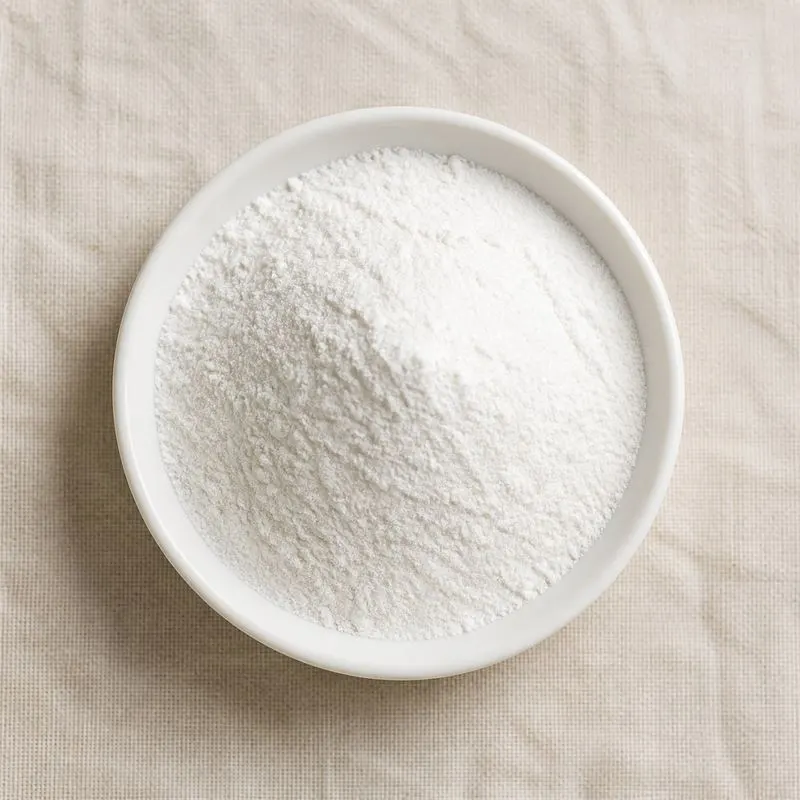
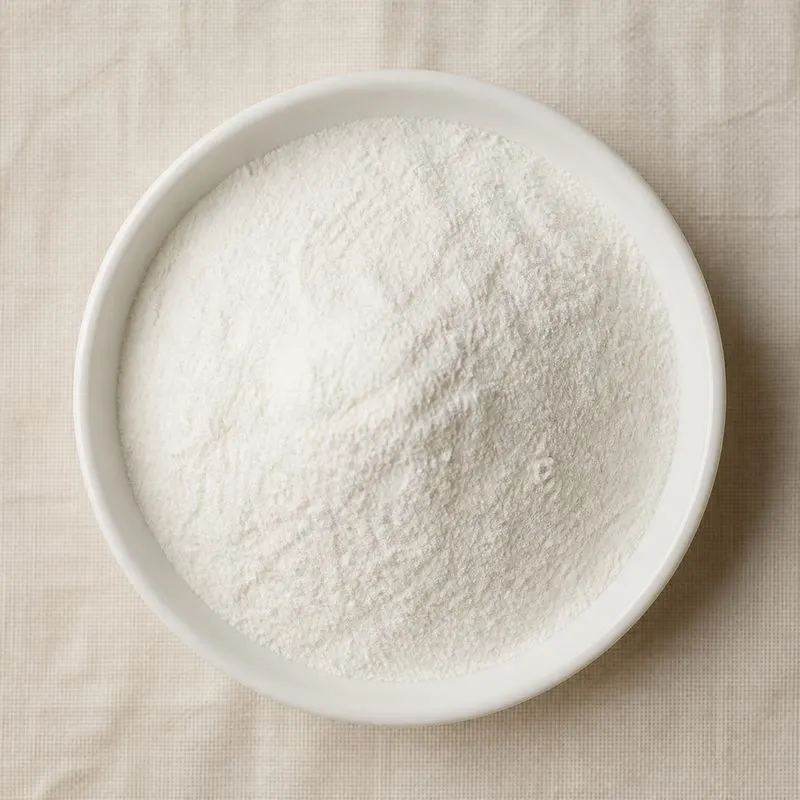
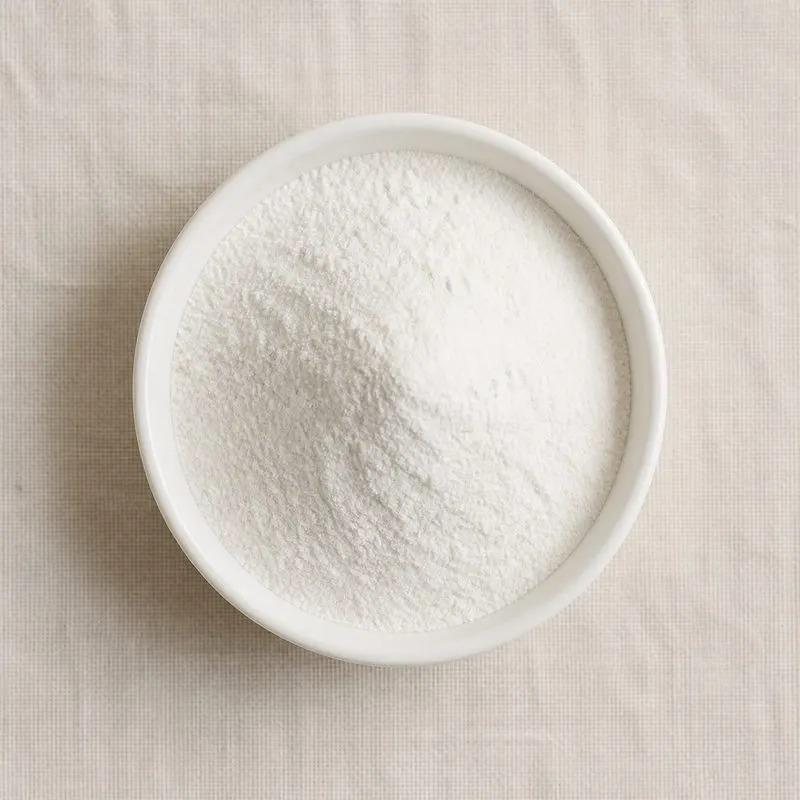
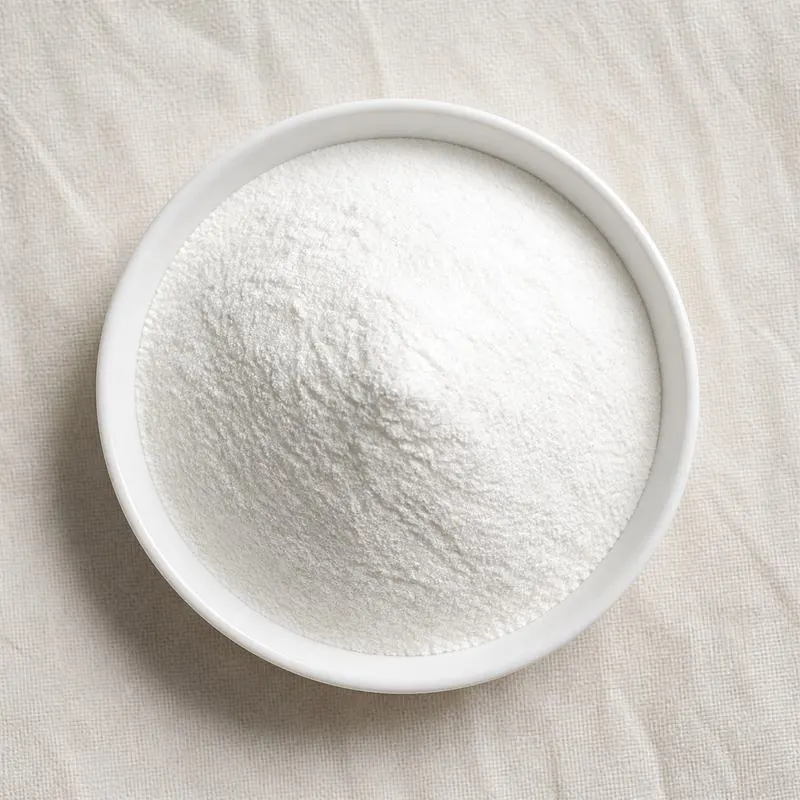
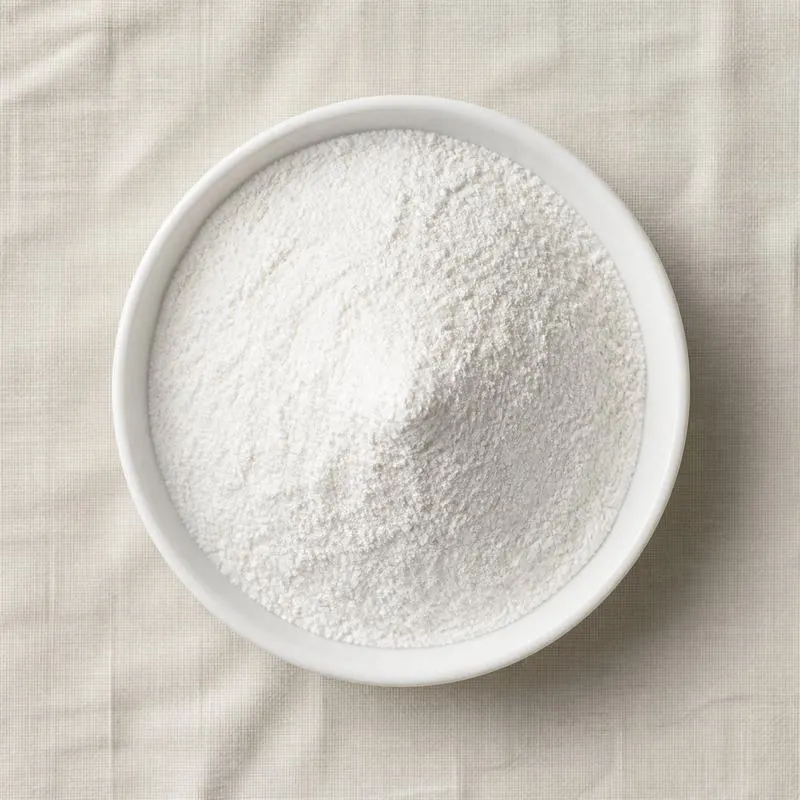
The material is a beige to light brown free-flowing powder with a characteristic fermented cereal odour. Because no live organisms are present, it does not require cold chain handling and tolerates the thermal load of tabletting, extrusion and baking far better than live culture concentrates. It disperses rather than dissolves in water, leaving a fine suspension typical of solid-state fermentation powders.
We source bulk Iobpro Postbiotics from top China manufacturers for our partners. The manufacturer is in Tianjin. A smaller requirement can ship in a combined container with other ingredients.
Please send the grade you need, the volume and your destination port, and we will come back with a solution and a price.
or call +86-21-6858 0751
- Function
- Probiotic
Specifications
| Item | Specification |
|---|---|
| Appearance | Beige to light brown free-flowing powder |
| Odour | Characteristic fermented cereal odour |
| Composition | Inactivated bacterial cells with fermentation metabolites and solid-state substrate residue, biomass not separated from substrate |
| Strain Identity | Declared fermentation strains confirmed by 16S rRNA sequencing |
| Inactivated Cell Count | ≥ 1.0 × 10¹¹ cells/g |
| Residual Viable Count | Not detected (≤ 10 cfu/g) |
| Loss on Drying | ≤ 7.0% |
| pH (10% aqueous suspension) | 4.0 – 6.0 |
| Particle Size | ≥ 95% through 80 mesh |
| Heavy Metals (as Pb) | ≤ 10 mg/kg |
| Lead | ≤ 1.0 mg/kg |
| Total Plate Count | ≤ 1,000 cfu/g |
| Yeast and Mould | ≤ 100 cfu/g |
| Escherichia coli | Negative/25g |
| Salmonella | Negative/25g |
Common Markets Grades
The ingredient is traded as a single food-grade fermented powder specification, differentiated mainly by the strain combination used in the fermentation and by mesh size. Standard milling passes 80 mesh for capsule and sachet filling, with a finer 100 to 120 mesh cut offered where the powder is suspended in ready to drink formats.
Applications
- Ready to eat probiotic powder sachets, where it supplies heat-stable microbial metabolites alongside live cultures
- Shelf-stable functional beverages that cannot support live organisms through pasteurisation
- Compressed tablets and chewables, where the tabletting pressure and frictional heat would injure live cells
- Infant and toddler cereal blends requiring a microbiome-directed ingredient without viable organisms
- Nutrition bars and baked functional snacks, where the oven step rules out live cultures
- Companion animal supplements and pet food coatings needing ambient stability
- Elderly and medical nutrition powders where live organism intake is restricted
- Sports recovery formulations combined with protein and electrolyte bases
China Manufacturers of Iobpro Postbiotics
Top Iobpro Postbiotics manufacturers in China.

Company names and logos are the property of the manufacturers themselves. They are listed here because our own directory records them as producing this ingredient. A listing is not an endorsement by them, and we do not represent them or speak on their behalf.
Regulatory Status
In the United States postbiotic fermentate powders of this type are marketed on the basis of self-affirmed or notified GRAS status for the specific strain and substrate combination, and there is no single food additive regulation that covers the category. The organisms used are typically food fermentation species with a long record of use in fermented foods.
In the European Union an inactivated fermentate is assessed under the novel food framework unless the strain and substrate combination has a demonstrated history of significant consumption in the Union before May 1997. No E number applies, since the material is used as a food ingredient rather than an additive. Codex has no commodity standard for postbiotic powders, and specifications are set by contract between buyer and producer.
Manufacturing Process
Manufacture begins with a cereal or bran substrate that is milled, hydrated and sterilised, then inoculated with a defined starter culture propagated through seed fermenters. Solid-state fermentation runs in staged form, meaning successive strains or successive temperature and moisture regimes are applied in sequence so that later organisms metabolise the products of the earlier stage rather than competing with it.
Fermentation proceeds in trays or in an aerated packed bed for several days under controlled temperature and humidity. The fermented mass is then thermally inactivated to kill all viable organisms, dried on a belt or fluid bed drier to low residual moisture, milled and sieved to the target mesh, then blended to homogenise metabolite content across the lot before packing.