Postbiotics
Postbiotics are preparations of inanimate microorganisms, their cell components, or both, that give a health benefit to the host. The definition adopted by the International Scientific Association for Probiotics and Prebiotics in 2021 draws the boundary carefully: the preparation must derive from a defined microorganism that has been deliberately inactivated, the cell body or its fragments must be present, and a benefit must be shown for that specific preparation. A purified single metabolite such as an isolated organic acid does not qualify, and neither does an undefined fermentate.
What the category delivers commercially is the functional profile of a probiotic without the burden of keeping cells alive. The active material consists of the inactivated cell envelope with its peptidoglycan, lipoteichoic acid and surface layer proteins, together with the exopolysaccharides, short chain fatty acids, peptides and enzymes generated during fermentation, and these interact with the intestinal epithelium and immune receptors much as the live organism does. Because nothing has to survive, the preparation can be pasteurised, spray dried, baked into a product and stored at ambient temperature without loss of activity, and it presents no colonisation risk in immunocompromised users.
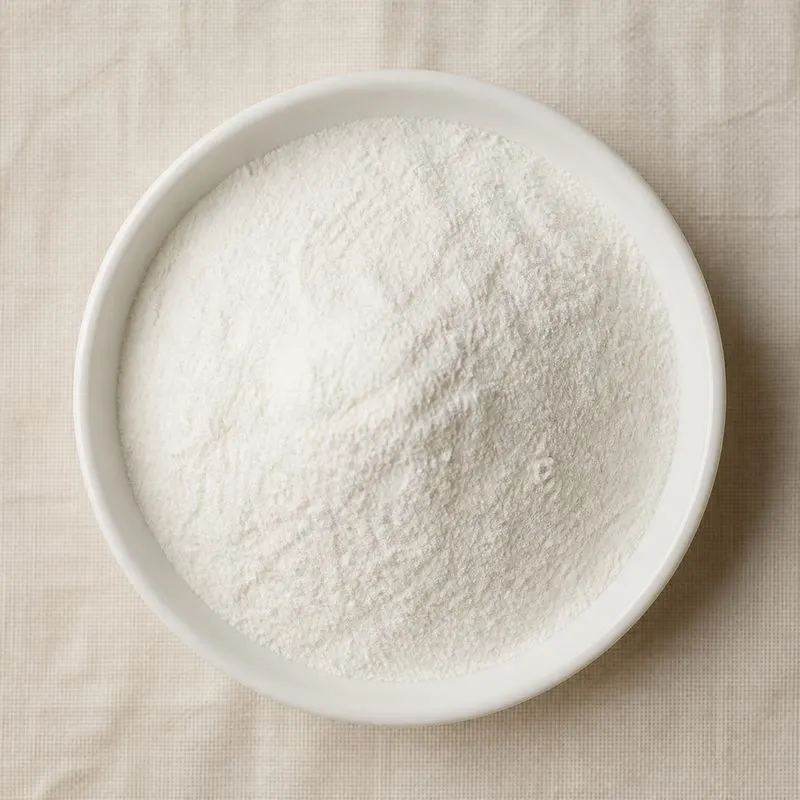
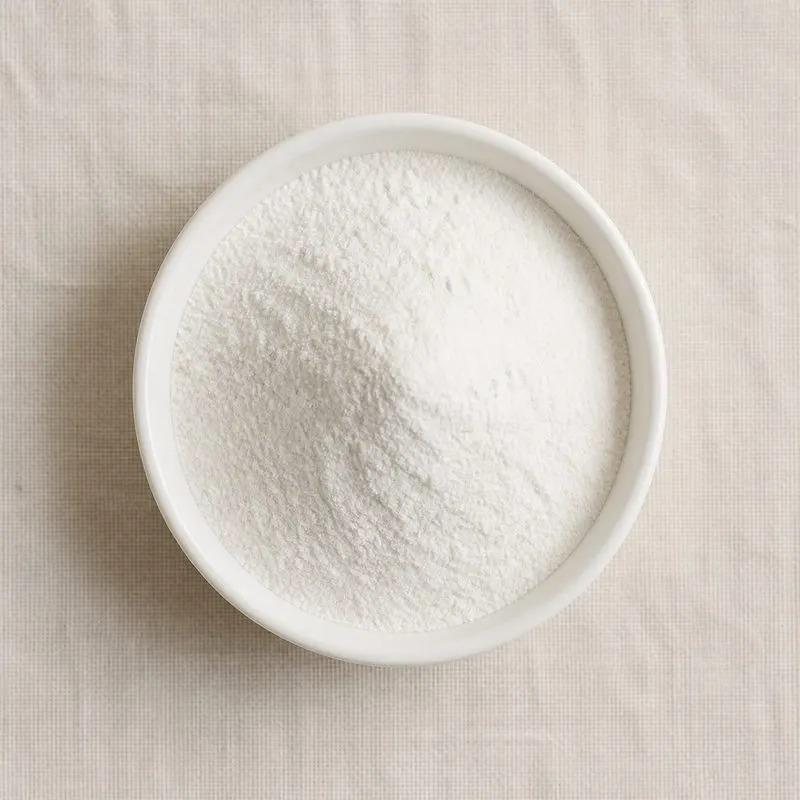
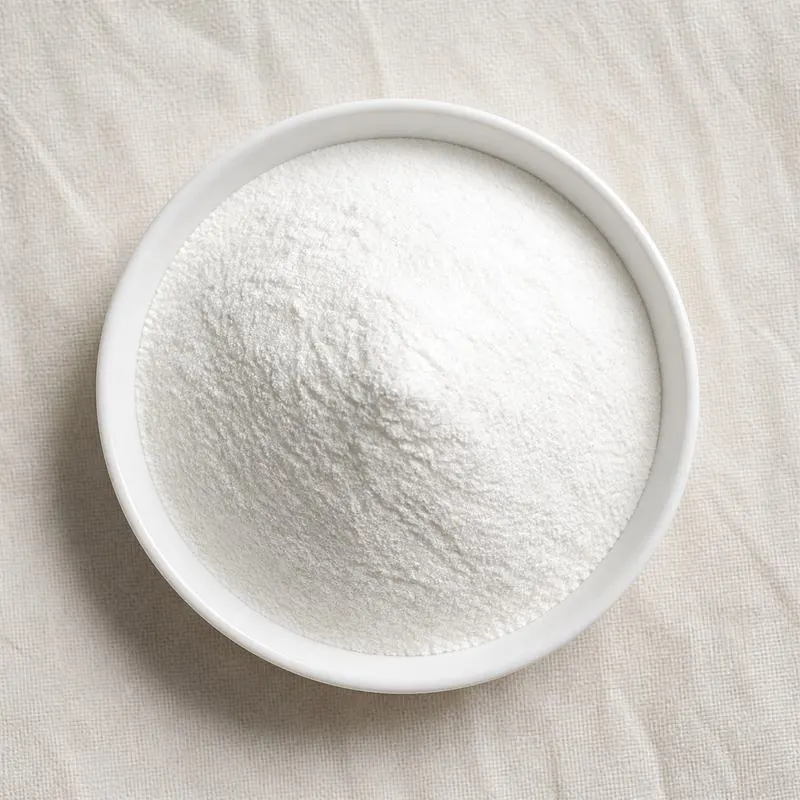
The traded form is a cream to light brown free flowing powder with a fermented odour, dispersible rather than fully soluble, standardised on cell count determined by flow cytometry or on a defined marker component rather than on colony forming units. Common sources are heat treated lactobacilli and bifidobacteria, pasteurised Akkermansia muciniphila, and dried fermentates of Saccharomyces cerevisiae.
We source bulk Postbiotics from top China manufacturers for our partners, working with several of them. The manufacturers are in Guangdong, Shandong and Shanghai. A smaller requirement can ship in a combined container with other ingredients.
Please send the grade you need, the volume and your destination port, and we will come back with a solution and a price.
or call +86-21-6858 0751
- Function
- Probiotic
Specifications
| Item | Specification |
|---|---|
| Appearance | Cream to light brown free flowing powder |
| Odour | Characteristic fermented |
| Total Cell Count by Flow Cytometry | Not less than declared count in cells/g |
| Viable Organisms | Less than 10 cfu/g |
| Identification | Parent strain confirmed by ribosomal sequencing |
| Protein (Nitrogen x 6.25) | Not less than 30.0 percent on the cell fraction |
| Loss on Drying | Not more than 6.0 percent |
| Water Activity | Not more than 0.30 |
| Particle Size | Not less than 95 percent through 60 mesh |
| Lead | Not more than 1 mg/kg |
| Arsenic | Not more than 1 mg/kg |
| Cadmium | Not more than 0.5 mg/kg |
| Total Plate Count | Not more than 1000 cfu/g |
| Yeast and Mould | Not more than 100 cfu/g |
| Escherichia coli | Absent in 10 g |
| Salmonella | Absent in 25 g |
Common Markets Grades
The first distinction is what has been done to the cells. Whole cell grades are inactivated but structurally intact, usually by controlled heat treatment, and are standardised on total cells per gram. Lysed and enzyme digested grades have been broken open so that intracellular content and cell wall fragments are exposed, and are specified on protein or on cell wall polysaccharide content as well as on cell count. Culture supernatant grades carry the soluble metabolites with only a residual cell fraction, and sit at the edge of the definition.
The second is composition of the finished powder. Concentrates carry a high cell count for formulators who will dilute them, while standardised grades are diluted onto maltodextrin, inulin or a similar carrier to a fixed count for direct dosing. Single organism preparations are sold against the strain deposit number of the parent culture, and blends combine several. Dairy free grades avoid milk based media and drying aids. Every grade should carry a specification confirming the absence of viable cells, since that is the property that distinguishes a postbiotic from a probiotic that has failed on stability.
Applications
- Capsules, tablets and sachets, where ambient stability removes the cold chain that a live culture requires
- Infant nutrition, where heat treated bifidobacteria are used in formats that cannot support live organisms
- Functional beverages, including acidic and heat treated drinks in which a live culture would not survive
- Bakery and extruded products, where the preparation passes through the oven or the extruder without loss of activity
- Chocolate, bars and confectionery, where the dry powder is added to a fat continuous matrix
- Meal replacement and nutritional powders, where the postbiotic is one component of a dry blend
- Sports nutrition products positioned on immune support during heavy training loads
- Skin and oral care formulations, where inactivated cell fragments are used for barrier and microbiome positioning
- Animal feed and pet food, where thermal stability through pelleting and extrusion is the deciding factor
- Clinical and medical nutrition, where a non viable preparation avoids the colonisation risk of a live organism
Brands Using Postbiotics
Widely-distributed consumer products that list Postbiotics on the ingredient label.
Brand names, product names and logos are the property of their owners. They appear here as published evidence that the ingredient is used, taken from the brand's own label or website. Their appearance is not an endorsement, and it does not mean the brand buys from us or from any manufacturer listed on this site.
China Manufacturers of Postbiotics
Top Postbiotics manufacturers in China.
 Moon (Guangzhou) Biotech Co., Ltd.1 ingredient in the directory
 MoonBio1 ingredient in the directory
 Probioway Co., Ltd.1 ingredient in the directory
- Qingdao Yuanda Biotechnology Co., Ltd.1 ingredient in the directory
- ShangDong Nice Health1 ingredient in the directory
Company names and logos are the property of the manufacturers themselves. They are listed here because our own directory records them as producing this ingredient. A listing is not an endorsement by them, and we do not represent them or speak on their behalf.
Regulatory Status
Postbiotic is a scientific term rather than a regulatory category, and no jurisdiction licenses products under that name. In the United States such preparations are marketed as dietary ingredients or as food ingredients, and the usual route for food use is a determination that the specific inactivated preparation is generally recognised as safe, with several heat treated bacterial preparations and yeast fermentates the subject of notifications to which the Food and Drug Administration has responded without objection. Claims are limited to structure and function statements with the required disclaimer, since no health claim has been authorised for the category.
In the European Union the position depends on the history of consumption. A heat treated preparation of a species already consumed in significant quantities before May 1997 may be handled as a conventional ingredient, but a preparation derived from an organism without that history, or produced by a process that changes the material substantially, requires authorisation as a novel food, and pasteurised Akkermansia muciniphila was authorised by that route. The qualified presumption of safety list maintained by the European Food Safety Authority sets the benchmark for the safety of the parent organism. Because the word postbiotic implies a benefit, it faces the same difficulty as probiotic under the nutrition and health claims regulation, where no claim has been authorised. No Codex standard covers the category, and the definitional reference point is the consensus statement published by the International Scientific Association for Probiotics and Prebiotics.
Manufacturing Process
Manufacture begins as a probiotic fermentation. A defined strain is taken from a master cell bank, expanded through seed stages, and grown in a production fermenter on a medium of carbohydrate, a nitrogen source such as yeast extract or protein hydrolysate, and mineral salts, with pH held by continuous alkali addition. The fermentation is often run longer than a probiotic process would be, since the metabolites accumulated in the broth form part of the finished activity rather than being spent medium to discard.
The route then diverges. The biomass is concentrated by centrifugation or microfiltration, and where the metabolite fraction is to be retained the permeate is concentrated separately and recombined rather than discarded. Inactivation follows, most commonly a controlled heat treatment at a defined temperature and hold time, sometimes tyndallisation in repeated cycles, and in some processes high pressure or ultrasonic disruption where the cells are to be lysed rather than simply killed. The inactivation step is validated and verified by plating, since absence of viable organisms is a release criterion. The inactivated suspension is mixed with a carrier and drying aid and dried, usually by spray drying because the material no longer needs the gentler conditions of freeze drying, then milled, assayed for total cell count by flow cytometry and for the chosen marker component, standardised on carrier and packed in moisture barrier foil.