Yeast β-Glucan
Yeast beta glucan is the structural polysaccharide of the yeast cell wall, a glucose polymer with a beta 1,3 linked backbone carrying beta 1,6 linked branches. It is obtained almost entirely from Saccharomyces cerevisiae, either from primary grown baker's yeast or from the surplus yeast recovered at the end of brewing, and it is the component that gives the yeast cell its rigidity.
The linkage pattern matters commercially because it separates this material from the beta glucans of oats and barley, which are unbranched beta 1,3 and 1,4 polymers, soluble in water, viscous, and used for their effect on cholesterol and glycaemic response. Yeast beta glucan is highly branched, essentially insoluble, and non viscous, and it is used instead for its interaction with the innate immune system. The branched structure is recognised by the Dectin 1 receptor and by complement receptor 3 on macrophages, neutrophils and dendritic cells, and that recognition is the basis of the immune positioning on which the ingredient is sold.
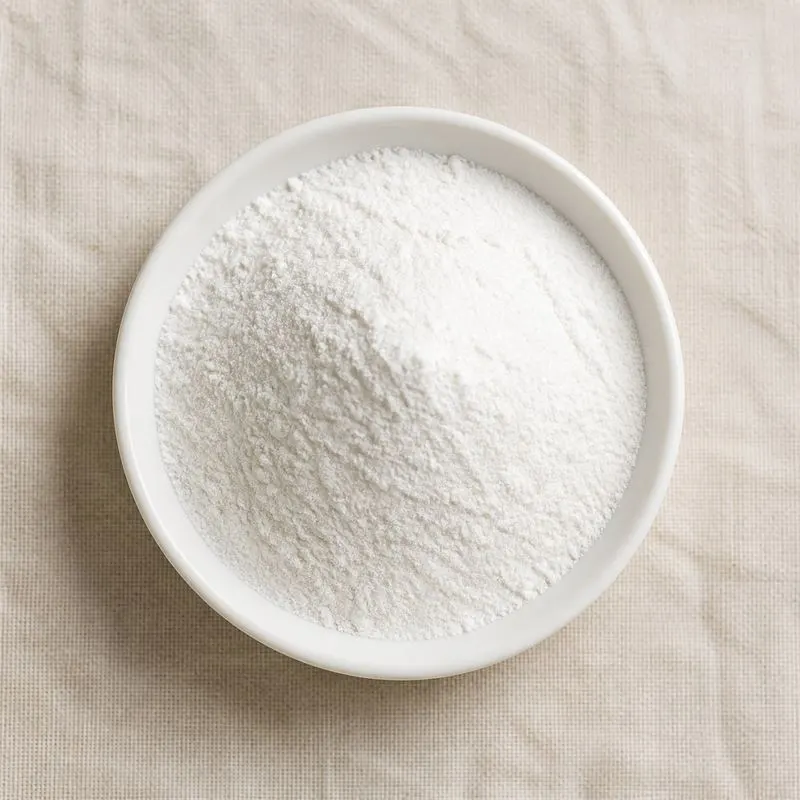
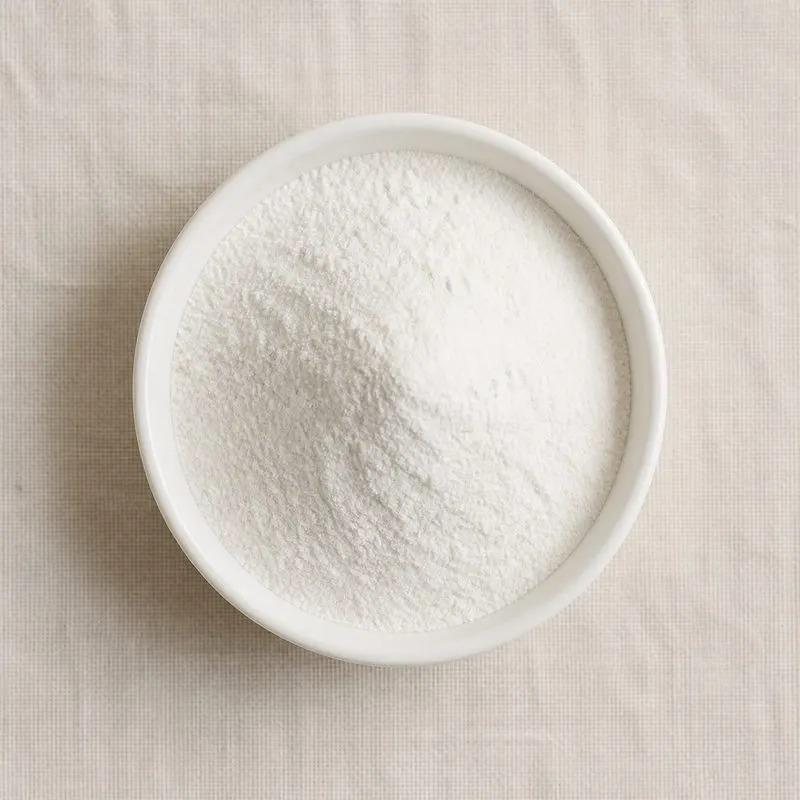
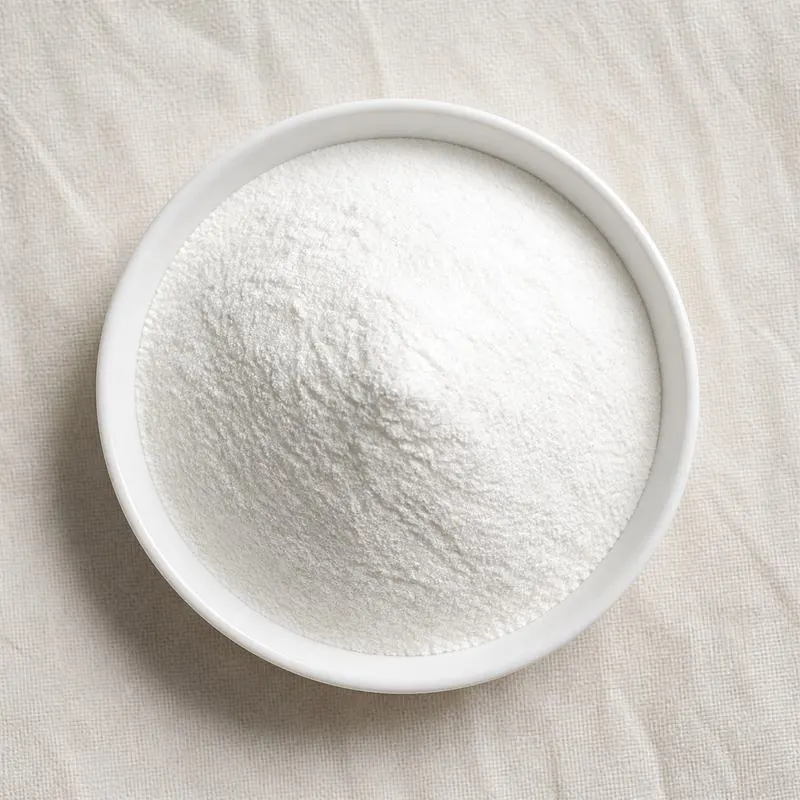
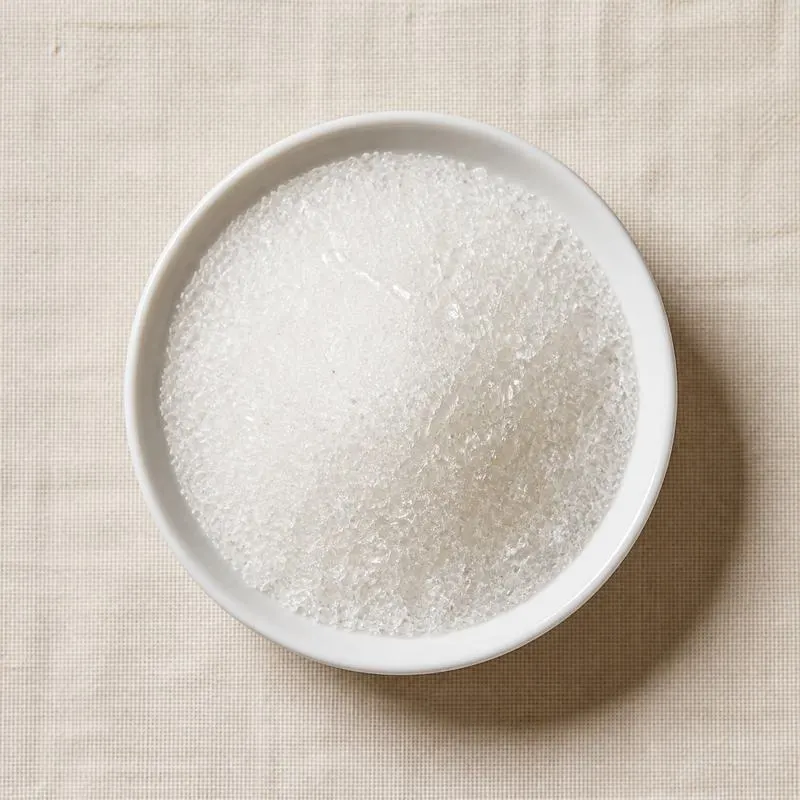
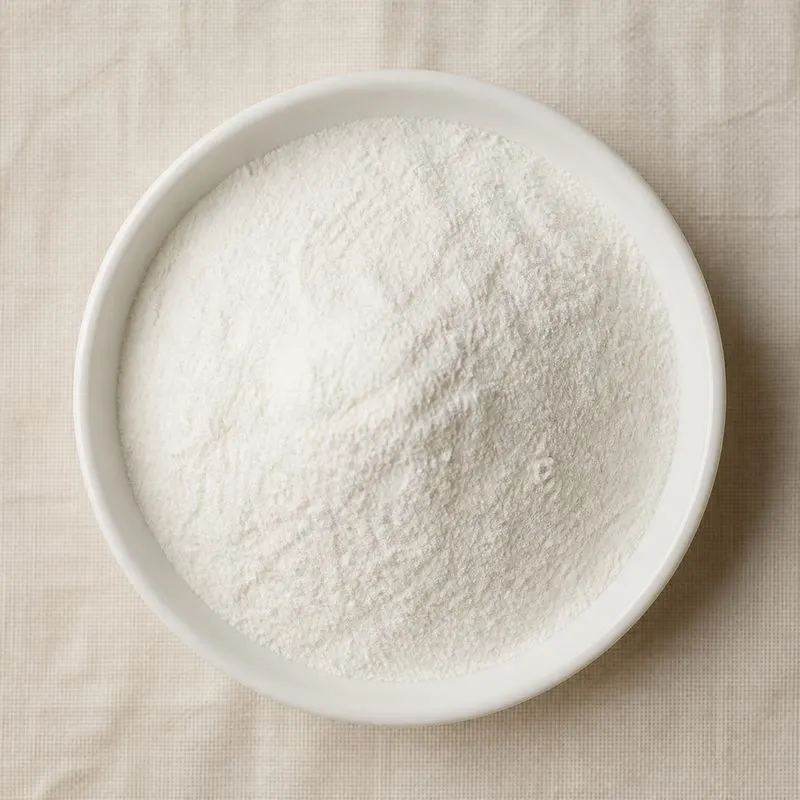
The material is an off white to pale cream powder with a faint yeasty odour, insoluble in water and in ethanol, dispersing as a suspension rather than dissolving. It is stable to heat, to acid and to the shear of normal processing, which allows its use in beverages, in baked products and in extruded feed. Particle size decides how it behaves in a formulation and, in the immune applications, how readily it is taken up, so micronised grades are made specifically for that purpose. Chemically modified soluble grades exist where clarity in a beverage is required.
We source bulk Yeast β-Glucan from top China manufacturers for our partners, working with several of them. The manufacturers are mostly in Hubei, Liaoning and Jiangsu. A smaller requirement can ship in a combined container with other ingredients.
Please send the grade you need, the volume and your destination port, and we will come back with a solution and a price.
or call +86-21-6858 0751
Specifications
| Item | Specification |
|---|---|
| Appearance | Off white to pale cream fine powder |
| Odour | Faintly yeasty, free from foreign odour |
| Beta Glucan Content (dry basis) | Not less than 80.0 percent |
| Identification | Beta 1,3 and 1,6 linkage confirmed by enzymatic assay |
| Protein (Nitrogen x 6.25) | Not more than 5.0 percent |
| Total Fat | Not more than 3.0 percent |
| Loss on Drying | Not more than 6.0 percent |
| Sulphated Ash | Not more than 3.0 percent |
| pH of 1 percent Suspension | 5.0 to 7.5 |
| Particle Size | Not less than 95 percent below 50 micrometres |
| Lead | Not more than 1 mg/kg |
| Arsenic | Not more than 1 mg/kg |
| Cadmium | Not more than 0.5 mg/kg |
| Total Plate Count | Not more than 10000 cfu/g |
| Yeast and Mould | Not more than 100 cfu/g |
| Escherichia coli | Absent in 10 g |
| Salmonella | Absent in 25 g |
Common Markets Grades
Purity is the main axis. Cell wall preparations assaying around sixty to seventy percent beta glucan retain a substantial mannoprotein fraction and are the cheaper material, used in feed and in applications where the whole cell wall is acceptable. Purified grades run above eighty percent, and highly purified grades above ninety percent, achieved by more extensive alkali and acid extraction, and are used where the specification carries the beta glucan figure as the basis of the dose. Whole glucan particle grades are made to keep the hollow cell wall shell intact, since the particulate form is central to the immune mechanism.
Physical form is the second axis. Standard spray dried powder has a particle size in the tens of microns. Micronised grades are milled to a few microns for immune applications and for suspension stability in beverages. Soluble grades are produced by controlled hydrolysis or by carboxymethylation and are specified on solution clarity and viscosity rather than on particle size, and are used where a clear drink or a topical formulation is required. Beyond that, buyers distinguish brewer's yeast derived material, which may carry residual hop bitterness and requires more extensive washing, from primary grown baker's yeast material, and specify a food or a feed grade accordingly.
Applications
- Immune support supplements in capsule and tablet form, where the particulate glucan is the sole active
- Functional beverages and shots, where micronised grades stay suspended without adding viscosity
- Sports nutrition products aimed at the immune suppression that follows heavy endurance training
- Seasonal wellness products sold alongside vitamin C, zinc and elderberry preparations
- Infant and paediatric nutrition in markets where the ingredient is authorised for that category
- Bakery and cereal products, where heat stability allows addition before baking and the fibre contributes to the nutrition panel
- Dairy and fermented products, where the insoluble particle survives fermentation and pasteurisation intact
- Animal feed and aquaculture diets, where it is used as an immune conditioning additive that survives pelleting and extrusion
- Pet food and treats, where it is included for gut and immune positioning
- Skin care formulations, where soluble grades are used for moisturisation and barrier claims
Brands Using Yeast β-Glucan
Widely-distributed consumer products that list Yeast β-Glucan on the ingredient label.
Brand names, product names and logos are the property of their owners. They appear here as published evidence that the ingredient is used, taken from the brand's own label or website. Their appearance is not an endorsement, and it does not mean the brand buys from us or from any manufacturer listed on this site.
China Manufacturers of Yeast β-Glucan
Top Yeast β-Glucan manufacturers in China.
- Angel Newt Co., Ltd.5 ingredients in the directory
 Dalian Zhen-Ao Bio-tech Co., Ltd.11 ingredients in the directory
 Nantong Yinqi Biological Technology Co., Ltd.3 ingredients in the directory
 Tangshan Top Bio-technology Co., Ltd.6 ingredients in the directory
- Zhuhai TXY Biotech Holding Co., Ltd.6 ingredients in the directory
Company names and logos are the property of the manufacturers themselves. They are listed here because our own directory records them as producing this ingredient. A listing is not an endorsement by them, and we do not represent them or speak on their behalf.
Regulatory Status
In the United States yeast beta glucan preparations from Saccharomyces cerevisiae have been the subject of generally recognised as safe notifications covering specified food categories and use levels, with the Food and Drug Administration responding without objection, and they are also marketed as dietary ingredients in supplements. Claims are limited to structure and function statements with the required disclaimer, since the authorised soluble fibre health claim relating to coronary heart disease covers the beta glucan of oats and barley and does not extend to the yeast polysaccharide, which has a different structure and a different physiological effect.
In the European Union yeast beta glucans from Saccharomyces cerevisiae are authorised as a novel food, with the authorisation setting out the specification the material must meet, the food categories in which it may be used and the maximum amounts for each, including supplement, beverage and dairy categories. Use outside those conditions is not permitted, and a preparation that does not meet the specification would require its own authorisation. The European Food Safety Authority has assessed immune related claims for yeast beta glucan and did not find the evidence sufficient to establish a cause and effect relationship, so no health claim is authorised for it. Codex does not maintain a specific standard for the material, though it falls within the general treatment of dietary fibre in the guidelines on nutrition labelling.
Manufacturing Process
Production starts from yeast cream, either primary grown Saccharomyces cerevisiae harvested from a dedicated fermentation or surplus brewer's yeast washed free of beer and hop residues. The cells are first opened, usually by autolysis under controlled temperature and pH so that the cell's own enzymes digest the interior, sometimes assisted by added protease or by mechanical disruption. Centrifugation then separates the soluble intracellular fraction, which is recovered and sold as yeast extract, from the insoluble cell wall, which is the feedstock for the glucan.
The wall fraction is refined by alternating alkaline and acid extraction. Hot dilute sodium hydroxide dissolves the protein and much of the mannoprotein layer, and repeated alkaline washes progressively raise the glucan content. Dilute acid, commonly acetic or hydrochloric, then removes glycogen and the remaining mannan, and the residue is washed with water to neutral pH. Where a low fat and low colour product is needed the slurry is washed with ethanol or isopropanol, which also removes residual odour compounds. The purified suspension is neutralised, concentrated, and dried, usually by spray drying, with the inlet temperature controlled so that the particle does not collapse. The dried powder is milled to the specified particle size, micronised in a jet mill where a fine grade is required, sieved, and assayed for beta glucan content, protein and ash before packing. Soluble grades are produced from the same purified wall by controlled acid or enzymatic hydrolysis, or by carboxymethylation, followed by filtration and drying.