Starter
A starter, or starter culture, is a preparation of live microorganisms added deliberately to a food substrate to begin and direct a fermentation. The organism is selected so that it dominates the substrate quickly, drives the intended biochemical change and suppresses spoilage and pathogenic organisms by lowering pH, consuming available sugars and producing inhibitory metabolites.
Most food starters are lactic acid bacteria, principally species of Lactococcus, Streptococcus thermophilus, Lactobacillus and the genera separated from it, Leuconostoc and Pediococcus. Yeast starters, chiefly Saccharomyces cerevisiae, cover baking and brewing, and mould starters based on Aspergillus, Rhizopus and Penicillium serve soy fermentation and mould ripened cheese and sausage.
Commercially the material takes three forms: freeze dried powder for direct vat inoculation, frozen pellets or cans held in liquid nitrogen or deep freeze, and liquid bulk starter propagated on site. Potency is declared as colony forming units per gram or as the number of litres or kilograms of substrate one unit will inoculate, rather than as a chemical assay. Viability controls handling throughout: the cultures are hygroscopic, are damaged by moisture, oxygen and heat, and are packed under nitrogen and held frozen or refrigerated.
We source bulk Starter from top China manufacturers for our partners. The manufacturer is in Shanghai. A smaller requirement can ship in a combined container with other ingredients.
Please send the grade you need, the volume and your destination port, and we will come back with a solution and a price.
or call +86-21-6858 0751
- Function
- Probiotic
Specifications
| Item | Specification |
|---|---|
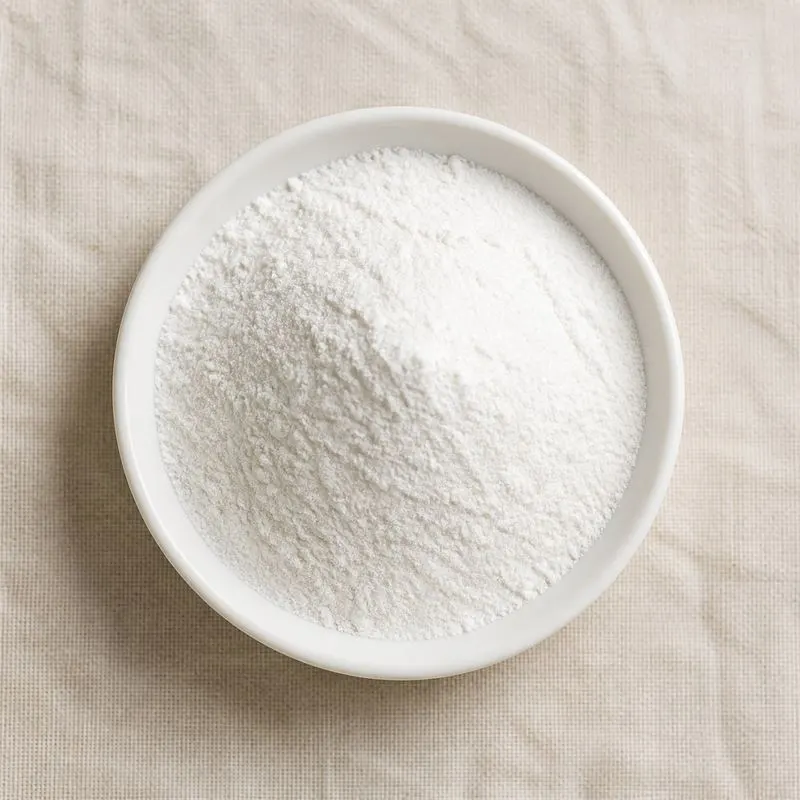
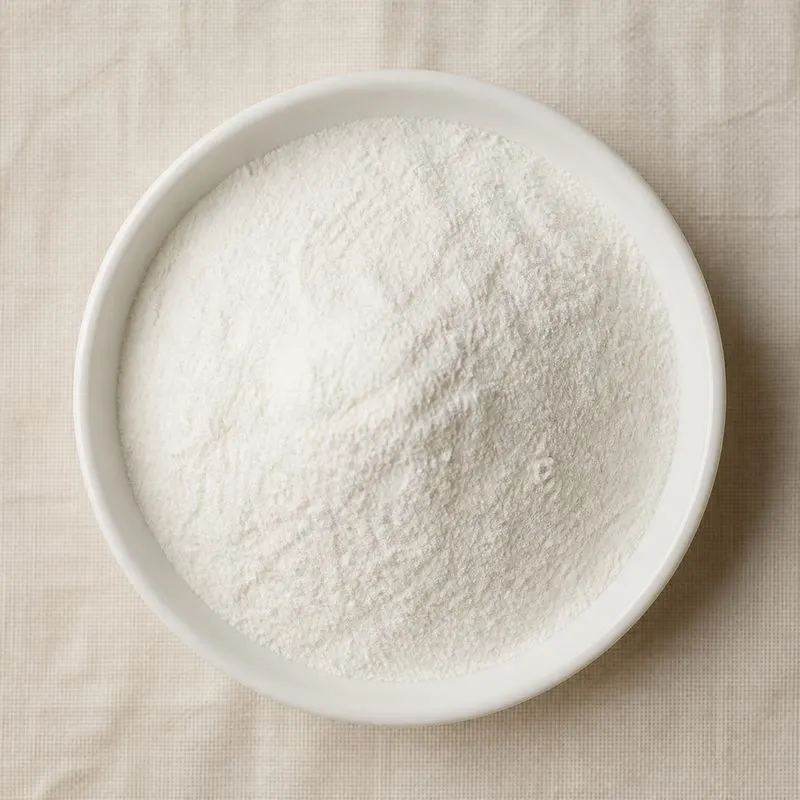
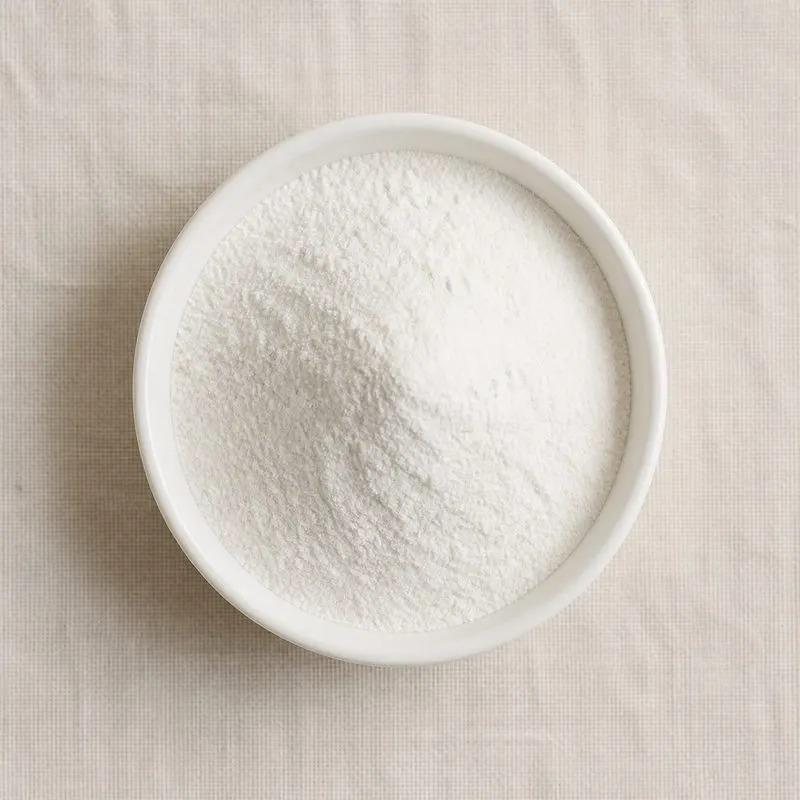
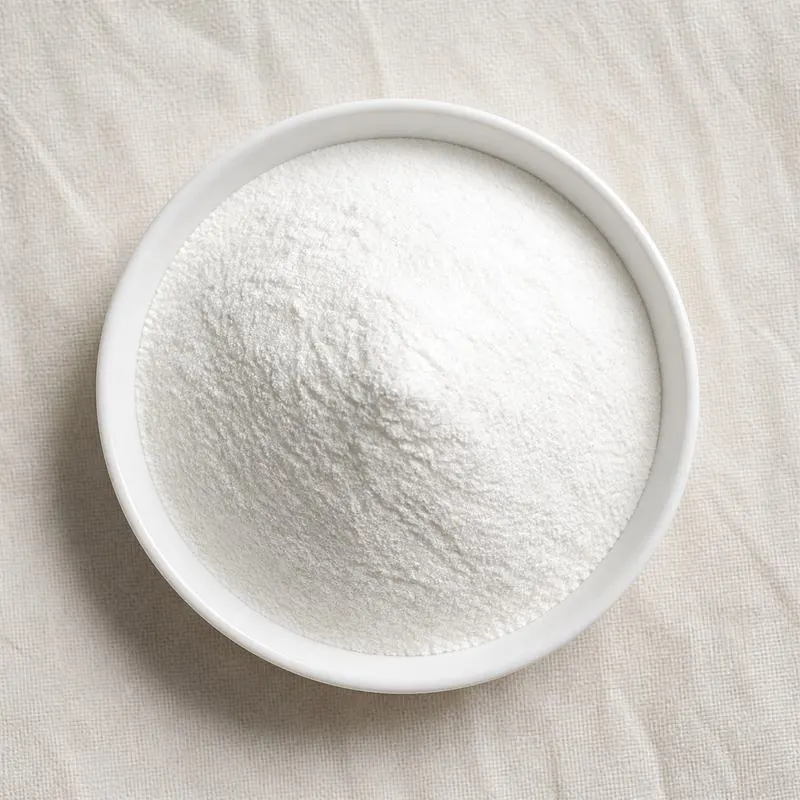
| Appearance | Cream to light beige powder, or frozen pellets, per format |
| Odour | Characteristic, faintly fermented |
| Viable Count | Conforms to declared potency, typically 10¹⁰ to 10¹² CFU/g |
| Activity | Acidification of standard substrate within specified time |
| Identification | 16S rRNA sequencing to species, strain typing where declared |
| Loss on Drying, dried format | ≤ 5.0% |
| Water Activity, dried format | ≤ 0.20 |
| Bacteriophage | Absent for the declared strains |
| Lead | ≤ 1.0 mg/kg |
| Arsenic | ≤ 1.0 mg/kg |
| Coliforms | ≤ 10 CFU/g |
| Yeast and Mould | ≤ 100 CFU/g, unless a yeast or mould culture |
| E. coli | Absent in 1 g |
| Salmonella | Absent in 25 g |
| Staphylococcus aureus | Absent in 1 g |
Common Markets Grades
The first grading distinction is the intended fermentation, since a yoghurt starter, a cheese starter, a sausage starter and a baking yeast are not interchangeable. Within dairy, cultures are split by temperature class: mesophilic blends for cultured butter, sour cream and most hard cheeses, and thermophilic blends for yoghurt, mozzarella and Swiss and Italian types.
The second is the format. Direct vat set cultures are highly concentrated freeze dried or frozen preparations dosed straight into the tank, which is now the dominant industrial practice, while bulk starter cultures carry a lower concentration and are propagated in a starter tank before use. A third distinction is whether the blend is defined, meaning a known set of identified strains in fixed proportion, or undefined, a mixed culture maintained by repeated transfer, which is still used in some traditional cheese making. Phage resistant rotation sets, several blends of differing phage sensitivity intended to be used in sequence, are a standard offering in cheese, where bacteriophage attack is the main cause of failed fermentations.
Applications
- Yoghurt and drinking yoghurt, using thermophilic Streptococcus thermophilus and Lactobacillus delbrueckii subsp. bulgaricus blends
- Cheese making, where the starter sets the acidification curve that decides moisture, texture and ripening
- Cultured butter and sour cream, using mesophilic citrate fermenting blends for diacetyl aroma
- Fermented sausage and dry cured meat, where Pediococcus and Staphylococcus cultures acidify the batter and stabilise cured colour
- Sourdough bread, where a lactic and yeast community supplies both leavening and acidity
- Baking and brewing, using selected Saccharomyces cerevisiae strains for gas production or for alcohol and flavour
- Vegetable fermentation such as sauerkraut, kimchi and pickles, giving a controlled lactic fermentation in place of a spontaneous one
- Soy sauce, miso and tempeh, using mould starters to break down protein and starch before the brine fermentation
- Plant based dairy alternatives, where the culture supplies the acidity and flavour that the base lacks
Brands Using Starter
Widely-distributed consumer products that list Starter on the ingredient label.
- Cultures for HealthHeirloom Yogurt Starter Culture Variety Pack ↗A pack of Viili, Matsoni and Filmjolk starter cultures whose ingredient statement reads organic milk and dehydrated live cultures.Label verified 2026-08-31
- Cultures for HealthBulgarian Yogurt Starter Culture ↗A dehydrated starter culture used to ferment milk into Bulgarian style yogurt at home.Label verified 2026-08-31
Brand names, product names and logos are the property of their owners. They appear here as published evidence that the ingredient is used, taken from the brand's own label or website. Their appearance is not an endorsement, and it does not mean the brand buys from us or from any manufacturer listed on this site.
China Manufacturers of Starter
Top Starter manufacturers in China.

Company names and logos are the property of the manufacturers themselves. They are listed here because our own directory records them as producing this ingredient. A listing is not an endorsement by them, and we do not represent them or speak on their behalf.
Regulatory Status
In the United States starter cultures used in food are established food organisms, and the microorganisms and microbial derived ingredients used in food are treated as generally recognised as safe for their intended use, with new organisms requiring a GRAS determination. Standardised fermented foods such as yoghurt, sour cream and the named cheeses specify in their standards of identity the characterising organisms that must be used, so the choice of starter is part of meeting the standard rather than a free formulation decision.
In the European Union starter cultures are food ingredients rather than food additives, so no E number applies, and they are placed on the market under general food law. Species with a documented history of safe use appear on the European Food Safety Authority qualified presumption of safety list at species level, while organisms without that history require novel food authorisation. Codex Alimentarius specifies the starter organisms characterising each product in its Standard for Fermented Milks and refers to starter cultures in its cheese standards, and the general principles of food hygiene apply to their manufacture.
Manufacturing Process
Manufacture begins from a master seed bank held cryogenically, from which a working seed is drawn so that no culture is propagated indefinitely and strain drift is avoided. The seed is expanded through flask and seed fermenter stages into a production fermenter charged with a medium of a fermentable carbohydrate, a nitrogen source such as yeast extract, peptone or a dairy free equivalent, and mineral salts. The vessel is run at the strain's optimum temperature and oxygen condition, with pH held near neutral by automatic alkali addition, since the acid that makes the culture useful in food would otherwise stop its own growth in the fermenter.
At harvest the broth is concentrated by continuous centrifugation or membrane filtration into a cell cream, which is blended with cryoprotectants such as sucrose, trehalose, glycerol and a protein or hydrocolloid. From this point the routes diverge. Frozen cultures are pelletised in liquid nitrogen and held at deep freeze temperatures, while freeze dried cultures are frozen and dried under vacuum until residual moisture falls to the low single figures, then milled. Both are assayed for viable count and for activity, meaning the rate at which the culture acidifies a standard substrate, blended with carrier and with other strains to the specified formula, and packed under nitrogen in foil laminate or in sealed cans.