Mushroom Oil Essence
Mushroom oil essence is an oil based savoury flavouring that carries the aroma of cooked mushroom in a vegetable oil or mushroom derived fat carrier. It is a compounded product rather than a single chemical, built from mushroom extract, thermally processed reaction flavour and a small set of character impact aroma chemicals dissolved in the oil phase.
The defining note comes from one to three eight carbon alcohols and ketones, chiefly 1-octen-3-ol, which gives the raw mushroom smell, supported in shiitake types by the sulphur ring compound lenthionine and by nucleotides that build the underlying savoury depth. Blending these against a cooked, slightly nutty background is what separates a fresh mushroom profile from a braised or fried one.
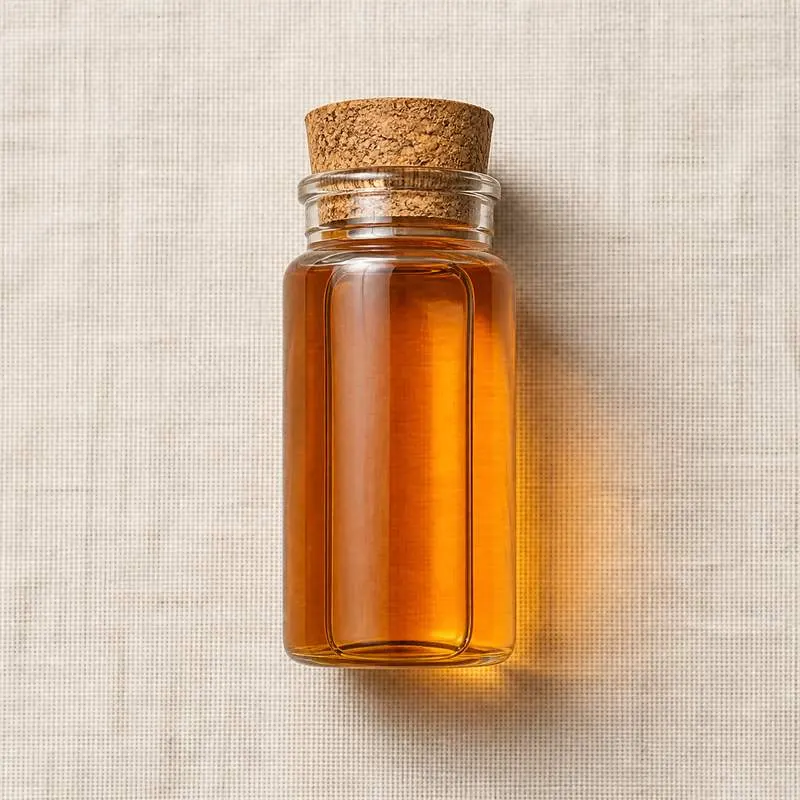
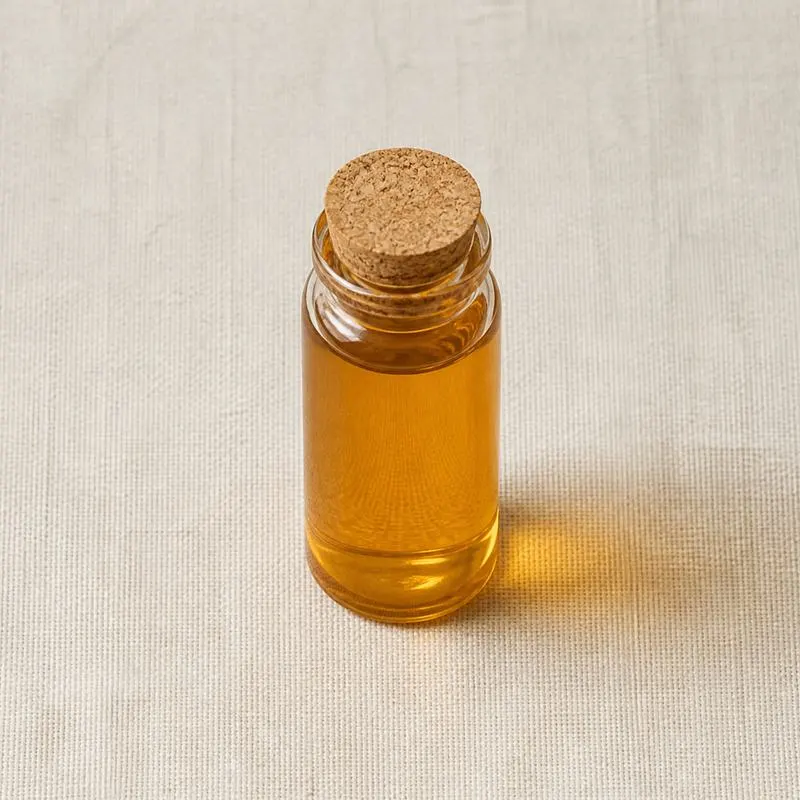
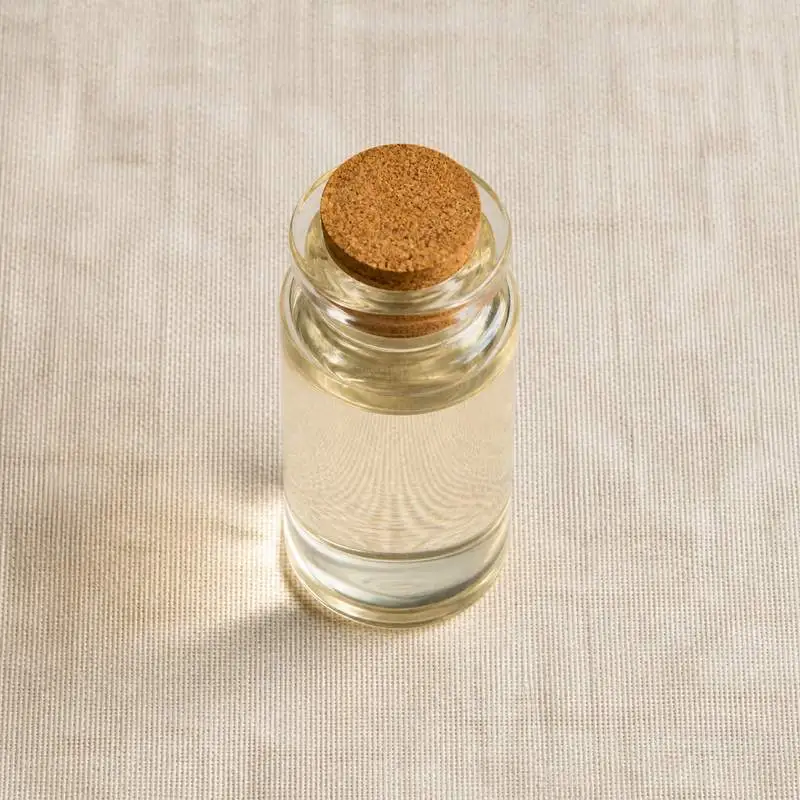
The material is a clear to slightly hazy oil, pale yellow to amber, with a strong mushroom aroma at the neat concentration. It is oil soluble and water insoluble, so it disperses into fat containing systems directly and needs emulsification for clear aqueous products. Because the active volatiles oxidise readily, the essence is packed under nitrogen and stored cool and dark.
We source bulk Mushroom Oil Essence from top China manufacturers for our partners. The manufacturer is in Guangdong. A smaller requirement can ship in a combined container with other ingredients.
Please send the grade you need, the volume and your destination port, and we will come back with a solution and a price.
or call +86-21-6858 0751
- Function
- Flavours and Aromas
Specifications
| Item | Specification |
|---|---|
| Appearance | Clear to slightly hazy oily liquid, slight sediment permitted |
| Colour | Pale yellow to amber |
| Odour and flavour | Characteristic cooked mushroom, true to reference sample |
| Relative density at 25 degrees Celsius | 0.900 to 0.960 |
| Refractive index at 20 degrees Celsius | 1.4650 to 1.4800 |
| Acid value | 2.0 mg KOH/g maximum |
| Peroxide value | 5.0 meq/kg maximum |
| Moisture | 0.5 percent maximum |
| Lead | 1.0 mg/kg maximum |
| Arsenic | 0.5 mg/kg maximum |
| Total plate count | 1,000 cfu/g maximum |
| Yeast and mould | 50 cfu/g maximum |
| E. coli | Absent in 1 g |
| Salmonella | Absent in 25 g |
Common Markets Grades
Trade grades are separated first by carrier and strength. Standard oil grades are cut in refined soybean, rapeseed or sunflower oil at a dosing level around 0.1 to 0.5 percent in the finished food, while concentrated grades run several times stronger and the buyer dilutes them before use. Grades carried in mushroom infused oil rather than a neutral oil are sold where a visible and tasteable oil in its own right is wanted.
Profile is the second axis: shiitake, button mushroom, porcini and a general blended mushroom type are the common positions, each with fried, braised and fresh variants. Labelling status splits natural flavour grades, which use only extracts and natural aroma chemicals, from nature identical or compounded grades built with synthesised aroma chemicals. Paste and powdered mushroom flavours are related products but are formulated separately and are not the same item as the oil essence.
Applications
- Instant noodle oil sachets, where the essence supplies the mushroom note of the finished soup
- Hot pot and braising base oils, dosed into the fat phase during blending
- Vegetarian and plant based meat analogues, to build savoury depth without animal derived ingredients
- Mushroom flavoured sauces, including oyster sauce alternatives and stir fry sauces
- Bouillon pastes and concentrated stocks, added after cooking to restore volatiles lost to heat
- Frozen dumpling and bun fillings, where the oil carries the aroma through freezing and reheating
- Retorted soups and ready meals, dosed to compensate for the aroma stripped by sterilisation
- Savoury snack seasoning oils used in tumbled coating systems
- Chilled ready to eat dressings and dipping sauces with a mushroom character
China Manufacturers of Mushroom Oil Essence
Top Mushroom Oil Essence manufacturers in China.
Company names and logos are the property of the manufacturers themselves. They are listed here because our own directory records them as producing this ingredient. A listing is not an endorsement by them, and we do not represent them or speak on their behalf.
Regulatory Status
In the United States the essence is a compounded flavouring. Its constituents are drawn from substances that hold FEMA GRAS status or that appear as synthetic flavouring substances under 21 CFR 172.515 and as natural extractives under 21 CFR 182.20, and the label reads natural flavour or artificial flavour depending on which of those constituents are used. Thermally processed reaction flavours built from food ingredients are treated as flavour rather than as additives.
In the European Union the product is a mixture of flavouring preparations, thermal process flavourings and flavouring substances under Regulation (EC) No 1334/2008, which sets the production conditions that a thermal process flavouring must meet and requires the individual flavouring substances used to be on the Union list. No E number applies to a flavouring. The vegetable oil carrier is a food, and any antioxidant added to protect it is regulated as an additive in its own right. The Joint FAO and WHO Expert Committee on Food Additives has evaluated the major aroma chemicals in this class, and Codex flavouring guidance applies where adopted nationally.
Manufacturing Process
The base is usually a mushroom extract. Dried or fresh mushrooms are hot water extracted, and the extract is concentrated under vacuum, sometimes with an enzymatic step that hydrolyses protein and nucleic acid to build free amino acids and the flavour nucleotides. Part of that concentrate is taken into a reaction vessel with a reducing sugar, cysteine or another sulphur bearing amino acid and a fat, and cooked under controlled temperature, time and pH to drive the Maillard and Strecker chemistry that produces the cooked mushroom background.
The reaction mass is then blended into refined vegetable oil in a heated mixing vessel, and the character impact aroma chemicals are dosed in at the end at low temperature so they are not degraded. The blend is homogenised, held to allow insoluble matter to settle, and either plate filtered or centrifuged to a clear oil. Batches are compared against a retained standard by trained assessors and by gas chromatography before the essence is filled into lined drums or pails under nitrogen.