Sunflower Oil
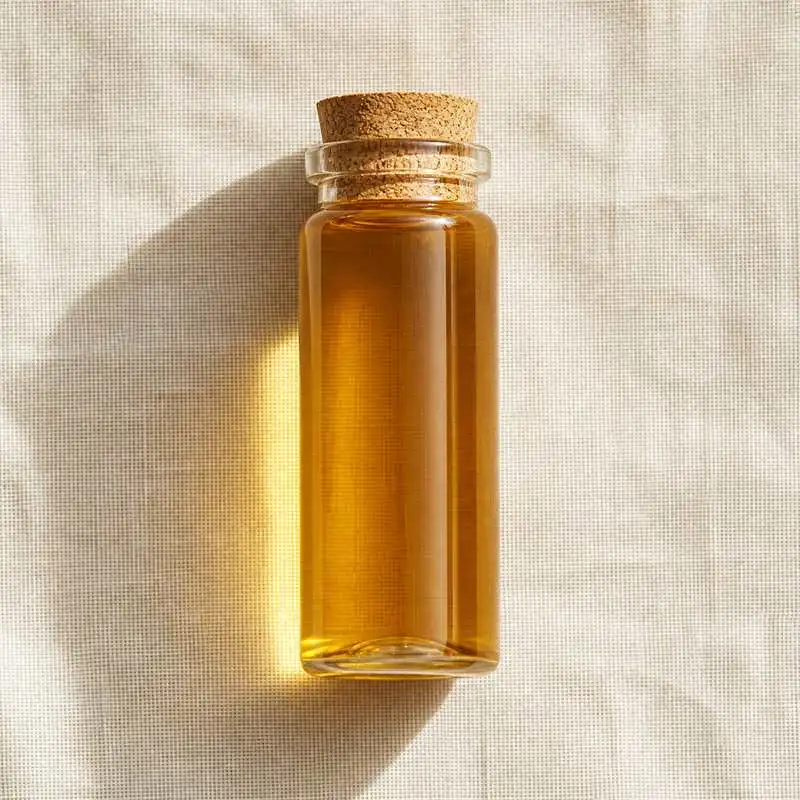
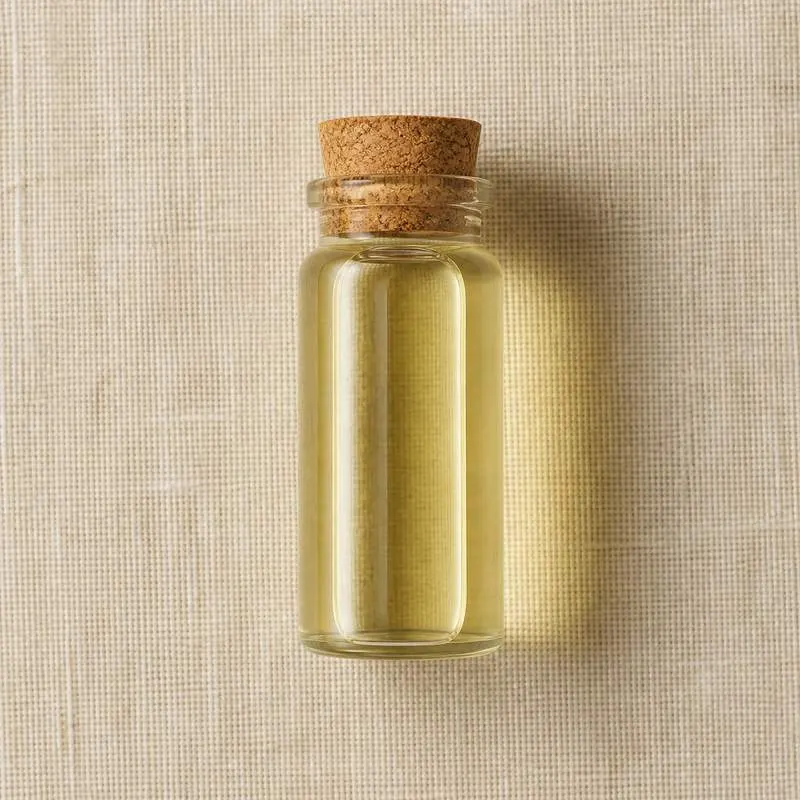
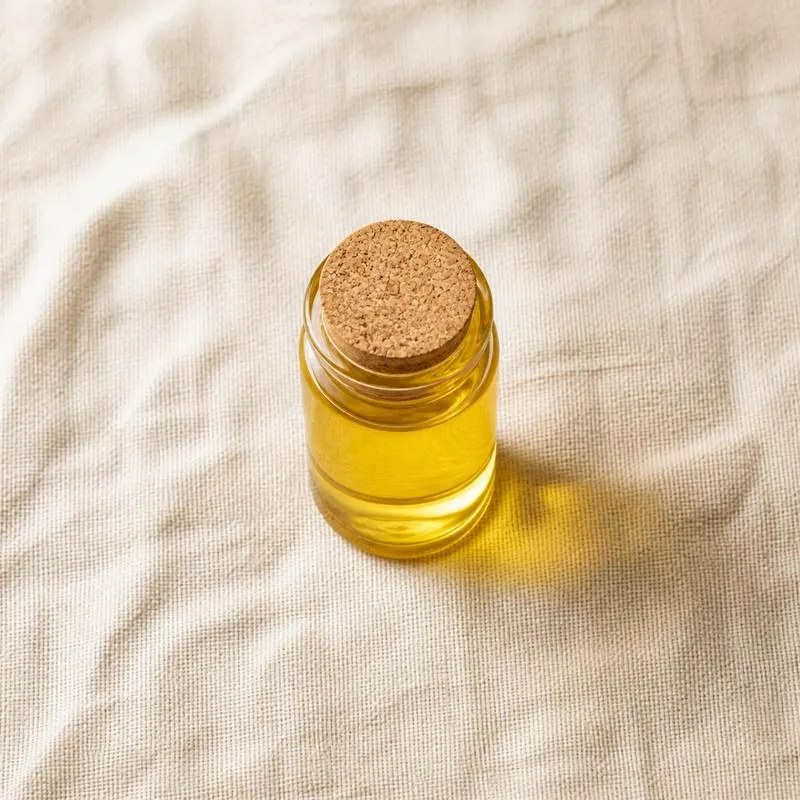
Sunflower Oil is the edible oil expressed from the seeds of Helianthus annuus, a pale yellow, mildly flavoured liquid that is among the most widely produced vegetable oils worldwide.
Four compositional types reach the market, defined by the relative proportions of linoleic and oleic acid (classic, mid-oleic, high-oleic, and high-stearic high-oleic), so a single crop serves frying, dressing, infant nutrition, cosmetic, and oleochemical markets.
We source bulk Sunflower Oil from top China manufacturers for our partners. The manufacturer is in Shandong. A smaller requirement can ship in a combined container with other ingredients.
Please send the grade you need, the volume and your destination port, and we will come back with a solution and a price.
or call +86-21-6858 0751
- Packaging
- 25 kg kraft paper bag with PE inner liner
- ISO 9001
- HACCP
- Halal
- Kosher
Specifications
| Item | Specification |
|---|---|
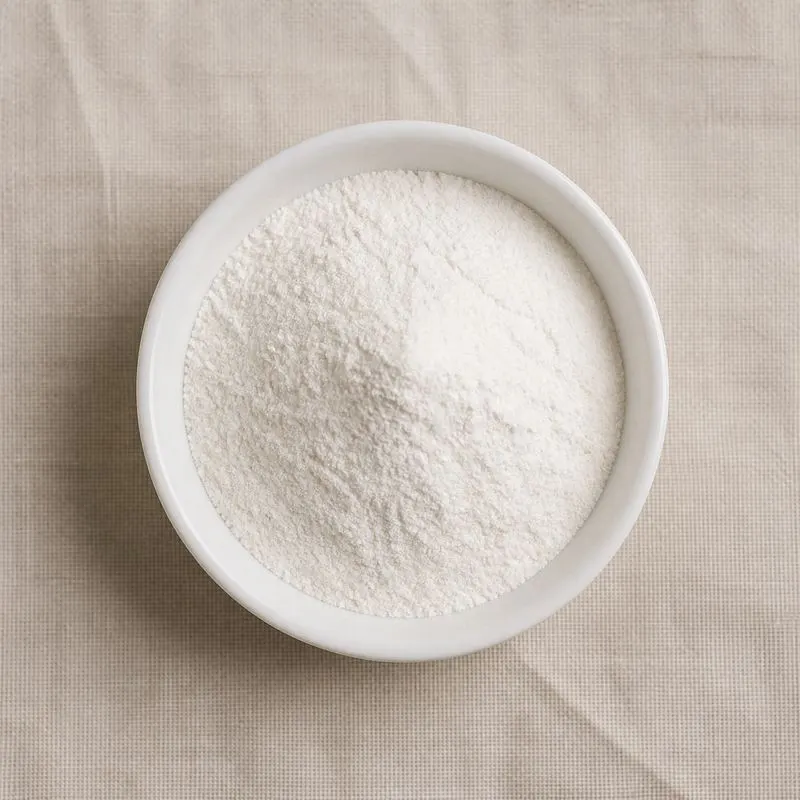
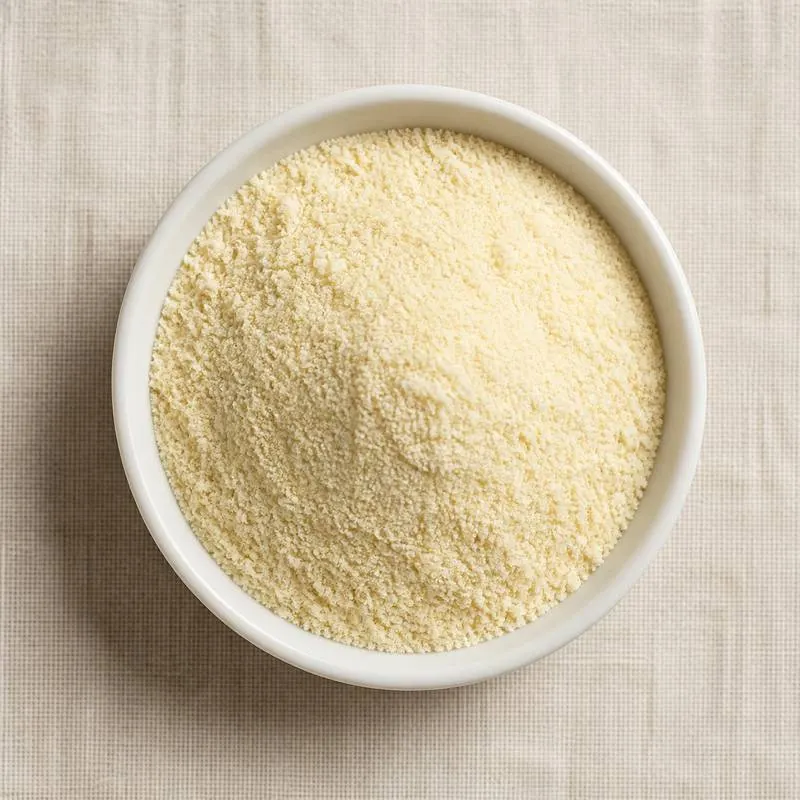
| Appearance | White to pale cream free-flowing powder |
| Oil load | 50% to 80% |
| Oleic acid (high-oleic grade, C18:1) | ≥ 75% |
| Linoleic acid (standard grade, C18:2) | 55% to 70% |
| Palmitic acid (C16:0) | 4% to 8% |
| Peroxide value (extracted oil) | ≤ 5.0 meq/kg |
| Acid value (extracted oil) | ≤ 1.0 mg KOH/g |
| Moisture | ≤ 4.0% |
| Bulk density | 0.40 to 0.55 g/mL |
| Heavy metals (as Pb) | ≤ 0.5 mg/kg |
| Source | Refined Helianthus annuus seed oil, spray-dried in protein or starch matrix |
Common Markets Grades
Sunflower Oil is classified by oleic acid content and by processing level.
Classic (linoleic) sunflower oil contains roughly 60 to 75 percent linoleic acid and 15 to 25 percent oleic acid and has historically been the standard oil for bottle, baking, and dressing applications.
Mid-oleic (NuSun) sunflower oil delivers 55 to 75 percent oleic acid and was developed to provide improved frying stability without hydrogenation.
High-oleic sunflower oil reaches 80 to 90 percent oleic acid with under 10 percent linoleic acid, offering high oxidative stability for industrial frying, snack coating, infant formula, and cosmetic carrier use.
High-stearic high-oleic sunflower oil combines elevated stearic and oleic acid content to provide a semi-solid functional fat for bakery and confectionery applications without hydrogenation.
Refined, bleached, and deodorised (RBD) grades cover most food and industrial applications, while cold-pressed and virgin grades preserve seed character for premium culinary and cosmetic use.
Applications
- Bottled cooking and salad oil for household and food-service use
- Industrial frying oils for snacks, French fries, and bakery applications
- Margarine and spreads using high-stearic high-oleic grades
- Mayonnaise, dressings, sauces, and emulsified condiments
- Bakery shortening replacements and laminating fats
- Infant formula and follow-on milks using high-oleic grades for oleic acid contribution
- Confectionery centres, fillings, and chocolate-compatible fat blends
- Cosmetic and personal care emollient under INCI Helianthus Annuus Seed Oil
- Pharmaceutical excipient for soft capsules and topical preparations
- Oleochemical feedstock for surfactants, biolubricants, and biofuels
Brands Using Sunflower Oil
Widely-distributed consumer products that list Sunflower Oil on the ingredient label.
- Cape CodOriginal Kettle Cooked Potato Chips ↗Listed: 'POTATOES, VEGETABLE OIL (CANOLA, SUNFLOWER, SAFFLOWER, AND/OR SOYBEAN), SEA SALT.'Label verified 2026-05-24
- Kettle BrandClassic Sea Salt Potato Chips ↗Listed: 'POTATOES, VEGETABLE OILS (CANOLA, SUNFLOWER AND/OR SAFFLOWER), SEA SALT.'Label verified 2026-05-24
- Annie'sOrganic Cheddar Bunnies ↗Listed: 'Organic Wheat Flour, Organic Expeller-Pressed Sunflower Oil, Sea Salt, Organic Cheddar Cheese ...'Label verified 2026-05-24
- Boulder CanyonKettle Cooked Potato Chips ↗Product line uses sunflower oil (and/or safflower) as the primary cooking oil per Boulder Canyon product pages.Label verified 2026-05-24
Brand names, product names and logos are the property of their owners. They appear here as published evidence that the ingredient is used, taken from the brand's own label or website. Their appearance is not an endorsement, and it does not mean the brand buys from us or from any manufacturer listed on this site.
China Manufacturers of Sunflower Oil
Top Sunflower Oil manufacturers in China.

Company names and logos are the property of the manufacturers themselves. They are listed here because our own directory records them as producing this ingredient. A listing is not an endorsement by them, and we do not represent them or speak on their behalf.
How We Help Source Sunflower Oil
Direct Factory Sourcing
We run the whole process: selecting the manufacturer from the top Chinese food ingredient producers, negotiating the price, verifying quality, and coordinating the logistics. You deal with us instead of with several factories at once.
Original Packaging and Documents from the Manufacturer
The manufacturer sends your Sunflower Oil out of its own factory in the original packing, through to your destination port. The COA, COO, MSDS, TDS and any certifications reach you from the manufacturer as well.
Free Samples and Lead Time
We send 100 to 500 g free for your own laboratory to test and you cover only the courier, usually within 2 to 3 working days. ETD is usually within 7 to 15 days once the order is confirmed, and we check that date against the factory's own manufacturing schedule before we give it to you.
Combined Shipment
We can load Sunflower Oil together with other ingredients such as DHA, DHA Algal Oil and Mct into one 20' FCL. If your quantity is small, we can also ship LCL.
Regulatory Status
Sunflower Oil is recognised as a food across all major jurisdictions and is included in the Codex Alimentarius Standard for Named Vegetable Oils (CXS 210-1999) with defined compositional limits for each of the four commercial types.
In the European Union it falls under general food law and Regulation (EU) 1169/2011 for labelling, with high-oleic and high-stearic high-oleic types recognised under specific compositional descriptions.
The U.S. Food and Drug Administration treats sunflower oil as a conventional food and recognises a qualified health claim for high-oleic sunflower oil regarding coronary heart disease risk reduction when used to replace saturated fats.
The European Pharmacopoeia and USP carry monographs for Refined Sunflower Oil used as a pharmaceutical excipient.
Sustainability and identity certifications commonly available include ProTerra, ISCC, USDA NOP and EU organic, non-GMO Project, halal, and kosher.
Manufacturing Process
Sunflower production is concentrated in Ukraine, Russia, Argentina, the European Union (principally Romania, Bulgaria, Hungary, and France), Turkey, and the United States.
Seeds are cleaned, dehulled to remove a portion of the hulls, and conditioned by heating before mechanical pressing in screw expellers, which recovers roughly 30 to 35 percent oil on a seed-weight basis.
The partially defatted press cake is then solvent-extracted with hexane to recover the remaining oil, with the resulting meal sold as protein-rich animal feed.
Crude oil from pressing and extraction is degummed to remove phospholipids, neutralised with caustic to remove free fatty acids, bleached with activated clay to remove pigments and trace contaminants, winterized to remove waxes, and steam-deodorised to produce refined, bleached, and deodorised (RBD) oil.
Cold-pressed and virgin grades skip solvent extraction, alkali neutralisation, and high-temperature deodorisation, retaining the characteristic seed aroma and a higher minor-constituent content.