Ocean Fish Bone Collagen Oligopeptide
Ocean fish bone collagen oligopeptide is a very low molecular weight hydrolysate of type I collagen extracted from marine fish bone, distinguished from skin and scale derived collagen peptide by its feedstock and by the calcium chemistry that comes with it.
Fish bone is a composite of collagen fibrils mineralised with hydroxyapatite, so the process must remove the mineral phase before the collagen can be extracted, and the calcium recovered at that stage is itself a saleable co-product. The peptide fraction is cut deliberately short, most of it below 1000 Daltons and much of it in the two to six residue range, which is what the term oligopeptide means. Peptides of that size carry carboxyl and phosphate binding sites that chelate calcium ions, and bone derived material is marketed on that calcium binding behaviour as much as on its collagen content.
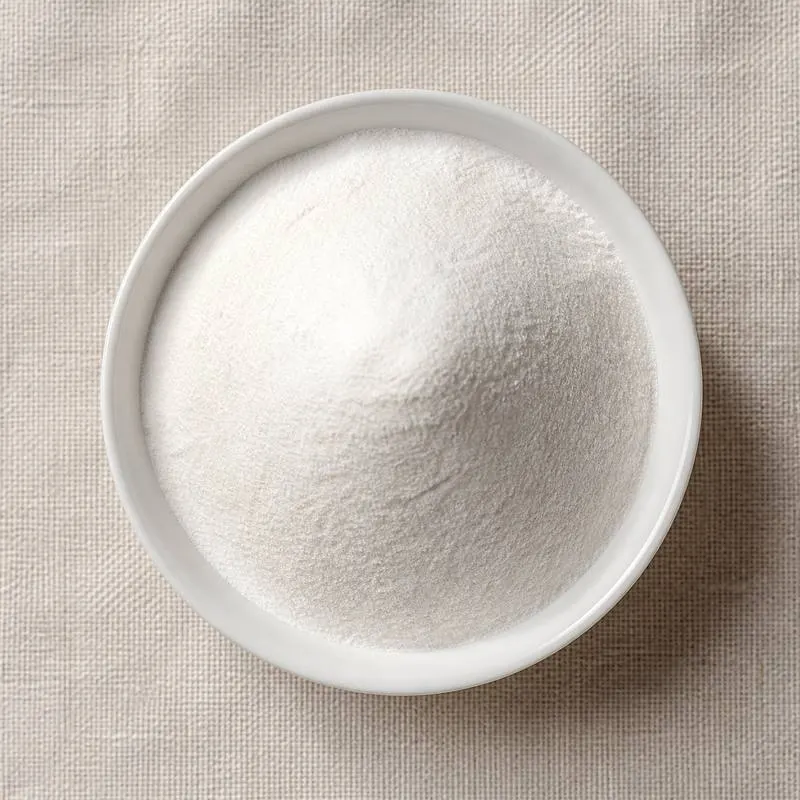
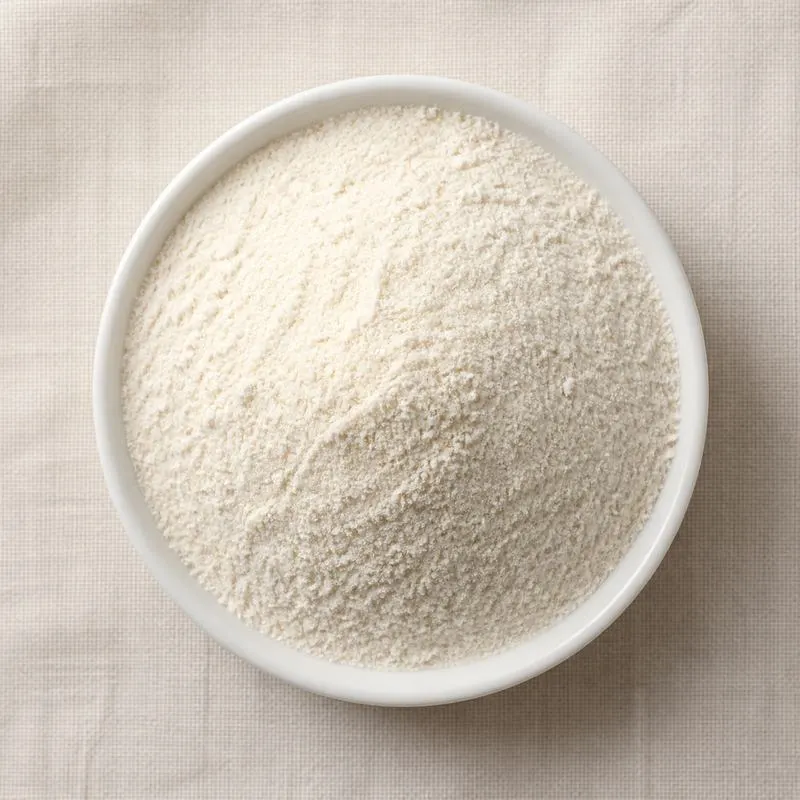
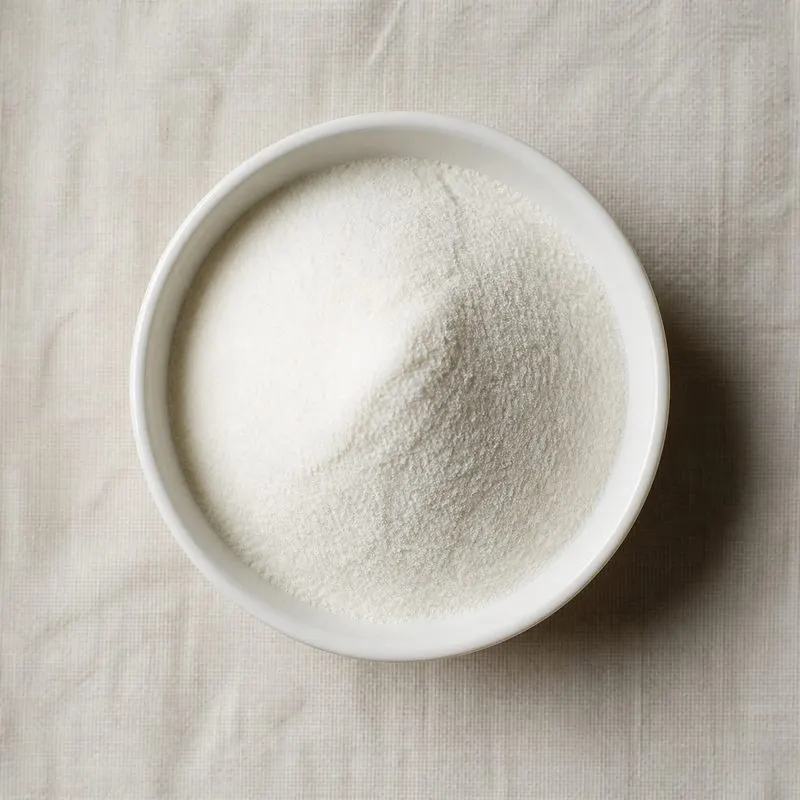
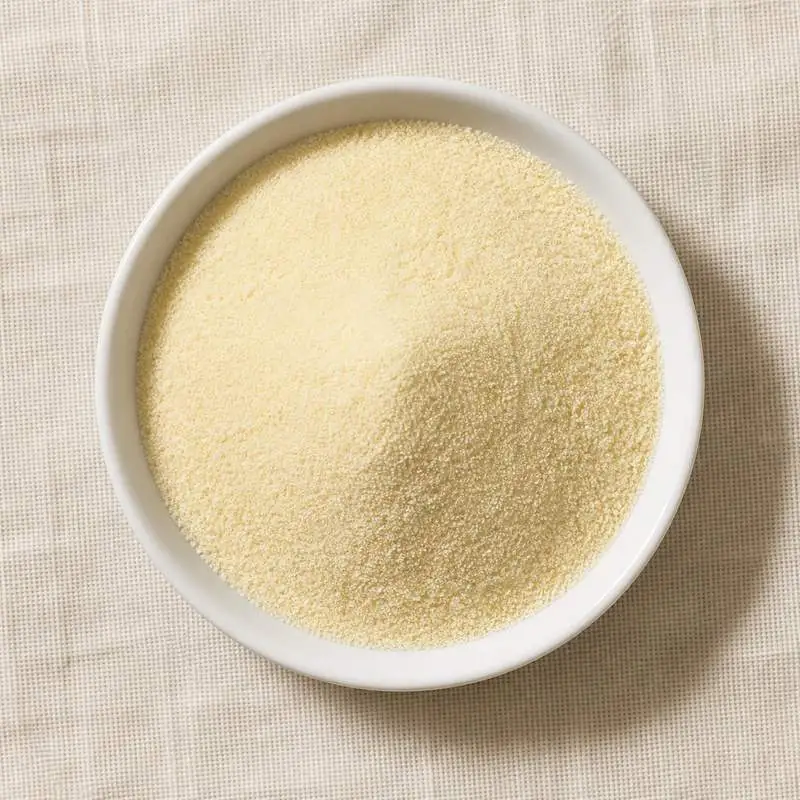
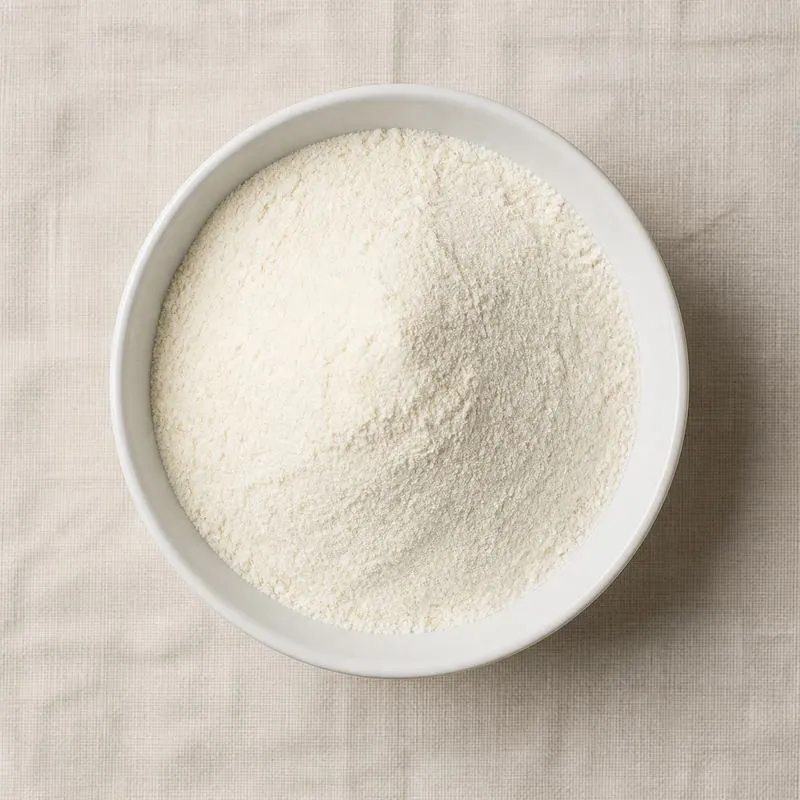
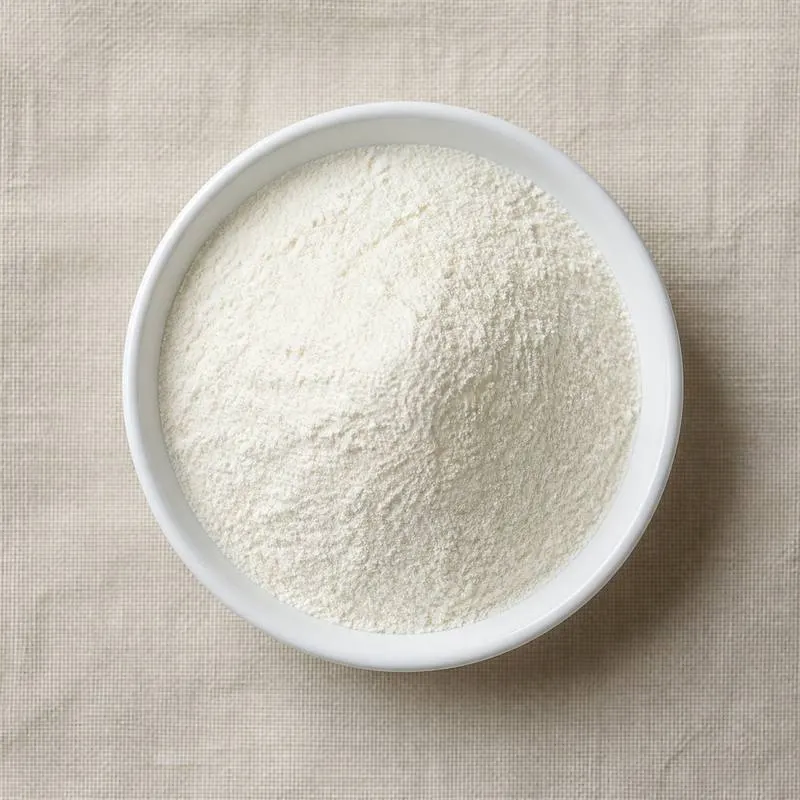
The powder is white to light yellow, essentially odourless when properly deodorised, and dissolves completely and instantly in cold or hot water to a clear low viscosity solution with no gelling. It is stable from pH 3 to 7 and through pasteurisation and retort, so it can be dosed into clear acid beverages, and hydroxyproline serves as its identity marker and assay basis in the same way as for any collagen peptide.
We source bulk Ocean Fish Bone Collagen Oligopeptide from top China manufacturers for our partners. The manufacturer is in Shandong. A smaller requirement can ship in a combined container with other ingredients.
Please send the grade you need, the volume and your destination port, and we will come back with a solution and a price.
or call +86-21-6858 0751
- Function
- Protein
Specifications
| Item | Specification |
|---|---|
| Appearance | White to light yellow fine powder |
| Odour and Taste | Practically odourless and bland, free from fishy notes |
| Protein (N x 5.55, dry basis) | Minimum 90.0% |
| Hydroxyproline | Minimum 8.0% |
| Molecular Weight below 1000 Da | Minimum 85.0% |
| Loss on Drying | Maximum 7.0% |
| Ash | Maximum 3.0% |
| Fat | Maximum 0.5% |
| pH (1% solution) | 5.0 to 7.0 |
| Transmittance (10% solution, 550 nm) | Minimum 90% |
| Lead | Maximum 0.5 mg/kg |
| Total Plate Count | Maximum 1,000 cfu/g |
| Yeast and Mould | Maximum 50 cfu/g |
| Escherichia coli and Salmonella | Absent in 25 g |
Common Markets Grades
Molecular weight is the defining specification, with true oligopeptide grades holding 85 percent or more of peptide mass below 1000 Daltons and standard collagen peptide grades sitting higher, between 1000 and 5000 Daltons. Buyers pay more for the lower distribution and verify it by gel permeation chromatography rather than accepting a nominal figure.
Source and co-composition form the second axis. Bone derived material is distinguished from skin and scale derived peptide on the certificate, and grades that retain a declared calcium content, sold as a collagen peptide calcium chelate, are specified separately from fully demineralised peptide. Sensory quality is specified as tightly as composition, since residual fish odour is the usual reason a lot is rejected. Deodorised and decolourised grades, processed with additional carbon and resin treatment, carry a described sensory result on the specification. Instantised granulations, halal and kosher certified lots, and species declared material for allergen management complete the range.
Applications
- Bone and joint supplements, where the calcium binding behaviour of short collagen peptides is the positioning
- Calcium fortified beverages and sachets, formulated as a peptide calcium chelate rather than an inorganic salt
- Beauty and skin positioned drinks, where full solubility and clarity in an acid base are required
- Collagen powders and stick packs taken in water, coffee or juice
- Capsule and tablet supplements, often combined with vitamin D, vitamin K and magnesium
- Elderly and post menopausal nutrition formats aimed at bone density support
- Sports nutrition products directed at connective tissue and recovery
- Functional gummies and jelly sticks, where the low viscosity does not disturb the gelling system
- Fortified dairy and yoghurt drinks in Asian functional ranges
- Cosmetic and hair care formulations using small marine peptides for film forming and conditioning
China Manufacturers of Ocean Fish Bone Collagen Oligopeptide
Top Ocean Fish Bone Collagen Oligopeptide manufacturers in China.

Company names and logos are the property of the manufacturers themselves. They are listed here because our own directory records them as producing this ingredient. A listing is not an endorsement by them, and we do not represent them or speak on their behalf.
Regulatory Status
In the United States collagen peptides from fish are conventional food ingredients used under good manufacturing practice, with several collagen hydrolysates supported by generally recognised as safe conclusions for food use, and supplement applications falling under the Dietary Supplement Health and Education Act. Fish is a major food allergen named in the Food Allergen Labelling and Consumer Protection Act, so the species must be declared, and imported material is subject to the seafood hazard analysis and critical control point requirements applying to fishery products. Where a calcium content is declared, the nutrient labelling and any nutrient content claim must satisfy the general labelling rules.
In the European Union collagen for human consumption is manufactured under the specific hygiene rules for products of animal origin, which set out permitted raw materials, treatment conditions and traceability, with particular provisions for fishery raw material. Hydrolysates of collagen from established food species are food ingredients rather than novel foods and carry no E number, although a preparation presented as a distinct calcium chelate should be documented against that position. Fish appears in Annex II of Regulation (EU) No 1169/2011 and must be emphasised in the ingredient list. Health claims about bones or skin may be made only where authorised on the European Union register, and none is currently authorised for collagen peptides, so European positioning relies on nutrition labelling. Codex has no additive specification for the material.
Manufacturing Process
Fish bone and frame recovered at filleting is washed and cleaned of adhering flesh and fat, then crushed. Demineralisation follows: the crushed bone is leached with dilute hydrochloric acid until the hydroxyapatite dissolves, leaving a soft collagenous ossein. The calcium rich acid liquor is neutralised and processed separately into a calcium co-product rather than discarded, which is a significant part of the economics of a bone line.
The ossein is washed to neutrality, then swollen in dilute alkali or acid to remove non collagenous protein and pigment, and washed again. That second washing is the step that most decides residual odour in the finished powder. Collagen is extracted with hot water at 55 to 70 degrees Celsius, a lower temperature than mammalian collagen requires, and the resulting gelatin solution is hydrolysed with food grade proteases, usually in two stages, to reach the target oligopeptide distribution. The enzymes are inactivated by heat, and the digest is filtered, decolourised and deodorised on activated carbon, desalted on ion exchange resin, and passed through nanofiltration, which is the membrane cut needed to hold a fraction this small while removing salts. The purified liquor is concentrated under vacuum, given a short high temperature sterilisation hold, and spray dried into a fine powder that is sieved, metal checked and packed.