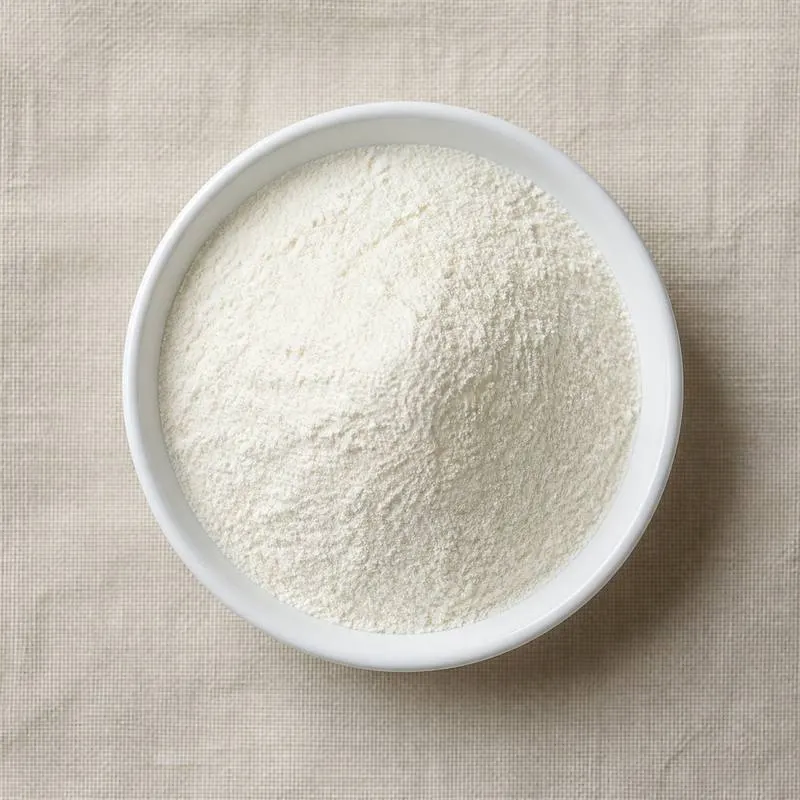
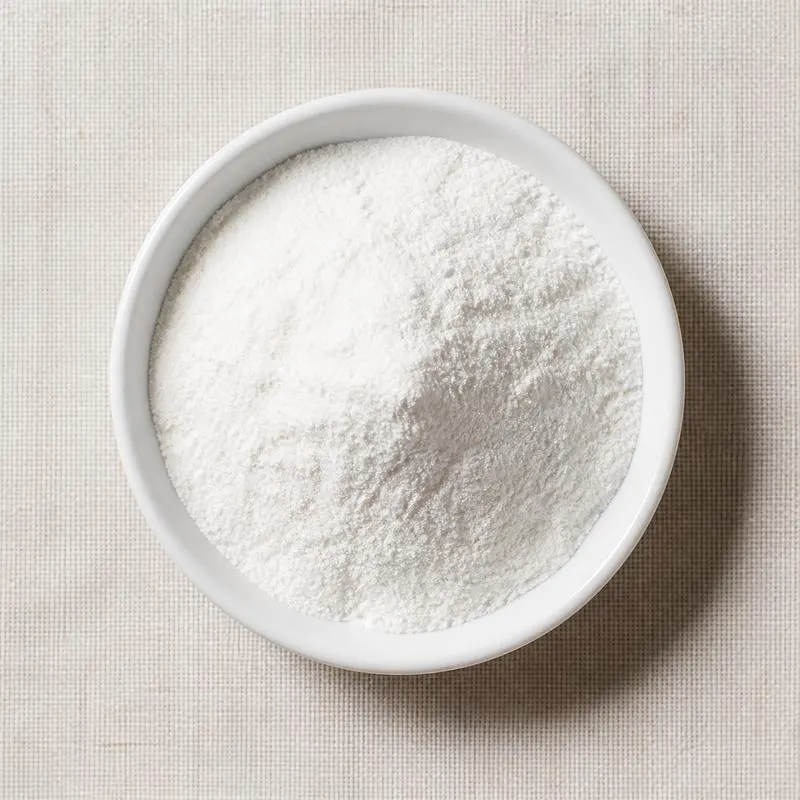
Gelatin
Gelatin is a partially hydrolysed form of collagen produced by controlled thermal extraction of bovine, porcine, or fish raw materials. It dissolves in warm water and sets to a thermoreversible gel on cooling, a property that has kept it in use in food and pharmaceutical manufacture for more than a century.
The protein consists of mixed-length polypeptide chains in the 50 to 250 kDa range, with the same Gly-X-Y backbone as parent collagen but without the intact triple helix.
We source bulk Gelatin from top China manufacturers for our partners, working with several of them. The manufacturers are mostly in Guangdong, Hebei and Henan. For this ingredient the minimum order is 500 kg and a 20-foot container takes 20 MT, and a smaller requirement can ship in a combined container with other ingredients.
Please send the grade you need, the volume and your destination port, and we will come back with a solution and a price.
or call +86-21-6858 0751
- Minimum order
- 500 kg
- Qty in 20' FCL
- 20 MT
- Packaging
- 25 kg kraft paper bag with PE inner liner
- Function
- Protein
- ISO 9001
- HACCP
- Halal
- Kosher
Specifications
| Item | Specification |
|---|---|
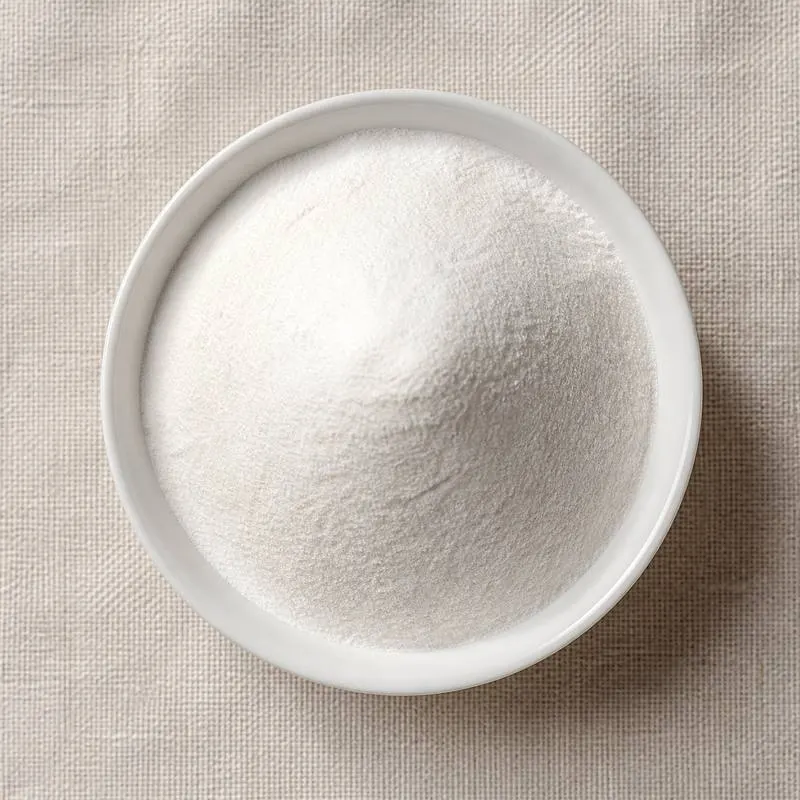
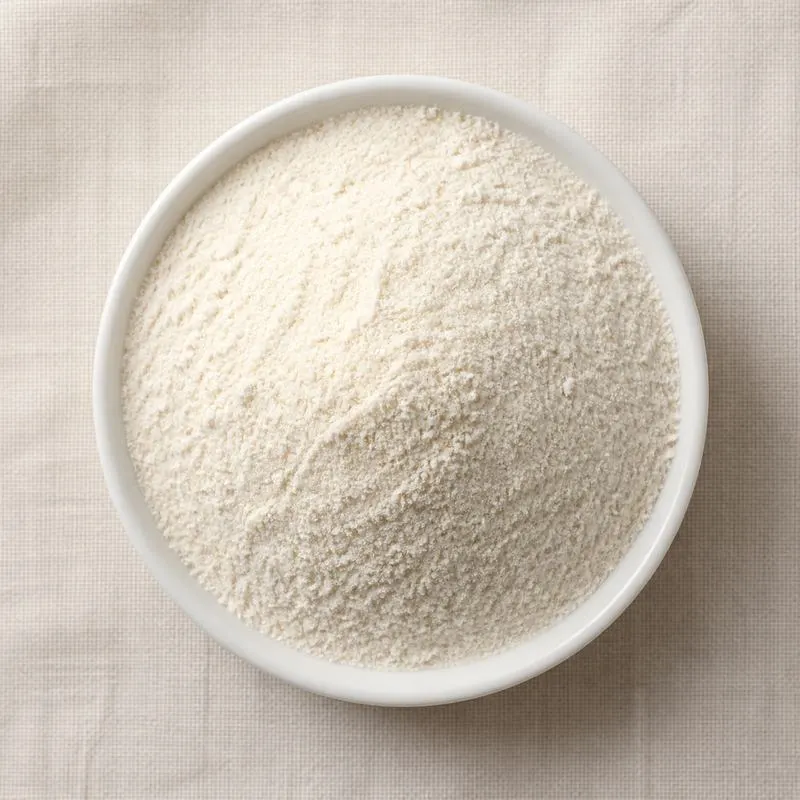
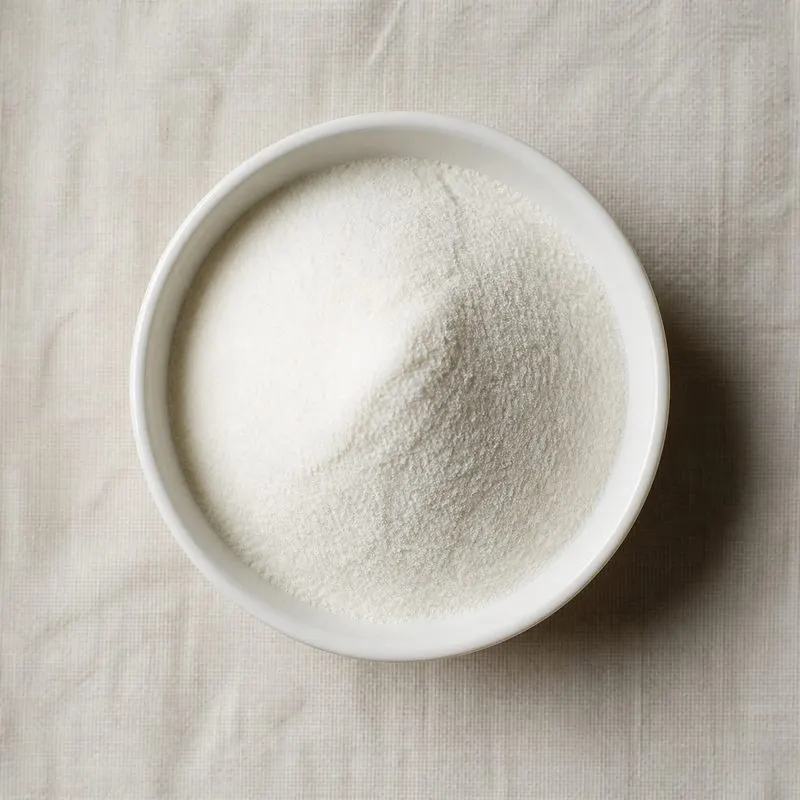
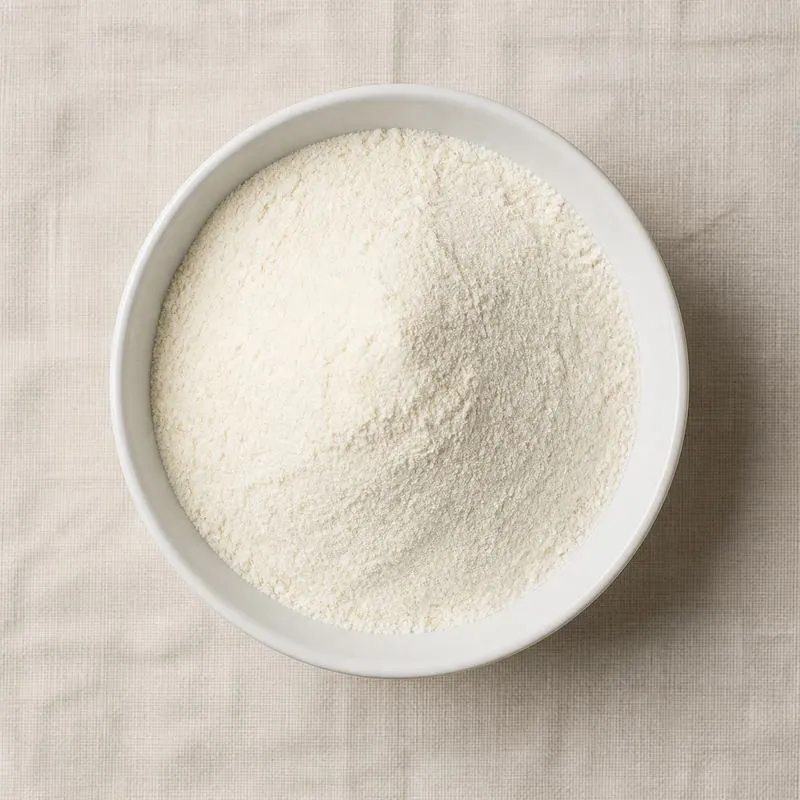
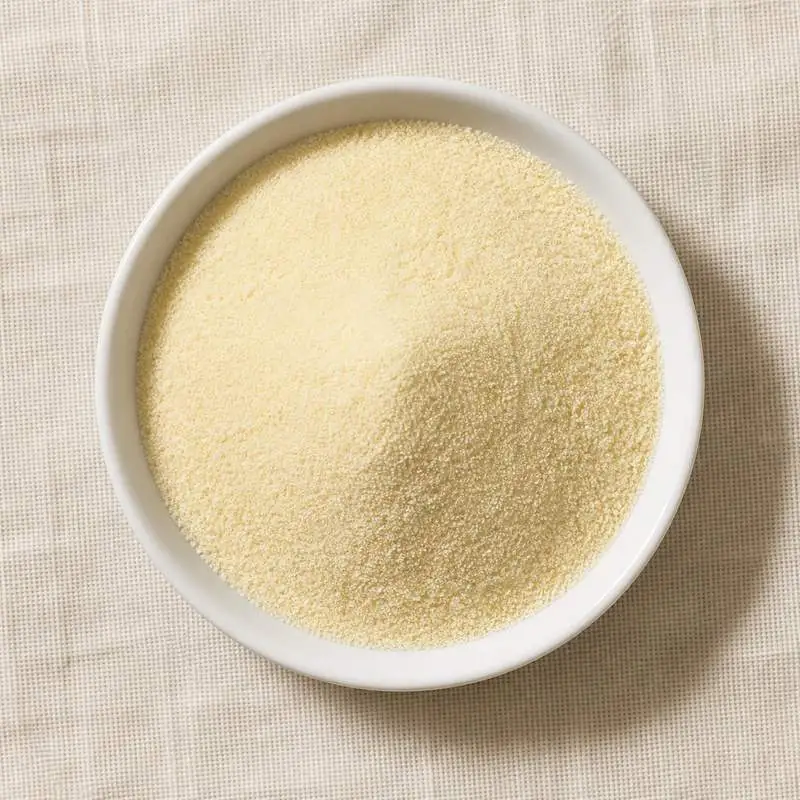
| Appearance | Light yellow to amber granules or powder |
| Protein content (Kjeldahl, N x 5.55, dry basis) | ≥ 84.0% |
| Bloom strength | 200 to 260 (customizable from 50 to 300) |
| Viscosity (6.67% at 60 °C) | 3.5 to 5.5 mPa·s |
| Moisture | ≤ 14.0% |
| Ash | ≤ 2.0% |
| pH (1% solution) | 5.0 to 7.0 (Type B), 4.5 to 6.5 (Type A) |
| Particle size | 8, 20, or 30 mesh, or per customer specification |
| Lead (Pb) | ≤ 1.5 mg/kg |
| Arsenic (As) | ≤ 0.8 mg/kg |
| Total plate count | ≤ 1,000 CFU/g |
| Salmonella | Absent in 25 g |
| Allergen statement | Free from the eight major U.S. allergens and the 14 EU declarable allergens. Contains bovine or porcine-derived material. |
| Source | Bovine hide or bone, or porcine skin; BSE-free certified for bovine |
Common Markets Grades
Gelatin is graded primarily by bloom strength, a measurement of gel firmness expressed in grams on a standard Bloom gelometer.
Low-bloom grades of 50 to 125 g are used where soft texture or rapid melt is wanted, such as marshmallow and certain pharmaceutical syrups. Medium-bloom grades of 150 to 220 g cover most confectionery, dairy desserts, and soft-capsule manufacture.
High-bloom grades of 240 to 300 g are reserved for premium gummies, hard capsules, and applications where minimum dose per gram of gel is needed.
Secondary grading axes include viscosity in millipascal-seconds, isoelectric point (Type A acid-process versus Type B alkaline-process), particle size, and source animal. Pharmaceutical gelatin is produced to USP, Ph. Eur., and JP monographs with tighter limits on heavy metals, microbiology, and endotoxins.
Applications
- Gummy confectionery, jelly beans, marshmallows, and licorice as the gelling and texturizing backbone
- Dairy desserts, mousses, panna cotta, and aerated whipped toppings
- Yogurt and cultured-milk stabilisation at low inclusion levels
- Meat and deli products including aspics, jellied hams, and pâté glazes
- Wine and juice fining as a positively charged clarifying agent
- Hard and soft pharmaceutical capsules for oral dosage forms
- Tablet binder and coating component in pharmaceutical compression
- Microencapsulation matrix for vitamins, flavours, and probiotic protection
- Hemostatic sponges and surgical sealants in medical devices
- Photographic film and silver-halide emulsions for archival imaging
- Cosmetic creams, hair-styling products, and nail treatments
- Animal-feed binders and pet-food gels
Brands Using Gelatin
Widely-distributed consumer products that list Gelatin on the ingredient label.
- Knox (Kraft Heinz)Knox Original Unflavored Gelatine ↗Knox Unflavoured Gelatine is sold in pre-measured envelopes (each gels 2 cups/500 mL of liquid) with no added sugar or artificial flavours. The brand site positions it for aspic, pate, terrines, panna cotta, jellies, marshmallows, ice creams and frozen yogurt.Label verified 2026-05-24
- Knox (Kraft Heinz)Knox Gelatin Cheesecake (recipe application) ↗Kraft Heinz's official Knox recipe portal uses Knox Unflavored Gelatine as the setting agent in its 'It's-a-Snap Gelatin Cheesecake', a representative no-bake dessert application of the brand's gelatin product.Label verified 2026-05-24
- Great Lakes WellnessBeef Gelatin (Grass-Fed) ↗A single-ingredient grass-fed bovine gelatin, 12 g per tablespoon and 37 servings per can, used for gummies, marshmallows, mousses and jams and as a thickener.Label verified 2026-05-24
Brand names, product names and logos are the property of their owners. They appear here as published evidence that the ingredient is used, taken from the brand's own label or website. Their appearance is not an endorsement, and it does not mean the brand buys from us or from any manufacturer listed on this site.
China Manufacturers of Gelatin
Top Gelatin manufacturers in China.
 Baotou Dongbao Bio-tech Co., Ltd.1 ingredient in the directory
 Fujian Funingpu Biotechnology Co., Ltd.2 ingredients in the directory
- Gansu Guangyuanlong Biotechnology Co., Ltd.4 ingredients in the directory
 GELITA Pingyang Gelatine Co., Ltd.2 ingredients in the directory
 Guangdong Audima Bio-tech Co., Ltd.3 ingredients in the directory
 Guangdong Wisheed Technology Co., Ltd.5 ingredients in the directory
 Hebei Gailiting Gelatin Co., Ltd.1 ingredient in the directory
 Henan E-king Gelatin Co., Ltd.1 ingredient in the directory
 Henan Yach Gelatin Co., Ltd.2 ingredients in the directory
 Shandong Hengxin Biological Technology Co., Ltd.4 ingredients in the directory
 Shandong Jiruite Gelatin Co., Ltd.4 ingredients in the directory
 Shijiazhuang Jinda Gelatin Co., Ltd.1 ingredient in the directory
Company names and logos are the property of the manufacturers themselves. They are listed here because our own directory records them as producing this ingredient. A listing is not an endorsement by them, and we do not represent them or speak on their behalf.
How We Help Source Gelatin
Direct Factory Sourcing
We run the whole process: selecting the manufacturer from the top Chinese food ingredient producers, negotiating the price, verifying quality, and coordinating the logistics. You deal with us instead of with several factories at once.
Original Packaging and Documents from the Manufacturer
The manufacturer sends your Gelatin out of its own factory in the original packing, through to your destination port. The COA, COO, MSDS, TDS and any certifications reach you from the manufacturer as well.
Free Samples and Lead Time
We send 100 to 500 g free for your own laboratory to test and you cover only the courier, usually within 2 to 3 working days. ETD is usually within 7 to 15 days once the order is confirmed, and we check that date against the factory's own manufacturing schedule before we give it to you.
Combined Shipment
We can load Gelatin together with other ingredients such as Collagen Peptide, Soy Protein Isolate and Fish Collagen Peptide into one 20' FCL. If your quantity is small, we can also ship LCL.
Regulatory Status
Gelatin is regulated as a food ingredient and as a pharmaceutical excipient rather than as an additive in most markets.
The U.S. Food and Drug Administration treats edible gelatin as generally recognized as safe when produced from clean, sound animal tissues under good manufacturing practice. USP monographs cover pharmaceutical gelatin.
In the European Union Regulation EC 853/2004 on the hygiene of food of animal origin governs edible gelatin, with detailed source-material restrictions for bovine raw materials under the BSE control framework. Ph. Eur. monographs apply to pharmaceutical and capsule grades.
Halal and kosher certification is widely available for fish and approved-bovine streams. JECFA has not assigned a numerical ADI because gelatin is treated as a food rather than an additive.
Manufacturing Process
Production starts with selection and cleaning of collagen-rich raw material, typically bovine hide split, porcine skin, demineralized bovine bone (ossein), or fish skin.
Type B gelatin uses an alkaline lime soak that runs for several weeks and yields an isoelectric point near pH 5. Type A gelatin uses a shorter acid soak with mineral acids and yields an isoelectric point near pH 8 to 9. Bones are first decalcified with dilute hydrochloric acid to free the ossein.
The conditioned raw material is washed to neutral pH and extracted in successive hot-water passes at rising temperatures from about 55 to 95 degrees Celsius. Each pass yields a fraction with a characteristic bloom and viscosity, with early fractions giving the highest bloom.
The combined extract is filtered, deionized, concentrated under vacuum, sterilised, chilled into a gel, dried on belt or net dryers, milled, and blended to meet specification.