Soy Protein Isolate
Soy protein isolate is the most refined commercial soy protein, containing at least 90 percent protein on a dry, moisture free basis. It is produced from defatted soy flakes by dissolving the protein at alkaline pH, separating it from the insoluble carbohydrate, then precipitating it at its isoelectric point near pH 4.5. Soluble sugars, oligosaccharides and most of the dietary fibre are removed in the process, which is what distinguishes an isolate from a soy protein concentrate at around 70 percent protein.
The protein is dominated by two storage globulins, glycinin and beta-conglycinin, and their behaviour decides how the ingredient functions. Both denature and aggregate on heating, forming a gel network, and both are surface active, which gives emulsification and foaming. The amino acid profile is complete for human requirements, with lysine well represented and the sulphur amino acids methionine and cysteine as the limiting ones.
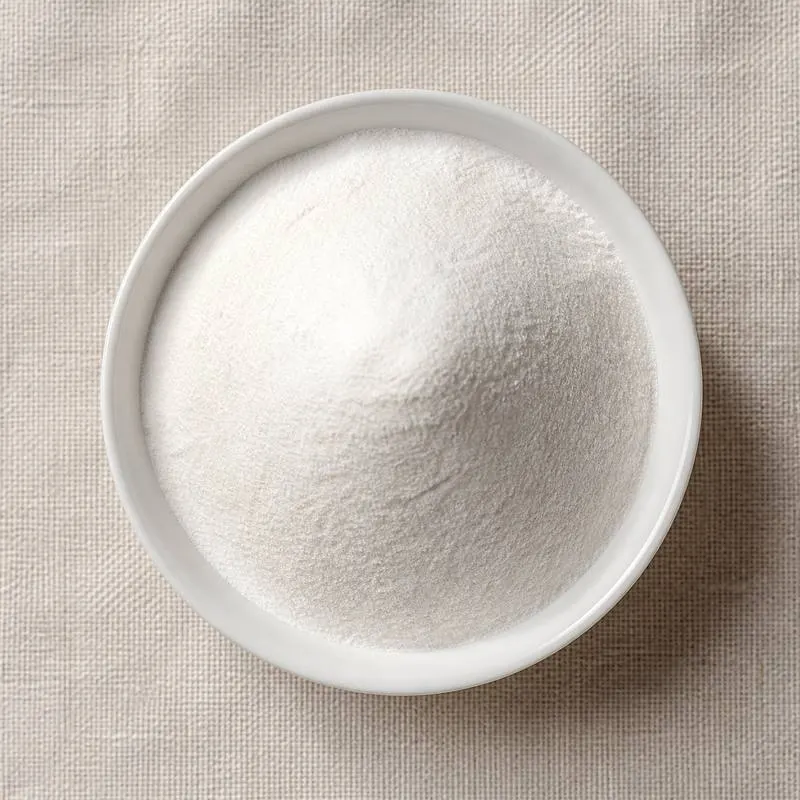
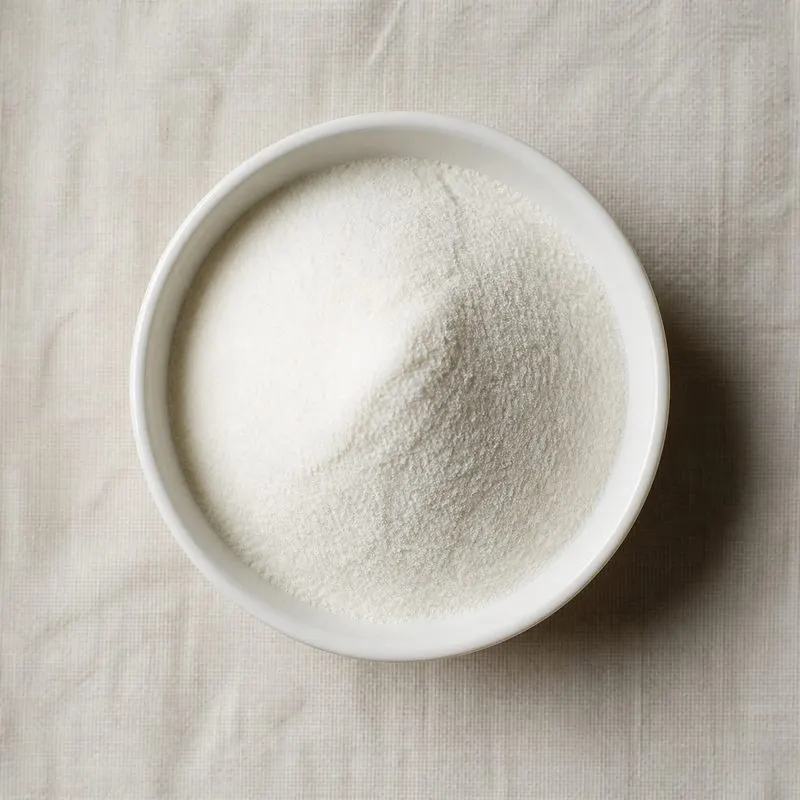
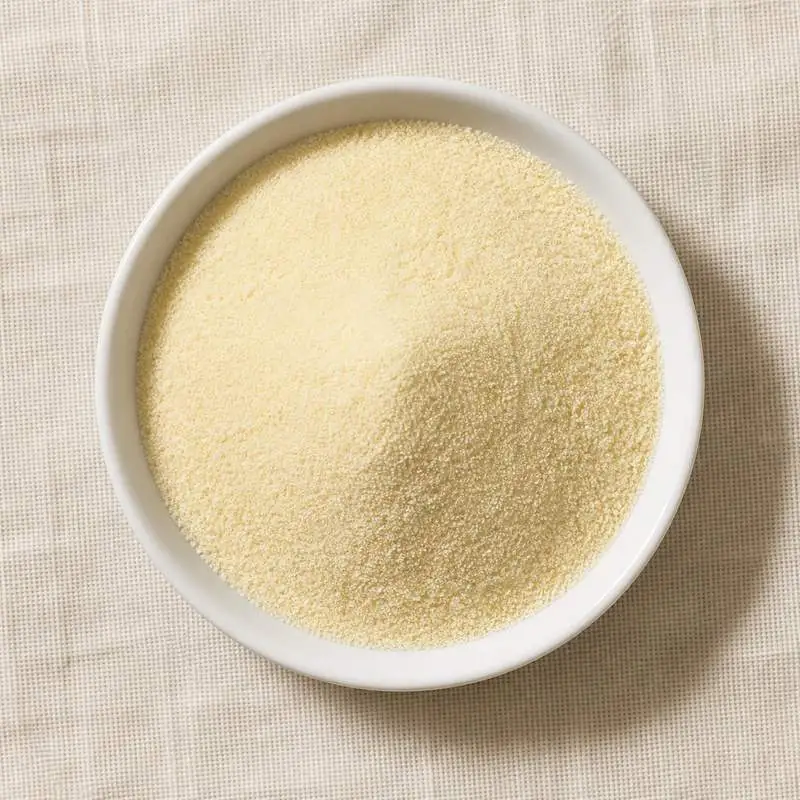
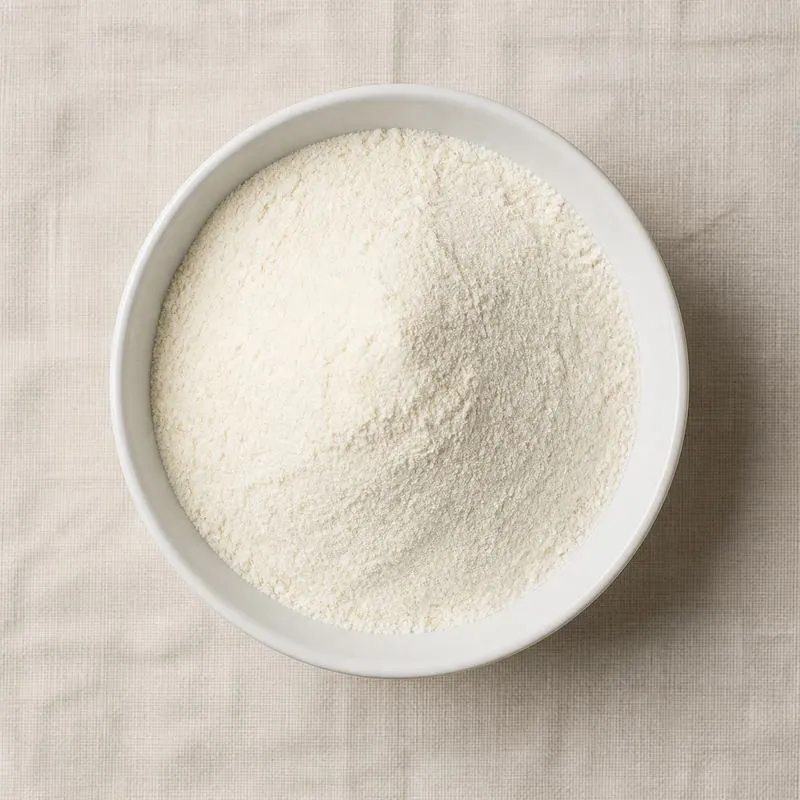
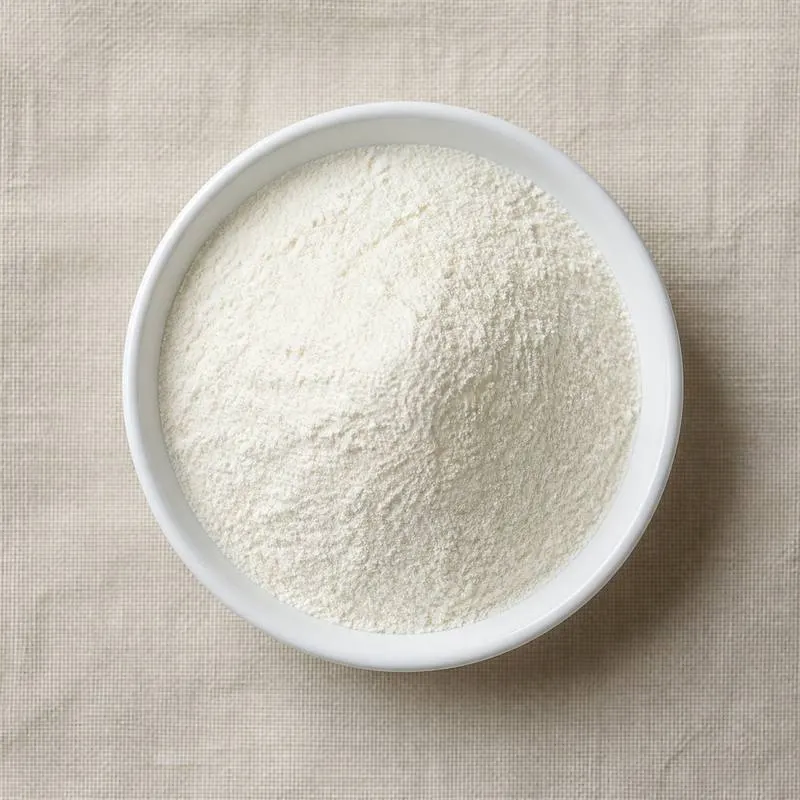
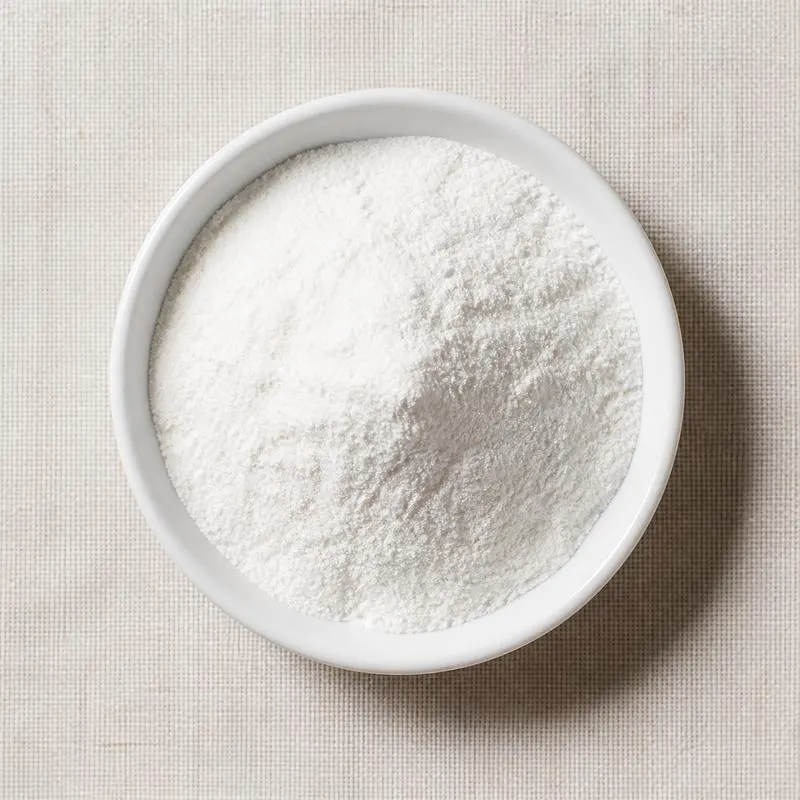
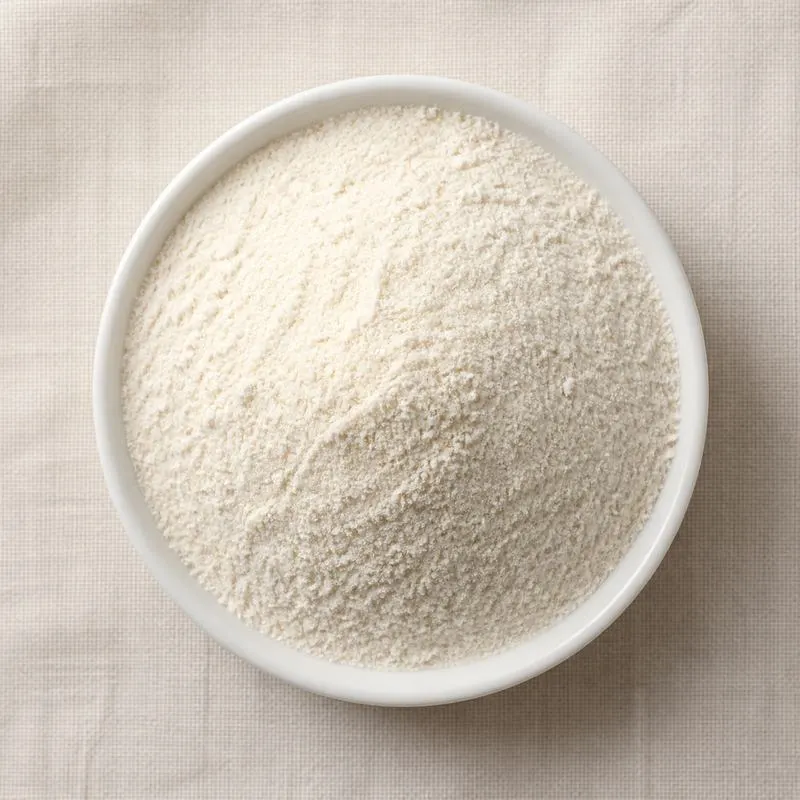
It is a light cream to pale beige fine powder at 5 to 7 percent moisture with a bland, faintly beany flavour. Solubility depends on pH and on how the material was processed: it is largely insoluble near the isoelectric point around pH 4.5 and dissolves increasingly as the pH moves either side of that, so a neutral pH beverage and an acidic one need different grades.
We source bulk Soy Protein Isolate from top China manufacturers for our partners, working with several of them. The manufacturers are mostly in Shandong, Beijing and Guangdong. A smaller requirement can ship in a combined container with other ingredients.
Please send the grade you need, the volume and your destination port, and we will come back with a solution and a price.
or call +86-21-6858 0751
- Function
- Protein
Specifications
| Item | Specification |
|---|---|
| Appearance | Light cream to pale beige fine powder |
| Odour and Taste | Bland, faintly beany, free from rancid notes |
| Protein, N x 6.25, dry basis | ≥ 90.0% |
| Moisture | ≤ 7.0% |
| Fat | ≤ 1.0% |
| Ash | ≤ 6.0% |
| Crude Fibre | ≤ 0.5% |
| pH, 10% dispersion | 6.8 to 7.5, per grade |
| Nitrogen Solubility Index | Per declared grade |
| Particle Size | ≥ 95% through 100 mesh |
| Urease Activity | ≤ 0.3 pH rise |
| Lead | ≤ 1.0 mg/kg |
| Arsenic | ≤ 1.0 mg/kg |
| Total Plate Count | ≤ 10,000 CFU/g |
| Yeast and Mould | ≤ 100 CFU/g |
| E. coli | Absent in 1 g |
| Salmonella | Absent in 25 g |
Common Markets Grades
Isolates are traded by function rather than by assay, since almost every grade meets the same 90 percent protein minimum. The main functional families are gelling grades, which form a firm heat set gel and are used in meat and analogue systems; emulsifying grades, which stabilise fat in comminuted products; dispersible or instantised grades, agglomerated so they wet out without lumping in beverages; and acid soluble grades processed to stay in solution below pH 4, which is what clear protein drinks require.
Viscosity is separately specified, since a high viscosity isolate builds body in a meat batter while a low viscosity one is needed to keep a ready to drink beverage pourable at high protein loading. Beyond that, non-GMO and identity preserved grades, organic certified material, and hydrolysed isolates carrying a declared degree of hydrolysis for reduced viscosity and faster absorption are all traded. Kosher and halal documentation is standard.
Applications
- Sports and clinical nutrition powders, where the complete amino acid profile supports a protein claim
- Ready to drink protein beverages, using instantised neutral grades or acid soluble grades according to the pH
- Meat analogues and plant based patties, where the gelling grades build fibrous structure and bind fat and water
- Injected and emulsified meat products, where the isolate binds water and stabilises fat in the batter
- Nutrition bars, contributing protein content while the grade is chosen to limit hardening over shelf life
- Infant formula on a soy base, as the sole protein source for infants who cannot take cow milk protein
- Bakery products, improving water binding and crumb softness and raising protein content
- Non-dairy creamers, whipped toppings and frozen desserts, which use the emulsifying and foaming behaviour
- Soups, sauces and dressings, as an emulsifier and viscosity builder
- Extruded texturised protein, where isolate is blended with concentrate to raise the protein content of the extrudate
Brands Using Soy Protein Isolate
Widely-distributed consumer products that list Soy Protein Isolate on the ingredient label.
- AtkinsCreamy Vanilla Protein Shake ↗Ready to drink shake whose ingredient statement lists soy protein isolate third, after water and milk protein concentrate.Label verified 2026-08-31
- think!High Protein Bar, Creamy Peanut Butter ↗Bar built on a protein blend that names soy protein isolate first, ahead of calcium caseinate and whey protein isolate.Label verified 2026-08-31
- think!High Protein Bar, Girl Scouts Thin Mints ↗Bar that uses soy protein isolate both in its protein blend and in the cocoa soy crisps.Label verified 2026-08-31
Brand names, product names and logos are the property of their owners. They appear here as published evidence that the ingredient is used, taken from the brand's own label or website. Their appearance is not an endorsement, and it does not mean the brand buys from us or from any manufacturer listed on this site.
China Manufacturers of Soy Protein Isolate
Top Soy Protein Isolate manufacturers in China.
- Cofco Biotech (Beijing) Co., Ltd.4 ingredients in the directory
 Dezhou Gushen Protein Technology Co., Ltd.6 ingredients in the directory
 Dezhou Ruikang Bio Technology Co., Ltd.(德州瑞康生物科技有限公司)3 ingredients in the directory
 Gaotang Lufaxinde Biotechnology Co., Ltd.8 ingredients in the directory
- Guanxian Ruichang Trading Co.,Ltd.(冠县瑞昌贸易有限公司)1 ingredient in the directory
 Hisoya Biotechnology (Guangdong) Co., Ltd.(海莎生物科技(广东)有限公司)6 ingredients in the directory
 Linyi Shansong Biological Products Co., Ltd.4 ingredients in the directory
 Pingdingshan Tianjing Plant Albumen Co., Ltd.1 ingredient in the directory
 Shandong Sinoglory Health Food Co., Ltd.6 ingredients in the directory
 Shandong Wonderful Biotech Co., Ltd.8 ingredients in the directory
 Shandong Yuwang Ecological Food Industry Co., Ltd.3 ingredients in the directory
 Shandong Yuxin Bio-tech Co., Ltd.8 ingredients in the directory
- Suihua Jin Long Vegetable.oil.Co., Ltd.4 ingredients in the directory
 Sun-green Bio-tech Co., Ltd.1 ingredient in the directory
 Wachsen Industry Co., Ltd.4 ingredients in the directory
Company names and logos are the property of the manufacturers themselves. They are listed here because our own directory records them as producing this ingredient. A listing is not an endorsement by them, and we do not represent them or speak on their behalf.
Regulatory Status
In the United States soy protein isolate is generally recognised as safe for use in food and appears in the Food and Drug Administration's regulations on substances used in food. Soy is one of the major food allergens requiring declaration under the food allergen labelling requirements, so its presence must be stated plainly on the label. The agency authorised a health claim linking soy protein intake to reduced risk of coronary heart disease and subsequently proposed to revoke it, moving the relationship toward a qualified health claim, so the current status of that claim should be checked before it is used.
In the European Union soy protein isolate is a food ingredient rather than a food additive, so it carries no E number. Soybeans and products thereof appear in the list of substances causing allergies or intolerances that must be emphasised in the ingredient list under the food information regulation. Its use in infant and follow-on formula is subject to the delegated regulation for those products, which sets a minimum protein content and compositional requirements for soy based formula. Codex Alimentarius covers the material in its General Standard for Soy Protein Products, which defines soy protein isolate by a minimum protein content of 90 percent on a moisture free basis and sets out the associated quality and labelling requirements.
Manufacturing Process
Production starts from white flakes, that is, dehulled soybeans that have been flaked and desolventised at low temperature after hexane extraction of the oil, so that the protein remains largely undenatured and therefore still soluble. The flakes are mixed with water and the pH raised to roughly 8 to 9 with dilute alkali, which dissolves the storage globulins along with the soluble sugars while leaving the insoluble polysaccharide behind. The slurry is held, then separated by decanter centrifuge into a protein bearing extract and an insoluble residue known as spent flake or okara, which goes to feed.
The clarified extract is then acidified with hydrochloric or phosphoric acid to pH 4.5, the isoelectric point at which the globulins carry no net charge and precipitate as a curd, leaving the sugars and oligosaccharides in the whey. The curd is recovered by centrifugation and washed to remove residual soluble solids. Most grades are then neutralised with sodium or potassium hydroxide to give the more soluble proteinate form, though an isoelectric grade is left unneutralised where low sodium is required. The neutralised slurry is pasteurised, homogenised, and spray dried, and instantised grades are then agglomerated in a fluidised bed. Each lot is assayed for protein, moisture, ash, and the functional properties, solubility, viscosity, gel strength and emulsion capacity, that define its grade.