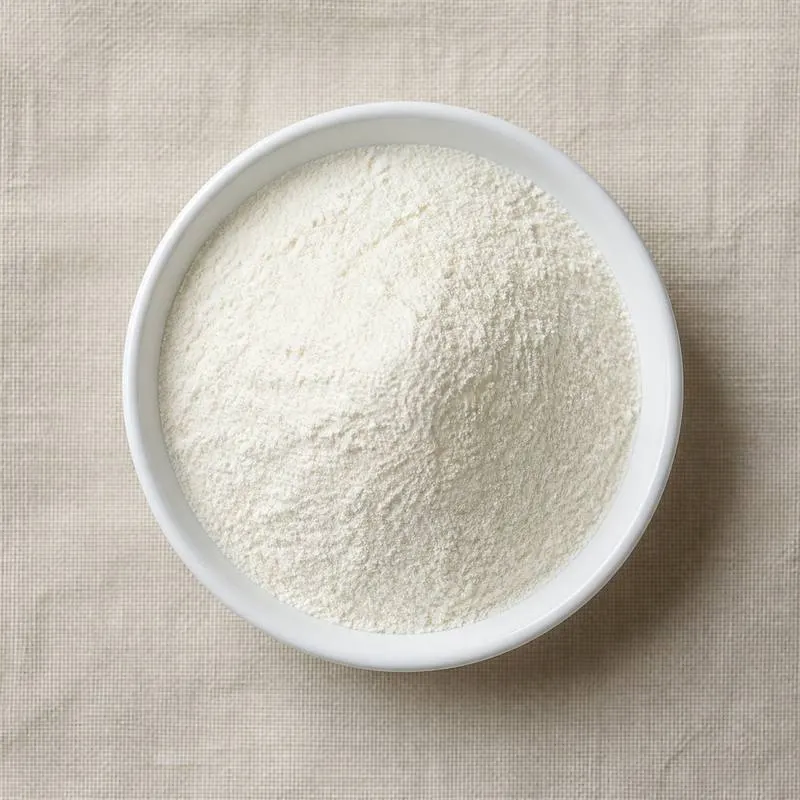
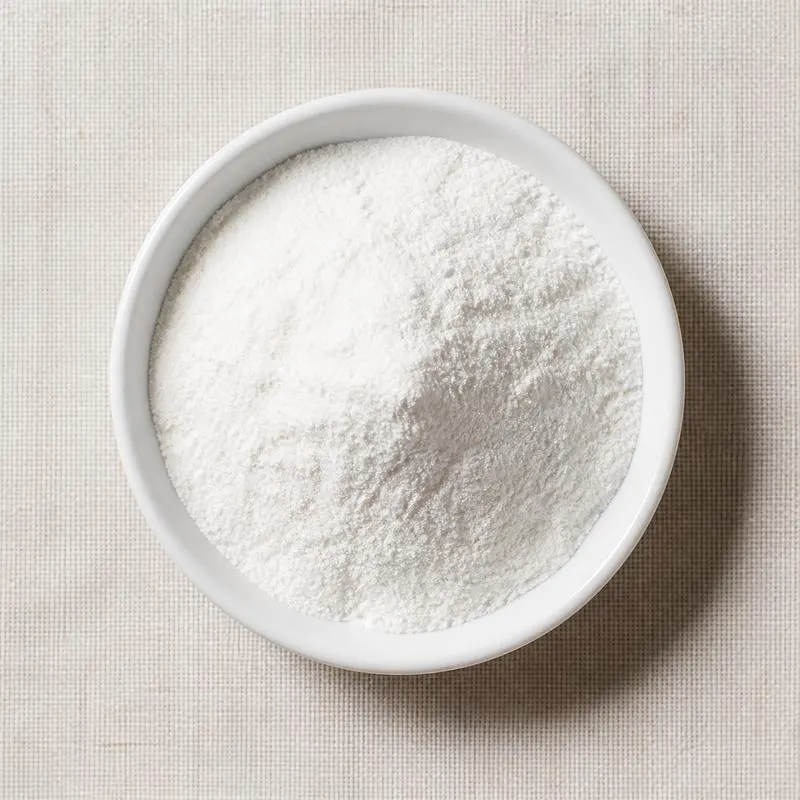
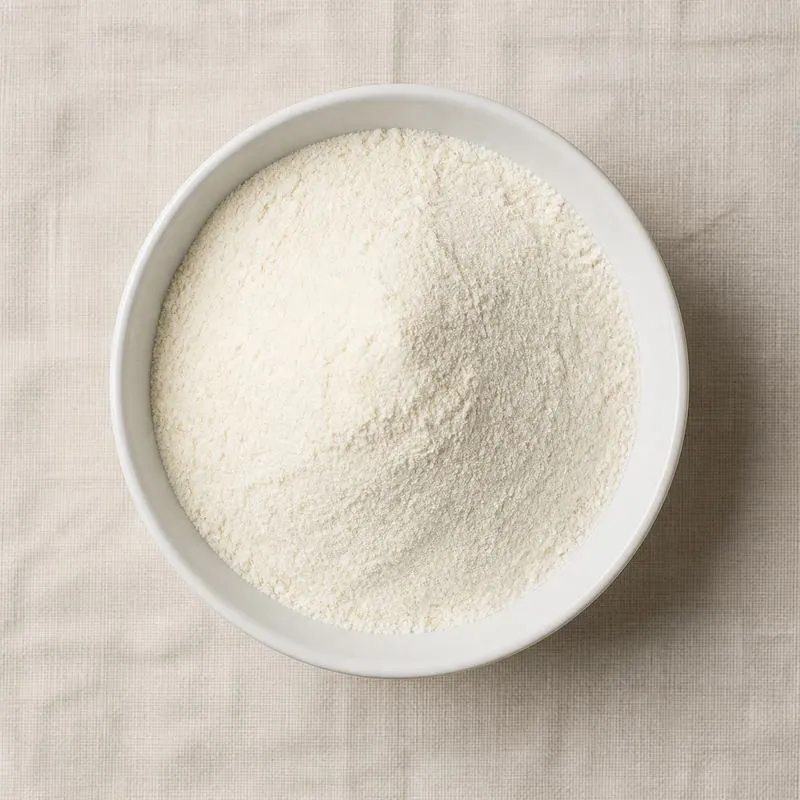
Soy Protein Concentrate
Soy Protein Concentrate is the intermediate tier of commercial soy protein, sitting between defatted soy flour at around 50 percent protein and soy protein isolate at 90 percent or higher. The abbreviation SPC is used industrially.
It carries 65 to 72 percent protein on a moisture-free basis. Production removes the soluble carbohydrates of defatted flakes, mainly the oligosaccharides raffinose and stachyose, while keeping the protein and the insoluble dietary fibre in place.
We source bulk Soy Protein Concentrate from top China manufacturers for our partners, working with several of them. The manufacturers are in Shandong and Heilongjiang. For this ingredient the minimum order is 500 kg and a 20-foot container takes 13 MT, and a smaller requirement can ship in a combined container with other ingredients.
Please send the grade you need, the volume and your destination port, and we will come back with a solution and a price.
or call +86-21-6858 0751
- Minimum order
- 500 kg
- Qty in 20' FCL
- 13 MT
- Packaging
- 25 kg kraft paper bag with PE inner liner
- Function
- Protein
- ISO 9001
- HACCP
- Halal
- Kosher
Specifications
| Item | Specification |
|---|---|
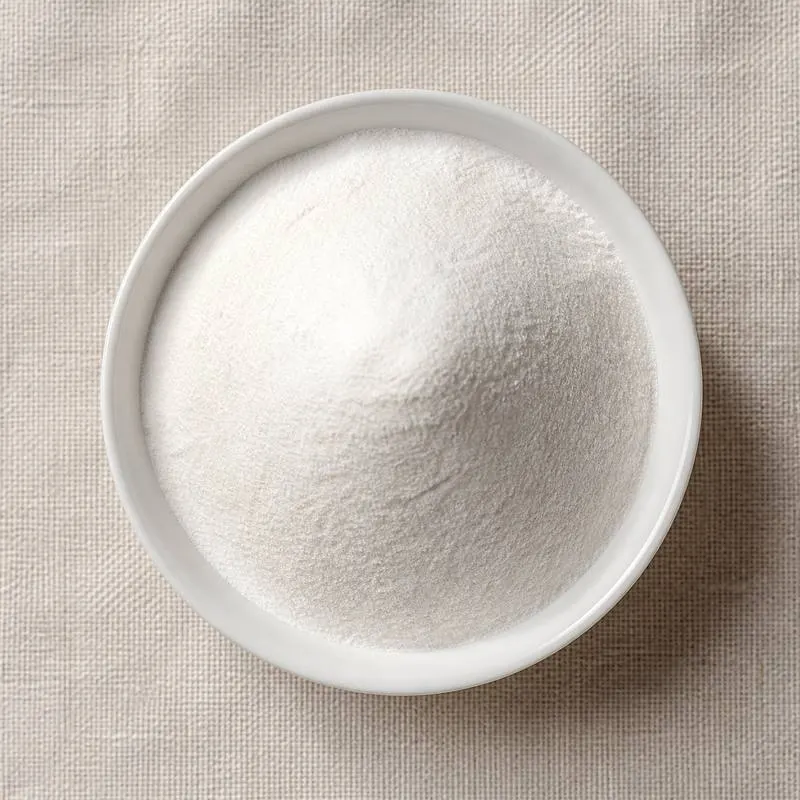
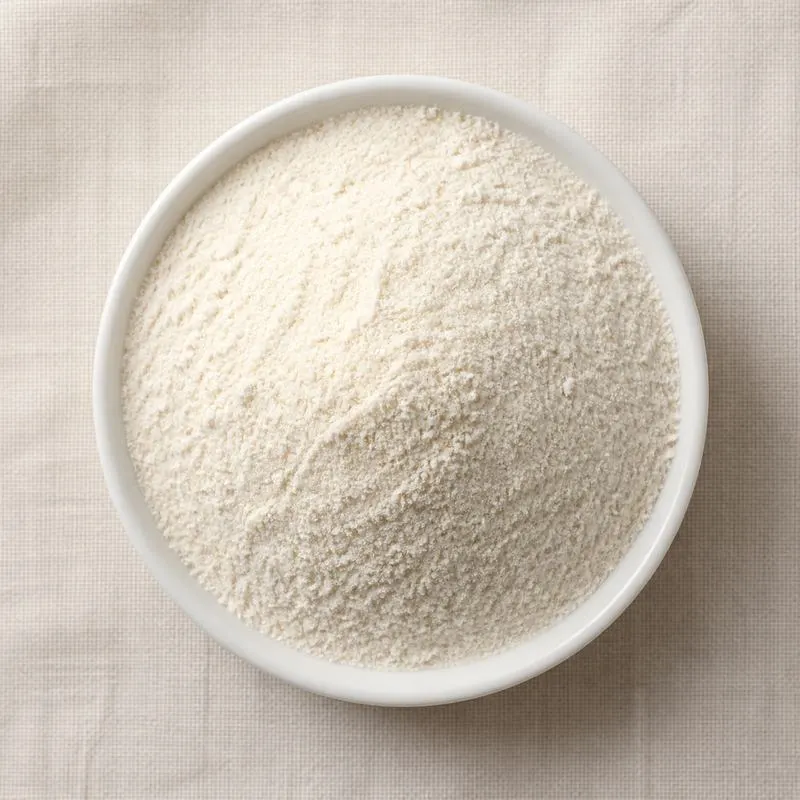
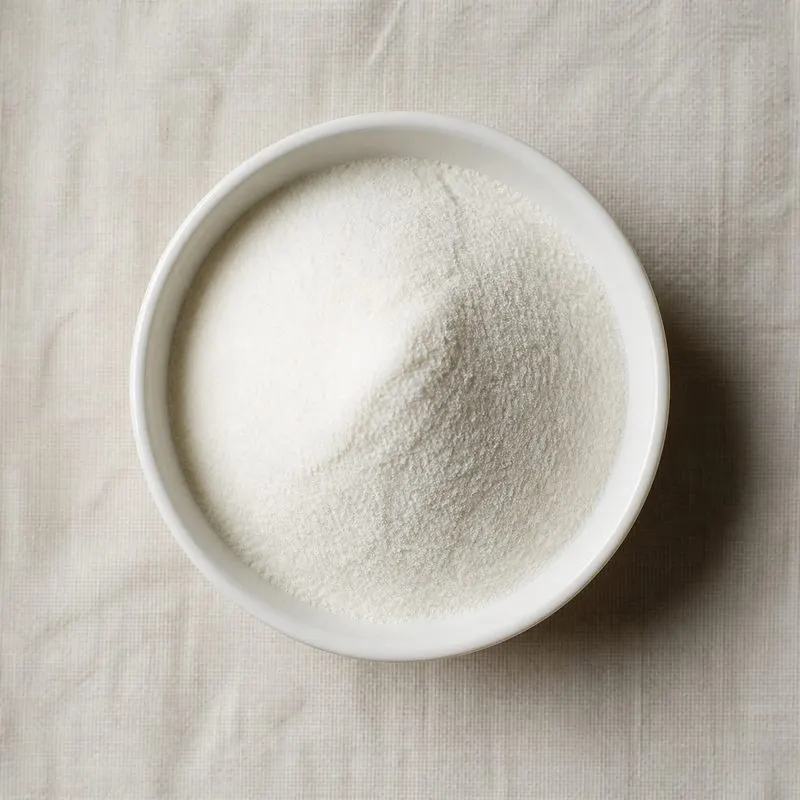
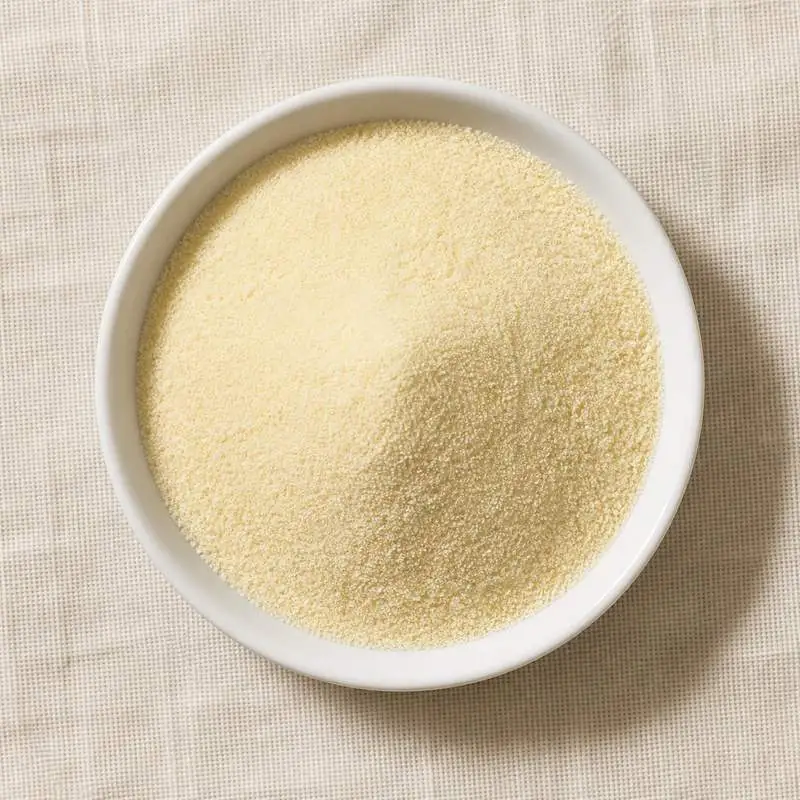
| Appearance | Light cream to tan free-flowing powder |
| Protein content (Kjeldahl, N x 6.25, dry basis) | ≥ 65.0% to 70.0% |
| Moisture | ≤ 8.0% |
| Fat | ≤ 1.0% |
| Ash | ≤ 7.0% |
| Crude fiber | ≤ 5.0% |
| Particle size | 95% through 80 mesh, or per customer specification |
| Lead (Pb) | ≤ 0.5 mg/kg |
| Arsenic (As) | ≤ 0.5 mg/kg |
| Residual ethanol | Meets FCC and EU residual-solvent limits |
| Total plate count | ≤ 30,000 CFU/g |
| Salmonella | Absent in 25 g |
| Allergen statement | Contains soy. |
| Source | Defatted soybean (Glycine max), non-GMO available |
Common Markets Grades
Soy Protein Concentrate falls into several functional and process-defined tiers.
Alcohol-washed SPC, also called traditional SPC, is the dominant commercial grade. Aqueous ethanol leaching removes the soluble carbohydrates and most of the flavour-active off-notes, yielding a bland, light-coloured, low-isoflavone powder. The protein is largely denatured by the alcohol contact.
Acid-leached SPC is produced by washing the flakes at pH 4.5, the isoelectric point of soy protein. The protein is retained as an insoluble curd while sugars are washed out. The product keeps most of the native protein structure and the isoflavone content.
Hot-water-leached SPC is produced from heat-denatured flakes whose proteins are insoluble in water. Soluble sugars are washed out while protein and fibre are retained.
Functional SPC is alcohol-washed material that has been re-solubilised by alkaline treatment and reprecipitated or jet-cooked to restore solubility and gelling power. It bridges the gap toward isolate performance at a lower price point.
Textured Soy Protein Concentrate (TSPC) is extrusion-cooked into chunks, mince, or strips for plant-based meat use.
Applications
- Plant-based meat analogues, especially textured chunks, mince, and strips
- Meat extenders and binders in burgers, sausages, and meatballs
- Processed and emulsified meats for fat binding and yield
- Bakery enrichment of breads, tortillas, and pastas
- Cereal bars, snack bars, and high-protein cookies
- Sports-nutrition powders and meal replacers
- Infant formula in soy-based vegetarian variants
- Aquaculture feed, especially for salmon, trout, and shrimp
- Calf, piglet, and young-animal milk replacers
- Pet food for protein density and palatability
- Plant-based dairy analogues including non-dairy yogurts and cheese
- Soup, gravy, and sauce body builders
Brands Using Soy Protein Concentrate
Widely-distributed consumer products that list Soy Protein Concentrate on the ingredient label.
- MorningStar FarmsSteakhouse Style Burger ↗Steakhouse Style Burger ingredient panel lists soy protein concentrate as the second ingredient (after water), with soy protein isolate also present.Label verified 2026-05-24
- MorningStar FarmsGarden Veggie Burgers ↗Garden Veggie Burgers ingredient panel lists soy protein concentrate as a primary ingredient, with soy protein isolate also included.Label verified 2026-05-24
- Boca (Kraft Heinz)Boca Original Vegan Veggie Burgers ↗Boca Original Vegan Veggie Burger ingredient panel lists soy protein concentrate as the primary protein source alongside wheat gluten.Label verified 2026-05-24
- Clif BarBuilders Chocolate Peanut Butter Protein Bar ↗Clif Builders Chocolate Peanut Butter ingredient panel lists Organic Soy Protein Concentrate as a protein source alongside Soy Protein Isolate, providing 20 g protein per bar.Label verified 2026-05-24
Brand names, product names and logos are the property of their owners. They appear here as published evidence that the ingredient is used, taken from the brand's own label or website. Their appearance is not an endorsement, and it does not mean the brand buys from us or from any manufacturer listed on this site.
China Manufacturers of Soy Protein Concentrate
Top Soy Protein Concentrate manufacturers in China.
 Dezhou Gushen Protein Technology Co., Ltd.6 ingredients in the directory
 Dezhou Ruikang Bio Technology Co., Ltd.(德州瑞康生物科技有限公司)3 ingredients in the directory
 Linyi Shansong Biological Products Co., Ltd.4 ingredients in the directory
 Shandong Sanwei Soybean Protein Co., Ltd.4 ingredients in the directory
 Shandong Sinoglory Health Food Co., Ltd.6 ingredients in the directory
 Shandong Wonderful Biotech Co., Ltd.8 ingredients in the directory
 Shandong Yuwang Ecological Food Industry Co., Ltd.3 ingredients in the directory
 Shandong Yuxin Bio-tech Co., Ltd.8 ingredients in the directory
- Suihua Jin Long Vegetable.oil.Co., Ltd.4 ingredients in the directory
 Wachsen Industry Co., Ltd.4 ingredients in the directory
Company names and logos are the property of the manufacturers themselves. They are listed here because our own directory records them as producing this ingredient. A listing is not an endorsement by them, and we do not represent them or speak on their behalf.
How We Help Source Soy Protein Concentrate
Direct Factory Sourcing
We run the whole process: selecting the manufacturer from the top Chinese food ingredient producers, negotiating the price, verifying quality, and coordinating the logistics. You deal with us instead of with several factories at once.
Original Packaging and Documents from the Manufacturer
The manufacturer sends your Soy Protein Concentrate out of its own factory in the original packing, through to your destination port. The COA, COO, MSDS, TDS and any certifications reach you from the manufacturer as well.
Free Samples and Lead Time
We send 100 to 500 g free for your own laboratory to test and you cover only the courier, usually within 2 to 3 working days. ETD is usually within 7 to 15 days once the order is confirmed, and we check that date against the factory's own manufacturing schedule before we give it to you.
Combined Shipment
We can load Soy Protein Concentrate together with other ingredients such as Collagen Peptide, Soy Protein Isolate and Fish Collagen Peptide into one 20' FCL. If your quantity is small, we can also ship LCL.
Regulatory Status
Soy Protein Concentrate is recognised as a safe food ingredient worldwide.
In the United States it is GRAS under 21 CFR 184, and USDA Food Safety and Inspection Service standards of identity permit it as a meat extender, binder, and protein fortifier at defined inclusion levels.
Codex covers the category under CODEX STAN 174-1989 on vegetable protein products, with compositional and labelling rules tied to protein content tier.
The European Union treats conventional SPC as an ordinary food ingredient under the general food law. SPC from new sources or new processes may require notification under Regulation (EU) 2015/2283 on novel foods.
Soy allergen labelling is mandatory in the United States, the European Union, and most other major jurisdictions. GMO declarations apply in markets that require them.
Manufacturing Process
Soy Protein Concentrate is produced from the defatted soy flakes that leave the hexane-extraction stage of the soybean oil mill. The flakes already carry roughly 50 percent protein on a dry basis and the bulk of the native carbohydrate.
The leaching step is the heart of the process. Soluble carbohydrates, ash, and minor compounds must be removed while protein and insoluble fibre are retained. Three industrial routes share the global market.
The aqueous-alcohol route flushes the flakes with 60 to 80 percent ethanol-water at moderate temperature. The alcohol denatures the protein, holding it insoluble, while sugars and minor components dissolve out. The leached flakes are desolventized in stripping columns and dried.
The acid-leach route adjusts the flake slurry to pH 4.5 with food-grade acid. The protein flocculates at its isoelectric point while sugars stay in solution and are washed out by centrifugation and counter-current rinsing. The curd is neutralised lightly, dried, and ground.
The hot-water route uses pre-denatured flakes whose proteins are insoluble in water. Soluble sugars are simply washed away with hot water, then the residue is dried.
Functional grades add a re-solubilisation step in dilute alkali, followed by jet cooking and spray drying to restore solubility. Textured grades are extrusion-cooked from concentrate powder under high temperature, shear, and moisture.