Omega-3 Acid Ethyl Ester 90
Omega-3 acid ethyl esters 90 is a pharmaceutical grade preparation of the ethyl esters of eicosapentaenoic and docosahexaenoic acid, in which the combined content of the two is at least 90 percent of the total fatty acid esters. The designation follows the pharmacopoeial naming convention, where the number states the minimum combined EPA and DHA assay rather than the ratio between them.
The material is made from marine oil, but only after the natural triglycerides have been broken apart, the fatty acids re-attached individually to ethanol, and the resulting ester mixture fractionated to strip out saturated, monounsaturated and shorter chain esters. What remains is a narrow cut of two closely related highly unsaturated esters, plus the tocopherol added to protect it.
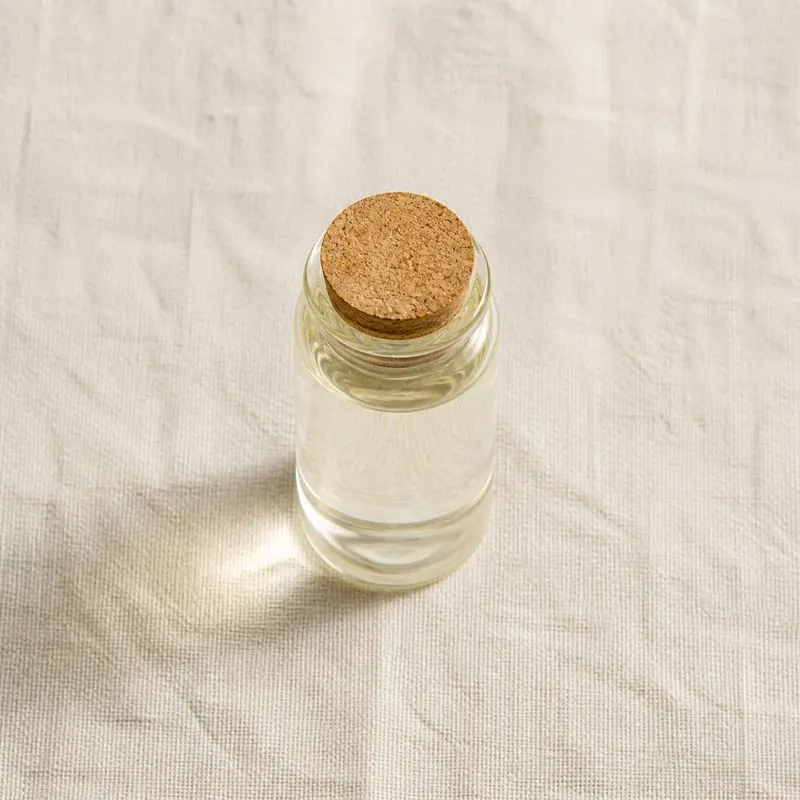
It is a clear, almost colourless to pale yellow, low viscosity oil, noticeably thinner and less dense than triglyceride fish oil, and it stays clear well below refrigeration temperature because the saturated fraction has been removed. It is insoluble in water and miscible with ethanol, hexane and other oils. Two things decide how it is handled. The esters oxidise very readily, so the material is nitrogen blanketed, stabilised and stored cold in light protected containers. The ester itself is also a solvent that attacks incompatible plastics and gelatine shells, so container and capsule compatibility must be established rather than assumed.
We source bulk Omega-3 Acid Ethyl Ester 90 from top China manufacturers for our partners. The manufacturer is in Sichuan. A smaller requirement can ship in a combined container with other ingredients.
Please send the grade you need, the volume and your destination port, and we will come back with a solution and a price.
or call +86-21-6858 0751
- Function
- Specialty oil
Specifications
| Item | Specification |
|---|---|
| Appearance | Clear almost colourless to pale yellow oily liquid |
| Odour and Taste | Faint marine note, free from rancid character |
| EPA plus DHA Ethyl Esters | ≥ 90.0% |
| Total Omega-3 Acid Ethyl Esters | ≥ 80.0% |
| EPA Ethyl Ester | 43.0 to 49.5% |
| DHA Ethyl Ester | 34.7 to 40.0% |
| Identification | Conforms by gas chromatography against reference |
| Acid Value | ≤ 0.5 mg KOH/g |
| Peroxide Value | ≤ 5.0 meq/kg |
| Anisidine Value | ≤ 20 |
| Oligomers | ≤ 1.5% |
| Alpha Tocopherol | 0.15 to 0.5% |
| Residual Ethanol | ≤ 0.5% |
| Water Content | ≤ 0.05% |
| Dioxins and Furans | ≤ 1.75 pg WHO-TEQ/g |
| Lead | ≤ 0.1 mg/kg |
| Mercury | ≤ 0.1 mg/kg |
Common Markets Grades
The product is defined by a pharmacopoeial monograph rather than by a range of commercial grades, so the specification is largely fixed: at least 90 percent combined EPA and DHA ethyl esters, at least 80 percent total omega-3 acid ethyl esters, and stated limits on acid value, peroxide value, anisidine value, oligomers and residual solvents, with a permitted tocopherol addition.
What varies within that frame is the ratio of the two active esters. The commonly traded compositions are an EPA dominant type at roughly 46 percent EPA and 38 percent DHA, and a more balanced type. The certificate states both figures individually as well as the combined assay. Beyond that, the practical distinctions are between pharmacopoeial material intended for medicinal manufacture, produced under pharmaceutical quality systems with full documentation, and high assay supplement grade at a similar concentration but released to a food specification. Bulk material ships in nitrogen blanketed steel drums for onward encapsulation rather than in any consumer format.
Applications
- Prescription omega-3 medicinal products for hypertriglyceridaemia, filled into softgel capsules
- High assay omega-3 softgels in the supplement market, where a small capsule with a high dose is wanted
- Clinical nutrition and medical food formulations requiring a defined high concentration ester
- Intermediate for the manufacture of very high assay single fatty acid concentrates
- Feedstock for re-esterification to high assay triglyceride concentrates
- Reference and standard material for pharmacopoeial testing of omega-3 products
- Formulation development work on self emulsifying and lipid based delivery systems
- Contract manufacture of private label high concentration omega-3 lines
China Manufacturers of Omega-3 Acid Ethyl Ester 90
Top Omega-3 Acid Ethyl Ester 90 manufacturers in China.

Company names and logos are the property of the manufacturers themselves. They are listed here because our own directory records them as producing this ingredient. A listing is not an endorsement by them, and we do not represent them or speak on their behalf.
Regulatory Status
In the United States, omega-3 acid ethyl esters at this concentration are the active substance of approved prescription drug products, and material intended for that use is a pharmaceutical active ingredient manufactured under drug good manufacturing practice with a drug master file supporting it. The United States Pharmacopeia carries a monograph for omega-3 acid ethyl esters. Material sold instead into the supplement trade is a dietary ingredient under the dietary supplement framework, made to food rather than drug standards, and fish must be declared as a major food allergen.
In the European Union, the European Pharmacopoeia monograph for omega-3 acid ethyl esters 90 sets the composition and purity requirements, including the minimum combined EPA and DHA content, the total omega-3 content, and limits on oxidation products and oligomers, and medicinal products based on it are authorised as medicines. Where the same material is sold as a food supplement it is a food rather than an additive, carries no E number, and may require authorisation under the novel food regulation because the ethyl ester form lacks a history of consumption before May 1997; several such concentrates appear in the Union list. Fish is an allergen that must be emphasised in the ingredient list, and the contaminants regulation sets maximum levels for dioxins and dioxin-like polychlorinated biphenyls in fish oil.
Manufacturing Process
Crude fish oil, generally from anchovy, sardine or menhaden, is refined first: degumming and acid treatment to remove phospholipids and trace metals, alkali neutralisation to strip free fatty acids, bleaching on activated earth, and vacuum deodorisation. A dedicated contaminant removal step, by short path distillation or activated carbon, takes out dioxins and polychlorinated biphenyls, which would otherwise be carried into the concentrate along with the fatty acids.
The refined oil is transesterified with a molar excess of anhydrous ethanol over an alkaline catalyst under nitrogen. The fatty acids transfer from the glycerol backbone to ethanol, glycerol separates as a lower phase and is drawn off, and excess ethanol is recovered under vacuum. The crude ester mixture is then concentrated in stages. Short path or falling film molecular distillation under high vacuum at low temperature removes the shorter and more saturated esters; urea complexation removes much of the remaining saturated and monounsaturated fraction, which forms crystalline adducts with urea while the polyunsaturated esters stay in solution. Reaching 90 percent generally requires a chromatographic finishing step, typically simulated moving bed chromatography, since the last few percent of impurity is chemically close to the target. The purified fraction is stripped of residual solvent under deep vacuum, polish filtered, dosed with alpha tocopherol and filled hot into nitrogen purged drums.