Fish Oil
Fish Oil is a lipid extract obtained from the body tissue or liver of oily marine fish, used for its concentration of long-chain omega-3 fatty acids, principally eicosapentaenoic acid (EPA, C20:5n-3) and docosahexaenoic acid (DHA, C22:6n-3).
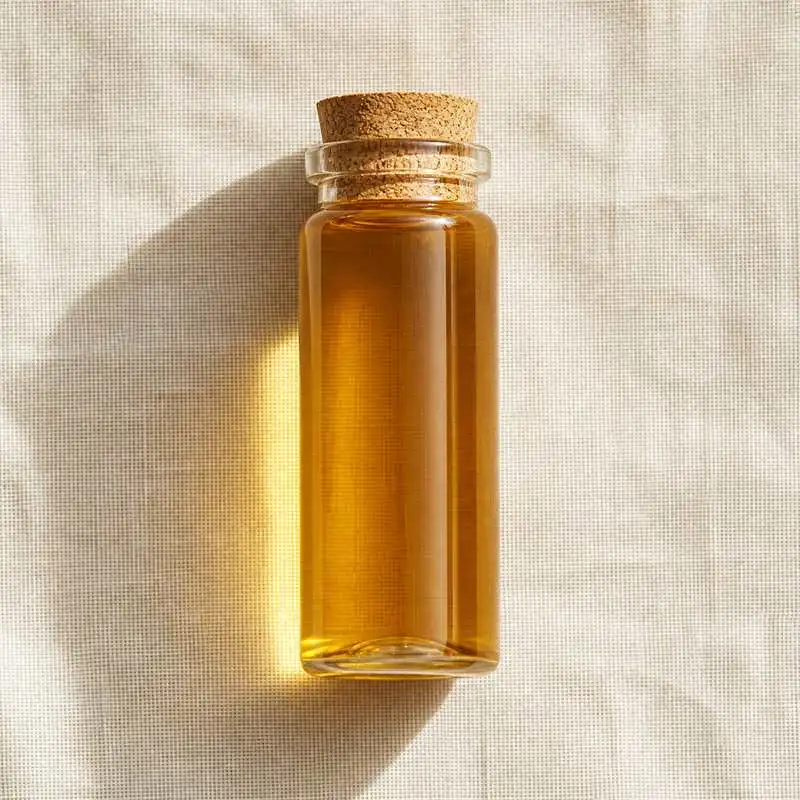
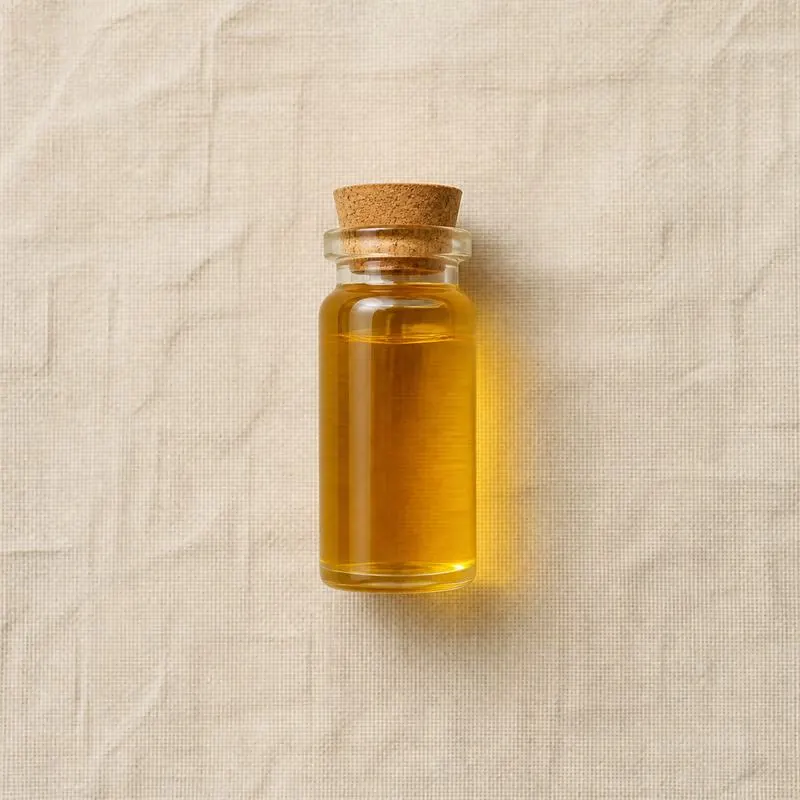
The oil is a pale to deep amber liquid with a characteristic marine odour, sold crude, refined, or molecularly distilled for nutritional, pharmaceutical, and feed use.
We source bulk Fish Oil from top China manufacturers for our partners, working with several of them. The manufacturers are in Shandong, Hubei and Sichuan. A smaller requirement can ship in a combined container with other ingredients.
Please send the grade you need, the volume and your destination port, and we will come back with a solution and a price.
or call +86-21-6858 0751
- Packaging
- 190 kg steel drum or 25 kg jerrican
- ISO 9001
- HACCP
- Halal
- Kosher
Specifications
| Item | Specification |
|---|---|
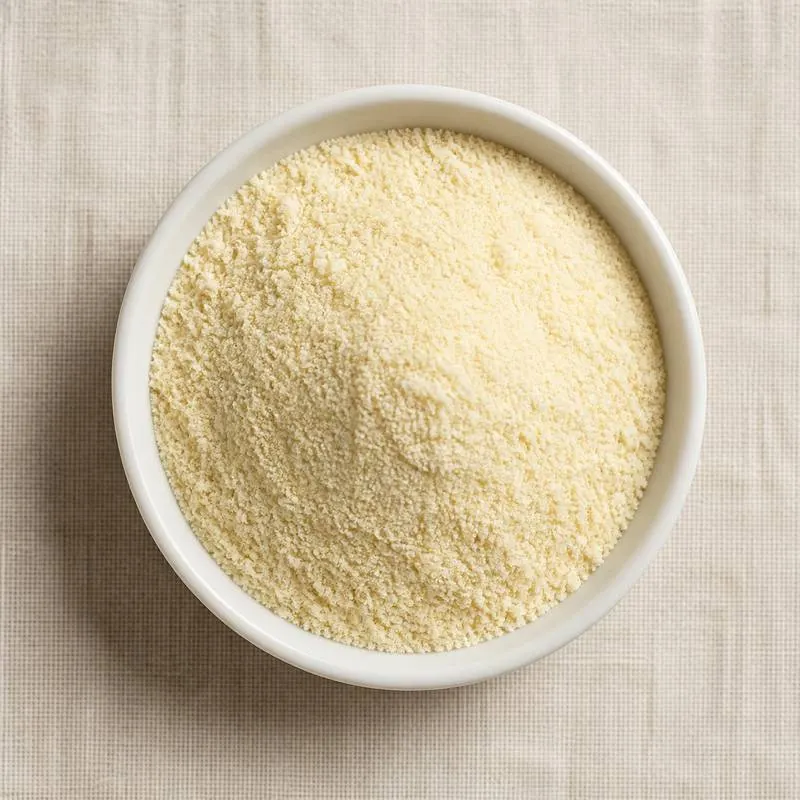
| Appearance | Off-white to pale yellow powder |
| Fish Oil Content | ≥ 30-50% |
| EPA + DHA | ≥ 12% (of powder) |
| Peroxide Value | ≤ 5.0 meq/kg |
| Moisture | ≤ 5.0% |
| Heavy Metals (as Pb) | ≤ 0.1 mg/kg |
| Color | White to yellow |
| Odor and Taste | Slightly specific odor, no foreign odor |
| Fat | ≥68.0 % |
| Acid Value | ≤1.0 mg/g |
| Lead | ≤0.1mg/kg |
| Arsenic | ≤0.1mg/kg |
| B1/Aflatoxin B1 | ≤10.0μg/kg |
| benzopyrene | ≤10.0μg/kg |
Common Markets Grades
Fish Oil is classified by EPA + DHA concentration and by triglyceride form.
Standard 18/12 grade, containing roughly 18 percent EPA and 12 percent DHA in natural triglyceride form, remains the standard article for general softgel supplements and infant nutrition blends.
Concentrated 33/22 and 40/20 grades are produced through urea complexation or short-path distillation, in either re-esterified triglyceride (rTG) or ethyl ester (EE) form.
High-potency 50/20, 70/10, and 85 percent EPA + DHA concentrates serve pharmaceutical and high-dose clinical formats.
Cod liver oil and salmon oil form species-specific grades carrying naturally occurring vitamin A and vitamin D, distinct from anchovy or sardine body oils.
Aquaculture and pet-food grades are bulk crude or semi-refined oil with looser colour and peroxide specifications.
Applications
- Softgel and liquid dietary supplements positioned for cardiovascular, cognitive, and joint support
- Infant formula and follow-on nutrition as a DHA source for neurological and visual development
- Medical nutrition products including enteral feeds and post-surgical recovery formulas
- Functional foods and beverages: omega-3 fortified milks, yogurts, spreads, and breads
- Pharmaceutical preparations such as prescription EPA ethyl ester and EPA + DHA hypertriglyceridemia products
- Aquaculture feed for salmon, trout, sea bass, and shrimp where it remains the primary lipid energy and omega-3 source
- Pet food and treats for skin, coat, and joint maintenance in dogs and cats
- Livestock and poultry feed for omega-3 enriched eggs, milk, and meat programs
- Cosmetic and skincare formulations targeting barrier repair and anti-inflammatory positioning
- Veterinary therapeutics for inflammatory and dermatological indications
Brands Using Fish Oil
Widely-distributed consumer products that list Fish Oil on the ingredient label.
- Nordic NaturalsUltimate Omega ↗Lemon-flavoured softgels made exclusively from 100% wild-caught sardines and anchovies, delivering concentrated fish oil omega-3 EPA and DHA.Label verified 2026-05-24
- Carlson LabsThe Very Finest Fish Oil ↗Liquid fish oil providing 1,600 mg omega-3s (EPA, DHA, DPA) per serving in natural lemon and other flavours.Label verified 2026-05-24
- Nature MadeFish Oil 1200 mg Softgels ↗Softgels providing 1,200 mg fish oil with 360 mg omega-3 EPA and DHA per softgel; sourced from wild-caught ocean fish.Label verified 2026-05-24
- Nature MadeBurp-Less Extra Strength Fish Oil 2800 mg Softgels ↗Extra-strength enteric-coated fish oil softgels delivering 2,800 mg fish oil with 2,000 mg omega-3s per serving.Label verified 2026-05-24
- NOW FoodsUltra Omega-3 Softgels (Bovine Gelatin) ↗Molecularly distilled fish oil concentrate softgels tested for PCBs, dioxins and heavy metals; enteric-coated for easier tolerance.Label verified 2026-05-24
- Sports ResearchTotal Omega-3 EPA & DHA Full Spectrum Complex Softgels ↗Fish oil softgels providing full-spectrum omega-3 EPA and DHA from wild-caught fish.Label verified 2026-05-24
Brand names, product names and logos are the property of their owners. They appear here as published evidence that the ingredient is used, taken from the brand's own label or website. Their appearance is not an endorsement, and it does not mean the brand buys from us or from any manufacturer listed on this site.
China Manufacturers of Fish Oil
Top Fish Oil manufacturers in China.
 CABIO Biotech (Wuhan) Co., Ltd.9 ingredients in the directory
 Meitek (Qingdao) Co., Ltd.13 ingredients in the directory
 Shandong Tianjiao Biotech Co., Ltd.9 ingredients in the directory
 Skuny BioScience Co., Ltd.4 ingredients in the directory
Company names and logos are the property of the manufacturers themselves. They are listed here because our own directory records them as producing this ingredient. A listing is not an endorsement by them, and we do not represent them or speak on their behalf.
How We Help Source Fish Oil
Direct Factory Sourcing
We run the whole process: selecting the manufacturer from the top Chinese food ingredient producers, negotiating the price, verifying quality, and coordinating the logistics. You deal with us instead of with several factories at once.
Original Packaging and Documents from the Manufacturer
The manufacturer sends your Fish Oil out of its own factory in the original packing, through to your destination port. The COA, COO, MSDS, TDS and any certifications reach you from the manufacturer as well.
Free Samples and Lead Time
We send 100 to 500 g free for your own laboratory to test and you cover only the courier, usually within 2 to 3 working days. ETD is usually within 7 to 15 days once the order is confirmed, and we check that date against the factory's own manufacturing schedule before we give it to you.
Combined Shipment
We can load Fish Oil together with other ingredients such as DHA, DHA Algal Oil and Mct into one 20' FCL. If your quantity is small, we can also ship LCL.
Regulatory Status
Fish Oil is recognised as a food, food ingredient, and dietary supplement ingredient across major jurisdictions.
In the European Union, Regulation (EC) No 853/2004 governs it for animal by-products and Commission Regulation (EU) No 1259/2011 sets maximum levels for dioxins and PCBs.
The U.S. Food and Drug Administration regards refined menhaden, anchovy, sardine, salmon, and tuna oils as GRAS for specified uses, and prescription omega-3 ethyl esters are approved drug substances.
Pharmacopoeial monographs cover Omega-3 Acid Ethyl Esters and Omega-3 Acid Triglycerides in the European Pharmacopoeia, and Fish Oil Rich in Omega-3 Acids and Cod-Liver Oil monographs in USP and Ph. Eur.
Sustainability claims commonly reference Friend of the Sea, MarinTrust (formerly IFFO RS), or MSC chain-of-custody certification.
Manufacturing Process
Production begins with whole fish or trimmings of anchoveta, sardine, menhaden, mackerel, herring, salmon, or pollock landed at coastal reduction plants.
The raw material is cooked with live steam, pressed, and the resulting press liquor separated by decanter and centrifuge into stickwater, fish meal, and crude oil.
Crude oil is then refined through degumming, alkali neutralisation, bleaching with activated earth, and steam deodorisation to remove phospholipids, free fatty acids, colour bodies, and volatile off-notes.
For concentrate grades, refined oil is transesterified into ethyl esters, fractionated by molecular (short-path) distillation under deep vacuum to enrich EPA and DHA, then optionally re-esterified back to triglyceride form using lipase catalysis.
Final polishing includes winterization to remove waxes, activated carbon treatment to reduce dioxins and PCBs, and addition of mixed tocopherols or rosemary extract as antioxidant.